Siwa Salt Lakes Guide
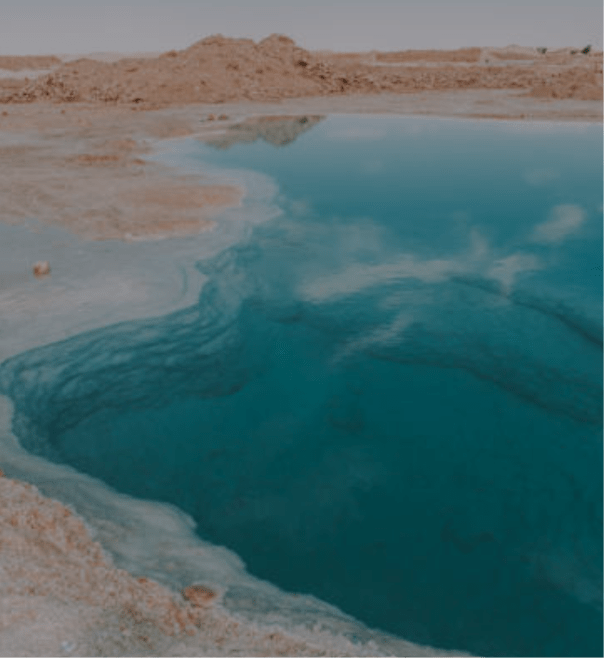
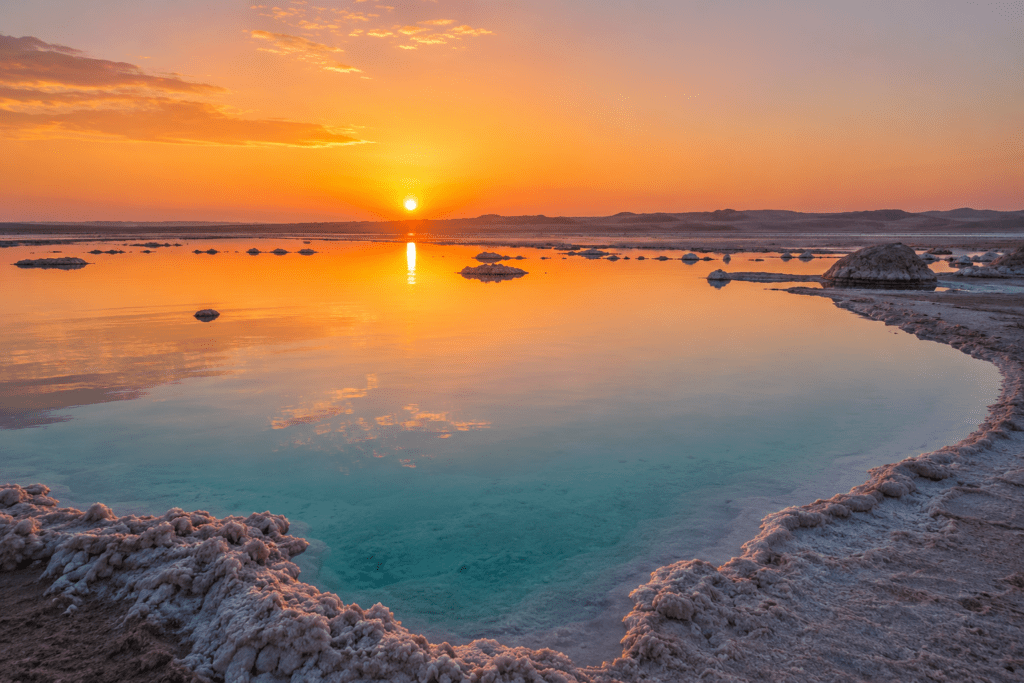
Few places in Egypt surprise first-time visitors quite like the Salt Lakes of Siwa Oasis. Hidden among palm groves and desert landscapes, these brilliant turquoise pools seem almost unreal. Their crystal-clear water contrasts sharply with the surrounding white salt formations, creating one of the country’s most photographed natural attractions.
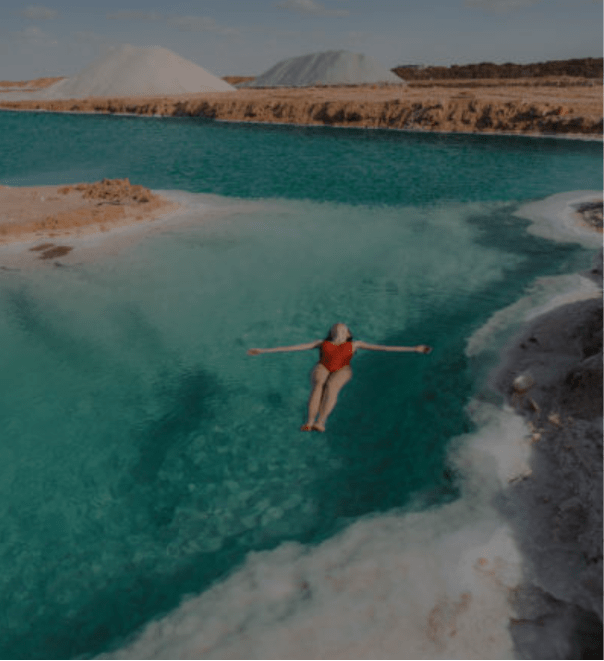
The Salt Lakes are more than a beautiful stop on a Siwa itinerary. Thanks to their exceptionally high salt concentration, visitors can effortlessly float on the surface in much the same way as the Dead Sea. Combined with the peaceful atmosphere of the oasis, they offer a refreshing break between exploring ancient ruins and venturing into the Great Sand Sea.
Expert Insight: The Salt Lakes are at their most enjoyable during the morning or late afternoon. Midday light creates spectacular colors for photography, but temperatures in Siwa can become extremely hot, especially between June and August.
The salt lakes are only one part of the oasis. For the complete planning framework, see the Siwa Oasis Egypt Travel Guide.
What Are the Salt Lakes?
Siwa’s Salt Lakes are former salt extraction sites that gradually filled with underground spring water. Over time, the dissolved minerals created extremely saline pools with remarkable clarity and vivid blue and turquoise colors.
The high salt content makes it almost impossible to sink. Even visitors who are not confident swimmers naturally float on the surface with very little effort.
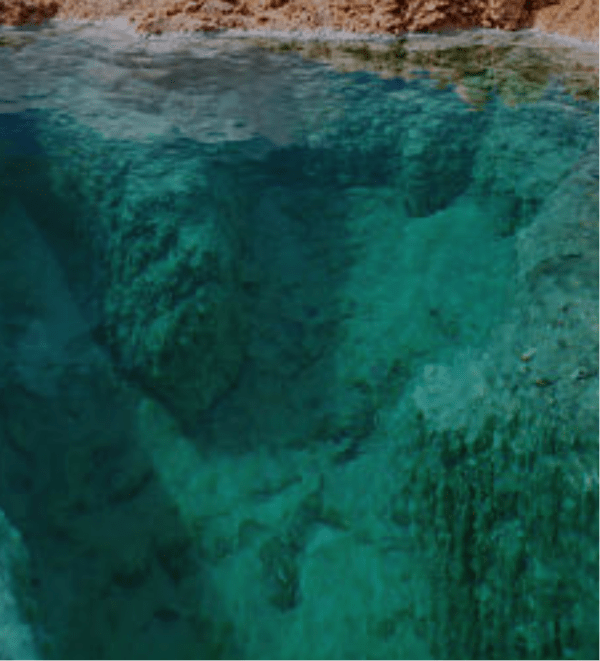
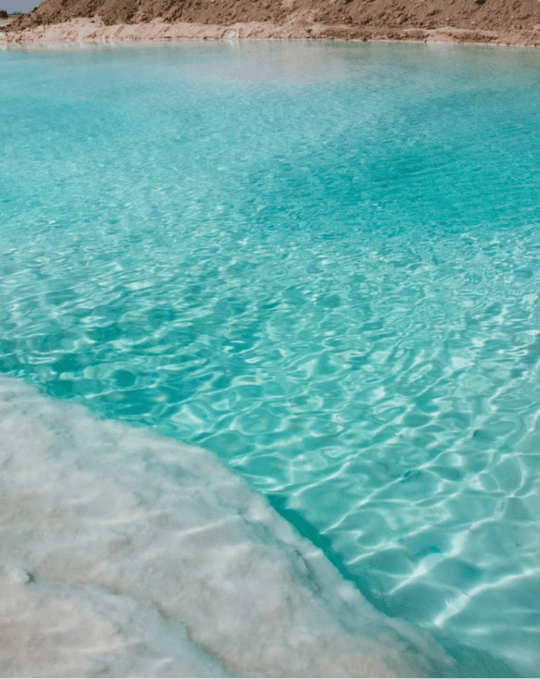
Unlike many natural swimming spots, the water is exceptionally transparent. On calm days, the white salt crystals beneath the surface are clearly visible several meters below, creating an almost surreal appearance.
Why the Water Is So Blue
The remarkable colors come from a combination of mineral-rich water, white salt deposits beneath the surface, and the intense desert sunlight.
During the middle of the day, the lakes often appear brilliant turquoise or deep sapphire blue. Early in the morning and near sunset, softer lighting creates deeper shades of green and blue while reflecting the surrounding palm trees and desert cliffs.
Because there is very little sediment suspended in the water, visibility remains excellent throughout most of the year.
Swimming and Floating Experience
Floating is the main reason travelers visit the Salt Lakes.
The experience is effortless. Instead of swimming, most visitors simply lean back and allow the mineral-rich water to support them naturally. It feels unusual at first, but quickly becomes one of the most memorable experiences in Siwa.
Most lakes have simple wooden platforms or gentle entry points, although surfaces around the water can be covered with sharp salt crystals. Lightweight water shoes make entering and leaving the lakes much more comfortable.
The water itself is clean, but even small cuts can sting because of the high salt concentration. Visitors should also avoid getting water into their eyes and rinse off with fresh water afterward whenever possible.
Guide’s Note: Many visitors combine the Salt Lakes with Cleopatra Spring. Floating in the highly saline water followed by a swim in the cool freshwater spring creates one of Siwa’s most enjoyable day trips.
Health Benefits and Myths
Many visitors believe the mineral-rich water helps soothe tired muscles and improve certain skin conditions. While some people report feeling refreshed after floating, these benefits are largely anecdotal and should not be considered medical treatment.
The real appeal is the unique floating experience and the peaceful desert setting rather than any guaranteed therapeutic effect.
Nearby Attractions
The Salt Lakes fit naturally into a full day exploring eastern Siwa.
After a morning swim, many travelers continue to Cleopatra Spring, where cool freshwater provides a refreshing contrast to the salty lakes. Later in the day, Shali Fortress and the Mountain of the Dead offer a glimpse into Siwa’s remarkable history before ending with sunset at Fatnas Island or heading into the Great Sand Sea for a desert safari.
Because these attractions are all within a relatively short driving distance, they are often combined into the same day’s sightseeing. For more information see our How Many Days Do You Need in Siwa Oasis? guide.
Best Time to Visit
The Salt Lakes can be visited year-round, but the experience is most comfortable between October and April, when daytime temperatures are pleasant and evenings are cool.
During the summer months, temperatures regularly exceed 40°C (104°F). Swimming remains possible, but walking around the exposed salt flats becomes uncomfortable during the middle of the day.
Morning visits usually offer calmer conditions and fewer visitors, while late afternoon combines comfortable temperatures with beautiful golden light for photography.
Practical Tips
Bring a towel, swimwear, drinking water, sunscreen, and sandals or water shoes. Salt crystals can be surprisingly sharp underfoot, and the desert sun reflects intensely off the white shoreline.
Avoid shaving immediately before entering the water, as the salt can cause significant discomfort. If you have any cuts or scrapes, expect them to sting briefly.
After swimming, rinse off with fresh water before changing clothes to prevent salt from drying on your skin.
If the lakes are part of a longer oasis stay, What to Pack for Siwa covers swimwear, sandals, towels, sun protection and desert-night layers.
Salt Lakes FAQ
Are the Salt Lakes worth visiting?
Absolutely. The combination of floating effortlessly in crystal-clear water and the striking desert scenery makes them one of Siwa’s most memorable natural attractions and a highlight of almost every visit to the oasis.
Can you swim in the Salt Lakes?
Yes. Swimming is allowed, although most visitors spend more time floating than actually swimming because of the extremely high salt content.
Are the Salt Lakes safe?
They are generally very safe for visitors. Take care when entering because salt crystals can be sharp, avoid swallowing the water, and protect your eyes from splashes.
How much time should I spend at the Salt Lakes?
Most travelers spend between one and two hours enjoying the water, relaxing by the shore, and taking photographs before continuing to other attractions around Siwa.
Do you need a guide?
A guide is not required to visit the Salt Lakes themselves, but most travelers experience them as part of a full-day Siwa tour that also includes historical sites, desert scenery, and local attractions.
If you only visit the Salt Lakes, you’ll miss much of what makes Siwa special. Our Siwa itineraries combine floating in the lakes with Cleopatra Spring, Shali Fortress, the Temple of the Oracle, the Mountain of the Dead, and a sunset adventure into the Great Sand Sea, creating a route that makes the long journey from Cairo truly worthwhile.