Mediterranean Egypt vs Red Sea Egypt: Which Is Right for You?
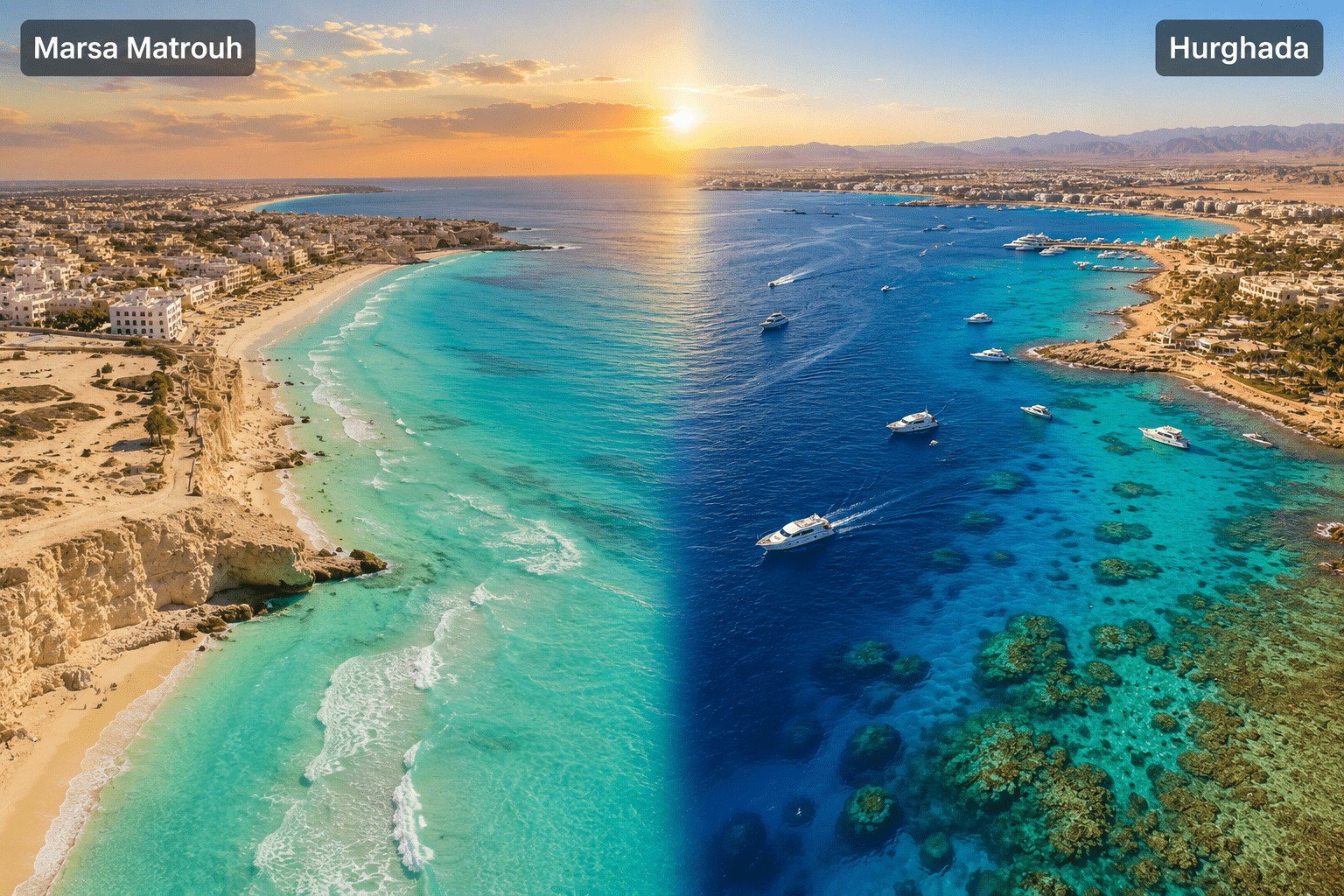
Egypt offers two completely different beach experiences. On one side, the Mediterranean delivers soft white sand, turquoise water, and a distinctly seasonal atmosphere where Egyptian families spend their summers. On the other, the Red Sea is famous for coral reefs, year-round sunshine, and some of the world’s best snorkeling and diving.
Neither coast is objectively better—they simply suit different types of travelers. If you’re dreaming of calm, Caribbean-like beaches and long summer afternoons, the Mediterranean may be exactly what you’re looking for. If your holiday revolves around marine life, diving, and all-inclusive resorts, the Red Sea is difficult to beat.
Before planning your trip, it’s worth exploring Egypt’s official tourism resources for the latest destination information, events, and travel inspiration.
Expert Insight: Many first-time visitors assume all of Egypt’s beaches are similar. In reality, the Mediterranean and Red Sea offer entirely different landscapes, water conditions, and travel experiences.
If you’re unfamiliar with Egypt’s North Coast, start with our Marsa Matrouh Travel Guide: Egypt’s Mediterranean Paradise to understand why it has become the country’s favorite summer destination.
At a Glance
| Feature | Mediterranean Coast | Red Sea |
|---|---|---|
| Best For | Swimming, families, summer holidays | Snorkeling, diving, year-round sunshine |
| Water | Turquoise, calm, shallow | Crystal clear, coral reefs |
| Marine Life | Limited | Exceptional |
| Beach Style | White sand beaches | Coral bays and resort beaches |
| Tourism | Mostly domestic | Mostly international |
| Peak Season | June–September | October–April |
| Resorts | Boutique, villas, summer compounds | Large all-inclusive resorts |
| Atmosphere | Relaxed and local | Resort-focused and activity-driven |
Beaches
The biggest visual difference is the coastline itself.
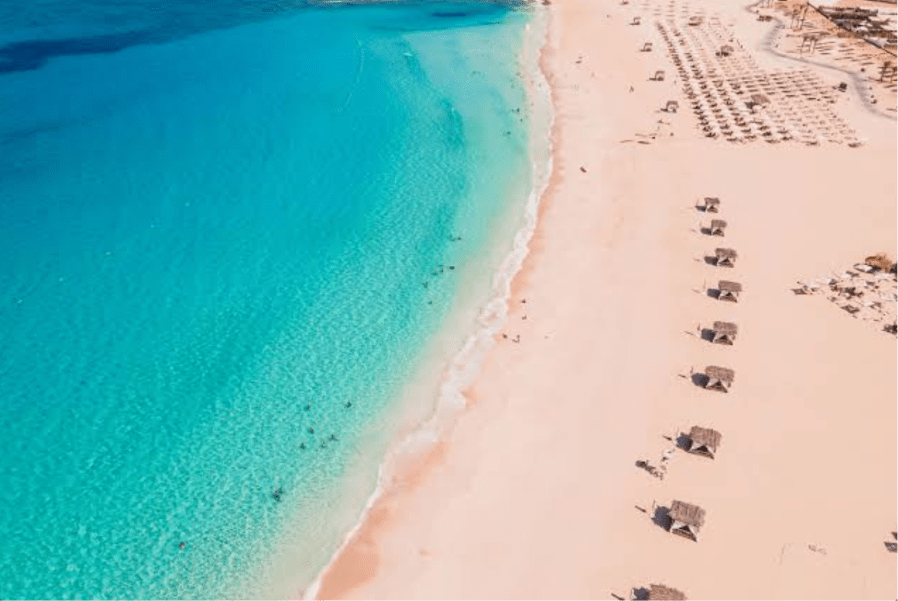
Egypt’s Mediterranean Coast is known for long stretches of soft white sand and shallow turquoise water. Around Marsa Matrouh, beaches such as Agiba Beach and Cleopatra Beach are protected by limestone formations that create calm lagoons with striking shades of blue. Travelers frequently compare the water to Caribbean destinations because of its color and clarity during summer.
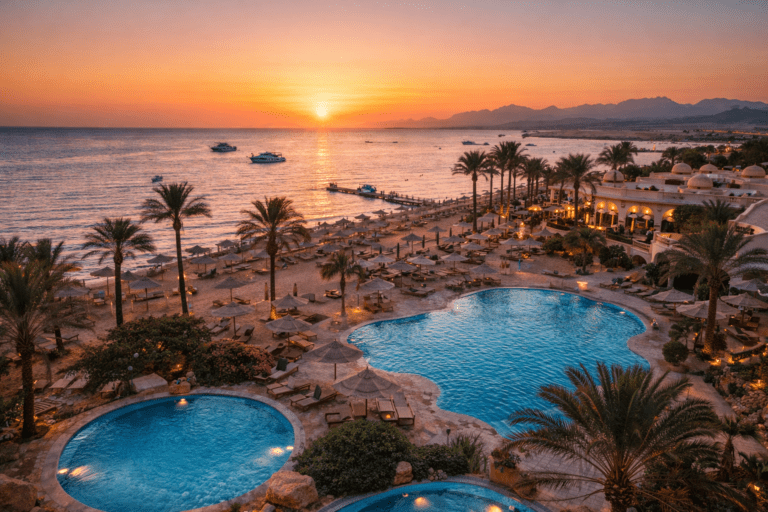
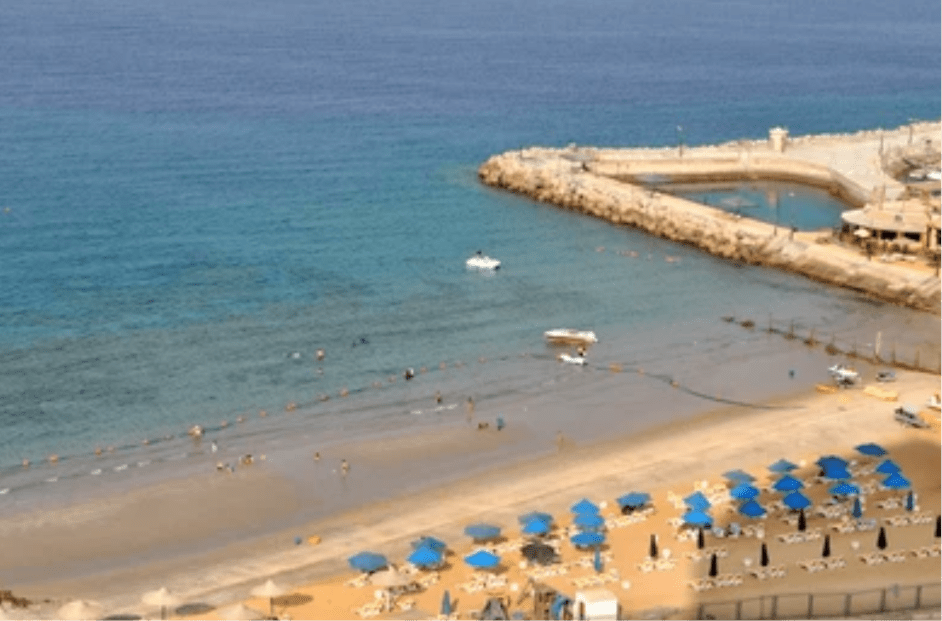
The Red Sea has fewer broad sandy beaches. Instead, many resorts are built around coral reefs, lagoons, and jetties extending over shallow reef flats. Destinations such as Hurghada, Sharm El Sheikh, Marsa Alam, El Gouna, and Ain Sokhna each offer different coastal landscapes, but coral often replaces soft sand as the main attraction.
If beautiful beaches are your priority, our Best Beaches in Marsa Matrouh guide compares Egypt’s finest Mediterranean beaches in detail.
Water
Both coasts have remarkably clear water, but for different reasons.
The Mediterranean is prized for its vivid turquoise color, especially from June through September. The shallow seabed reflects sunlight, creating the bright blue shades that make Marsa Matrouh famous.
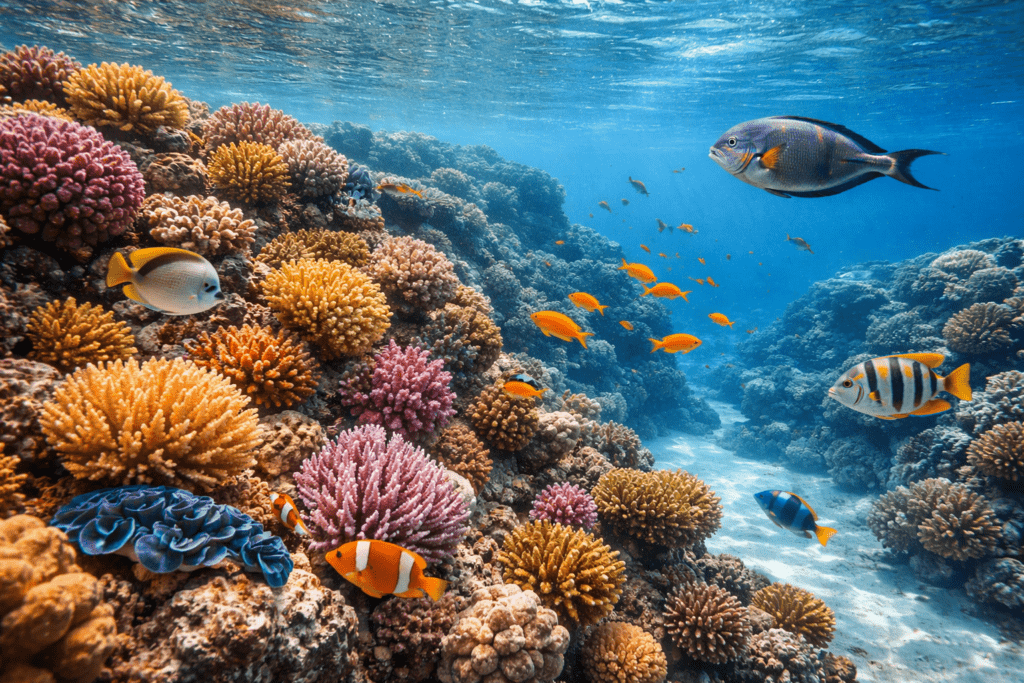
The Red Sea offers superior underwater visibility. Calm conditions and healthy reef systems often allow visibility exceeding 20–30 meters, making it one of the world’s premier snorkeling and diving destinations.
Snorkeling
This category has a clear winner.
While snorkeling is possible around rocky sections of Marsa Matrouh, the Mediterranean simply cannot compete with the biodiversity of the Red Sea.
Popular snorkeling destinations include:
- Hurghada – Giftun Islands and nearby reefs.
- Sharm El Sheikh – Ras Mohammed National Park and Tiran Strait.
- Marsa Alam – Abu Dabbab, Marsa Mubarak, and Elphinstone Reef.
- El Gouna – Boat-access coral reefs.
- Ain Sokhna – Limited snorkeling compared with southern Red Sea destinations.
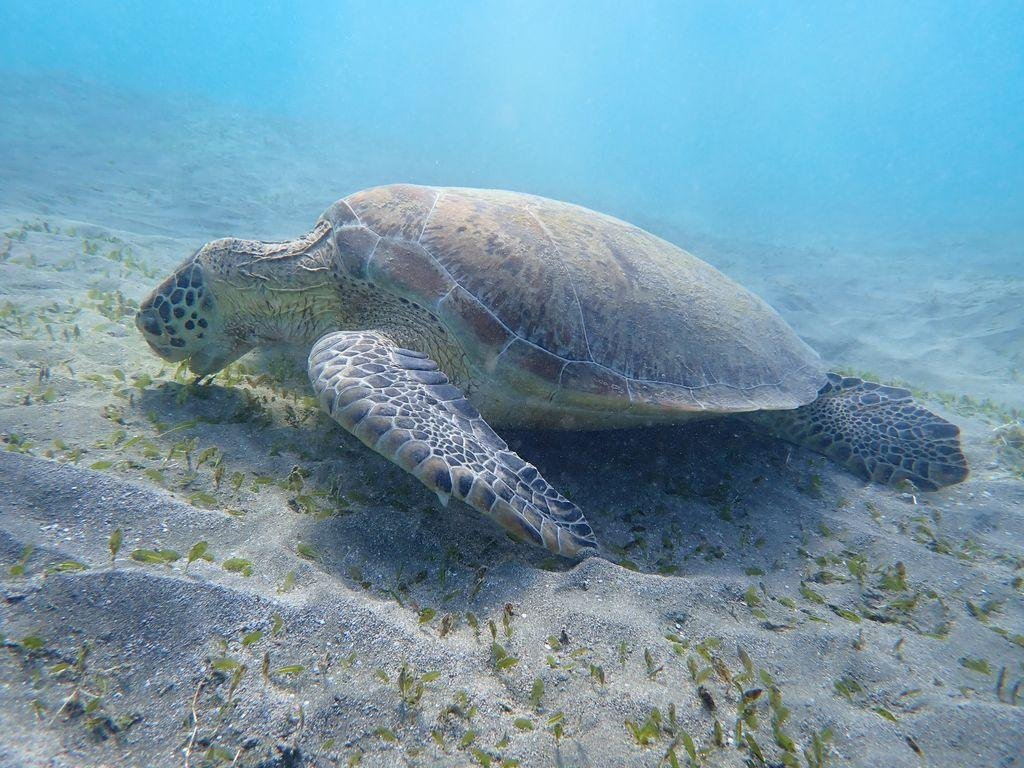
Traveler reviews consistently describe Marsa Alam as the best choice for sea turtles, dugongs, and quieter reef experiences, while Hurghada offers more convenient day trips and a wider range of operators.
Diving
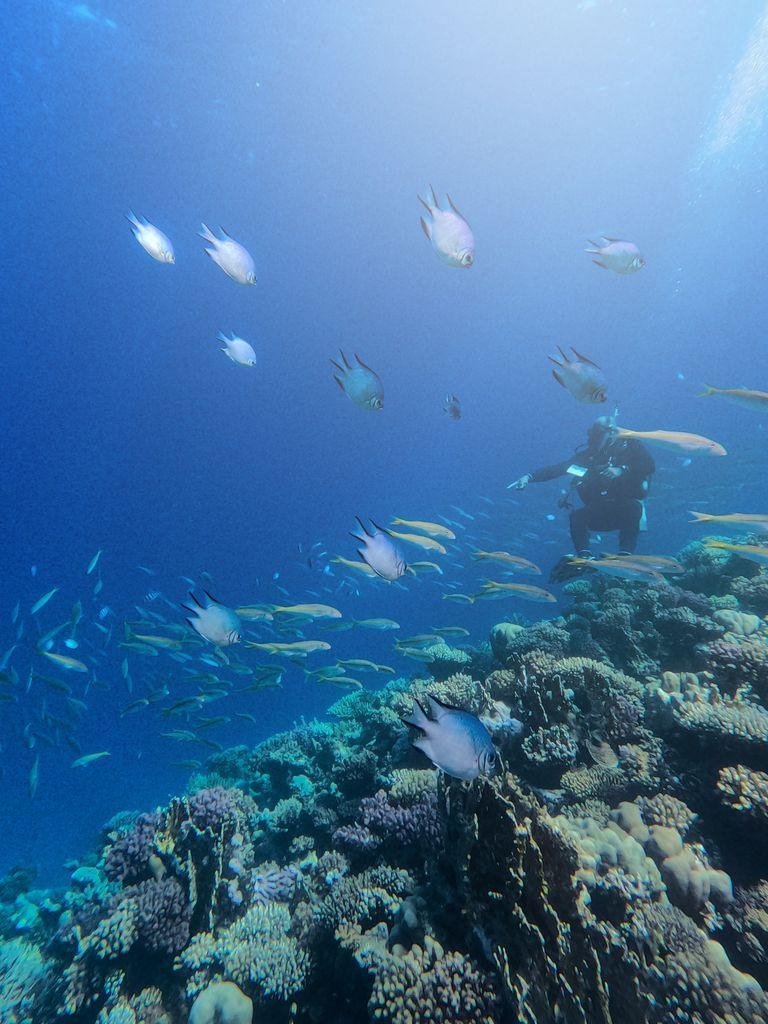
Egypt’s Red Sea is internationally recognized as one of the world’s finest diving destinations.
Sharm El Sheikh attracts divers with Ras Mohammed National Park and the nearby SS Thistlegorm wreck, while Marsa Alam is known for healthier southern reef systems and encounters with larger marine life. Hurghada combines accessible reefs with numerous dive schools suitable for beginners.
The Mediterranean offers niche archaeological diving around Alexandria but isn’t a mainstream diving destination.
Resorts
The two coasts offer very different styles of accommodation.
The Red Sea specializes in large all-inclusive resorts, particularly around Hurghada and Sharm El Sheikh. Travelers often choose these destinations for convenience, extensive facilities, children’s clubs, and organized excursions. El Gouna adds a more upscale marina atmosphere with boutique hotels and luxury residences.
The Mediterranean has fewer all-inclusive resorts. Marsa Matrouh combines independent hotels with apartment rentals and seasonal resorts, while New Alamein increasingly offers luxury beachfront developments that cater to domestic summer tourism.
Atmosphere
Perhaps the biggest difference is how each coast feels.
The Mediterranean is deeply connected to Egyptian summer culture. Cafés stay busy until late evening, beaches fill with local families, and seafood restaurants become lively gathering places.
The Red Sea feels more international. Resorts are designed around guests staying on-site, with organized excursions, marina promenades, and entertainment programs creating a self-contained holiday environment.
Families
Both coasts work well for families—but in different ways.
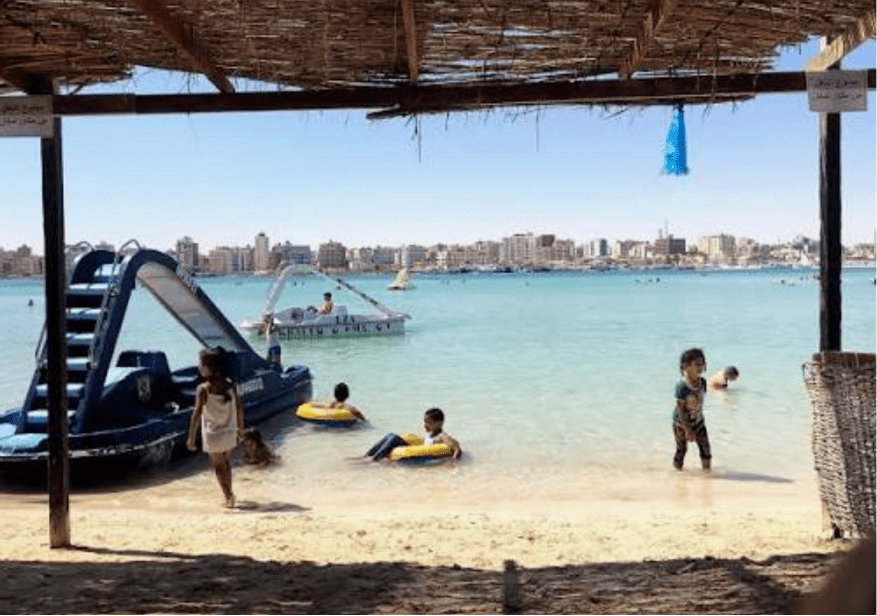
The Mediterranean’s shallow beaches make swimming easy for younger children. Beaches such as Cleopatra Beach are known for gentle water protected by natural rock formations.
The Red Sea offers more resort-based activities. Large hotels frequently include water parks, kids’ clubs, evening entertainment, and family-oriented facilities that reduce the need to leave the property.
If you’re planning a trip with children, see our Family Guide to Marsa Matrouh for practical recommendations on beaches, activities, and accommodation.
Nightlife
Travelers looking for nightlife will generally find more options on the Red Sea.
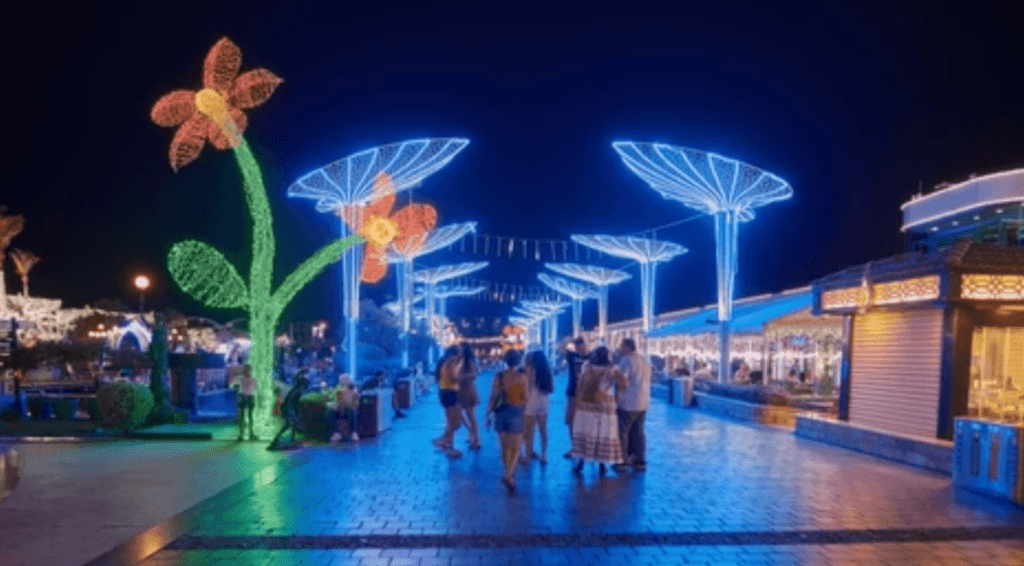
Hurghada and Sharm El Sheikh offer beach clubs, international restaurants, marina bars, and evening entertainment aimed largely at international visitors.
Marsa Matrouh’s nightlife is quieter and more local, revolving around evening walks along the Corniche, cafés, seafood restaurants, and family-friendly waterfront areas rather than clubs.
Cost
Overall costs depend on the season.
During the Mediterranean’s short summer season, accommodation prices rise sharply—especially in July and August, when Egyptian school holidays drive domestic demand.
The Red Sea generally provides better value outside peak international holiday periods because its hotel supply is significantly larger. Competition between resorts often results in attractive all-inclusive packages.
For a detailed month-by-month breakdown, read our Best Time to Visit Egypt’s Mediterranean Coast guide.
Accessibility
| Destination | Nearest Airport | Typical Best For |
|---|---|---|
| Marsa Matrouh | Marsa Matrouh International | Summer beach holidays |
| Hurghada | Hurghada International | Resorts, snorkeling |
| Sharm El Sheikh | Sharm El Sheikh International | Diving, luxury resorts |
| Marsa Alam | Marsa Alam International | Marine life, quiet holidays |
| El Gouna | Hurghada International | Luxury and marina lifestyle |
| Ain Sokhna | Cairo (road transfer) | Weekend escapes from Cairo |
Ain Sokhna has one major advantage: it’s only a few hours’ drive from Cairo, making it Egypt’s most convenient Red Sea destination for short breaks.
Which Should You Choose?
Choose Mediterranean Egypt if you want:
- Wide white-sand beaches.
- Calm turquoise water for swimming.
- A local Egyptian summer atmosphere.
- Family-friendly beach days.
- Scenic coastal photography.
Choose Red Sea Egypt if you want:
- World-class snorkeling and diving.
- Coral reefs and marine life.
- Year-round beach weather.
- Large all-inclusive resorts.
- Boat trips and water sports.
For most travelers interested primarily in relaxing on spectacular beaches, Marsa Matrouh delivers one of Egypt’s most beautiful coastal experiences. For underwater adventures and year-round sunshine, the Red Sea remains unmatched.
Frequently Asked Questions
Which coast has better beaches?
The Mediterranean generally offers softer white sand and calmer swimming beaches, while the Red Sea is better known for coral reefs and underwater scenery.
Which coast is better for snorkeling?
The Red Sea is significantly better. Destinations such as Marsa Alam, Hurghada, and Sharm El Sheikh provide vibrant coral reefs, exceptional visibility, and abundant marine life.
Is the Mediterranean cheaper than the Red Sea?
Not always. During July and August, domestic demand pushes accommodation prices higher along the Mediterranean Coast, while Red Sea resorts often compete on all-inclusive offers.
Which coast is better for families?
Families who enjoy traditional beach holidays often prefer Marsa Matrouh’s shallow Mediterranean beaches. Those looking for extensive resort facilities, children’s entertainment, and organized activities may find the Red Sea a better fit.
Which Coast Fits Your Egypt Trip?
The biggest mistake travelers make is choosing Egypt’s coastline based on beautiful photos instead of the experience they actually want. A week of world-class diving in Marsa Alam feels completely different from a relaxing beach holiday in Marsa Matrouh, and the best choice depends on your travel style, the season, and who you’re traveling with.
At Explore Egyptian Nile Adventures, we help you match the right destination to your itinerary—not just recommend the most popular resort. Whether you’re planning a Mediterranean beach escape, a Red Sea diving holiday, or a journey that combines both with Egypt’s ancient wonders, we’ll help you build an itinerary that makes the most of your time in Egypt.
Explore our Egypt tours and itineraries to choose the coastline that fits your travel style—not just the one that looks best in the photos.