
Egypt Travel Requirements: Visas, Vaccines, and Entry Rules
Arriving in Egypt is usually straightforward—but only if you understand how it actually works on the ground. Most travelers don’t struggle with strict rules. They struggle with the process: where to go first, how to pay, and what’s actually required versus what’s assumed.
After a long overnight flight into Cairo, small misunderstandings—like skipping the visa counter or not having the right cash—can turn a simple arrival into a frustrating one. This guide focuses on what really happens so you move through the airport confidently and start your trip the right way.
Expert Insight: Egypt’s entry process is not complicated—it’s just different. Travelers who know the sequence (visa desk first, then immigration) pass through smoothly while others lose time correcting simple mistakes.
Egypt Visa Rules: What Actually Happens on Arrival
For most travelers, the visa on arrival is still the easiest and most reliable option.
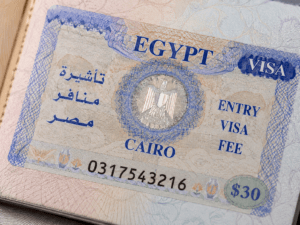
When you land at Cairo International Airport, you do not go straight to passport control. You must first stop at a bank counter in the arrivals hall to purchase your visa sticker. This step is easy to miss, especially when following the crowd toward immigration.
The current cost is $30 USD for a single-entry visa, and it must be paid at the counter before you proceed.
You’ll need:
- A passport valid for at least 6 months
- Cash in USD (exact or close to exact is best)
Card payments are still inconsistent at these counters, so relying on cash avoids delays.
Arrival timing matters more than most expect. Early morning is the busiest window, when multiple international flights land at once. Lines at the visa counters can build quickly, especially when travelers are unsure where to go.
Guide’s Note: The most common delay isn’t the visa itself—it’s travelers reaching immigration first, then being sent back to buy the visa and rejoin the line.
E-Visa vs Visa on Arrival: Which One Works Better?
The e-visa is available, but for most travelers, visa on arrival remains the better default.
In theory, the e-visa saves time. In practice, the difference is minimal because immigration lines still apply. The visa-on-arrival process is fast if you’re prepared, and it offers more flexibility if plans change.
The e-visa makes sense if you want everything handled in advance or prefer not to carry cash. Otherwise, the on-arrival process is simple and widely used.
Which Nationalities Can’t Use Visa on Arrival?
Most Western and many international travelers can obtain a visa on arrival, but not all nationalities are eligible.
The most reliable way to confirm your eligibility is through:
- Your country’s embassy guidance
- The official Egypt e-visa portal
This matters because eligibility can change, and airline check-in staff may enforce rules before you even board your flight.
If your nationality requires a pre-approved visa, you must arrange it before traveling—there is no workaround at the airport.
Passport Rules and Entry Checks
Egypt consistently enforces passport validity rules. Your passport must be valid for at least six months from your arrival date.
Beyond that, entry checks are generally straightforward. Immigration officers may ask a simple question about your stay, but detailed questioning is uncommon for standard tourism visits.
You are rarely asked for supporting documents like printed itineraries or hotel bookings, though having them accessible is always a good precaution.
The immigration step itself is usually quick. Most delays happen before reaching the officer, not during the check.
Vaccines and Health Requirements
Egypt does not require mandatory vaccinations for most travelers.
The only strict requirement applies if you are arriving from a country with yellow fever risk, in which case proof of vaccination may be required.
Recommended (but not mandatory) vaccines include:
- Hepatitis A
- Hepatitis B
- Routine travel vaccinations
In reality, the bigger health factor in Egypt is environmental, not medical paperwork.
Guide’s Note: The heat in Upper Egypt is what catches most travelers off guard. In Luxor and Aswan, temperatures regularly exceed 40°C (104°F), especially around midday temple visits where shade is limited and walking distances are longer than expected.

Customs and Entry Restrictions
For typical travelers, customs in Egypt is straightforward.
Personal belongings, cameras, and standard electronics are not an issue. However, certain items—especially drones—are restricted and can be confiscated if not declared properly.
The customs process itself is quick. After collecting your luggage, you’ll pass through a screening point before exiting the terminal.
Arrival Experience at Cairo Airport
Once you exit customs, the arrivals area is more controlled than many expect.
Inside the terminal, there are only a limited number of representatives waiting. Most drivers, guides, and tour coordinators are positioned outside the terminal exit, where they hold signs and meet arriving travelers.
This changes the feel of arrival. Instead of being approached immediately inside, you’ll typically walk out first, then locate your driver or guide in the designated pickup area.
That final step—finding your transfer—can feel slightly chaotic without clear planning, especially after a long flight and in the Cairo heat.
How Entry Requirements Affect Your Overall Trip
Getting into Egypt is not difficult—but misunderstanding the process creates unnecessary stress right at the start.
More importantly, how you handle arrival sets the tone for everything that follows: transfers, timing, and how smoothly your itinerary begins.
Travelers who understand both entry requirements and on-the-ground logistics tend to have a much more controlled experience across the rest of their trip. This becomes especially clear when planning how you move between cities and structure your days, which is where most trips either flow well or start to feel rushed.
FAQ: Egypt Entry Requirements
Do you need a visa before traveling to Egypt?
Most travelers can obtain a visa on arrival at Cairo Airport without arranging anything in advance, as long as they meet eligibility requirements and bring cash for payment.
How much is the Egypt visa on arrival?
The current cost is $30 USD for a single-entry visa, paid at the airport before immigration.
Where can you check if your nationality qualifies for visa on arrival?
The official Egypt e-visa website and your country’s embassy provide the most accurate and updated eligibility information, especially since rules can change.
Are vaccines required to enter Egypt?
Vaccines are generally not required unless you are arriving from a yellow fever risk country. Most other vaccinations are recommended but not enforced.
What is the most common mistake at Cairo Airport?
Skipping the visa counter and going straight to immigration causes the most delays. Travelers are then redirected and must rejoin the line after purchasing the visa.
Most travelers focus on whether they can enter Egypt. The bigger issue is how smoothly that entry connects to the rest of the trip.
Poorly planned arrivals—no transfer, unclear timing, or mismatched schedules—are what create stress on day one, not visa rules.
Explore Egyptian Nile Adventures structures your arrival, transfers, and first days around how Egypt actually operates, so you’re not figuring things out after landing in a crowded airport.
See Egypt itineraries designed around real arrival conditions, so your trip starts smoothly instead of reactively.