Mountain of the Dead (Siwa) Guide
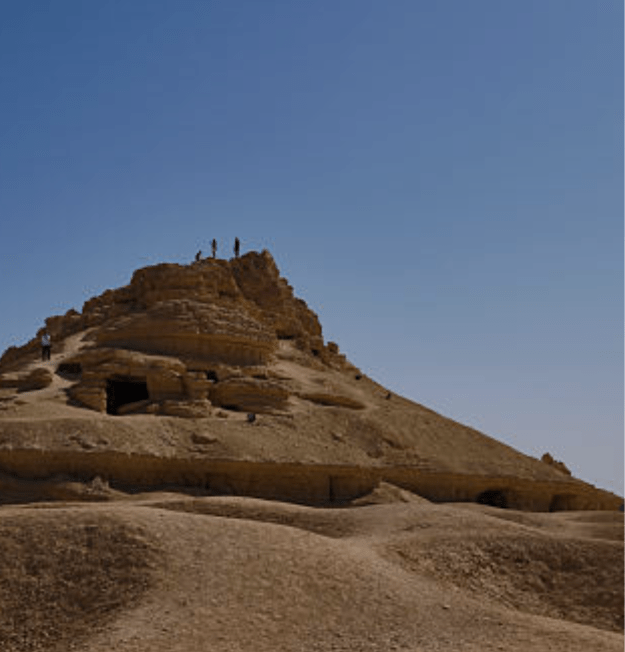
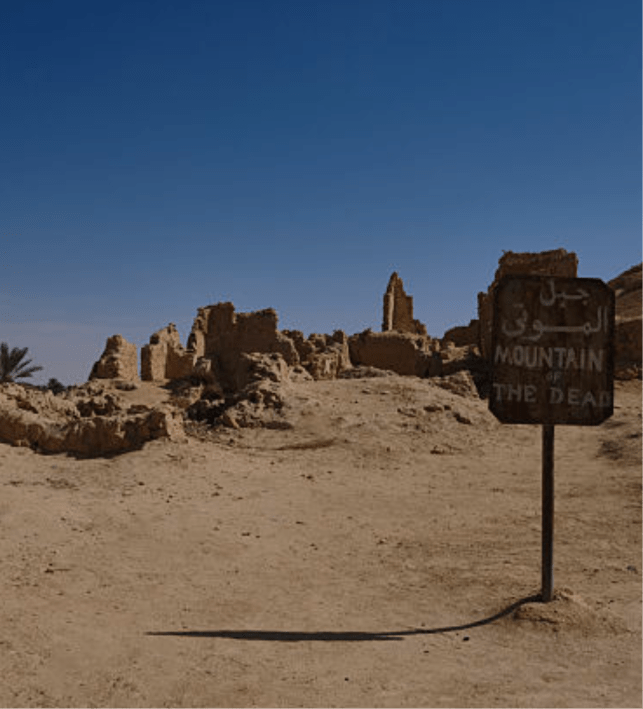
The Mountain of the Dead, known locally as Gebel Al-Mawta, is one of the most fascinating archaeological sites in Siwa Oasis.
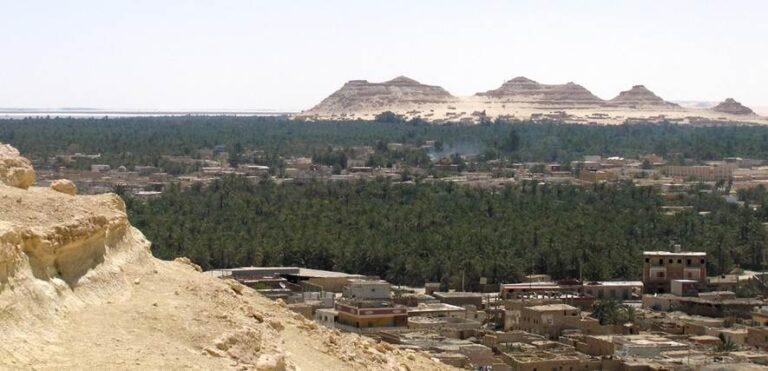
Rising above the surrounding palm groves and salt lakes, this small hill contains hundreds of tombs carved directly into the rock. Unlike Egypt’s famous royal tombs in Luxor, the Mountain of the Dead offers a different perspective on ancient burial traditions, revealing how local elites and wealthy residents of Siwa were laid to rest during the late Pharaonic, Greek, and Roman periods.
For many visitors, the site’s appeal comes from more than its history. Standing among the tomb entrances, looking out across the oasis, it becomes easy to understand why this isolated desert community developed its own unique cultural identity while remaining connected to the wider ancient world.
Expert Insight: Travelers often arrive expecting another tomb complex and leave surprised by how much the surrounding landscape contributes to the experience. The views across Siwa are almost as memorable as the tombs themselves.
History of Gebel Al-Mawta
Gebel Al-Mawta became an important burial site during the Twenty-Sixth Dynasty of ancient Egypt and continued to be used through the Greek and Roman periods.
Its strategic location within Siwa Oasis made it a natural cemetery for local officials, merchants, and prominent families. Over centuries, hundreds of tombs were carved into the hillside, creating a vast necropolis that reflected both local traditions and outside influences.
The site gained renewed attention during World War II when local residents reportedly used some of the tombs as shelter during military activity in the region. This temporary occupation led to the discovery and documentation of several decorated tombs that had previously remained hidden.
Today, Gebel Al-Mawta provides a rare opportunity to see how Egyptian burial customs evolved as Greek and Roman cultural influences became increasingly present throughout the region.
Tombs to Visit
While hundreds of tombs exist within the hillside, only a handful contain significant decorations and remain accessible to visitors.
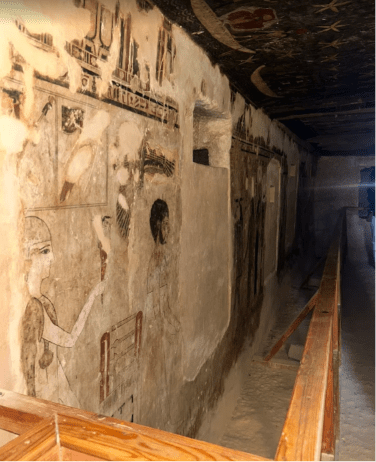
The Tomb of Si-Amun is often considered the most impressive. Its walls contain colorful scenes depicting religious rituals and funerary traditions that remain surprisingly well preserved despite their age.
The Tomb of Mesu-Isis features artwork that reflects the blending of Egyptian and Greco-Roman artistic influences that characterized later periods of Siwan history.
Another notable tomb is the Tomb of Niperpathot, which contains painted scenes and inscriptions that provide insight into the beliefs and customs of the people buried there.
The interiors are relatively small compared to the grand tombs of the Valley of the Kings, but the preserved paintings and intimate atmosphere make them particularly rewarding for visitors interested in ancient history.
Ancient Egyptian, Greek & Roman Influences
One of the most interesting aspects of the Mountain of the Dead is the way multiple civilizations are represented within a single site.
The earliest tombs follow traditional Egyptian religious practices, featuring familiar gods, funerary scenes, and symbolic imagery designed to assist the deceased in the afterlife.
As Greek influence expanded across Egypt following Alexander the Great’s conquest, artistic styles began to change. New decorative elements appeared while traditional Egyptian themes remained important.
Later Roman influence introduced additional cultural layers, creating tombs that reflected a blend of local customs and broader Mediterranean traditions.
The result is a site that illustrates centuries of cultural exchange within one of Egypt’s most isolated regions.
What You’ll See
Visitors approach the site by climbing gentle paths that wind through the hillside.
The landscape immediately feels different from many archaeological sites in Egypt. Palm groves stretch across the oasis below, salt lakes shimmer in the distance, and the desert extends toward the horizon beyond the cultivated land.
Inside the tombs, visitors encounter painted walls, carved chambers, and religious imagery that has survived for more than two thousand years. Some paintings remain remarkably vibrant, particularly within the best-preserved tombs.
Outside, the hill itself becomes part of the experience. The elevated position provides some of the best views in Siwa, especially during the softer light of early morning and late afternoon.
The combination of archaeology and landscape is what makes Gebel Al-Mawta stand out from many of Egypt’s better-known historical sites.
Visitor Tips
The Mountain of the Dead is usually visited as part of a broader Siwa sightseeing day that may also include the Temple of the Oracle, Shali Fortress, and Cleopatra’s Pool.
Morning and late afternoon visits are generally more comfortable because temperatures rise quickly during the middle of the day, particularly between May and September.
Comfortable walking shoes are recommended because the paths can be uneven and rocky in places. Visitors should also carry water and sun protection since shade is limited around much of the site.
Photography is permitted in many areas, but visitors should always follow any current regulations regarding photography inside tombs.
Mountain of the Dead FAQ
Is the Mountain of the Dead worth visiting?
For travelers interested in archaeology, ancient tombs, and Siwa’s unique history, the Mountain of the Dead is one of the oasis’s most rewarding sites.
How long does a visit take?
Most visitors spend between thirty minutes and one hour exploring the accessible tombs and enjoying the surrounding views.
Are the tomb paintings well preserved?
Several of the main tombs contain remarkably well-preserved paintings considering their age, particularly the Tomb of Si-Amun.
Is the Mountain of the Dead suitable for children?
Families can visit the site, although younger children may find the historical significance more difficult to appreciate than attractions such as salt lakes or desert excursions.
When is the best time to visit?
Early morning and late afternoon usually provide the most comfortable temperatures and the best lighting for photography.
Many travelers visit Siwa primarily for its desert landscapes, salt lakes, and relaxation, then overlook one of the oasis’s most important historical sites. Explore Egyptian Nile Adventures helps travelers experience both sides of Siwa by combining its natural beauty with the archaeological and cultural landmarks that reveal the oasis’s remarkable past. Before finalizing your Siwa itinerary, compare options that balance history, scenery, and local culture rather than focusing on only one aspect of the experience.