What to Pack for Siwa Oasis: Desert, Salt Lakes & Springs
Packing for Siwa is not about bringing more gear than the rest of Egypt. It is about bringing the few things that make a remote desert destination easier: protection from sun and dust, clothing for large temperature swings, swim gear for salt lakes and springs, and enough personal essentials that you do not have to depend on finding an exact replacement in a small oasis town. Experience Egypt’s official Siwa Oasis overview is useful destination context because it highlights the salt lakes, hot springs and Great Sand Sea conditions that drive several of the packing choices below.
For the broader Egypt packing foundation, use What to Pack for Egypt. This guide focuses only on what changes in Siwa.
Start With the Transfer Day
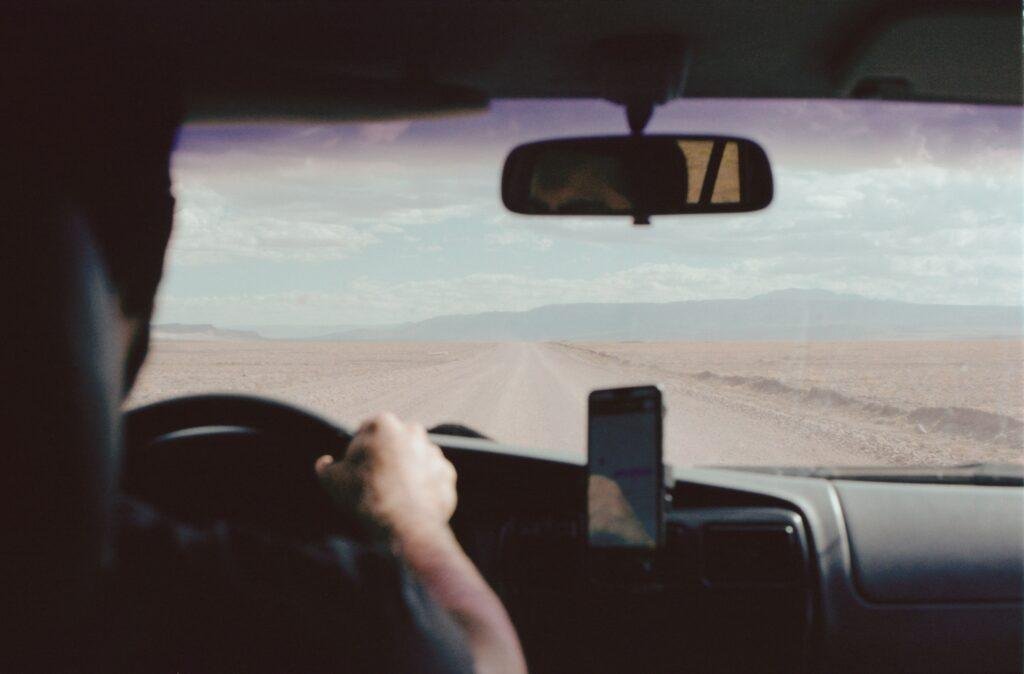
The road from Cairo takes most of a day, so keep a small travel bag accessible rather than burying everything in the luggage compartment.
Useful transfer-day items include water, snacks, tissues, medication, a power bank, charging cable, sunglasses, a light layer and anything you need for comfort during several hours in the vehicle.
The transfer from Cairo should be treated as a dedicated travel day, so keep the items you need for the road accessible rather than buried in checked luggage.
Clothing for Siwa
Lightweight, breathable clothing works well for daytime sightseeing, but Siwa is more conservative and locally rooted than a Red Sea resort. Clothing that covers shoulders and reaches at least around the knee is a comfortable default in town and at cultural sites.
You do not need to dress formally. Loose trousers, long skirts, breathable shirts and practical tops work well.
For clothing, pack modest lightweight options for local neighborhoods and religious sites as well as practical layers for desert conditions.
A Warm Layer for Desert Evenings
Travelers often underestimate how cool the Western Desert can feel after sunset, especially in winter.
Pack a fleece, sweater or light jacket during cooler months. If you are doing a sunset Great Sand Sea excursion, keep it in the vehicle even when the afternoon begins warm.
Shoes
Bring comfortable walking shoes with good grip for Shali Fortress, the Temple of the Oracle and the Mountain of the Dead. Uneven stone, steps, dusty paths and rough surfaces matter more than fashion.
Sandals or water shoes are useful for springs and salt-lake visits. The salt around some pools can be sharp, so barefoot entry is not always comfortable.
Salt Lakes: What You Actually Need
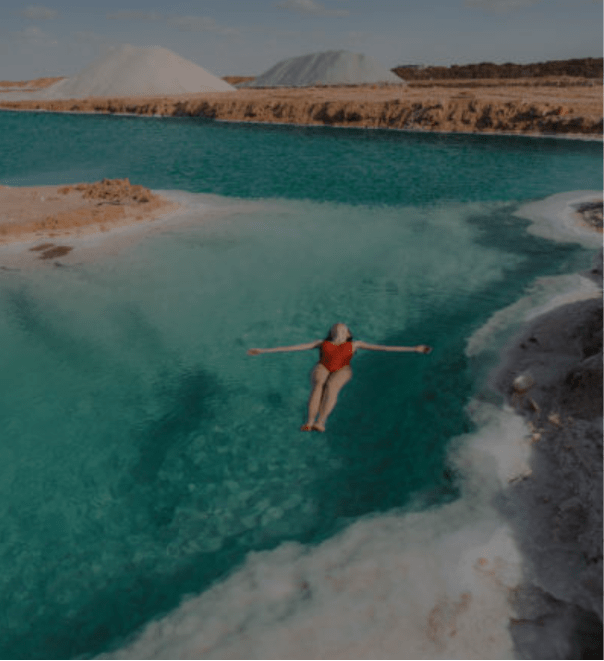
Bring swimwear, a towel, sandals or water shoes, a dry change of clothes and something simple to carry wet items afterward.
The most important practical detail is freshwater rinsing. Highly saline water dries quickly on skin and clothing, and even tiny cuts can sting. Protect your eyes from splashes and avoid shaving immediately before swimming if you are prone to irritation.
See the Siwa Salt Lakes Guide for the full visitor advice.
Cleopatra Spring and Other Freshwater Stops
The same swimwear and towel work for freshwater springs. Changing facilities can be basic, so a lightweight cover-up or quick-dry layer is useful.
The Cleopatra Spring Guide explains what the setting is actually like and why the visit works best as part of a full Siwa day.
Sun Protection
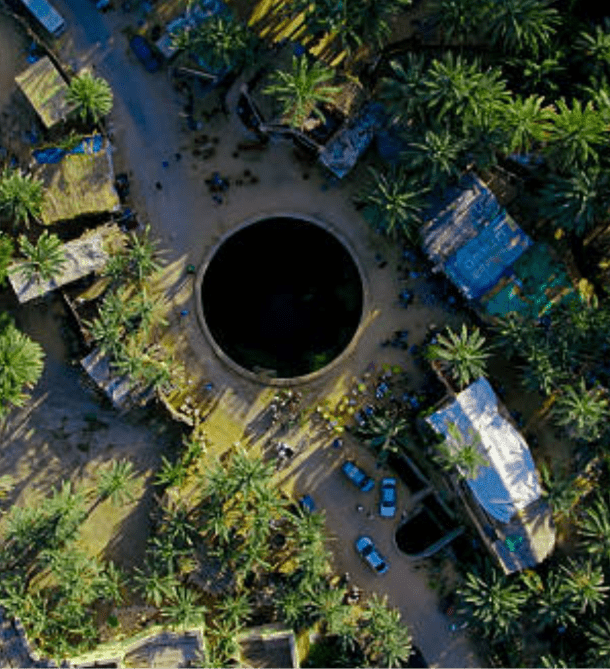
Siwa’s open landscapes create long sun exposure even when the air temperature feels manageable.
Pack high-SPF sunscreen, sunglasses, a hat that will stay on in wind, lip balm and a refillable bottle if you have reliable safe refilling. Otherwise, sealed bottled water is easy to carry during touring.
A lightweight long-sleeved shirt is useful for both sun and dust.
Great Sand Sea Gear
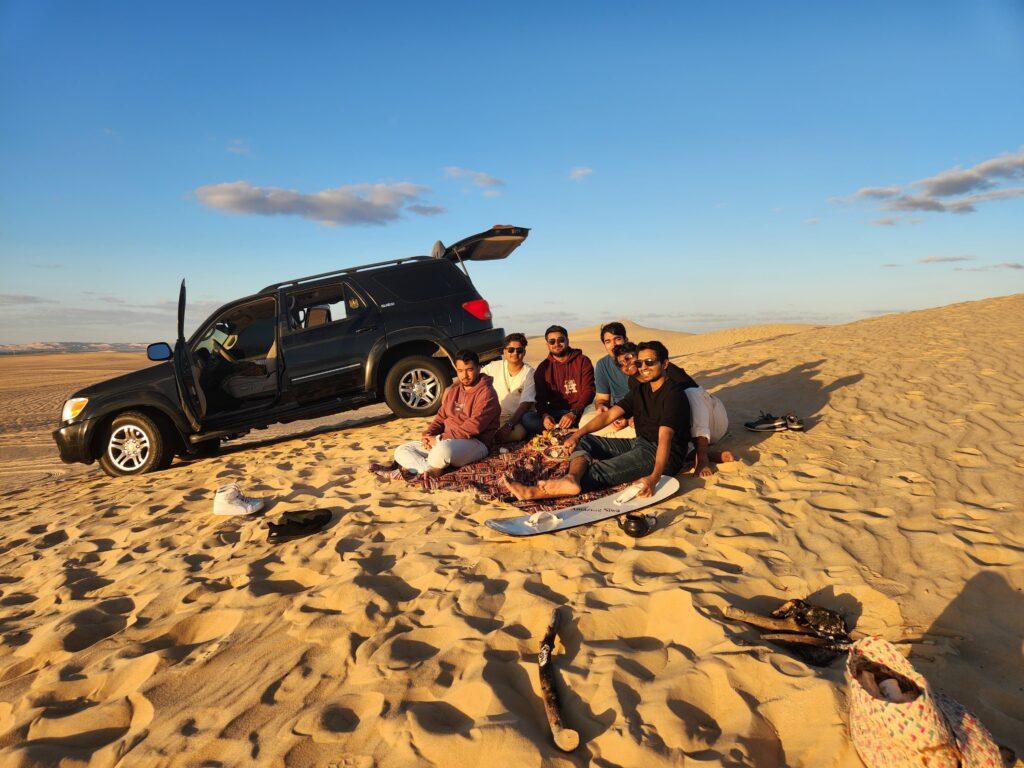
For a desert safari, add a scarf or lightweight cloth for dust, closed shoes or secure sandals, a layer for sunset and protection for electronics.
Do not carry unnecessary loose items into the dunes. Sand gets into open bags, camera cases and phone ports quickly.
If you use a camera, keep a lens cloth and avoid changing lenses during windy conditions whenever possible.
For a Great Sand Sea day, prioritize sun protection, secure footwear, a light layer for later in the day and protection for electronics from sand.
Medication and Personal Essentials
Bring enough prescription medication for the full trip plus a reasonable buffer. Keep it in original packaging when possible and carry any documentation needed for controlled medicines.
Siwa has pharmacies and shops, but the destination is remote. If you depend on a particular contact-lens solution, allergy product, specialized skincare item or medical supply, bring it from Cairo rather than assuming the exact brand will be available.
A compact first-aid kit can include bandages, antiseptic wipes, blister care, oral rehydration products, the pain/fever medication you normally use and any personal allergy medication.
Electronics
Bring your normal Egypt power adapter setup, charging cables and a power bank.
Wi-Fi and mobile service can vary by property and location. Download maps, confirmations, reading material and entertainment before leaving Cairo rather than relying on uninterrupted connectivity.
Cash and Payments
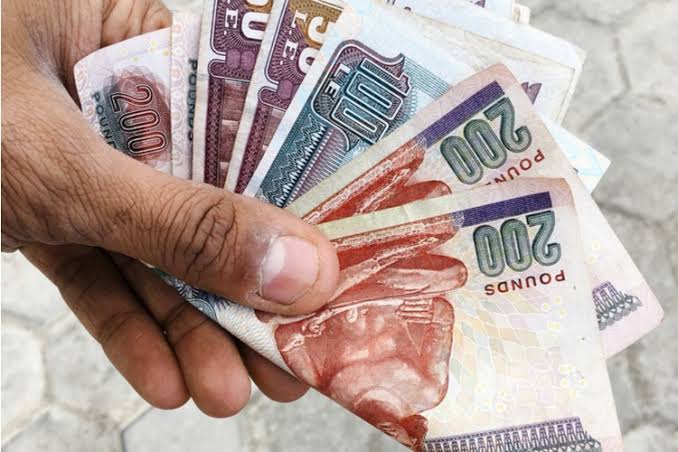
Carry some cash for small purchases, cafés, local crafts and situations where card payment is not available.
Do not carry the entire trip budget in one place. Split cash and keep larger amounts controlled securely.
Photography Gear
Siwa is exceptionally photogenic, but respect matters. Ask before photographing people closely, especially in markets, villages and family settings.
For landscape photography, a small cloth for dust and a spare battery or power bank are more useful than overpacking a heavy kit.
What Not to Overpack
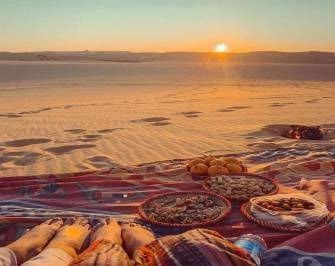
Do not bring expedition-level desert gear for a standard Siwa itinerary. You are not independently crossing the Sahara.
Bulky trekking equipment, excessive food, multiple heavy shoes and large amounts of bottled water from Cairo add luggage without improving the trip.
A good local operator supplies the vehicle and activity-specific support for the Great Sand Sea. Your job is to arrive with practical personal gear.
A Simple Siwa Day Bag
Water
Hat
Sunscreen
Sunglasses
Tissues / hand sanitizer
Phone / camera
Power bank
Medication you may need that day
Small amount of cash
Light layer when sunset or air-conditioned transport is involved
Swimwear / towel only on water-focused days
Frequently Asked Questions
Do I need hiking boots for Siwa?
No. Comfortable walking shoes with good grip are enough for most standard sightseeing.
Should I bring water shoes for the salt lakes?
They can be very helpful because sharp salt formations may make barefoot entry uncomfortable.
Do I need warm clothes?
Yes in cooler months, particularly for evenings and desert sunset excursions.
Can I buy sunscreen and toiletries in Siwa?
Basic items are available, but bring anything brand-specific or medically important from Cairo.
Should women cover their hair in Siwa?
A headscarf is not generally required for ordinary sightseeing. Dress modestly and follow any specific rules at religious settings.
Do I need special desert clothing?
No. Breathable clothing, sun protection, secure footwear and a dust layer are more useful than specialized expedition clothing.
Pack for Three Different Environments
A Siwa trip moves between town, water and open desert. Pack for those three realities rather than packing for an imagined expedition.
Use How Many Days Do You Need in Siwa Oasis? to see which days need swim or desert gear, and adjust layers and sun protection to the season immediately before departure.
Packed for Siwa? Now Plan the Journey.
Explore ENA’s Siwa: Egypt’s Hidden Oasis private itinerary to see how the road journey, salt lakes, ancient sites and Great Sand Sea fit into a five-day private trip.