What to Wear in Egypt: Practical Clothing Tips for Travelers
Most travelers worry about clothing in Egypt for the wrong reasons.
The bigger issue is usually not strict dress rules—it is comfort, heat, sun exposure, and understanding how different environments in Egypt feel throughout the day. Clothing that works perfectly at a Red Sea resort can feel uncomfortable in Islamic Cairo, while heavy casual clothes that seem practical at home quickly become exhausting in Luxor heat.
Egypt rewards lightweight, breathable, practical clothing far more than overly styled travel outfits. Travelers who dress for the climate and pace of the country almost always feel more comfortable than those trying to plan around rigid assumptions about what is “allowed.”
The key is understanding that Egypt changes constantly depending on where you are. A Nile cruise deck at sunset, a mosque in Cairo, and the Valley of the Kings at midday all feel completely different physically and socially.
Expert Insight: Travelers who pack for heat management rather than fashion usually enjoy Egypt far more. Sun exposure and walking affect daily comfort much more than strict cultural dress expectations.
Egypt Is Hotter and More Physically Exposed Than Many Travelers Expect
One of the biggest surprises for first-time visitors is how intense the sun feels during long sightseeing days.
In Luxor and Aswan especially, the combination of dry air, reflected heat from stone surfaces, and limited shade becomes exhausting quickly. Even travelers who are comfortable in warm climates often realize within the first few hours that heavy fabrics or tight clothing become uncomfortable fast.
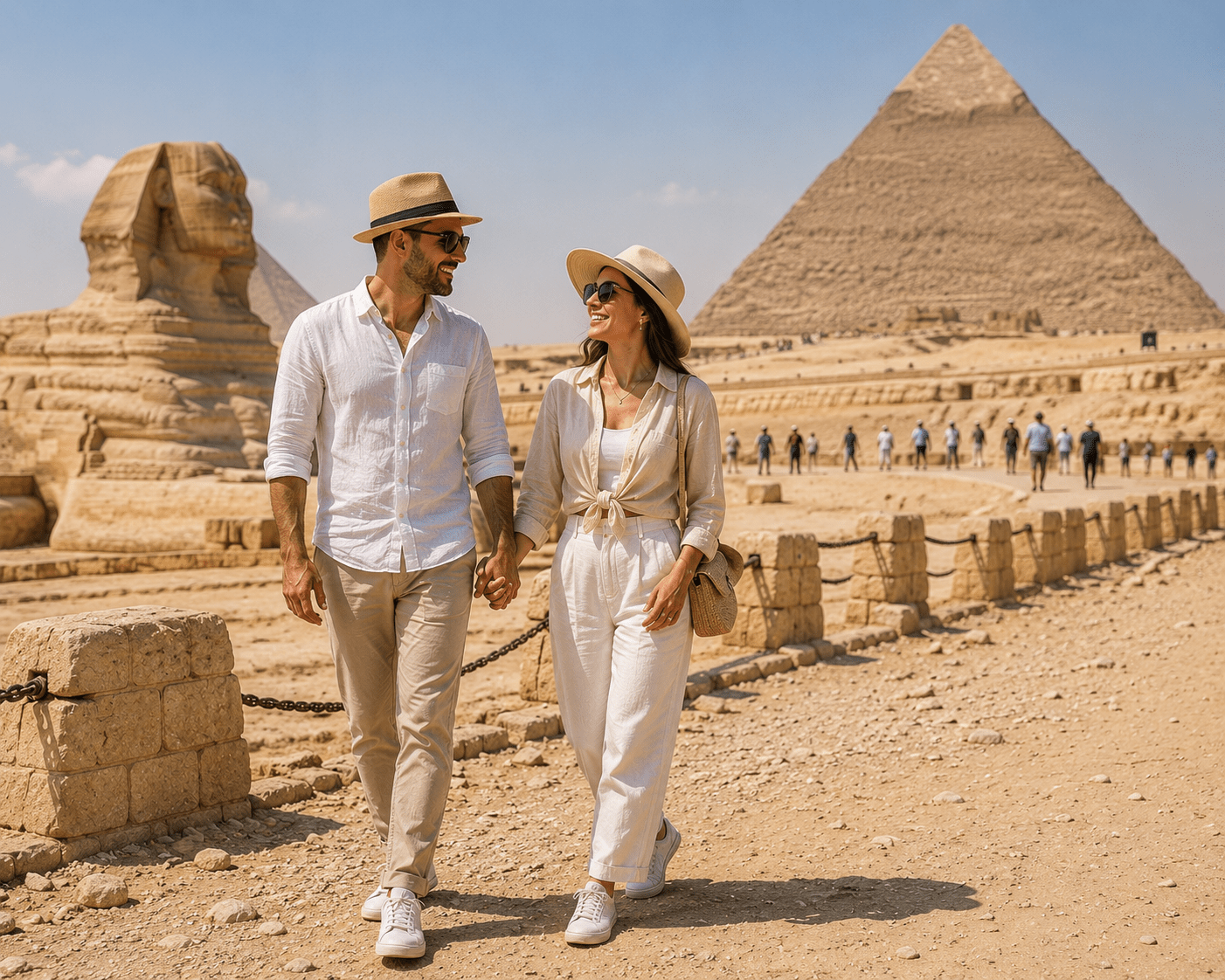
Loose, breathable clothing works best almost everywhere in Egypt.
Lightweight linen, moisture-wicking fabrics, and relaxed long sleeves usually feel far better than thick cotton or heavy travel clothing once temperatures rise later in the morning. Long sleeves also help protect against direct sun exposure during temple visits where shade is limited.
This becomes especially important at sites like:
- Karnak Temple
- the Valley of the Kings
- Abu Simbel
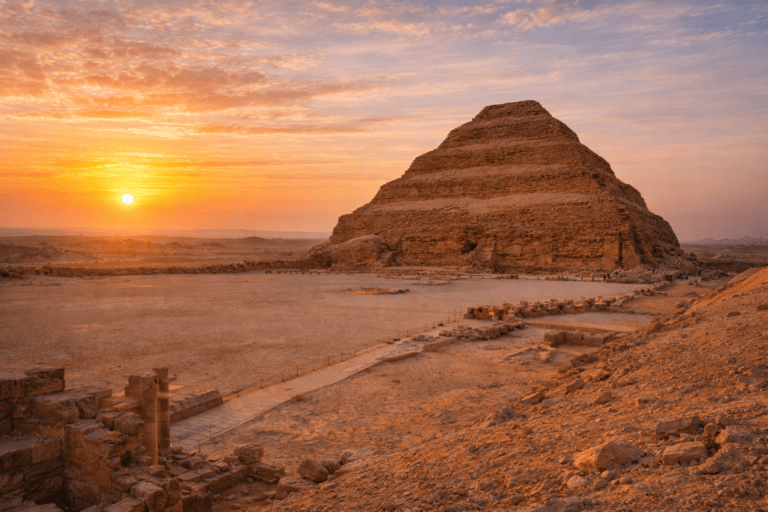
- the Pyramids of Giza
where visitors often spend hours outdoors with very little protection from the sun.
Cairo, Temples, and Resorts All Feel Different
There is no single dress code for Egypt because the atmosphere changes dramatically depending on location.
In beach resorts like Hurghada and Sharm El Sheikh, international resort clothing is completely normal inside hotels and tourist areas. Swimwear, summer dresses, and casual resort clothing are common around pools and beaches.
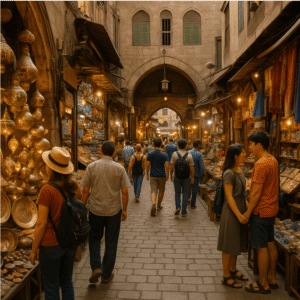
Cairo feels more mixed. In tourist-heavy areas, travelers wear a wide range of clothing comfortably. At the same time, Egypt remains socially conservative in many local neighborhoods, markets, and religious areas, where more modest clothing generally feels more appropriate and attracts less attention. Travelers visiting different parts of Egypt can also review Egypt’s official travel tips and local guidance before deciding what to pack.
Temple sites are less about modesty and more about practicality. The biggest challenge there is managing heat, walking distances, and physical comfort throughout the day.
Articles like Egypt Cultural Etiquette Every Traveler Should Know become especially useful once travelers understand how much environment affects clothing choices throughout Egypt.
Comfortable Shoes Matter More Than Most Travelers Expect
Egypt is not a high-heels destination.
Many archaeological sites involve uneven stone flooring, sandy paths, staircases, and far more walking than travelers anticipate beforehand. Even shorter sightseeing days often include hours on foot between museums, temples, tombs, and transportation areas.
The best footwear for Egypt is usually:
- lightweight
- breathable
- supportive enough for long walking days
Athletic shoes, walking shoes, or comfortable sandals with proper support tend to work much better than fashion-focused footwear.
This becomes especially noticeable in Luxor, where temple complexes are much larger in person than they appear in photographs.
Guide’s Note: Travelers often focus heavily on what clothing to pack for Egypt while underestimating how important footwear becomes by the middle of the trip.
Mosques and Religious Sites Require More Modesty
Mosques are one of the few places in Egypt where clothing expectations become more important.
Visitors entering mosques should expect to dress more conservatively than they would at archaeological sites or resorts. Knees and shoulders should generally remain covered, and women may need a scarf or head covering depending on the mosque and timing of the visit.
Shoes are also removed before entering prayer areas.
Most travelers do not need special outfits specifically for mosques. Lightweight clothing that already works for Egypt’s climate usually works well for religious sites too.
The key is respectful presentation rather than strict perfection.
Evenings Can FeeEvenings Can Feel Cooler Than Travelers Expect
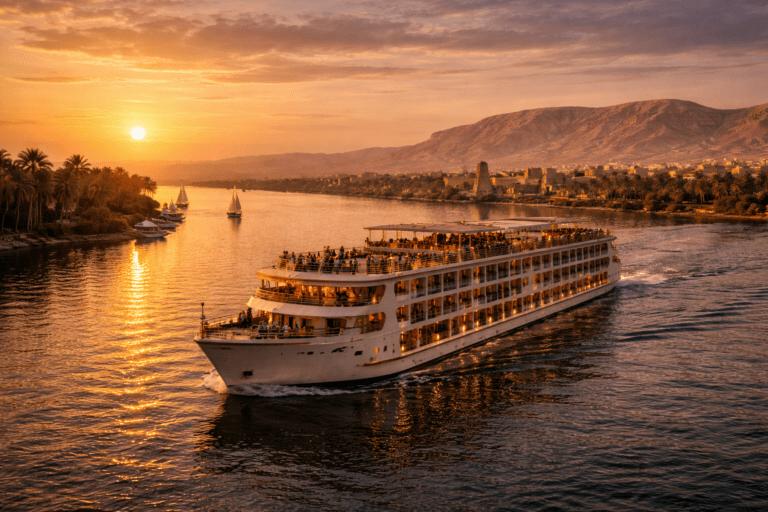
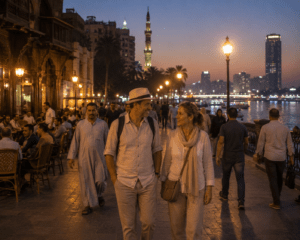
While Egypt is known for heat, evenings can feel surprisingly cool once the sun disappears, especially during winter months or while sitting on the upper deck of a Nile cruise. This temperature shift becomes most noticeable along the Nile, in desert regions, during winter evenings in Cairo, and early in the morning before sightseeing departures begin.
A light jacket, overshirt, or thin sweater is usually enough, but travelers who pack only for extreme daytime heat often feel underprepared after sunset. The contrast between daytime temperatures and cooler evenings feels strongest between December and February.
Overpacking Usually Makes Egypt Harder
Many travelers bring far too much clothing to Egypt.
In practice, most sightseeing days revolve around the same basic needs: lightweight clothing that handles heat well, comfortable shoes for long walking days, reliable sun protection, and breathable layers that work from early mornings through cooler evenings.
Large heavy suitcases quickly become frustrating during airport transfers, Nile cruise boarding, train movement, and hotel changes between cities. Egypt generally feels much easier with lighter, simpler packing than most travelers expect before arriving.
The Best Clothing Choices Are the Ones You Stop Thinking About
The strongest clothing strategy for Egypt is not trying to “dress like Egypt.” It is dressing in a way that allows you to move comfortably through very different environments without constantly adjusting.
When clothing works well in Egypt, travelers stop noticing it entirely. They focus on the temples, the Nile, the atmosphere, and the experience itself instead of the heat, discomfort, or feeling overdressed or underprepared.
That balance matters much more than following rigid packing formulas.
Articles like Egypt Travel Tips First-Time Visitors Actually Need and What Visiting the Pyramids Is Really Like become especially helpful once travelers understand how physically demanding sightseeing days in Egypt can actually feel.
FAQ: What to Wear in Egypt
Do tourists need to dress conservatively in Egypt?
Tourists are not expected to follow strict dress rules everywhere, but lightweight modest clothing generally feels more comfortable and appropriate outside resorts and beach areas.
Can women wear shorts in Egypt?
Women do wear shorts in some tourist and resort areas, but longer lightweight clothing usually attracts less attention and works better for sun protection during sightseeing days.
What shoes are best for Egypt?
Comfortable walking shoes or supportive sandals work best because most travelers spend far more time walking than expected at archaeological sites.
Is Egypt too hot for long sleeves?
Lightweight long sleeves are often more comfortable than short sleeves because they help protect against direct sun exposure during long outdoor visits.
What should you wear on a Nile cruise?
Nile cruise clothing is generally casual and comfortable during the day, with slightly smarter casual clothing common during dinners and evenings onboard.
Many travelers become uncomfortable in Egypt not because they packed the “wrong” style, but because they underestimated the heat, walking, and physical pace of the trip itself.
Explore Egyptian Nile Adventures helps travelers prepare for Egypt based on real conditions on the ground—from temple heat and Nile cruise evenings to realistic sightseeing pacing—so the trip feels comfortable from the beginning instead of reactive after arrival.
See Egypt itineraries designed around how travelers actually experience Egypt day to day, not just how destinations appear online.