Best Things to Do in Siwa
Siwa Oasis feels unlike anywhere else in Egypt.
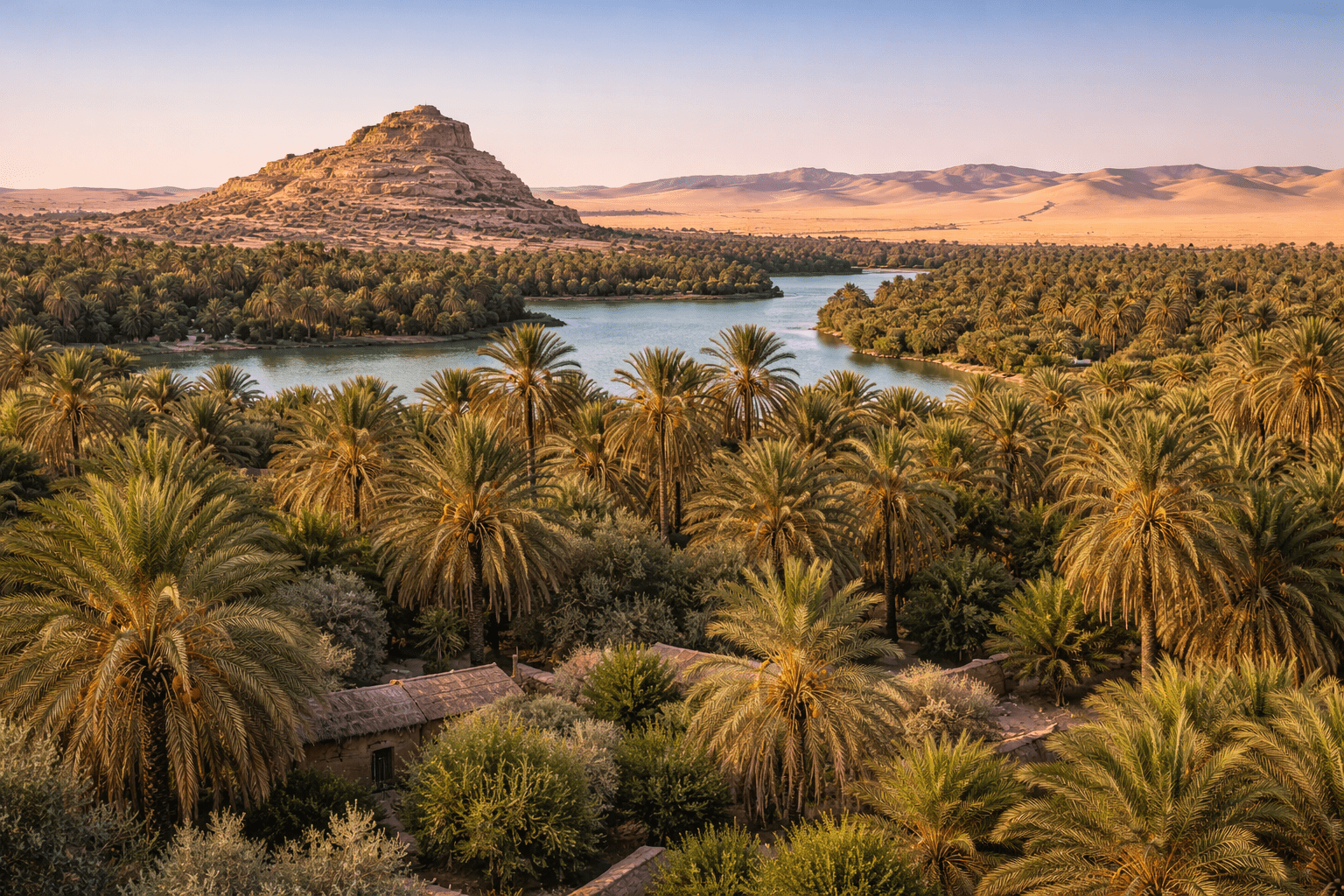
Hidden deep within Egypt’s Western Desert near the Libyan border, Siwa offers a completely different experience from Cairo, Luxor, or Aswan. Ancient temples give way to palm groves, crystal-clear salt lakes replace the Nile, and centuries-old mud-brick villages sit beside vast sand dunes that stretch to the horizon.
For many travelers, Siwa becomes the most surprising destination in Egypt. Life moves at a slower pace, the landscapes are dramatically different, and the oasis preserves a unique culture shaped by centuries of isolation. Whether you’re interested in history, adventure, photography, or simply escaping the crowds, Siwa rewards visitors willing to venture beyond Egypt’s traditional tourist route.
Expert Insight: Siwa isn’t a destination you rush through. Most travelers who only spend one night leave wishing they had stayed longer. Siwa needs more time than its attraction count suggests because the road from Cairo consumes most of a day in each direction. For most first-time visitors, a five-day / four-night trip protects three complete sightseeing days in the oasis. Four days can work as a compressed version; three days leaves only one useful sightseeing day.’
For those wanting more information check out our guide: How Many Days Do You Need in Siwa Oasis?
Why Visit Siwa?
Siwa offers an entirely different perspective on Egypt.
Instead of monumental temples and busy cities, you’ll discover freshwater springs, shimmering salt lakes, ancient mud-brick fortresses, quiet date palm groves, and one of the largest sand seas on Earth. The oasis has preserved its own traditions, language, architecture, and way of life, creating an experience that feels distinct from every other region in the country.
Its remote location has helped maintain that character. Reaching Siwa takes time, but that journey is part of what makes arriving here so rewarding.
For the complete planning framework – including the Cairo journey, trip length, accommodation, packing and independent travel – start with our Siwa Oasis Egypt Travel Guide.
Explore Shali Fortress
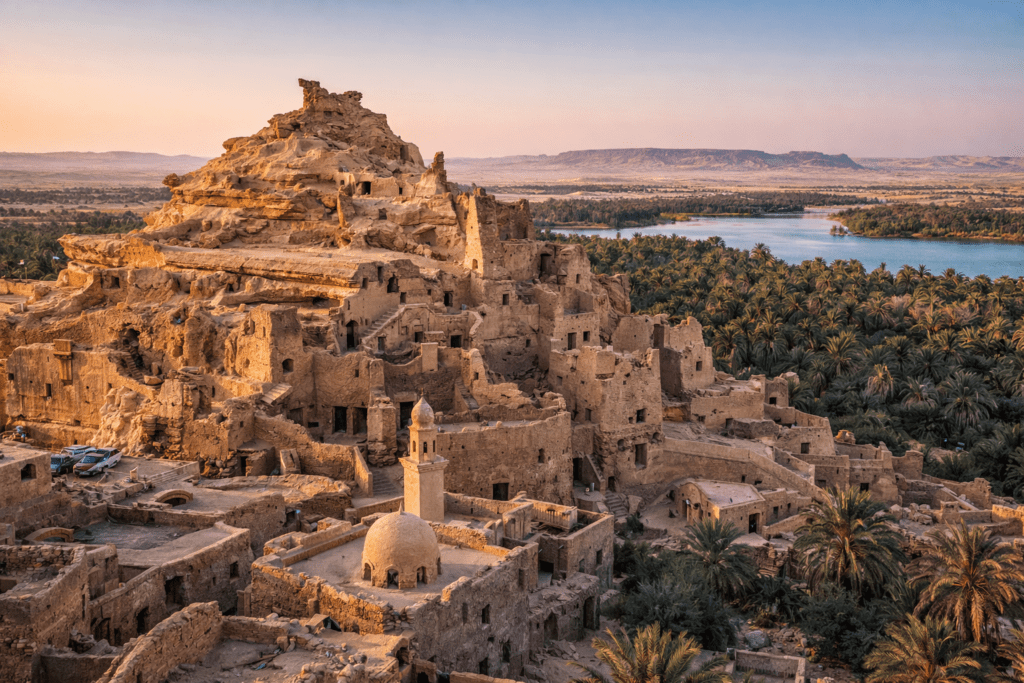
Standing above the center of Siwa, Shali Fortress has overlooked the oasis for more than 700 years.
Built from traditional kershef—a mixture of salt, mud, and clay—the fortress once protected the entire community from raids while serving as the heart of daily life. Today, restored pathways lead visitors through narrow alleyways and up to panoramic viewpoints overlooking palm groves, salt lakes, and the surrounding desert.
Late afternoon is the best time to visit, when softer light brings warmth to the fortress walls and temperatures become more comfortable for climbing.
For the fortress history, kershef architecture, restoration and best viewpoints, see our Shali Fortress Guide.
Visit the Mountain of the Dead
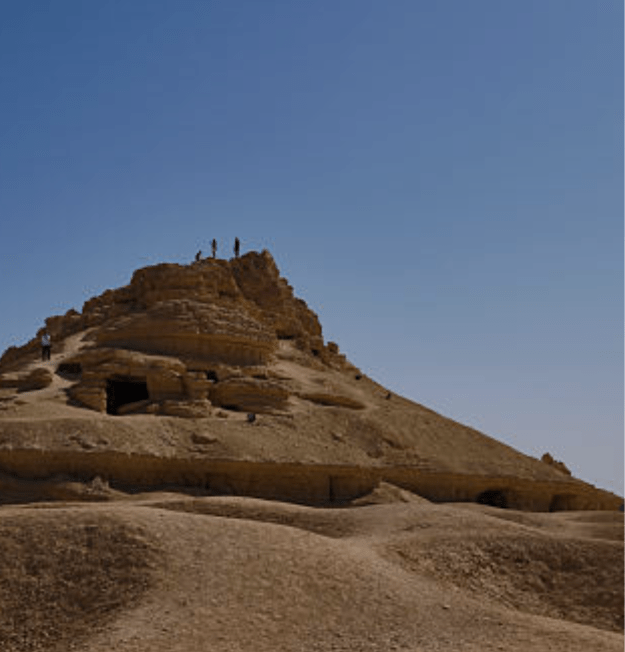
Just outside the town center lies the Mountain of the Dead (Gebel Al-Mawta), one of Siwa’s most important archaeological sites.
Hundreds of tombs were carved into this rocky hill during the Late Pharaonic, Greek, and Roman periods. Several remain open to visitors, revealing remarkably preserved wall paintings that blend Egyptian, Greek, and Roman artistic traditions.
The elevated location also provides beautiful views across the oasis, making it worth visiting for both its history and scenery.
For the tombs, historical periods, access and what to look for inside, see the Mountain of the Dead Guide.
Swim in Cleopatra Spring
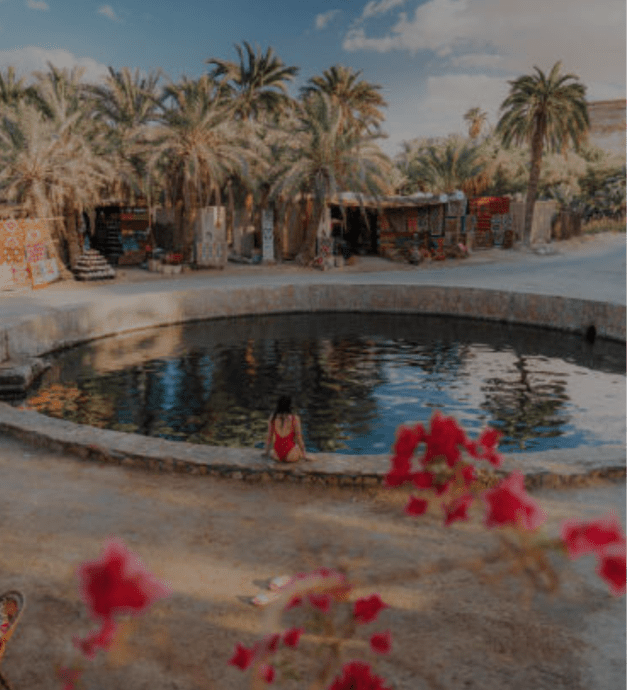
One of Siwa’s most famous attractions is Cleopatra Spring, a natural freshwater pool surrounded by palm trees and cafés.
Although there is no historical evidence that Cleopatra herself visited the spring, the legend has endured for centuries and continues to attract visitors from around the world.
After a morning exploring archaeological sites, the cool water provides welcome relief from the desert heat. Many travelers spend time relaxing beside the spring with fresh fruit juice before continuing to other attractions around the oasis.
Our Cleopatra Spring Guide explains the legend, swimming conditions and what the site is actually like.
Float in the Salt Lakes
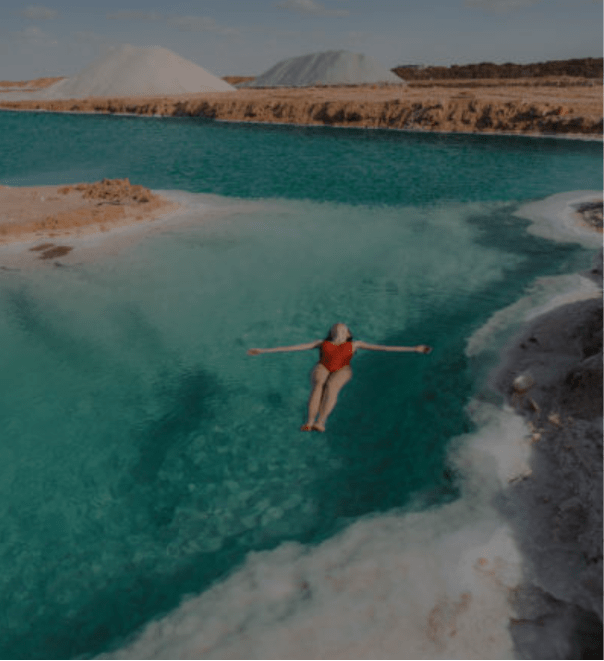
The salt lakes are among Siwa’s most unforgettable natural attractions.
Their extraordinarily high salt concentration allows visitors to float effortlessly on the surface, creating an experience often compared to the Dead Sea. The crystal-clear turquoise water contrasts beautifully with the white salt formations surrounding each lake, making them some of the most photogenic locations in the oasis.
Morning visits usually offer the calmest water and the best lighting for photography.
Guide’s Note: Avoid shaving or entering the lakes with fresh cuts, as the high salt concentration can cause significant discomfort.
Before swimming, read the Siwa Salt Lakes Guide for eye protection, sharp salt edges, rinsing afterward and realistic visitor tips.
Discover the Temple of the Oracle
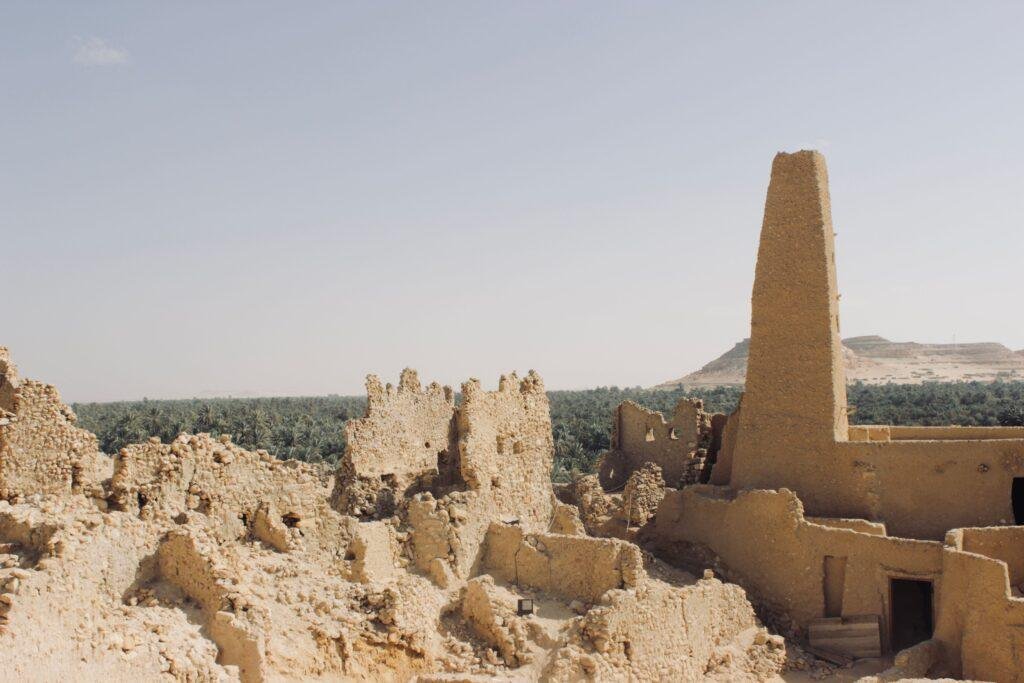
The Temple of the Oracle of Amun is one of Egypt’s most historically significant sites.
According to ancient accounts, Alexander the Great traveled to Siwa in 331 BC to consult the famous oracle, who is believed to have recognized him as the son of Zeus-Ammon. That declaration strengthened Alexander’s claim to rule Egypt and became one of the defining moments of his reign.
Although only portions of the temple remain today, its historical importance far outweighs its size.
For the Alexander the Great story, what the oracle represented and what survives at Aghurmi today, see the Temple of the Oracle of Amun Guide.
Experience the Great Sand Sea
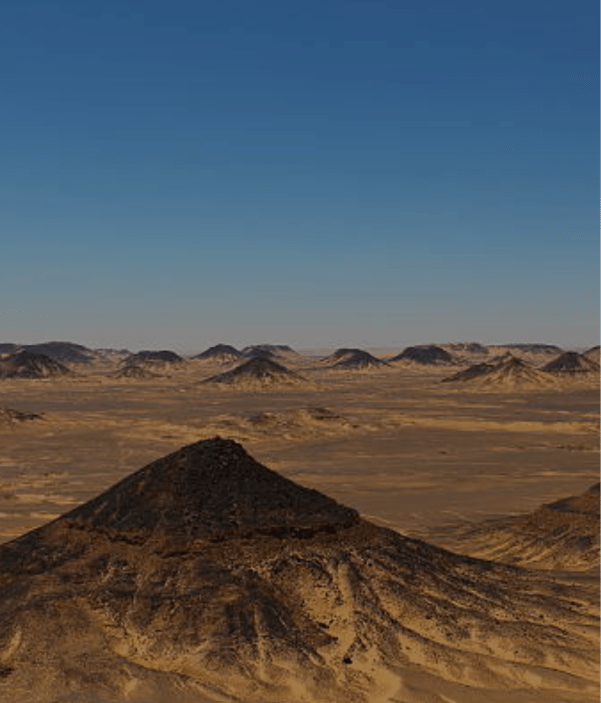
Beyond the oasis lies one of the world’s largest continuous sand deserts.
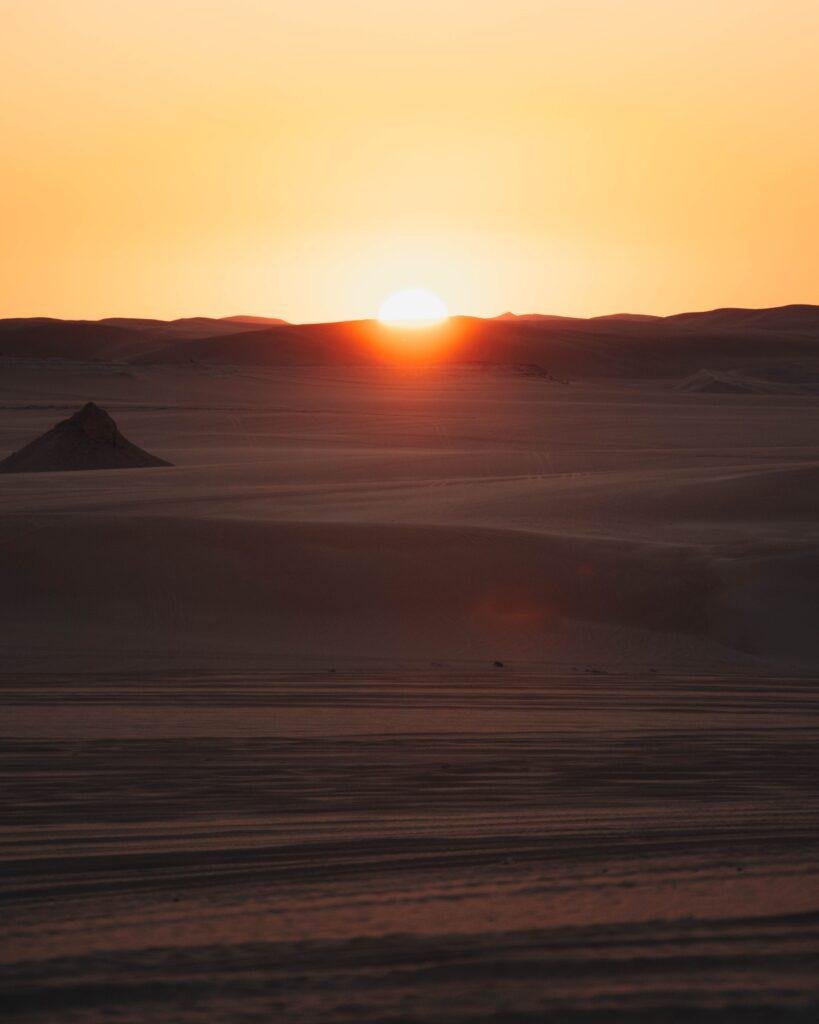
The Great Sand Sea offers some of Egypt’s best adventure experiences, including 4×4 dune driving, sandboarding, fossil hunting, natural hot springs, and spectacular desert sunsets.
Most excursions begin during the afternoon and continue until sunset, when the changing light transforms the dunes into shades of gold, orange, and deep red.
For many travelers, this desert adventure becomes the highlight of their visit to Siwa.
For 4×4 access, sandboarding, desert springs, timing and what a full excursion involves, see Great Sand Sea From Siwa.
Relax at Fatnas Island
Fatnas Island is one of the best places in Siwa to slow down and appreciate the oasis itself.
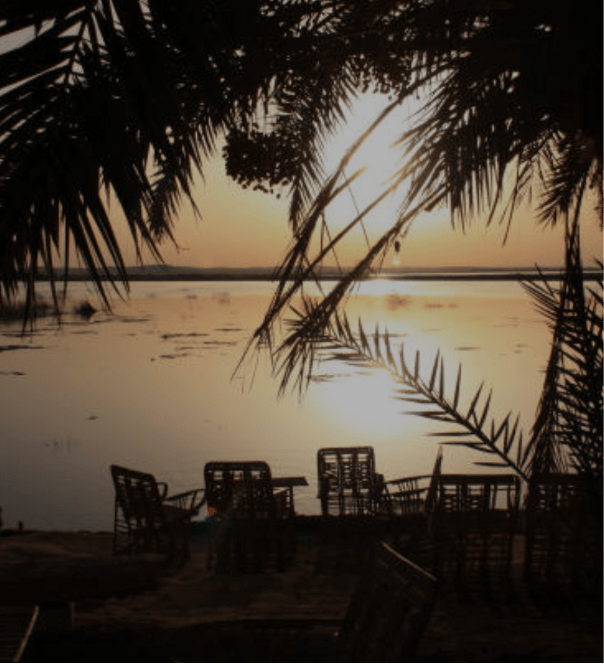
Surrounded by palm trees and overlooking a tranquil salt lake, the small peninsula is particularly popular at sunset when the surrounding water reflects the changing colors of the sky.
Many visitors stop for tea or fresh juice while watching the sun disappear behind the desert hills, making it one of the most peaceful experiences in the oasis.
Suggested Itineraries
The attractions are easier to enjoy when they are grouped by experience rather than squeezed into one marathon day. Use our How Many Days Do You Need in Siwa Oasis? guide to compare 3-, 4-, 5- and 6-day routes. The five-day version remains our recommended first-trip structure because it leaves three full days in the oasis between the Cairo transfers.
Where to Stay
Most accommodation is concentrated near Siwa town, providing convenient access to the oasis’s main attractions while remaining close to restaurants, cafés, and local markets.
For location, accommodation style and what to verify before booking, see Where to Stay in Siwa.
Best Things to Do in Siwa FAQ
How many days should you spend in Siwa?
Two to three days provides enough time to experience the oasis, visit its historical sites, swim in the salt lakes, and enjoy a desert safari without feeling rushed. For those wanting more information check out our guide: How Many Days Do You Need in Siwa Oasis?
Is Siwa worth visiting?
Siwa is one of Egypt’s most unique destinations, offering a combination of history, natural landscapes, local culture, and desert adventures that cannot be found elsewhere in the country.
Can you swim in the salt lakes?
Swimming is allowed, and floating is one of the most popular experiences because of the exceptionally high salt concentration.
When is the best time to visit Siwa?
October through April generally offers the most comfortable temperatures for sightseeing and desert excursions. For those wanting more information check out our guide: Best Time to Visit Siwa Oasis
Is Siwa suitable for families?
Families who enjoy nature, history, and outdoor activities often find Siwa an excellent destination, although the long journey to reach the oasis may be challenging for younger children.
Many travelers overlook Siwa because of its remote location, only to discover afterward that they’ve missed one of Egypt’s most distinctive destinations. Explore Egyptian Nile Adventures designs Siwa itineraries that combine the oasis’s historic landmarks, natural springs, salt lakes, and desert adventures into a balanced experience that reveals far more than any single attraction could on its own. Siwa is most rewarding when the oasis is treated as a destination rather than a fast collection of stops.