What Visiting the Pyramids Is Really Like
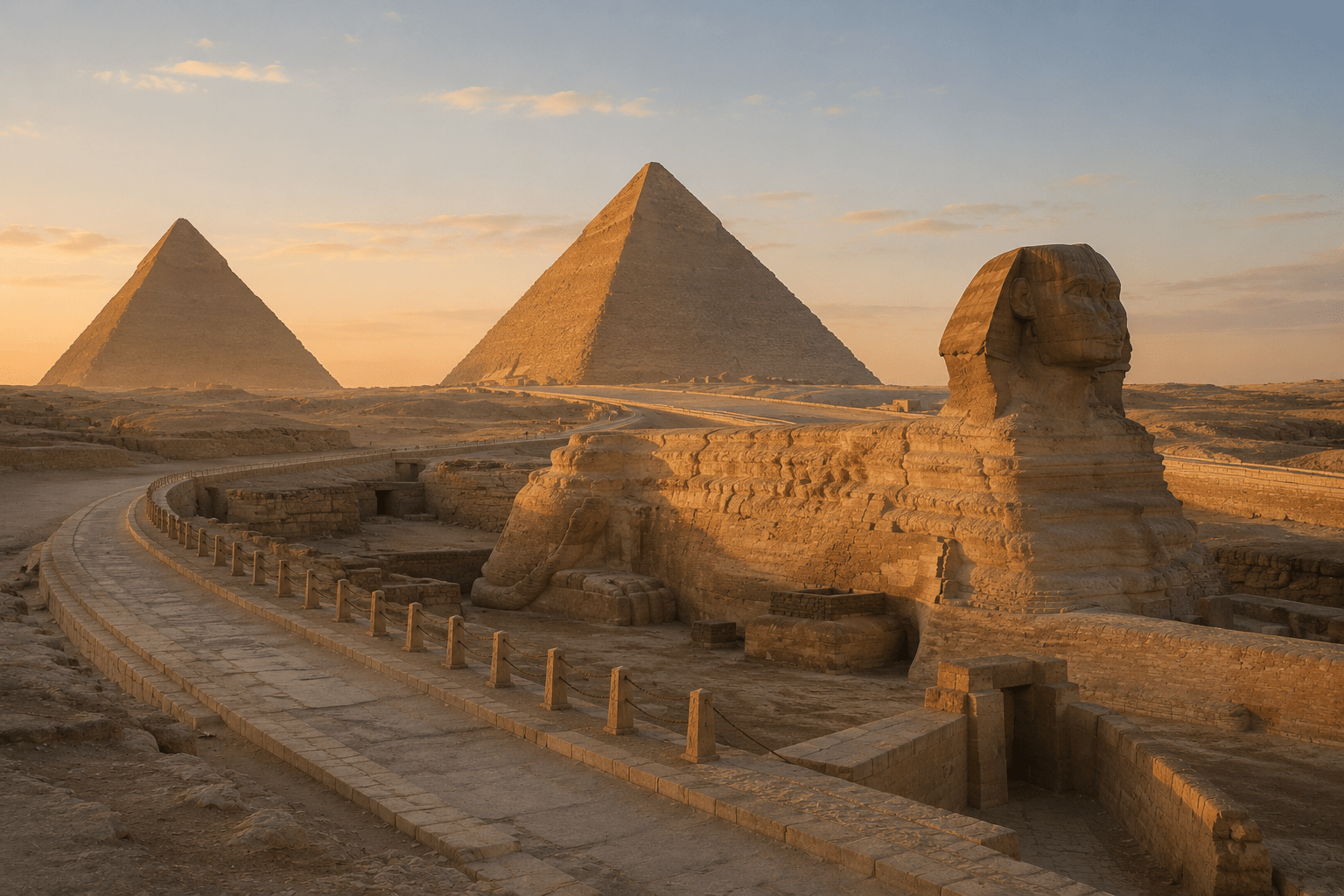
Most travelers arrive at the Pyramids of Giza expecting a quiet desert monument. What they actually find is something much more layered: enormous ancient structures rising beside one of the world’s busiest cities, surrounded by tour buses, desert heat, security gates, panoramic viewpoints, and far more physical movement than photos suggest.
The pyramids are not difficult to visit, but they feel very different in person than they do online. The scale is larger, the plateau is wider, the heat is stronger, and the experience changes dramatically depending on timing. Travelers who arrive expecting a calm postcard scene often leave feeling overwhelmed. Travelers who understand how the site actually flows usually enjoy it far more.
The pyramids reward pacing. They are at their best when there is enough time to move beyond the crowded entrance areas, adjust to the scale of the plateau, and experience how the atmosphere changes across the site itself.
Expert Insight: Most travelers underestimate two things at Giza: the physical exposure and the size of the plateau. The experience becomes much smoother once you stop treating it like a quick photo stop and start treating it like a large archaeological site.
The Pyramids Are Not Isolated From Cairo
One of the biggest surprises for first-time visitors is how close the pyramids are to the city itself.
Many travelers imagine driving deep into the desert before suddenly discovering the pyramids in complete isolation. In reality, the Giza Plateau sits directly beside Cairo’s urban sprawl. Depending on traffic, the drive from central Cairo usually takes between 45 minutes and just over an hour, and much of that drive moves through dense city streets rather than empty desert highways.
That contrast becomes part of the experience immediately. Apartment buildings, traffic, and modern Cairo remain visible around the edges of the plateau, which makes the pyramids feel even more surreal once you stand beside them. Egypt does not separate ancient history from modern life. Both exist beside each other constantly.
Arriving at the Plateau Feels More Structured Than Most Expect
The pyramids are not an open archaeological field where visitors simply wander in.
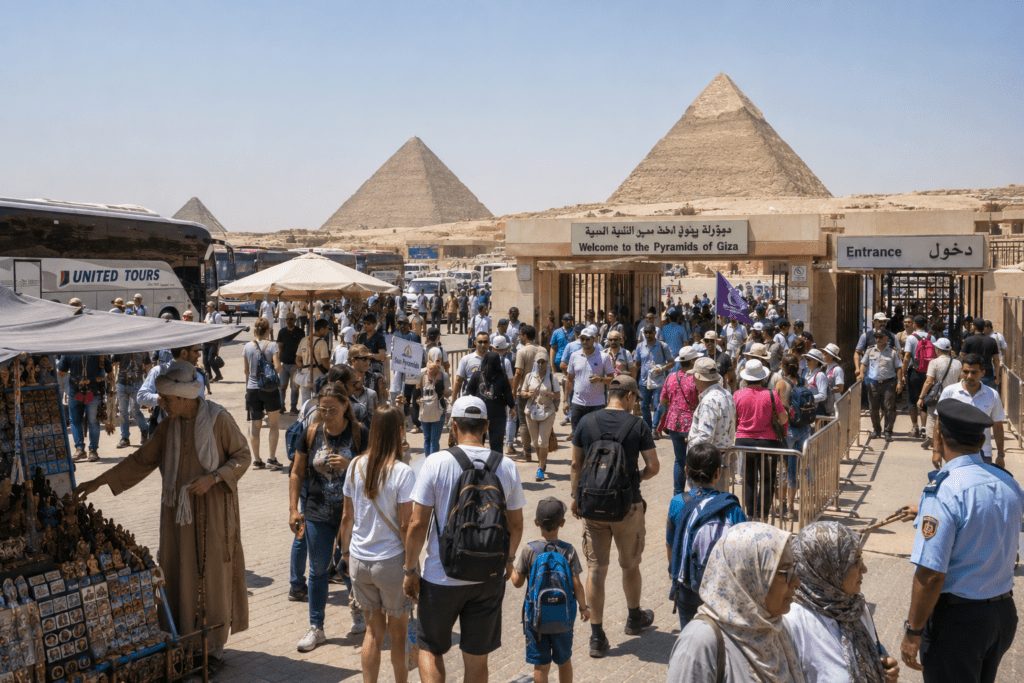
The site operates like a major international attraction with controlled entrances, ticket checkpoints, security screening, parking zones, tour buses, and designated visitor routes throughout the plateau. During busy winter mornings, large tour groups arrive steadily from hotels across Cairo, which gives the entrance area a much more active atmosphere than many travelers expect beforehand.
Travelers can review the official Giza Plateau visitor information before arrival to better understand how access, entrances, and movement through the site work.
This is also where many first-time visitors encounter the busiest concentration of souvenir sellers, camel ride offers, unofficial guides, and persistent sales conversations. For travelers unfamiliar with Egypt, that intensity can feel surprising at first simply because photos rarely show this side of the experience.
The atmosphere changes significantly once you move farther into the plateau. The farther you get from the entrance area, the more space opens up around you and the easier it becomes to appreciate the scale of the site itself.
The Heat Feels More Intense Than Most Travelers Expect
The Giza Plateau is physically exposed for most of the visit.
Shade becomes limited once you move beyond the entrance sections, and the combination of desert sun, reflected heat from the stone, and wide walking distances makes the experience much more tiring by midday than most travelers anticipate beforehand.
This becomes especially noticeable during warmer months, when the plateau heats up quickly after the early morning hours. Even travelers who are comfortable in warm weather are often surprised by how draining the combination of sunlight and walking feels after several hours.
Early morning visits consistently create the best experience. Temperatures are softer, visibility is clearer, and the plateau still feels relatively calm before the heaviest tour traffic arrives later in the day.
Guide’s Note: The pyramids themselves are not physically difficult. The exhaustion usually comes from combining heat, walking, traffic, and long sightseeing days across Cairo into the same schedule.
Going Inside the Great Pyramid Is More Physical Than Visual
Entering the Great Pyramid is one of the most misunderstood parts of visiting Giza.
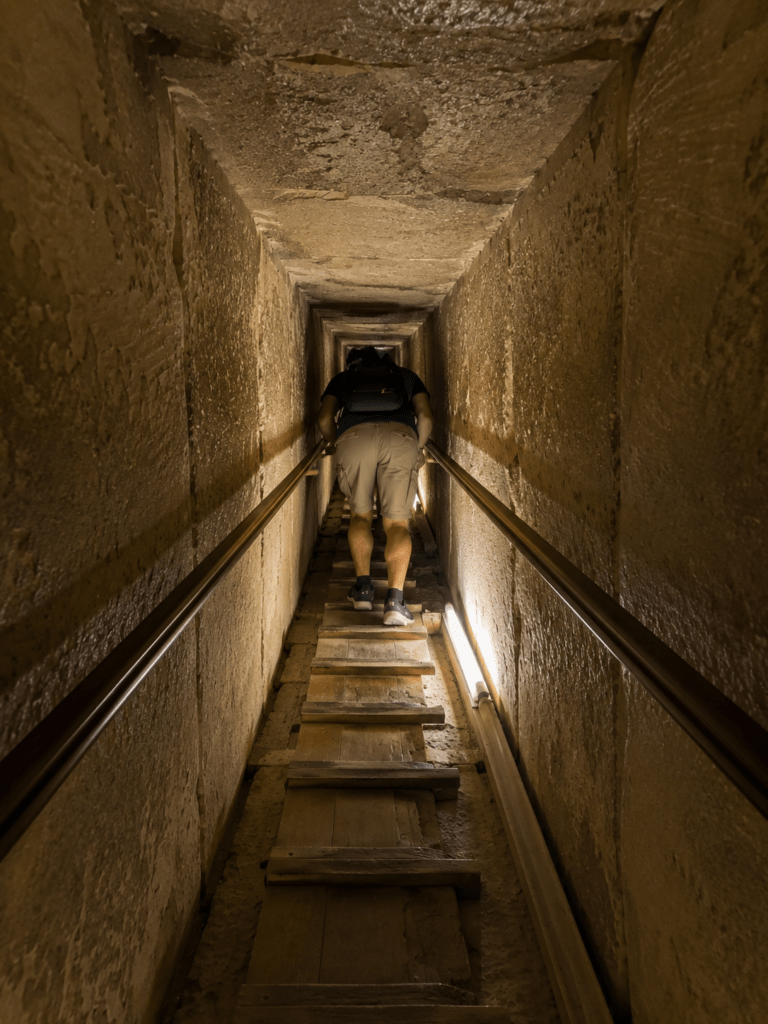
Many travelers expect richly decorated chambers similar to tombs in Luxor. Instead, the interior experience is narrow, steep, enclosed, and almost entirely undecorated. The focus is not visual beauty but the strange physical feeling of moving through the interior of one of the ancient world’s most iconic structures.
The ascent toward the King’s Chamber involves low ceilings, steep wooden ramps, confined passageways, and warm air with very limited ventilation. Travelers who are uncomfortable with tight spaces or heavy heat sometimes find the interior more physically demanding than expected.
For many visitors, the emotional impact comes less from what they see inside and more from simply being inside the structure itself.
Camel Rides Are Optional, Not Essential
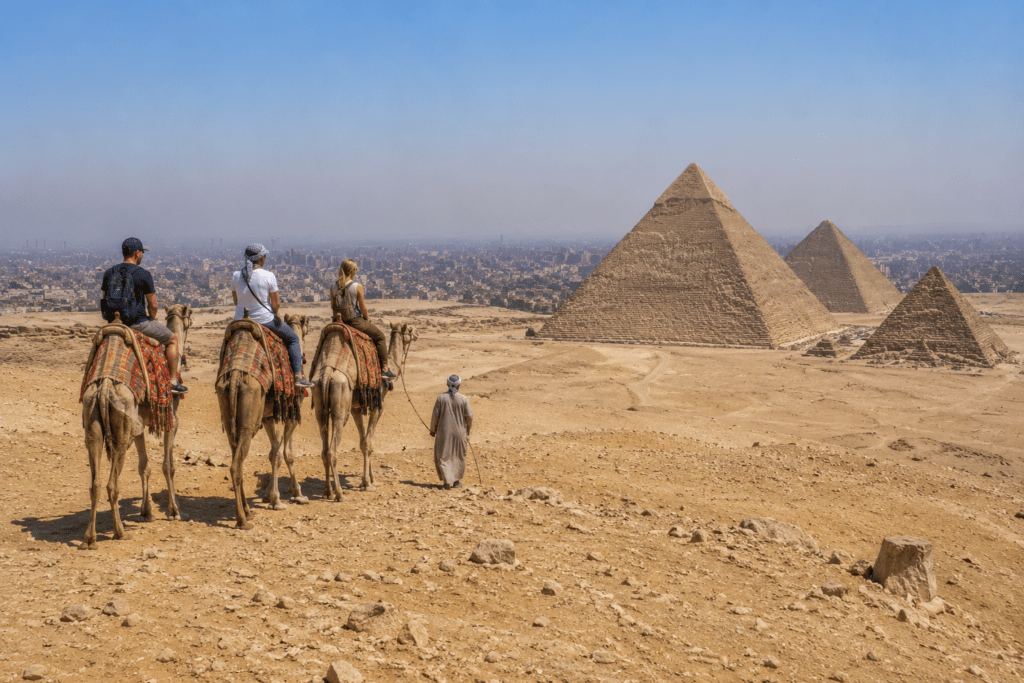
Camel rides are one of the most photographed parts of the pyramids experience, but they are entirely optional.
Some travelers genuinely enjoy them, especially in the quieter panoramic sections farther across the plateau where the atmosphere feels calmer and the views are wider. Others find the experience overly commercial near the entrance areas where sales pressure is strongest.
The key difference is timing and location. Midday rides near crowded sections of the plateau often feel hotter, busier, and less enjoyable than shorter rides arranged calmly during the early morning hours.
Clear pricing before starting matters. Most negative camel ride experiences come from unclear expectations rather than the ride itself.
The Best Moments Usually Happen Away From the Entrance
The entrance sections of the plateau are where most visitors first form their impression of the pyramids, but they are rarely where travelers enjoy the site most.
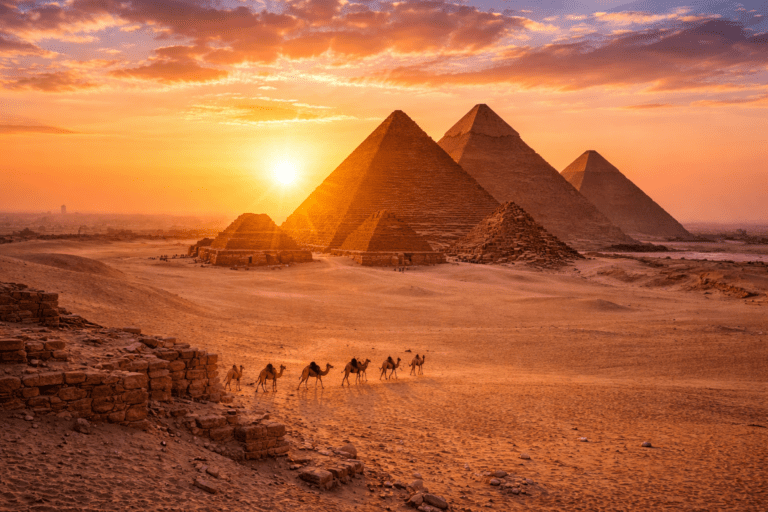
The experience changes once you move farther into the plateau toward the panoramic viewpoints overlooking all three pyramids together. The crowds thin out, the scale becomes easier to understand, and the surrounding desert starts to feel much larger and quieter.
This is usually the point where travelers stop seeing the pyramids as individual monuments and start understanding the size of the landscape itself.
Photos rarely communicate this well. In person, the scale feels much more physical and much less polished than most people expect beforehand.
Why Timing Changes the Entire Experience
The pyramids feel completely different depending on when you visit.
An early morning visit often feels calm, manageable, and surprisingly spacious. By late morning and early afternoon, the plateau becomes significantly hotter and more crowded as tour buses continue arriving from across Cairo.
This affects almost every part of the experience, including:
- walking comfort
- crowd density
- photo conditions
- camel ride atmosphere
- overall energy levels
Travelers who arrive early usually experience the site at its best. Travelers arriving later often spend much of the visit managing heat and congestion instead of enjoying the plateau itself.
Articles like Egypt Travel Tips First-Time Visitors Actually Need and How to Get Around Egypt become especially useful once travelers understand how much timing affects major sites throughout Egypt.
FAQ: Visiting the Pyramids of Giza
What is the best time to visit the pyramids?
Early morning consistently creates the best conditions because temperatures are cooler, the light is softer, and the plateau is less crowded before the main tour rush begins.
Are the pyramids crowded?
The entrance sections can become busy, especially during peak travel months. However, the plateau itself is large enough that quieter panoramic areas are still easy to experience once you move farther into the site.
Is going inside the Great Pyramid worth it?
The experience is historically significant, but travelers should understand that the interior is narrow, steep, hot, and visually minimal compared to tombs in Luxor.
How physically difficult is visiting the pyramids?
Most travelers can visit comfortably, but the combination of heat, sunlight exposure, and walking distances makes the experience more tiring than many expect.
Are camel rides worth doing?
They can be enjoyable when approached calmly and arranged clearly, especially in quieter sections of the plateau away from the busiest entrance areas.
Many travelers leave the pyramids feeling more exhausted than inspired because the visit is poorly timed, rushed through crowded entrance zones, or treated like a quick stop instead of a full experience.
Explore Egyptian Nile Adventures structures pyramids visits around timing, pacing, and realistic conditions on the ground so travelers experience the plateau at its strongest—not at its most chaotic.
See Egypt itineraries designed around how the pyramids are actually experienced, not just how they appear in photos.