Shali Fortress Guide
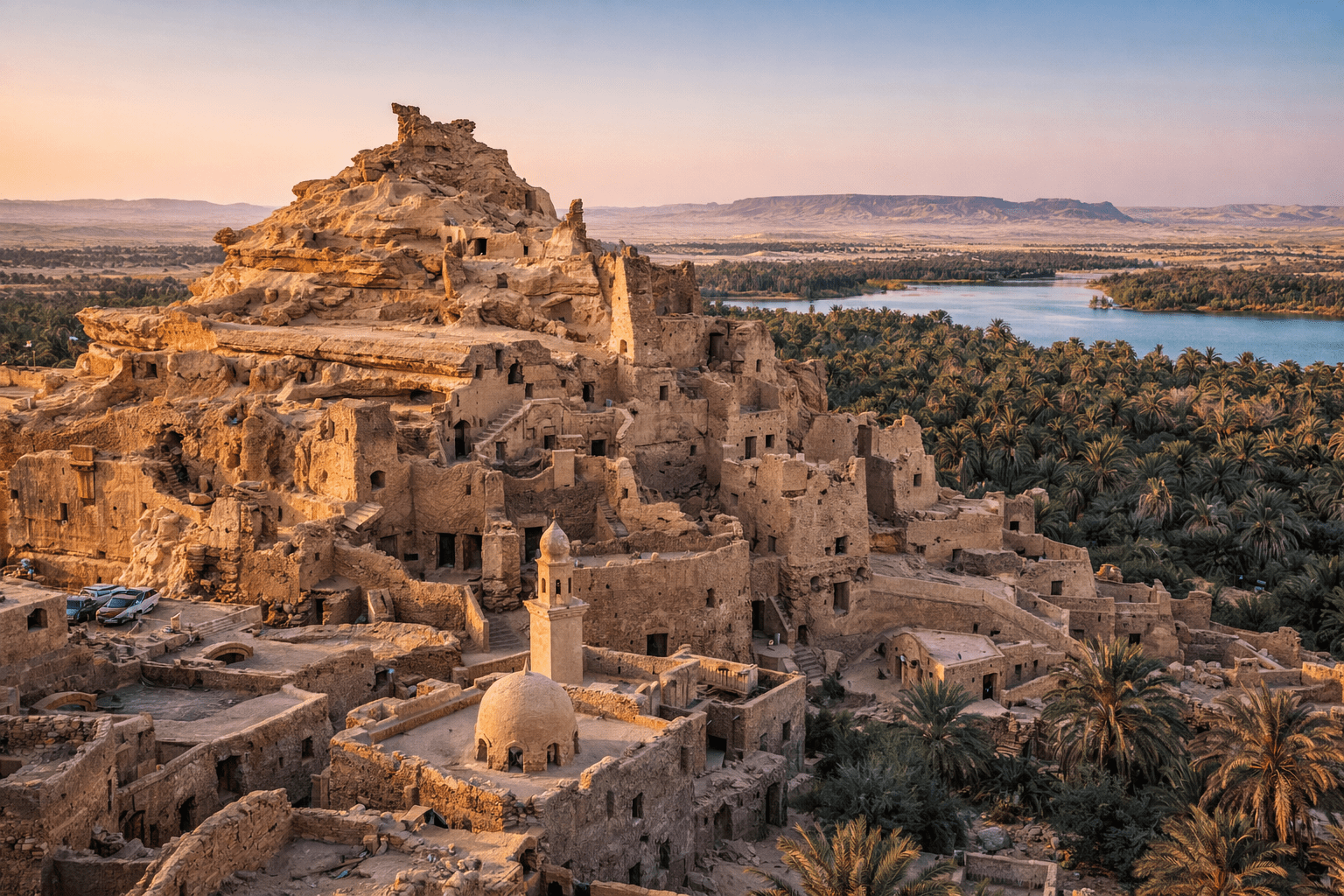
Rising above the palm groves of Siwa Oasis, Shali Fortress is the historic heart of one of Egypt’s most isolated communities. Its maze of narrow alleyways, towering mud-brick walls, and elevated viewpoints tell the story of a settlement that survived for centuries by adapting to the harsh realities of the Western Desert.
Today, Shali is one of the first places visitors explore after arriving in Siwa. Although much of the original fortress became a dramatic ruin following heavy rains in the early twentieth century, careful restoration has made large sections accessible once again. Walking through its winding streets offers far more than impressive views—it provides a glimpse into how generations of Siwans lived, traded, and protected themselves in one of Egypt’s most remote landscapes.
If you’re planning a visit to the oasis, our Best Things to Do in Siwa guide explains how Shali fits into the ideal Siwa itinerary alongside the Salt Lakes, Cleopatra Spring, and the Great Sand Sea. For the complete oasis-planning framework, including the Cairo journey and how many days to allow, see the Siwa Oasis Egypt Travel Guide.
Expert Insight: Visit Shali either early in the morning or during the final two hours before sunset. The limestone-colored walls reflect the changing desert light beautifully, while midday temperatures inside the fortress can become uncomfortably hot for climbing.
History of Shali
Shali Fortress was founded around the early thirteenth century, traditionally dated to 1203 AD, when the people of Siwa united to build a fortified settlement that could better defend the oasis from raids by rival tribes and desert invaders.
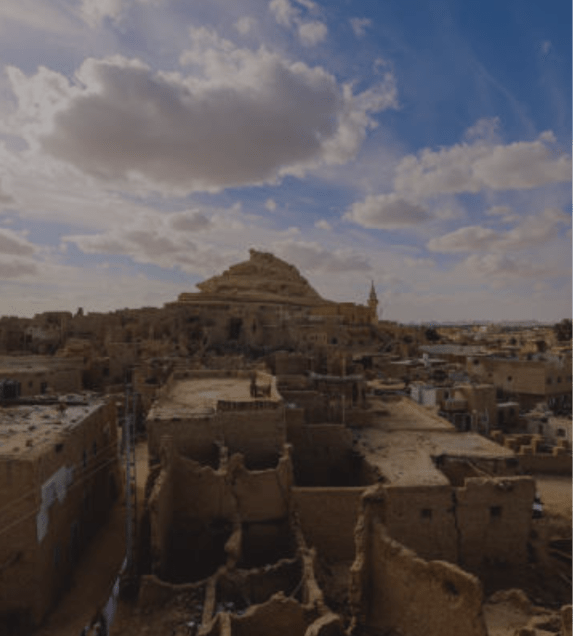
For centuries, nearly the entire population of Siwa lived within these protective walls. Families built multi-story homes closely together using locally available materials, creating a dense network of homes, narrow lanes, staircases, and communal spaces that remained cool even during the intense summer heat.
Life inside the fortress revolved around agriculture, trade, and religion. Palm groves and olive orchards surrounded the settlement, while the fortress itself became the social and administrative center of the oasis.
Why It Was Built
Shali was designed first and foremost for protection.
The oasis sat along important desert trade routes yet remained geographically isolated, making it vulnerable to attacks. Constructing one fortified settlement allowed residents to defend themselves far more effectively than living in scattered villages.
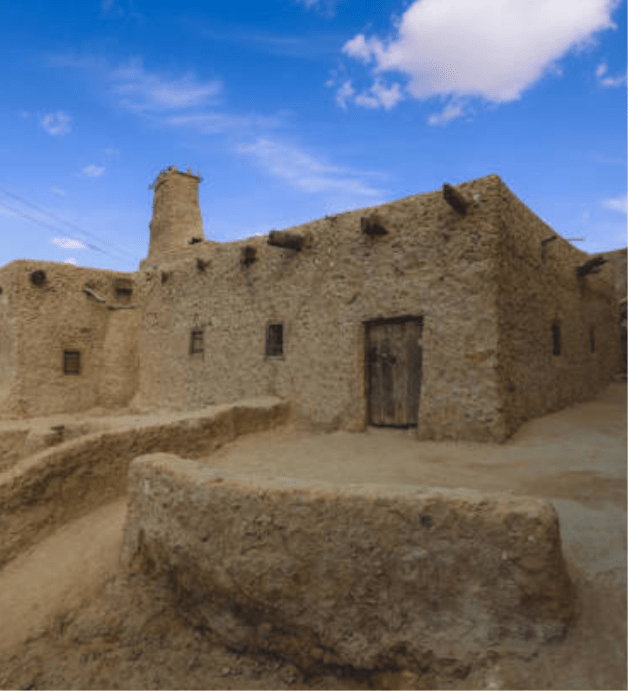
The fortress was built using kershef, a traditional mixture of salt, mud, clay, and stone unique to Siwa. Thick walls provided insulation against the desert climate, while the tightly packed buildings reduced exposure to wind and intense sunlight.
Its elevated position also offered clear views across the surrounding oasis, allowing residents to spot approaching visitors or potential threats long before they reached the settlement.
Guide’s Note: The same material that kept homes cool also made them vulnerable to prolonged rain. Because heavy rainfall is extremely rare in Siwa, this weakness mattered little—until one unusually severe storm changed the fortress forever.
Restoration Project
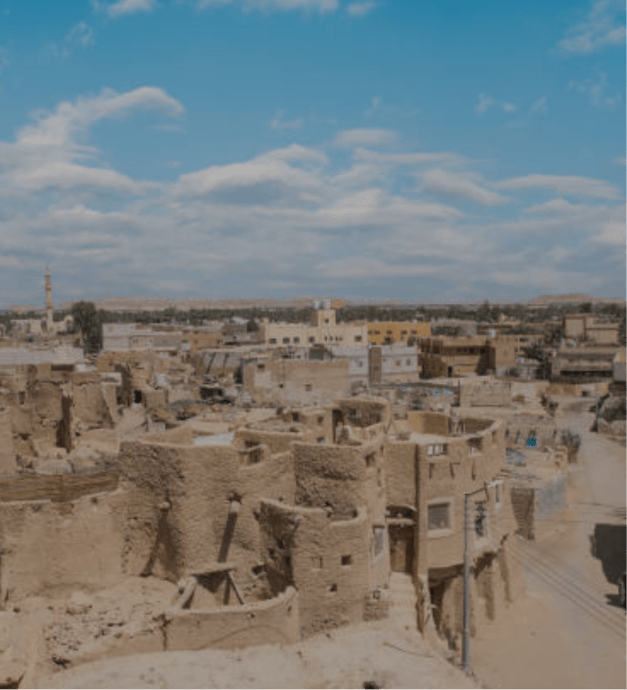
In 1926, exceptionally heavy rainfall caused widespread damage to Shali’s salt-based buildings. Many homes collapsed, forcing residents to gradually relocate to newer parts of Siwa.
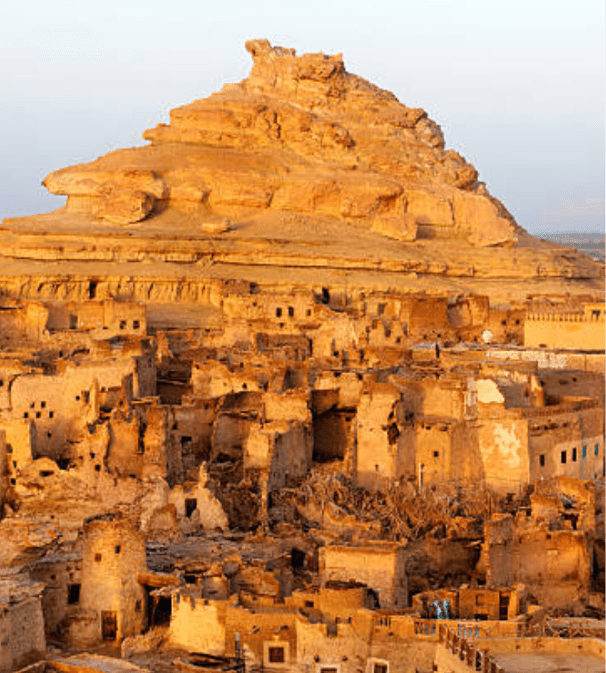
For decades, the fortress stood largely abandoned, giving it the dramatic ruined appearance that became familiar in travel photographs.
Recent restoration work has carefully stabilized large sections of the fortress while preserving its historic character. New pathways, staircases, and viewing platforms allow visitors to safely explore areas that were previously inaccessible, all while respecting the original architecture and traditional building techniques.
Rather than rebuilding Shali as a modern attraction, the restoration has focused on protecting its authenticity and making the site easier to experience.
What to Explore
Entering Shali feels like stepping into a living maze. Narrow alleys twist between restored homes, staircases climb toward panoramic viewpoints, and small courtyards reveal the compact design that once housed an entire community.
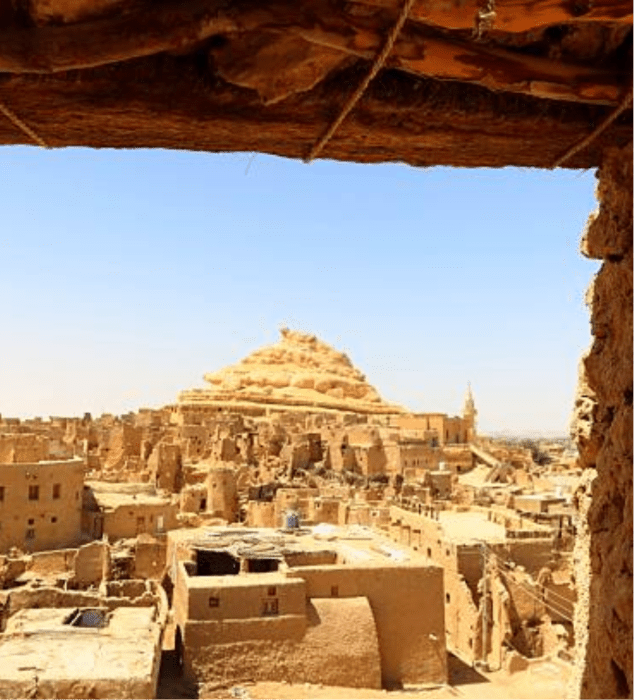
As you climb higher, the views gradually open across Siwa’s endless palm groves, olive orchards, shimmering salt lakes, and distant desert escarpments. From the upper levels, visitors gain a true appreciation for why this location was chosen centuries ago.
Several restored buildings now house small cafés, artisan workshops, and local shops selling traditional Siwan crafts. Taking time to stop and speak with local vendors adds another dimension to the visit beyond simply exploring the ruins.
Many guided tours combine Shali with nearby attractions such as the Mountain of the Dead, the Temple of the Oracle, and Cleopatra Spring, making it an easy stop during a full day of sightseeing.
Best Photo Spots
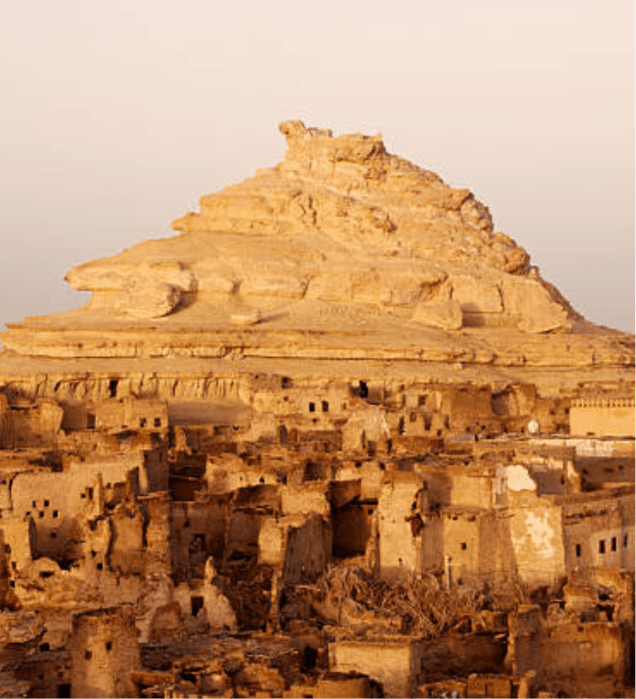
The highest restored terraces provide the most spectacular panoramic views of Siwa Oasis. Looking east across thousands of date palms with the surrounding desert stretching beyond creates one of the oasis’s most iconic photographs.
Inside the fortress, photographers will find countless opportunities among the winding alleys, textured kershef walls, ancient doorways, and dramatic staircases that showcase the fortress’s distinctive architecture.
The entrance area also offers beautiful compositions looking upward toward the fortress, particularly when warm afternoon light highlights the earthy colors of the buildings.
Sunset Experience
Sunset is widely considered the best time to visit Shali Fortress.
As temperatures begin to cool, the entire oasis is bathed in golden light. The palm groves take on deep green tones while the mud-brick walls glow orange and amber against the surrounding desert landscape.
Many visitors spend an hour exploring before finding a quiet viewpoint to watch the sun disappear beyond the horizon. The changing colors, cooler air, and peaceful atmosphere create one of Siwa’s most memorable experiences.
After sunset, many travelers continue to nearby cafés or head toward Fatnas Island, another of the oasis’s celebrated sunset locations.
For the seasonal weather question beyond a single day, see Best Time to Visit Siwa.
Shali Fortress FAQ
Is Shali Fortress worth visiting?
Absolutely. Shali is the cultural and historical heart of Siwa Oasis, offering panoramic views, unique architecture, and a fascinating insight into how the oasis was defended and inhabited for centuries.
How long should you spend at Shali Fortress?
Most visitors spend between one and two hours exploring the restored streets, climbing to the viewpoints, taking photographs, and enjoying the atmosphere before continuing to other nearby attractions.
Is Shali Fortress difficult to walk around?
The restored pathways are generally easy to follow, but there are uneven surfaces, steps, and some steep climbs. Comfortable walking shoes are recommended, especially during the hotter months.
Can you visit without a guide?
Yes, the fortress is easy to explore independently. However, a knowledgeable guide adds valuable historical context and explains architectural details that many visitors would otherwise overlook.
When is the best time to visit?
Late afternoon offers the most enjoyable temperatures and the best lighting for photography. Early mornings are another excellent option, especially during the hotter months when midday temperatures can rise quickly.
The biggest mistake visitors make is treating Shali as a quick photo stop before moving on. In reality, the fortress is the foundation of Siwa’s history and deserves to be experienced alongside the oasis’s natural attractions. Our Siwa itineraries combine Shali Fortress with the Salt Lakes, Cleopatra Spring, the Temple of the Oracle, the Mountain of the Dead, and the Great Sand Sea in a logical route that avoids unnecessary backtracking and gives each destination the time it deserves.