Best Time to Visit Siwa Oasis: Weather, Heat & Desert Conditions
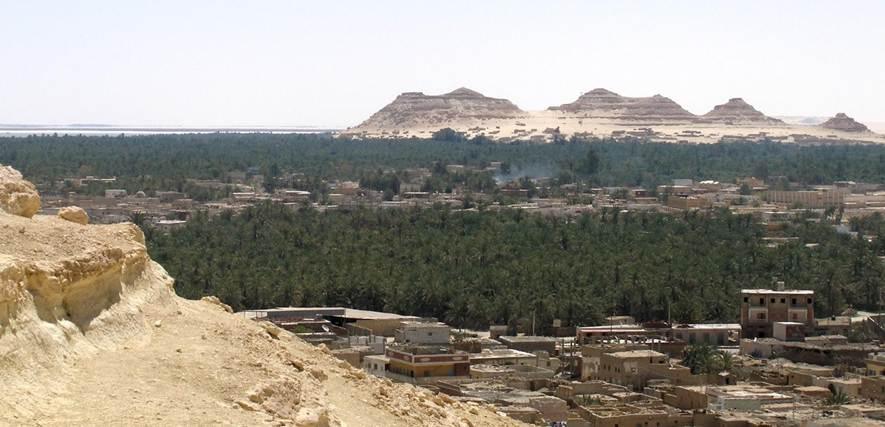
The best time to visit Siwa is determined less by a single temperature number than by what you want to do outside. A day in Siwa can include climbing Shali Fortress, walking exposed archaeological sites, floating in salt lakes and spending several hours in the Great Sand Sea. Egypt’s State Information Service overview of Siwa describes very hot summers, cold winters and milder spring and autumn conditions; in practice, the best season also depends on the activities you want to do outside.
For most travelers, the cooler months from autumn through spring are the easiest. Summer is possible, but it requires a different schedule.
For the broader destination plan, start with the Siwa Oasis Egypt Travel Guide.
October and November: One of the Best Windows
Autumn is one of the easiest times to experience Siwa. Daytime heat becomes more manageable, desert excursions are comfortable later into the day and evenings begin to cool without the deeper winter chill.
This is a strong period for travelers who want to combine archaeological sightseeing with the salt lakes and Great Sand Sea without structuring every outdoor activity around extreme heat.
December and January: Comfortable Days, Cool Nights
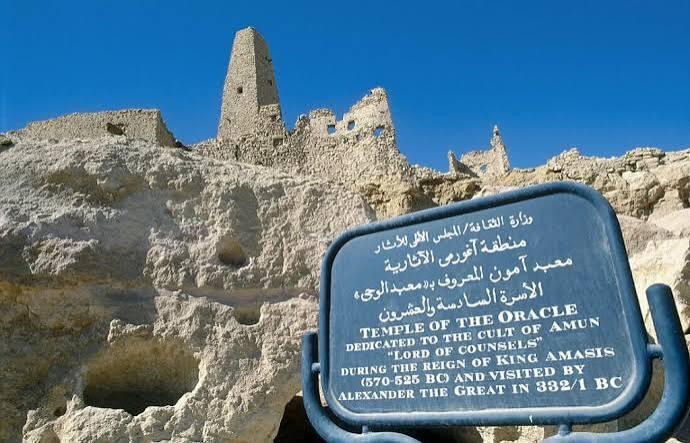
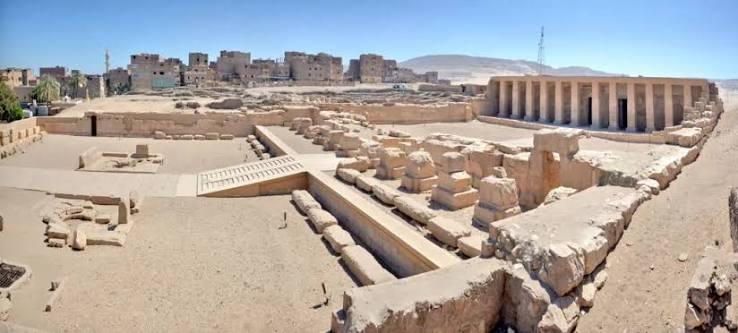
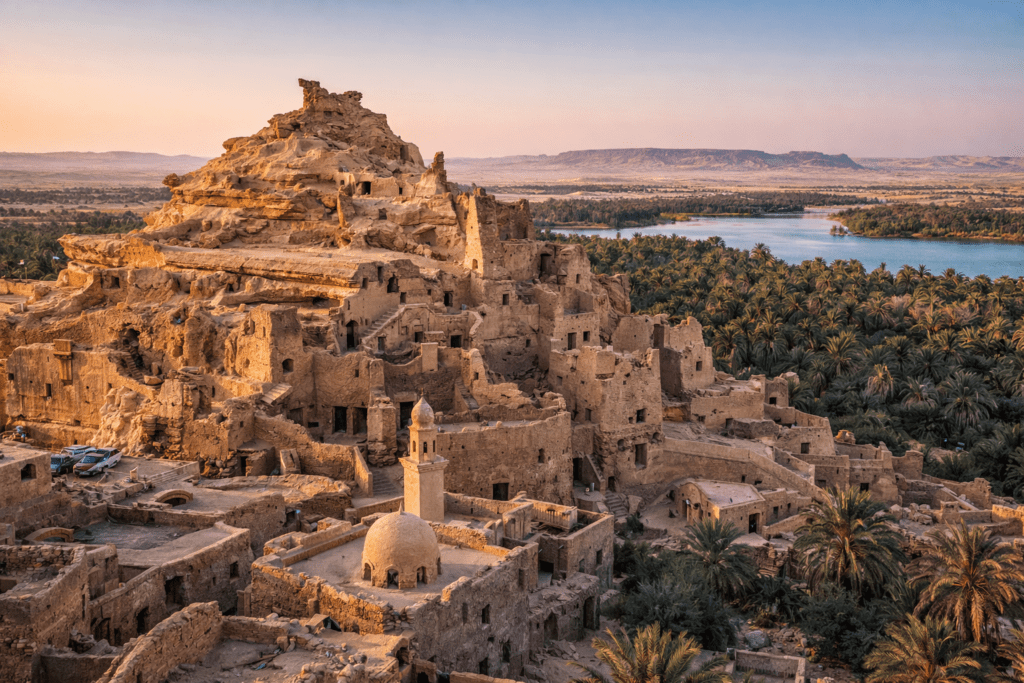
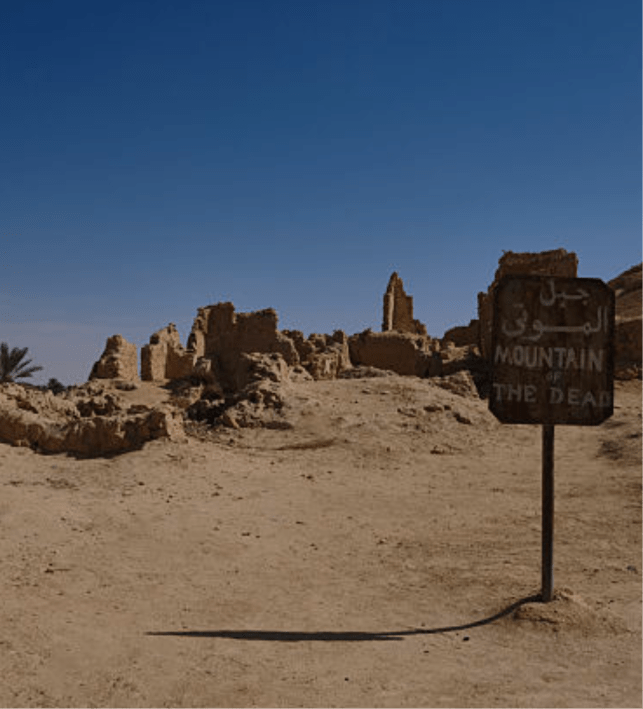
Winter is excellent for walking and archaeology. Midday sun can feel pleasant rather than oppressive, making Shali, the Oracle and Mountain of the Dead easier to explore at a relaxed pace.
The tradeoff is night temperature. Open-desert evenings and early mornings can feel much colder than travelers expect from the word ‘Egypt.’ A warm layer is not optional if your itinerary includes sunset in the dunes or an early departure.
Hotels and eco-lodges also vary in heating, insulation and hot-water consistency, so ask questions before booking if you are sensitive to cold.
February and March: Strong All-Round Months
Late winter into early spring often offers an excellent balance. Days are comfortable for sightseeing, evenings are less severe than midwinter and desert activities remain manageable.
Spring can also bring wind or dust. That does not make the season a poor choice, but travelers with respiratory sensitivity or contact lenses should pack accordingly.
April: Warmer but Still Manageable
By April, the heat becomes more noticeable. Early starts begin to matter more at archaeological sites, while the salt lakes and springs feel increasingly attractive in the middle of the day.
A well-paced April itinerary can still be excellent, especially if the Great Sand Sea is scheduled later in the afternoon toward sunset rather than at the strongest part of the day.
May and June: Heat Becomes the Main Planning Factor
Late spring and early summer can be very hot. Travelers should stop thinking in terms of ‘Can I tolerate the temperature?’ and start thinking in terms of exposure.
Shali’s climbs, open archaeological sites and desert excursions involve direct sun. Begin earlier, use shade and water breaks, and leave the middle of the day for meals, swimming, rest or indoor time where possible.
July and August: Possible, but Build a Different Trip
Summer does not make Siwa inaccessible, but it changes what a comfortable itinerary looks like.
Do not stack Shali, the Oracle, Mountain of the Dead and a desert safari into one exposed day. Visit archaeological sites early, use the salt lakes or freshwater springs as breaks, and keep the Great Sand Sea for the later afternoon and evening when local operators consider conditions appropriate.
Travelers who dislike strong heat should choose another season rather than expecting air conditioning to solve an outdoor destination.
September: Still Hot, Gradually Improving
September remains warm, especially earlier in the month, but the intensity begins to ease as autumn approaches. It can work for heat-tolerant travelers willing to use early starts and lighter afternoons.
Best Time for the Salt Lakes
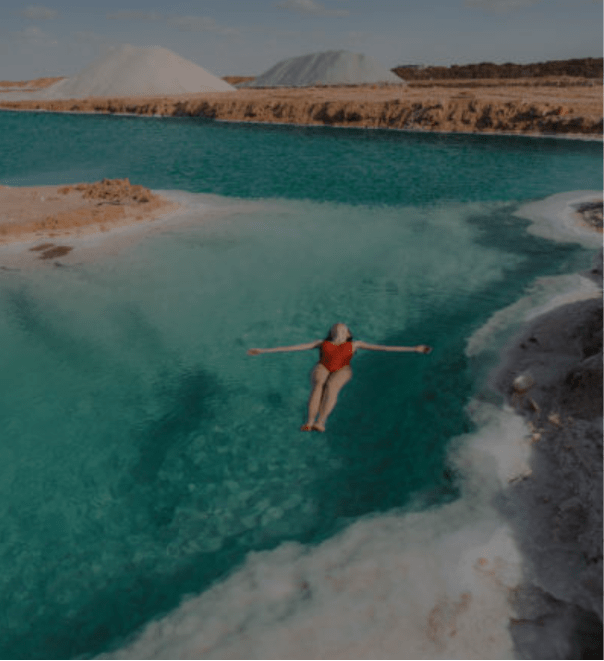
The salt lakes can be visited in many seasons, but the surrounding air temperature changes the experience. Warmer weather makes getting into the water easy; cooler winter days can make the transition in and out less appealing.
Regardless of season, protect your eyes, enter carefully around sharp salt formations and rinse afterward. See the Siwa Salt Lakes Guide for practical details.
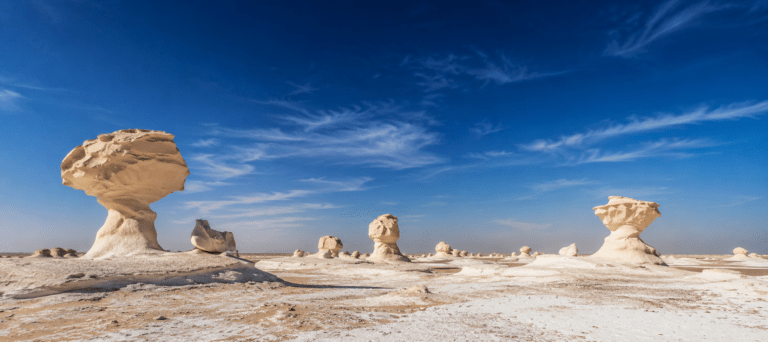
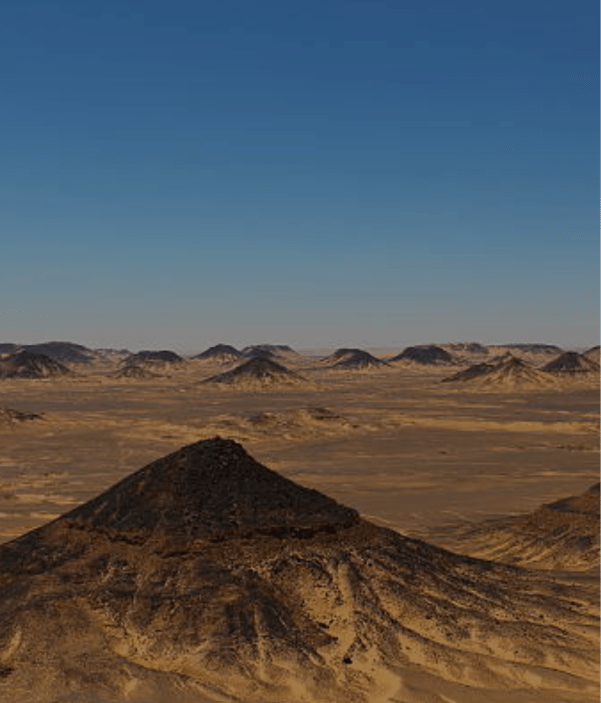
Best Time for the Great Sand Sea
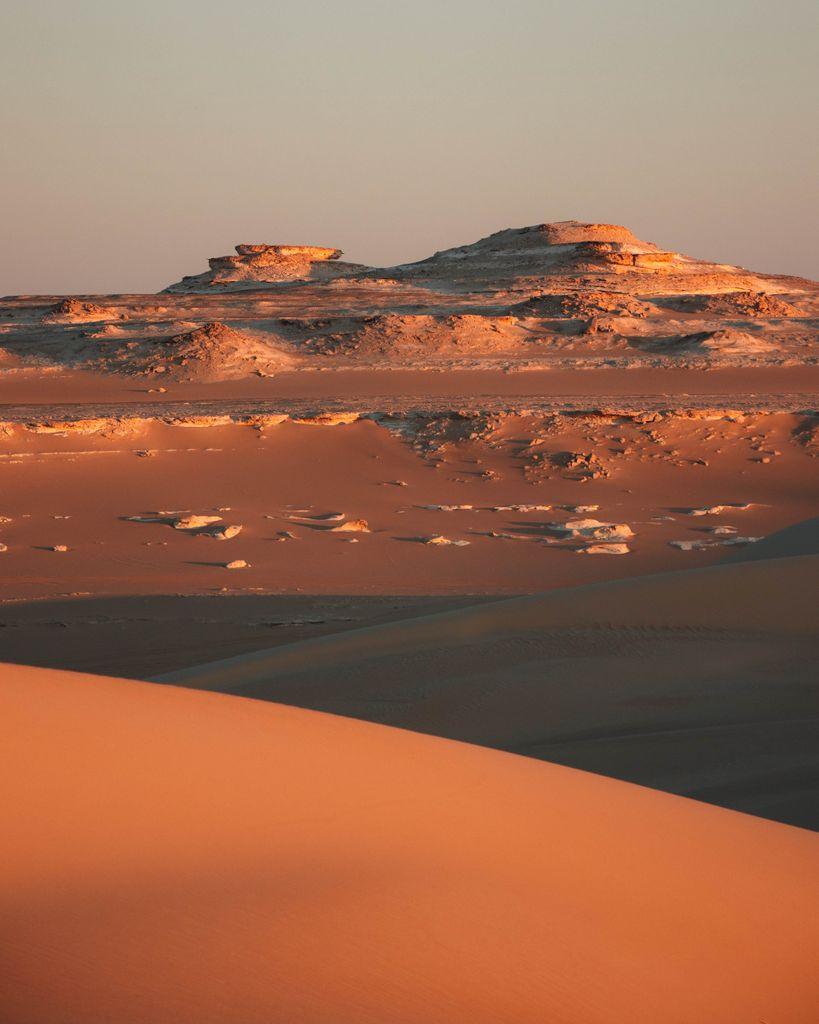
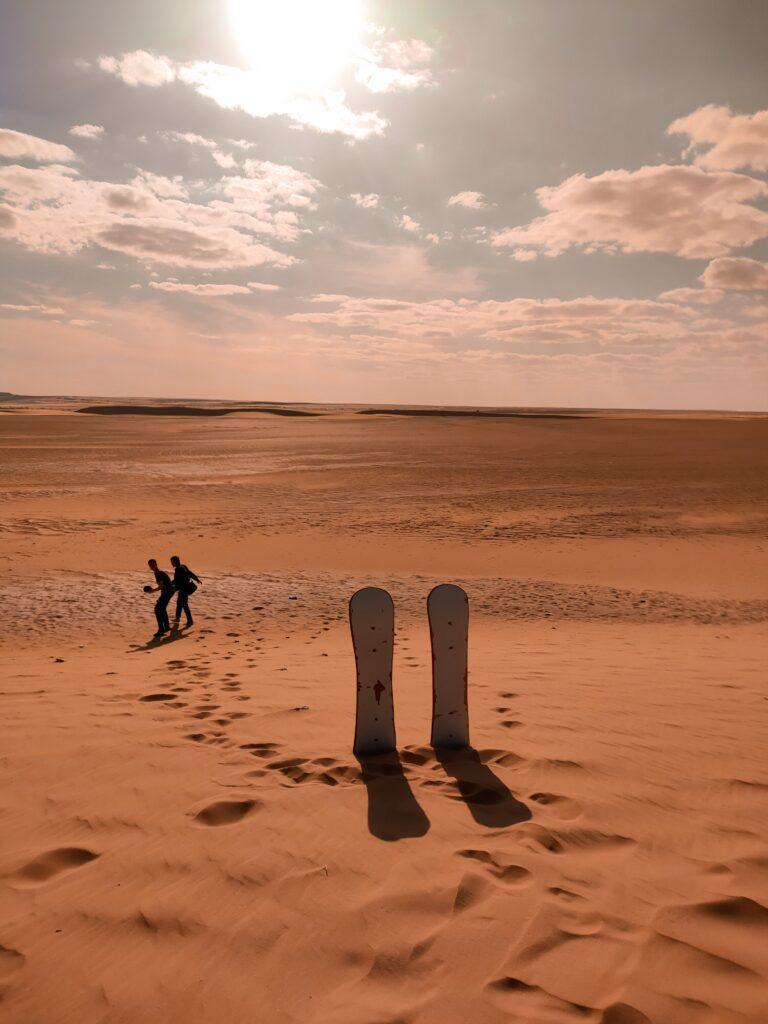
The Great Sand Sea adds a very different desert scale to a Siwa itinerary.
The desert is the experience most sensitive to timing. Cooler months allow longer comfortable excursions. In hotter periods, late-afternoon departures and sunset-focused trips are more sensible than prolonged midday exposure.
Wind can also affect sandboarding, visibility and comfort. A reputable local operator should adjust the route or timing to current conditions rather than promise one exact dune or spring regardless of the day.
A Great Sand Sea excursion is best treated as a substantial part of a day, with timing built around heat, access conditions and sunset rather than squeezed between unrelated sightseeing stops.
Best Time for Photography
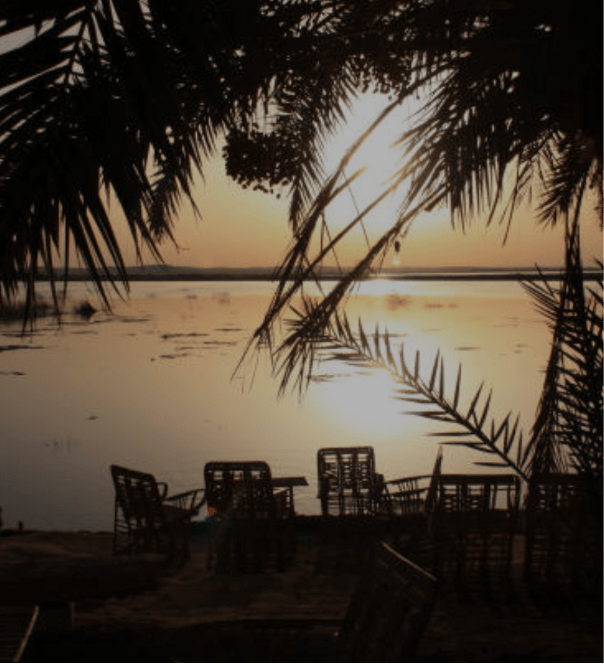
Winter and shoulder seasons provide comfortable access to viewpoints and long periods outside. Early morning and late afternoon are the strongest light in any season, especially at Shali, Fatnas Island and the Great Sand Sea.
Dust can create dramatic skies but may also reduce distant visibility. Protect cameras and lenses in the desert and avoid changing lenses unnecessarily during windy conditions.
Best Time for Families
Families with young children generally benefit most from cooler months because carrying, hydration and long road days are easier when the destination itself is not adding extreme heat.
School holidays may force summer travel. If so, reduce the number of outdoor sites per day and protect midday downtime. Siwa should never become a test of how much heat a child can endure.
Does Ramadan Change Siwa Travel?
Ramadan dates move each year. Tourist accommodation and major attractions may continue operating, but restaurant hours, local routines and service patterns can change.
Travelers should confirm current opening times and meal arrangements close to travel rather than relying on a fixed statement that will become outdated.
Local Events and Seasonal Gatherings
Siwa has local cultural and religious gatherings, but dates and visitor access can vary. If attending a specific event matters to your trip, confirm the current year’s dates locally rather than planning from an old calendar, and approach community events as local traditions rather than entertainment staged for tourists.
The Best Overall Recommendation
For the easiest first trip, aim for roughly October through April, with November through March offering especially comfortable conditions for outdoor sightseeing.
Choose summer only when dates require it or when you are genuinely comfortable reorganizing the day around heat.
Once the season is set, use What to Pack for Egypt for the countrywide foundation and How Many Days Do You Need in Siwa Oasis? to build the daily rhythm.
Frequently Asked Questions
What is the best month to visit Siwa?
There is no single perfect month, but late autumn through early spring is easiest for most outdoor activities.
Is Siwa cold in winter?
Days can be pleasant, but desert evenings and early mornings can feel surprisingly cool. Pack layers.
Is Siwa too hot in summer?
It can be very hot, especially for exposed archaeological and desert activities. Summer requires early starts, shorter outdoor blocks and more rest.
Can I visit the Great Sand Sea in summer?
Excursions may still operate, but timing and route should follow current local conditions. Late-afternoon/sunset trips are generally more comfortable than midday exposure.
When are the salt lakes best?
They can be enjoyable across much of the year; warmer days make swimming easier, while cooler months make the surrounding sightseeing more comfortable.
Ready to Choose Your Siwa Dates?
Explore ENA’s Siwa: Egypt’s Hidden Oasis private itinerary and plan the journey for the season that best matches your comfort, desert interests and travel dates.