Grand Egyptian Museum Guide (2026): What to See, Tickets, Tips & How to Plan Your Visit
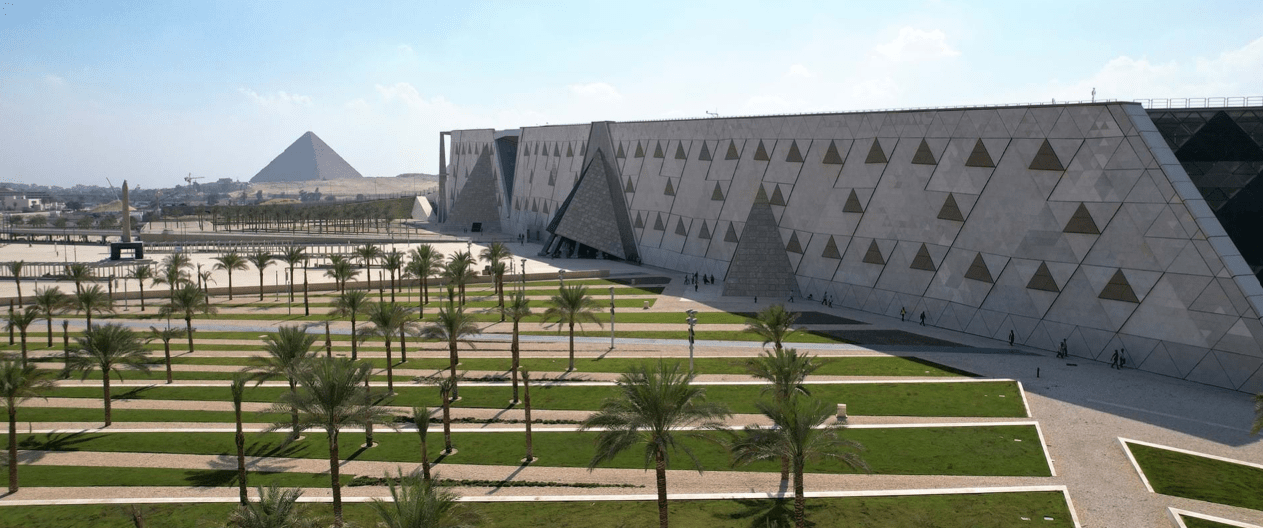
The Grand Egyptian Museum (GEM) is not simply another museum in Cairo—it’s one of the largest archaeological museums ever built and the new centerpiece of Egypt’s cultural landscape. Standing just minutes from the Giza Pyramids, it brings together thousands of artifacts in a purpose-built space designed to tell the story of ancient Egypt on a scale that older museums simply could not accommodate.
For most travelers, the biggest question isn’t whether the museum is worth visiting—it’s how to visit it well. The museum is enormous, exhibits take time to appreciate, and combining it with nearby attractions requires careful planning. Understanding how the experience flows before you arrive will make the difference between rushing through galleries and enjoying one of the highlights of your Egypt journey.
Expert Insight: The Grand Egyptian Museum rewards visitors who slow down. Rather than trying to see everything in one visit, focus on the major galleries and allow enough time to absorb the exhibits without feeling rushed.
Why the Grand Egyptian Museum Is Different
Unlike the historic Egyptian Museum in Tahrir Square, which displays artifacts in a traditional early 20th-century setting, the Grand Egyptian Museum was designed specifically for modern museum experiences.
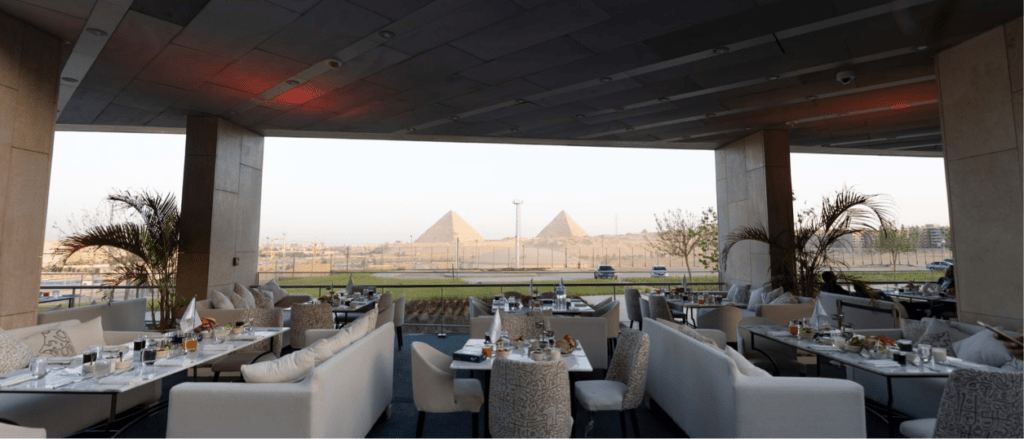
Its location on the edge of the Giza Plateau allows visitors to move from the world’s most famous pyramids to one of the world’s most advanced archaeological museums within the same day. Wide exhibition halls, natural lighting, multilingual displays, and carefully planned visitor routes create a more accessible experience for first-time visitors.
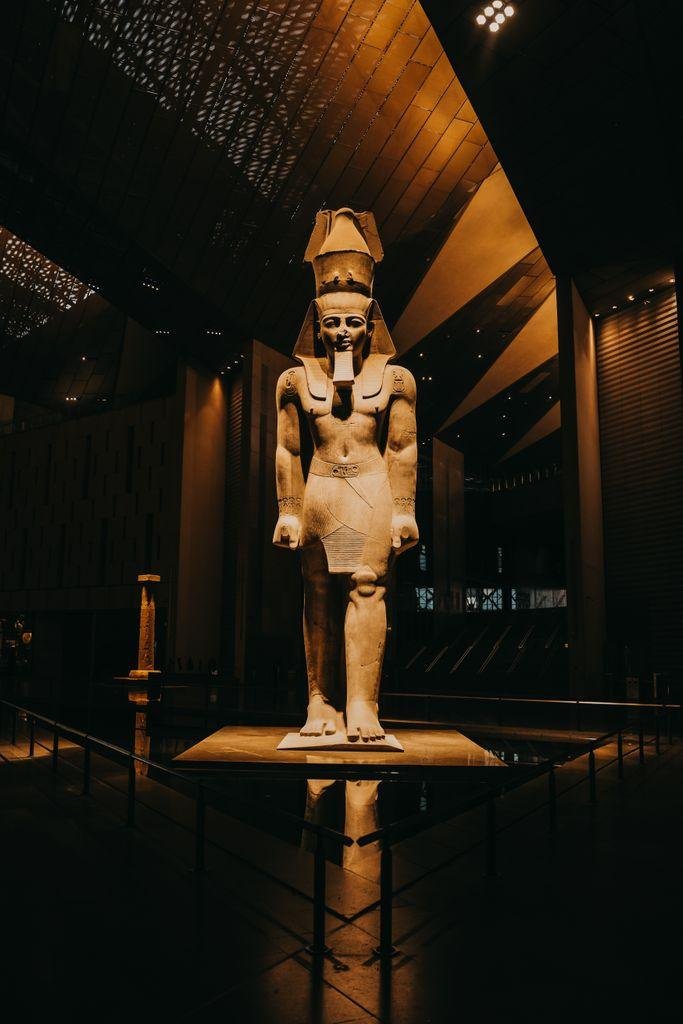
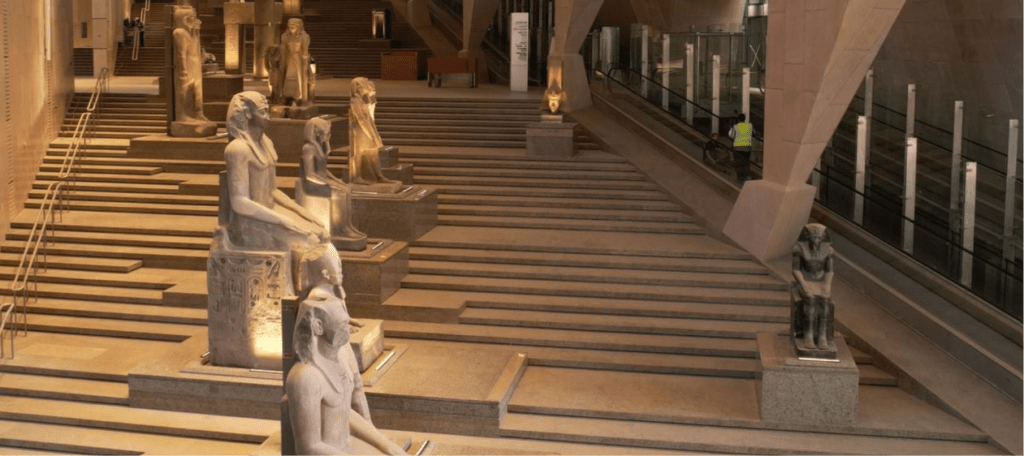
The museum’s dramatic entrance is anchored by the colossal statue of Ramses II, while the Grand Staircase showcases monumental sculptures from different periods of Egyptian history before leading visitors toward the main exhibition galleries.
What You’ll See Inside
The Grand Egyptian Museum houses an extraordinary collection spanning more than 5,000 years of Egyptian civilization.
Visitors move chronologically through ancient Egyptian history, beginning with prehistoric Egypt and continuing through the Old Kingdom, Middle Kingdom, New Kingdom, and later periods. Rather than isolated displays, the galleries explain how religion, royal power, daily life, craftsmanship, and burial traditions evolved over thousands of years.
Among the highlights are monumental statues, beautifully preserved sarcophagi, intricate jewelry, papyrus manuscripts, royal furniture, and countless everyday objects that reveal how ordinary Egyptians lived.
The museum also provides significantly more context than older collections, making it easier to understand not only what an artifact is, but why it mattered.
The Tutankhamun Collection
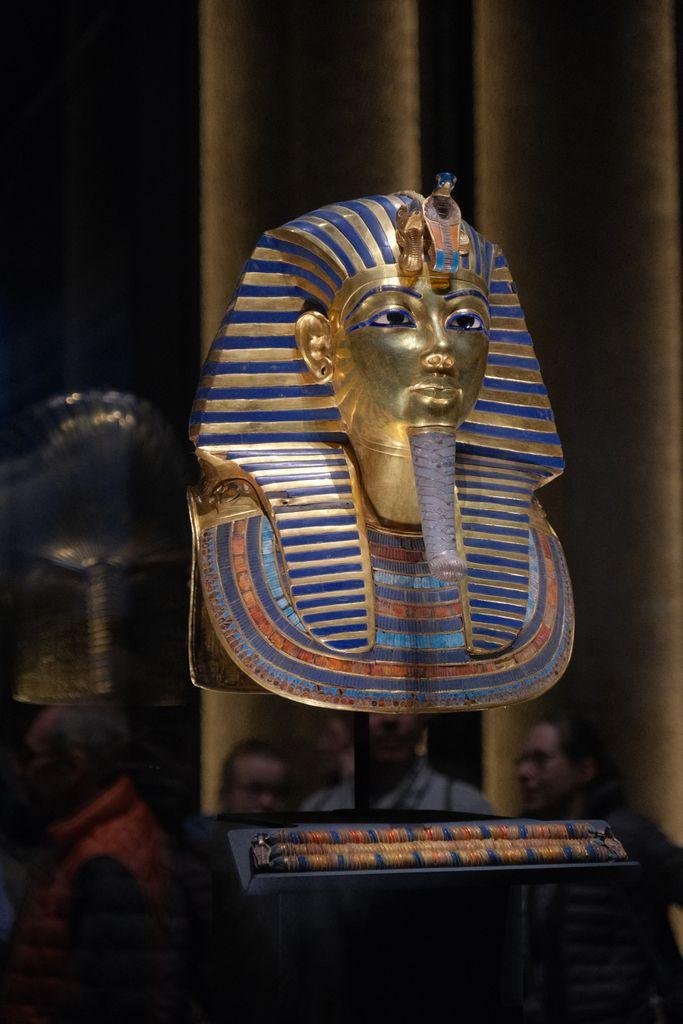
One of the museum’s greatest attractions is the complete collection from the tomb of King Tutankhamun.
For the first time, thousands of artifacts from the famous discovery are displayed together rather than being divided across multiple locations. Visitors can appreciate the scale of the burial collection, from ceremonial chariots and furniture to jewelry, weapons, clothing, and the iconic golden funerary objects associated with the young pharaoh.
Allow extra time for this section. It is among the busiest areas of the museum throughout the day.
To understand the setting these objects originally came from, our Valley of the Kings Guide explains Tutankhamun’s tomb, the royal necropolis, and which tombs are worth prioritizing in Luxor.
How Long Should You Spend?
Most visitors should plan for at least four to five hours inside the museum.
Trying to complete the visit in two hours often means skipping major galleries or moving too quickly through exhibits. If ancient Egyptian history is one of your main reasons for visiting Egypt, dedicating most of the day to the museum is the better choice.
Those combining the museum with the Giza Pyramids should start early, as both sites deserve several hours rather than being compressed into a rushed half-day. Visiting one attraction in the morning and the other later in the afternoon helps avoid both the strongest midday heat and the largest tour groups.
Guide’s Note: Large organized tours often arrive during the late morning. Early entry generally offers quieter galleries and more comfortable viewing around the museum’s signature exhibits.
Grand Egyptian Museum Tickets
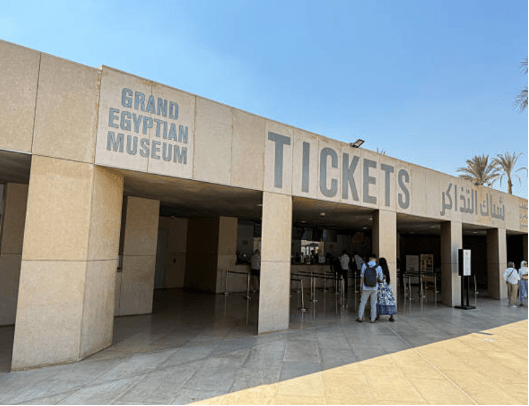
Ticket options vary depending on residency, nationality, student status, and access to temporary exhibitions or special experiences.
Purchasing tickets in advance is advisable during busy travel periods. Check the official Grand Egyptian Museum ticketing website for current prices, available time slots, and admission categories before your visit.
Some guided tours include museum admission, transportation, and licensed Egyptologists, simplifying logistics for travelers who want historical context without navigating independently.
Opening Hours
The museum generally operates throughout the week with daytime opening hours, although schedules may change for holidays, special exhibitions, or official events.
Always verify opening times before your visit, especially if you are planning to combine the museum with other attractions on the same day.
Best Time to Visit
The cooler months from October through April provide the most comfortable conditions for exploring both the museum and nearby outdoor sites.
Even though much of the museum is climate-controlled, you’ll still spend time walking across the expansive entrance plaza. During summer, temperatures around Giza can exceed 40°C (104°F) by early afternoon.
Morning remains the strongest choice throughout the year. You’ll encounter lighter crowds, softer natural light through the museum’s architecture, and a more relaxed pace before peak visitor numbers arrive.
Getting to the Grand Egyptian Museum
The museum sits west of central Cairo near the Giza Plateau, making it easy to combine with the pyramids.
Travel times vary considerably depending on Cairo traffic. A journey that takes 30 minutes early in the morning can easily exceed an hour during afternoon congestion.
Private transfers remain the most convenient option, especially for travelers unfamiliar with Cairo. Ride-hailing services are widely available, while many guided tours include transportation from hotels.
If GEM is only one part of your stay, our Cairo Travel Guide explains how to structure the city’s major sights without losing hours to unnecessary cross-city transfers.

Should You Visit Independently or With a Guide?
The museum’s signage is excellent, making independent visits entirely possible.
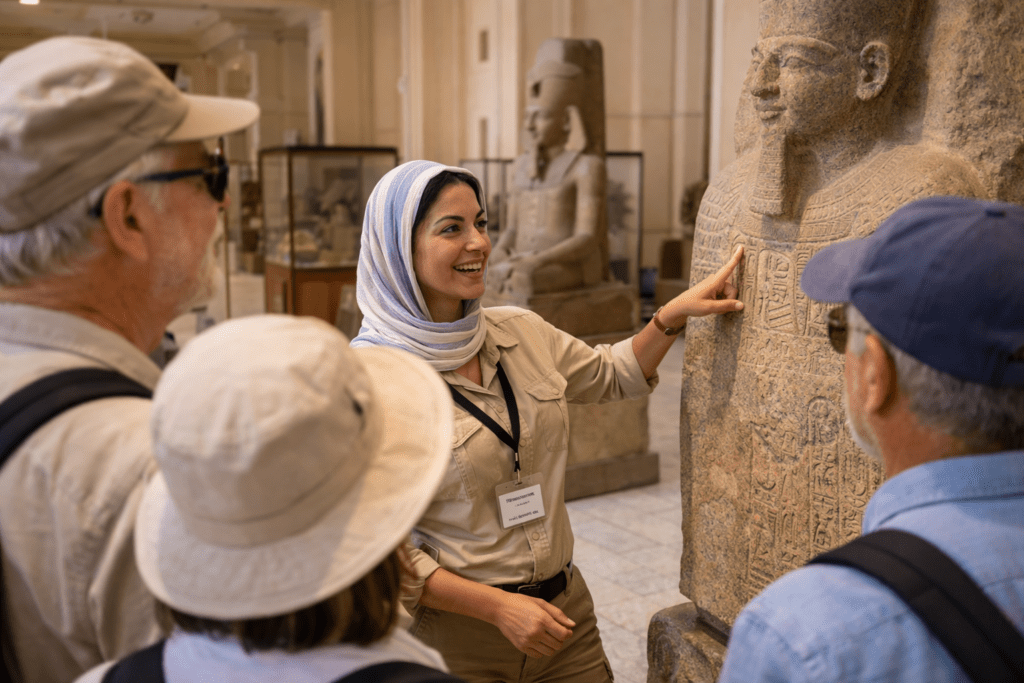
However, travelers interested in understanding the stories behind the artifacts will gain considerably more from a knowledgeable Egyptologist. Ancient Egyptian history spans thousands of years, and many objects reveal their significance only through explanation.
A quality guide also helps prioritize the museum’s most important galleries, preventing visitors from becoming overwhelmed by its sheer size.
Guide’s Note: The museum is designed for exploration, but professional interpretation transforms isolated artifacts into a connected story of ancient Egypt.
Practical Tips for Your Visit
Comfort matters more than many visitors expect. The museum covers a vast area, and walking several kilometers during a visit is common.
Wear comfortable shoes, carry water, and avoid scheduling a tightly packed sightseeing day immediately afterward. Although cafés and visitor facilities are available, taking short breaks throughout the visit makes the experience far more enjoyable.
Photography policies may differ between galleries or temporary exhibitions, so check current guidelines upon arrival.
Is the Grand Egyptian Museum Worth Visiting?
Without hesitation, yes.
Whether you’re visiting Egypt for the first time or returning after seeing the older Egyptian Museum, the Grand Egyptian Museum offers a far richer and more immersive presentation of ancient Egyptian civilization.
Its scale, thoughtful design, world-class conservation, and proximity to the Giza Pyramids make it one of the country’s essential cultural experiences.
Rather than replacing Egypt’s historic museums, it complements them while setting a new international standard for archaeological exhibitions.
Frequently Asked Questions
Can I visit the Grand Egyptian Museum and the Giza Pyramids on the same day?
Yes, and many travelers do. The sites are only a short drive apart, but trying to squeeze both into a few hours usually feels rushed. Starting early and allowing a full day gives you enough time to appreciate both experiences without constantly watching the clock.
Is the Grand Egyptian Museum suitable for children?
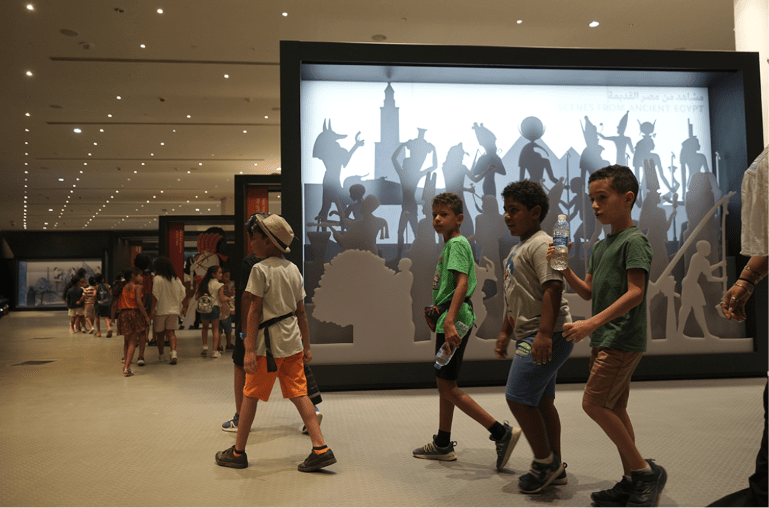
Families generally find the museum easier to navigate than older museums thanks to its spacious galleries, modern facilities, and clear displays. Younger children may benefit from shorter visits focused on the museum’s most impressive exhibits rather than attempting every gallery.
Do I need a guide inside the museum?
Independent visitors can comfortably navigate the museum using maps and interpretive displays. However, travelers who want a deeper understanding of the collections usually find that a licensed Egyptologist adds valuable historical context that isn’t always obvious from exhibit labels alone.
Is photography allowed inside the museum?
Photography is generally permitted in many public gallery spaces, but restrictions may apply to certain exhibitions or special collections. Check the latest photography policy when you enter, as rules can change over time.
One of the most common mistakes travelers make is treating the Grand Egyptian Museum as a quick stop before or after the pyramids. Its collections deserve dedicated time, thoughtful pacing, and the right historical context. Explore Egyptian Nile Adventures helps you combine the museum with Giza in a way that avoids traffic, crowds, and rushed schedules while bringing the exhibits to life through expert Egyptologist guides. If you want your museum visit to become one of the defining experiences of your trip—not just another attraction—explore our Egypt tours and itineraries that include the Grand Egyptian Museum as part of a carefully planned journey.