Egypt Travel Tips First-Time Visitors Actually Need
Most first-time travelers to Egypt do not struggle because Egypt is “difficult.” They struggle because they plan for the version of Egypt they imagined instead of the one they actually arrive in.
The country moves fast in some moments and very slowly in others. A five-star hotel can sit beside chaotic traffic. A perfectly calm sunrise at the temples can turn into intense midday heat within two hours. The travelers who enjoy Egypt most are usually not the ones who over-plan every detail—they are the ones who understand the rhythm of the country early.
These are the Egypt travel tips that actually change the experience on the ground, not generic advice repeated in every travel guide.
Expert Insight: Egypt rewards travelers who manage energy and pacing well. The biggest mistakes are rarely about safety or logistics—they come from trying to do too much in the wrong conditions.
Start Your Days Earlier Than You Normally Would
Egypt works better in the morning.
This matters most in Cairo, Luxor, and Aswan, where heat, traffic, and crowds build quickly as the day progresses. Visiting major sites early changes the experience completely.
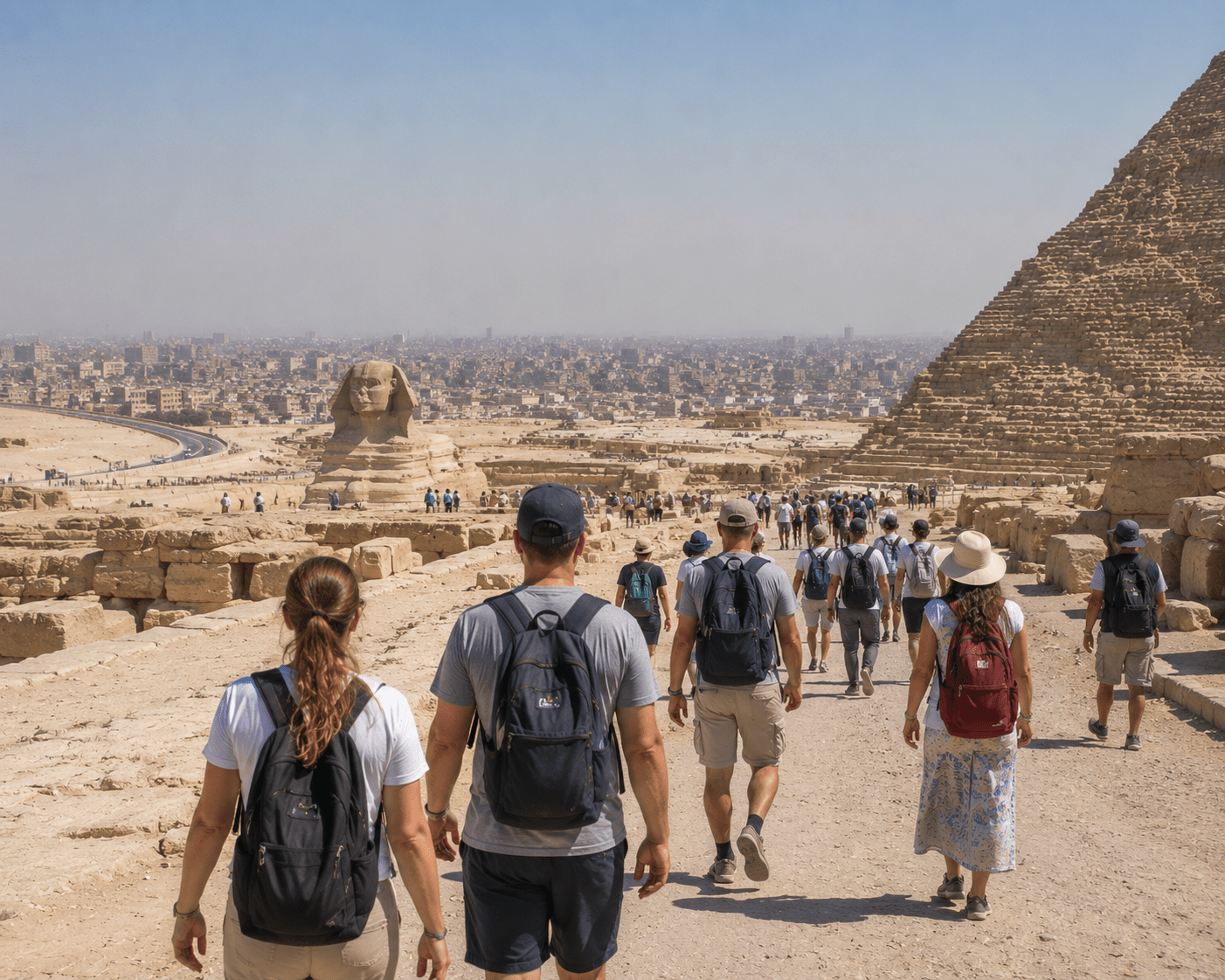
At the Pyramids of Giza, early morning means softer temperatures, clearer desert light, and fewer crowds around the main viewpoints. By midday, the plateau becomes significantly hotter and more congested, especially during peak travel months.
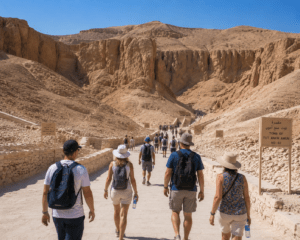
The same pattern applies in Luxor. Temples like Karnak and the Valley of the Kings become physically draining by late morning, particularly between May and September when temperatures regularly push above 40°C (104°F).
Travelers who sleep late in Egypt often spend the hottest hours moving between the most exposed sites.
Do Not Underestimate Transfer Fatigue
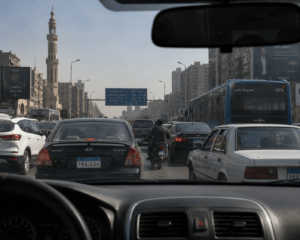
Egypt looks compact on itineraries online, but movement between destinations takes more energy than many travelers expect.
Even short distances can feel long once you combine:
- airport security checks
- Cairo traffic
- hotel transfers
- early departures
- heat exposure
This becomes especially noticeable on itineraries trying to combine Cairo, Luxor, Aswan, Abu Simbel, and the Red Sea in a short timeframe.
A trip with fewer destinations but smoother pacing almost always feels better than an overloaded itinerary with constant movement.
Guide’s Note: Travelers often focus heavily on hotel quality while underestimating transportation fatigue. In Egypt, how you move through the country affects the trip more than upgrading a room category.
Expect Attention at Tourist Sites
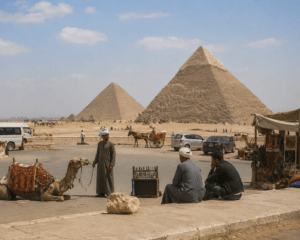
Around major tourist areas—especially the pyramids—you will receive attention from vendors, camel handlers, souvenir sellers, and people offering help.
For first-time visitors, this can feel overwhelming at first simply because the interaction style is more direct than in many Western destinations.
The key is understanding that most interactions are persistent sales attempts, not dangerous situations.
A calm, polite, confident “no thank you” usually works better than engaging in long explanations or negotiations you do not intend to continue.
Travelers who become visibly frustrated tend to attract more pressure, while those who stay relaxed move through sites more comfortably.
Cash Matters More Than Most Travelers Expect
Cards are increasingly accepted in hotels, upscale restaurants, and larger businesses, but cash still plays a major role in daily travel throughout Egypt.
You will regularly need small bills for:
- tipping
- public bathrooms
- small cafes
- local purchases
- quick site expenses
One of the most common mistakes is carrying only large banknotes or relying entirely on cards.
Having smaller Egyptian Pound notes available makes daily interactions significantly easier.
Tipping Is Part of the Travel Culture
Tipping in Egypt is deeply built into everyday service culture.
This does not mean you are expected to tip constantly for every interaction, but travelers should expect tipping to be part of:
- hotel service
- drivers
- guides
- cruise staff
- baggage handling
The important thing is consistency and realism, not overpaying.
Travelers unfamiliar with Egypt sometimes feel uncomfortable with how frequently tipping appears during the trip. Once understood as part of the local service structure rather than a tourist scam, it becomes much easier to navigate naturally.
Egypt Feels More Physically Intense Than Many Destinations
This is something travelers rarely understand before arriving.
Egypt is not difficult because of danger—it is physically demanding because of:
- heat
- sunlight exposure
- large archaeological sites
- early wake-ups
- dry climate
- repeated movement
Sites like Karnak Temple are much larger in person than travelers expect. The Pyramids plateau involves more walking and exposure than photos suggest. Abu Simbel often begins before sunrise because of the long desert drive from Aswan.
Pacing matters more in Egypt than in many other countries.
Guide’s Note: The travelers who enjoy Egypt most are usually the ones who leave downtime in the itinerary instead of trying to maximize every hour.
Choose Guides Carefully
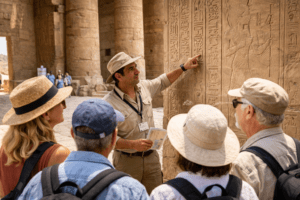
A strong guide changes Egypt completely.
The difference is not just historical knowledge. Good guides manage timing, site flow, crowd avoidance, pacing, and local logistics in ways that dramatically reduce friction throughout the trip.
This becomes especially important at:
- the pyramids
- major Luxor temples
- museum visits
- busy market areas
A poorly structured tour can make Egypt feel rushed and exhausting. A well-managed one makes the country feel surprisingly smooth.
Build Your Itinerary Around Geography, Not Attractions
One of the biggest planning mistakes is trying to group sites based on excitement rather than location.
In Cairo especially, geography matters.
Combining:
- Giza
- Islamic Cairo
- Old Cairo
- the Grand Egyptian Museum
- Khan El Khalili
into one day often creates more time in traffic than at the sites themselves.
The same principle applies throughout Egypt. Good itineraries reduce unnecessary backtracking and use transportation strategically instead of reactively.
Articles like How to Get Around Egypt and How Many Days in Egypt Do You Need? become much more useful once travelers understand how physically spread out many experiences actually are.
You Do Not Need to “Rough It” to Experience Egypt Properly
Some travelers arrive expecting Egypt to feel constantly chaotic or uncomfortable.
In reality, Egypt can feel very smooth when the trip is structured properly.
Private transfers, well-timed touring, strategically located hotels, and realistic pacing eliminate most of the friction travelers worry about beforehand.
The difference between a stressful Egypt trip and an exceptional one is usually not budget—it is planning quality.
FAQ: Egypt Travel Tips
What is the biggest mistake first-time visitors make in Egypt?
Trying to do too much too quickly causes most problems. Egypt rewards slower pacing far more than overloaded itineraries packed with constant movement.
Is Egypt overwhelming for first-time travelers?
The first day or two can feel intense because of traffic, heat, and the pace of interaction around tourist areas. Most travelers adjust quickly once they understand the rhythm of the country.
How much cash should you carry in Egypt?
Carrying smaller amounts of Egyptian Pounds for daily expenses works best. Hotels and larger businesses often accept cards, but smaller transactions still rely heavily on cash.
Are guided tours worth it in Egypt?
Good guides significantly improve the experience because they help manage timing, navigation, crowds, and logistics—not just explanations of the sites themselves.
What time should sightseeing start in Egypt?
Early mornings consistently create better conditions. Temperatures, crowds, and traffic all become more difficult later in the day, especially in Cairo and Upper Egypt.
Most Egypt travel problems do not come from the country itself. They come from unrealistic pacing, poor transportation planning, and itineraries that look efficient online but feel exhausting on the ground.
Explore Egyptian Nile Adventures structures trips around real travel conditions—timing, heat, movement, and how sites actually flow throughout the day—so the experience feels manageable instead of overwhelming.
See recommended Egypt itineraries designed around how travelers actually experience Egypt, not just how destinations connect on a map.