Why Is Egypt Misunderstood as a Travel Destination?
Why is Egypt misunderstood by so many travelers before they ever arrive? Part of the reason is unusual for a travel destination: most people already think they know what Egypt is like.
The images arrive long before the plane does. Pyramids against empty desert. Tutankhamun’s gold mask. Camels. The Nile. Crowded Cairo streets. News reports from the Middle East. Perhaps a Nile cruise or a Red Sea resort gets added somewhere along the way.
None of those images is necessarily false. The problem is how easily a few pieces become the whole picture.
That matters when planning a trip. Someone who thinks Egypt is essentially an archaeological destination may build an itinerary that races from monument to monument and misses much of the country around them. Someone whose impression comes mainly from regional news may worry about situations far removed from the places they intend to visit. Someone whose research comes from short-form travel videos may expect either effortless magic or nonstop hassle.
Egypt is more complicated than any of those versions.
The misunderstanding begins partly because Egypt’s ancient past is extraordinarily famous, but it is reinforced by the way the country appears in international news, tourism, films, photographs, and social media. By the time many travelers arrive, they are not starting with a blank page. They are trying to reconcile the country in front of them with a version of Egypt they have been assembling for years.
Ancient Egypt Can Overshadow the Country That Exists Today
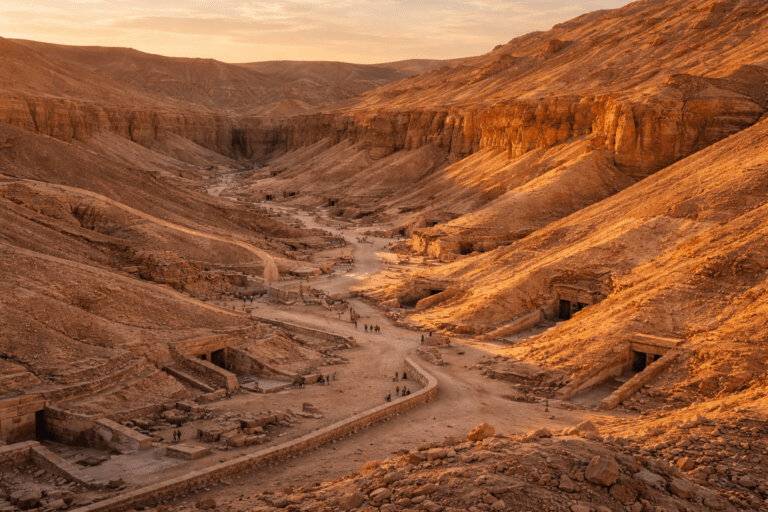
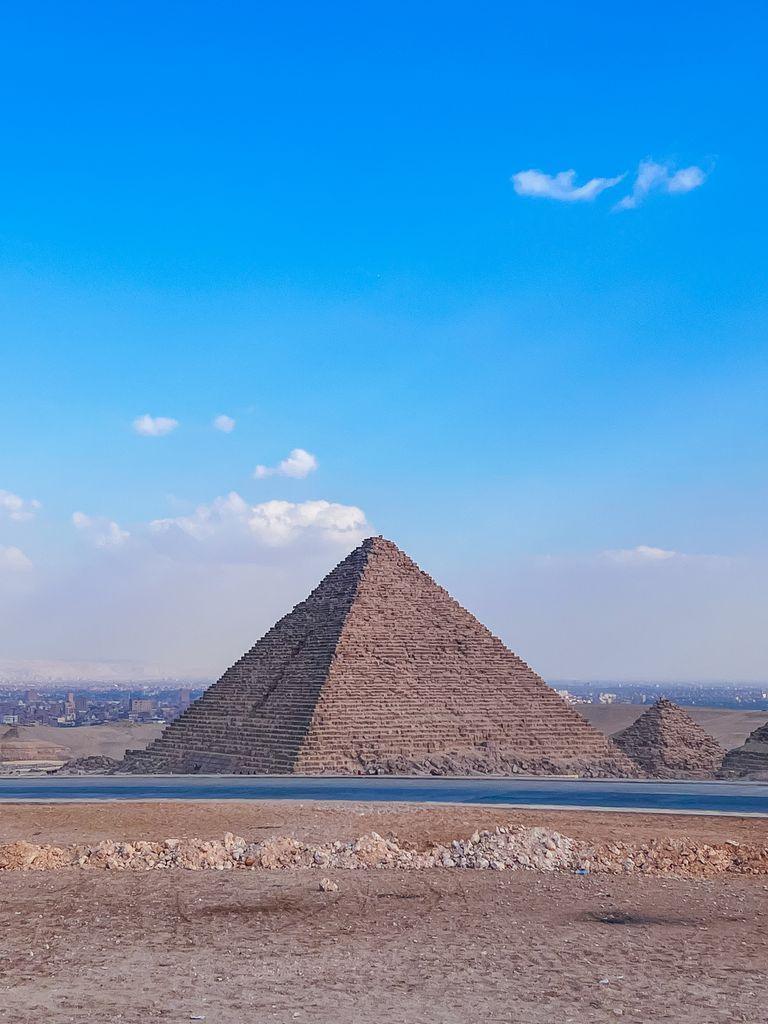
There is no sensible argument for giving ancient Egypt less attention. The Giza pyramid complex, temples of Luxor, royal tombs, Abu Simbel, Saqqara, and Egypt’s museum collections are among the country’s greatest reasons to travel.
The distortion happens when ancient Egypt becomes shorthand for Egypt.
A traveler can know the names of pharaohs who lived thousands of years ago while knowing almost nothing about contemporary Cairo. International audiences may recognize the Great Sphinx immediately but be far less familiar with Alexandria, modern Egyptian art and music, Coptic communities, Nubian culture, the Nile Delta, or everyday life in a country of more than 100 million people.
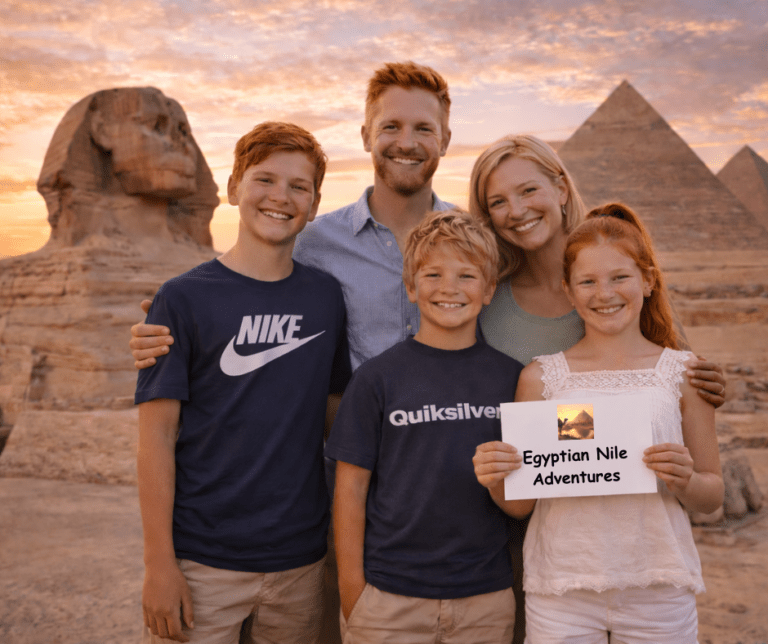
Tourism imagery reinforces this because ancient monuments photograph so well. Remove the surrounding city, road, visitors, security, shops, and modern buildings from a frame and the resulting photograph seems almost timeless.
Then you arrive.
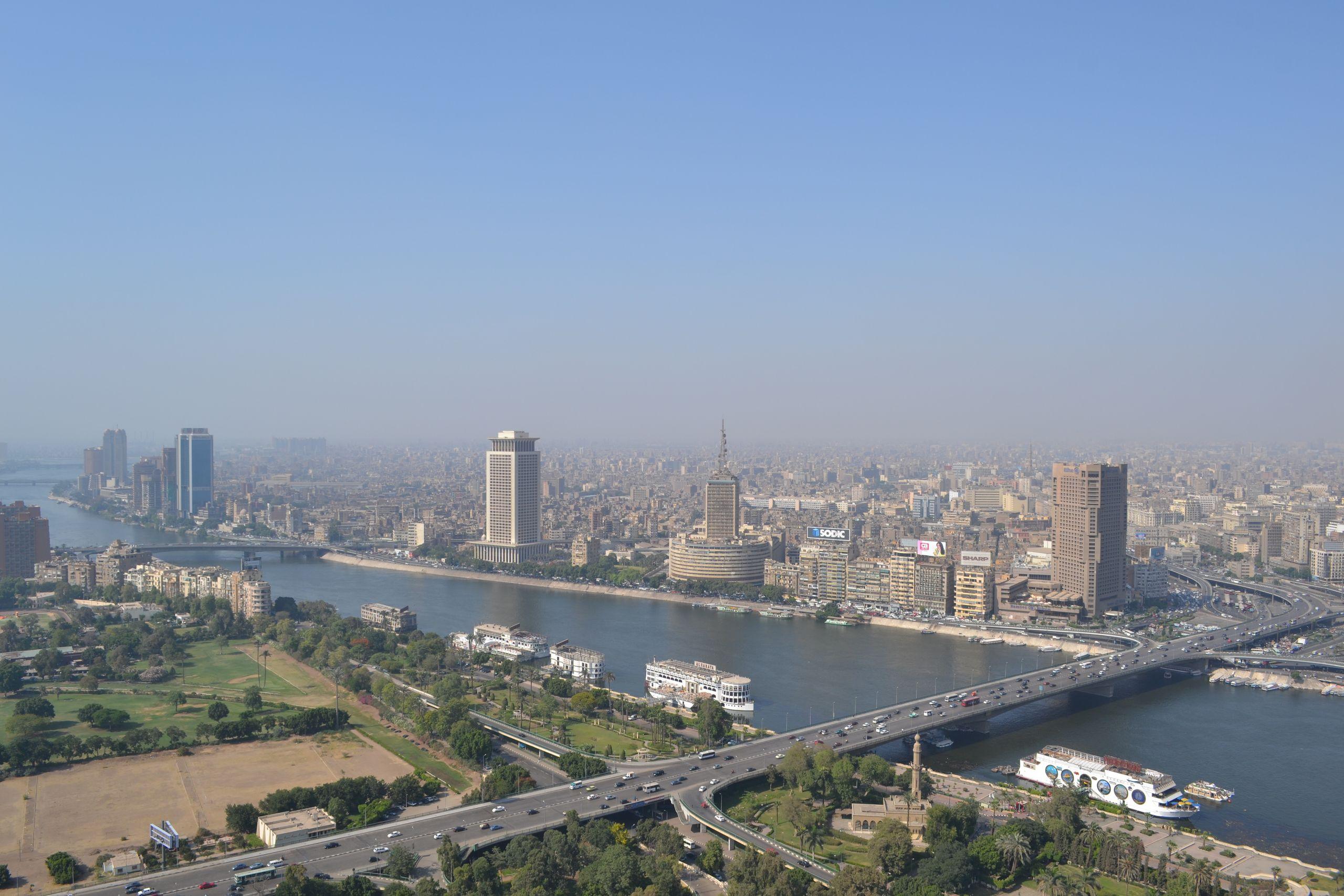
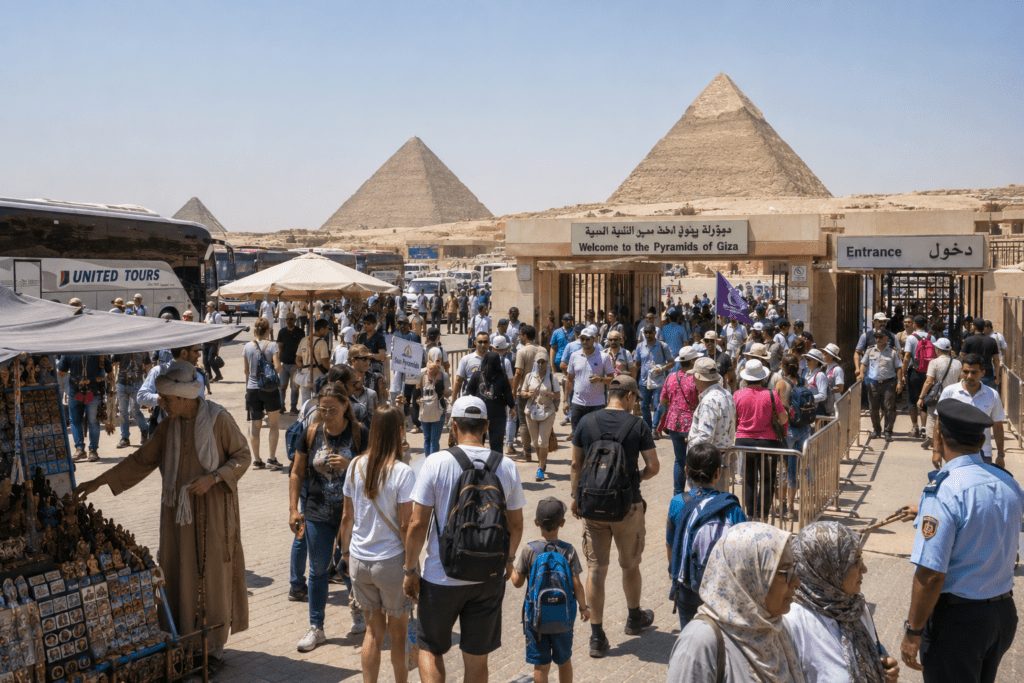
The pyramids are not standing in an isolated desert hundreds of kilometers from modern life. They sit at the edge of Greater Cairo. The Nile is not simply the scenic river seen from a cruise deck; it remains part of the geography of cities, farms, transportation, recreation, and daily life. Historic Cairo is not a preserved film set. Its monuments exist among neighborhoods where people live and work.
Ancient Egypt is real. So is everything that came after it.
Understanding the country means allowing both to occupy the same map.
International News Rarely Shows Egypt at the Scale of a Traveler’s Trip
Another part of the problem is geographical.
International news quite reasonably reports wars, political instability, terrorism, border tensions, and diplomatic developments. But audiences watching from another continent may absorb those events as one broad regional picture rather than as separate situations occurring in different countries and locations.
For a traveler, geography matters much more precisely.
An event elsewhere in the Middle East is not automatically an event in Cairo. A security concern affecting a particular border area does not automatically describe conditions in Luxor. At the same time, it would be equally misleading to swing to the other extreme and treat every part of Egypt as interchangeable or dismiss regional developments altogether.
This is why questions about safety deserve more than either “Egypt is dangerous” or “Egypt is perfectly safe.” The useful question is where you plan to travel, what current official advice applies there, and whether anything happening at the time changes that particular journey.
Our Is Egypt Safe for Tourists? guide deals with that planning question separately. This article does not need to duplicate it.
The larger point is about perception: people routinely make travel judgments at a much broader geographical scale than they would at home. Few travelers would treat an incident in one corner of the United States or Europe as a description of every city on the same continent. Egypt does not always receive the same geographical precision.
The Egypt Most Tourists See Is Real—but It Is a Particular Part of Egypt
Travel can create its own distortion.
Imagine a first trip built around Giza, the Grand Egyptian Museum, Luxor, Aswan, a Nile cruise, and perhaps a major market. That traveler has seen extraordinary parts of Egypt. They have also spent a significant amount of time inside places where the local economy is unusually concentrated around visitors.
That changes the interactions around them.
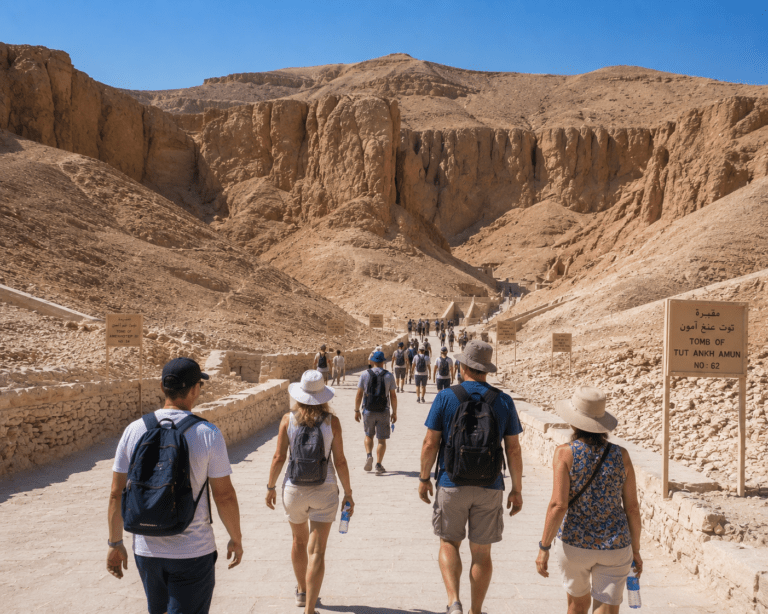
Near major attractions, travelers encounter guides, drivers, vendors, photographers, souvenir sellers, restaurants, hotels, cruise staff, and others whose work is connected directly or indirectly to tourism. Commercial approaches that would be unusual in an ordinary residential area are normal in some heavily visited places.
It is easy to mistake that environment for a national personality.
It works in the opposite direction too. A traveler leaves the main visitor areas, has a warm conversation with someone who has nothing to sell, and announces that they have finally found the “real Egypt.”
There is no single real Egypt waiting outside the tourist zone.
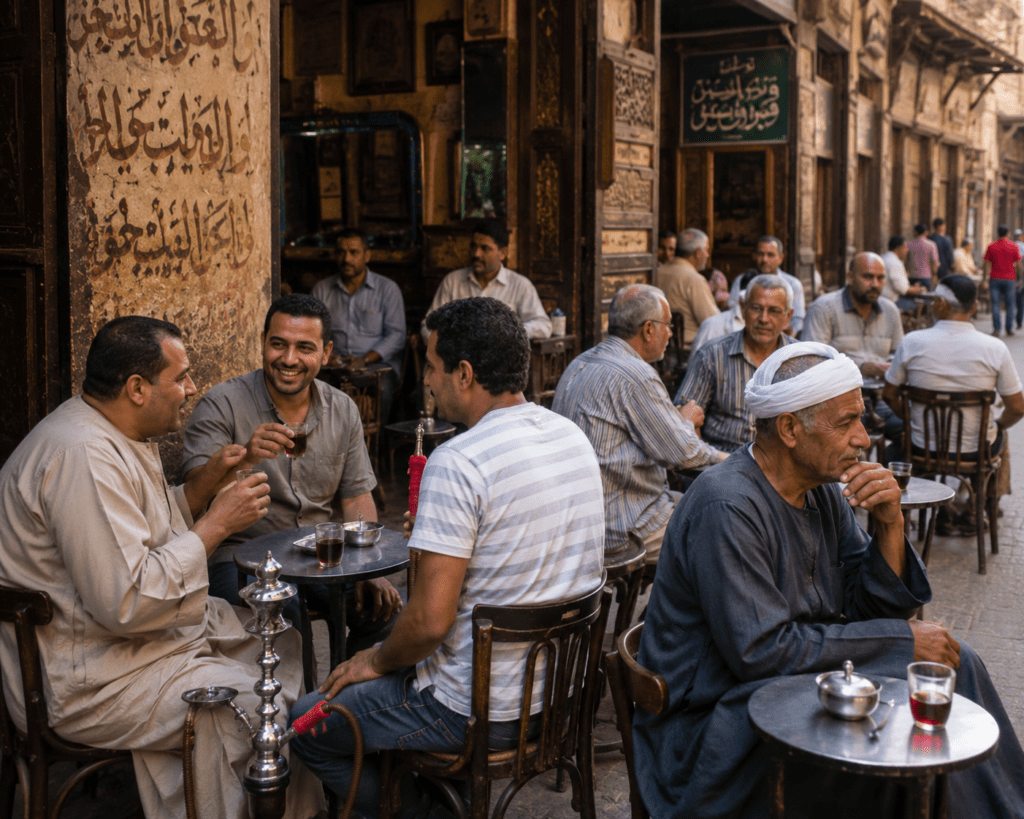
Khan El Khalili is real Egypt. So is a residential street in Cairo. So is a Nile Valley farming community, a university campus, a Red Sea resort, an Alexandria neighborhood, a Nubian village, a new development on Cairo’s outskirts, and an oasis settlement in the Western Desert.
They are different environments inside the same country.
That distinction helps travelers interpret what happens around them without turning one afternoon into a conclusion about more than 100 million people.
Social Media Is Better at Showing Moments Than Showing Proportion
Egypt produces spectacular travel content.
An empty temple at opening time can look as though you have walked into the ancient world alone. A sunset over the Nile can make an entire trip look serene. A crowded market, traffic jam, persistent seller, or uncomfortable interaction can make the same destination look exhausting.
All of those moments can happen.
What a 30-second video cannot tell you is how much of a trip each moment represents.
A difficult five-minute interaction can become the story of someone’s entire day online. So can five minutes of perfect sunset light. The uneventful parts rarely get posted: a transfer that works normally, an interesting hour with a guide, an ordinary lunch, a quiet drive, a museum visit that goes according to plan, or an evening when nothing particularly dramatic happens.
Those ordinary periods matter because travel is mostly made of them.
This is also where this article and our Egypt Myths vs Reality guide have different jobs. If you want to check specific claims you have heard about scams, heat, food, transportation, crowds, or language, that guide addresses them individually. Here, the more useful question is why Egypt is misunderstood so easily in the first place, especially when extreme impressions travel farther online than ordinary experiences.
A dramatic moment is memorable. It is not automatically representative.
Sometimes Cultural Difference Gets Interpreted as a Travel Problem
Travelers do not arrive without a frame of reference. We compare unfamiliar places with places we already understand.
That can become particularly noticeable in Egypt.
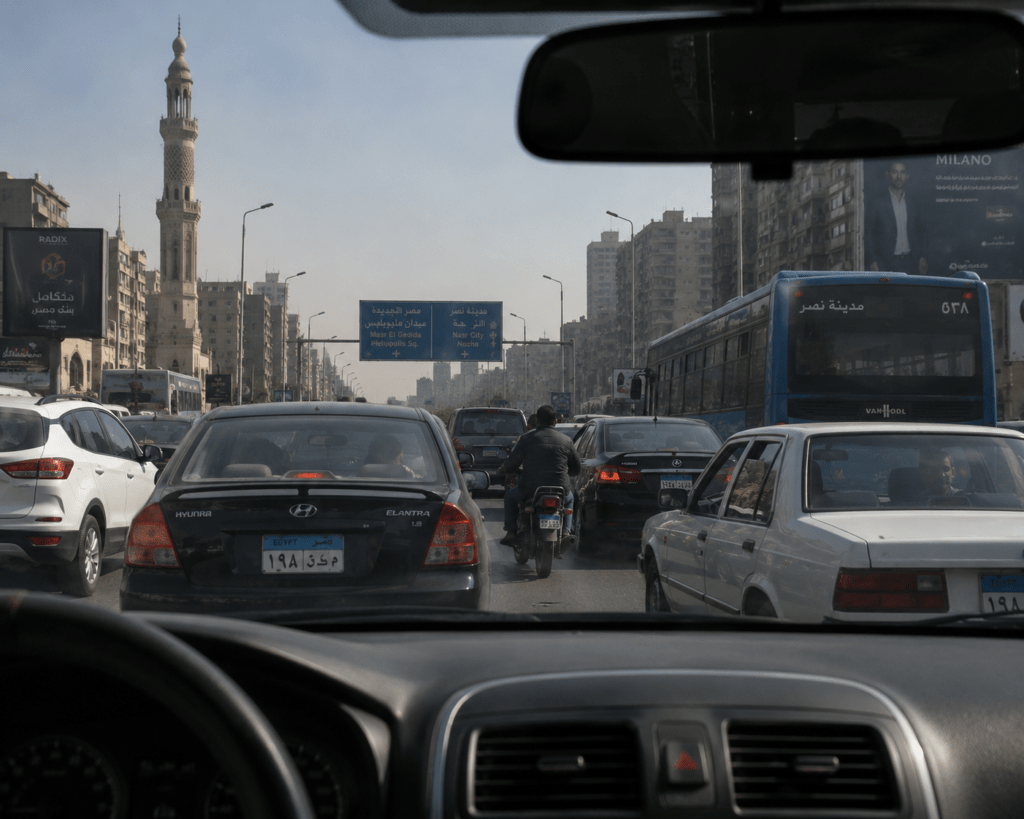
Communication may feel more direct than some visitors expect. Tipping appears in more situations than it does in some countries. Bargaining belongs in certain commercial environments. Traffic in Cairo can make a distance that looks modest on a map take much longer than expected. Personal space, noise, service styles, and social interaction do not always follow the norms a visitor uses at home.
None of that means travelers have to enjoy every difference.
A persistent seller can still be irritating. Cairo traffic can still derail an overfilled itinerary. A traveler can understand why bargaining exists and still dislike doing it.
The useful distinction is between “I don’t like this” and “this country doesn’t work properly.”
Those are different judgments.
Learning a little about how Egypt works removes a surprising amount of unnecessary friction because it changes what you plan for. You allow more time for Cairo. You know where a price is fixed and where bargaining is normal. You understand that the social atmosphere at a market is different from the atmosphere inside a hotel or museum.
Preparation does not make Egypt less Egyptian. It simply means fewer ordinary differences arrive as surprises.
Egypt Is More Socially Varied Than Simple Travel Rules Suggest
Travel advice about Egypt often becomes most rigid when the subject turns to clothing, women travelers, religion, alcohol, public behavior, or interaction between men and women.
Some context is important. Egypt is socially conservative in many settings, and visitors should respect living religious spaces and recognize that expectations can change with location.
But a mosque, Red Sea resort, Cairo shopping mall, archaeological site, village, upscale restaurant, local market, and Mediterranean beach are not the same social environment.
Advice that treats them as interchangeable is not especially useful.
This is one reason blanket statements about what “Egyptians do” or what “women must wear in Egypt” can become misleading. Law, widespread custom, family preference, location, social setting, generation, and individual choice are not the same thing.
Visitors do not need to memorize a complicated code of behavior before arriving. They do benefit from paying attention to context.
That approach is more respectful than replacing Egyptian people with another stereotype—whether the stereotype is restrictive and frightening or endlessly welcoming and uncomplicated.
Modern Egypt contains disagreement, variation, different lifestyles, and different expectations because modern Egyptians are people, not a cultural lesson arranged for tourists.
The Familiar Desert Image Hides an Entire Country
Egypt’s physical geography creates another surprise.
The country really is overwhelmingly desert. That part of the popular image is accurate. What the image often misses is how dramatically different landscapes can sit beside one another.
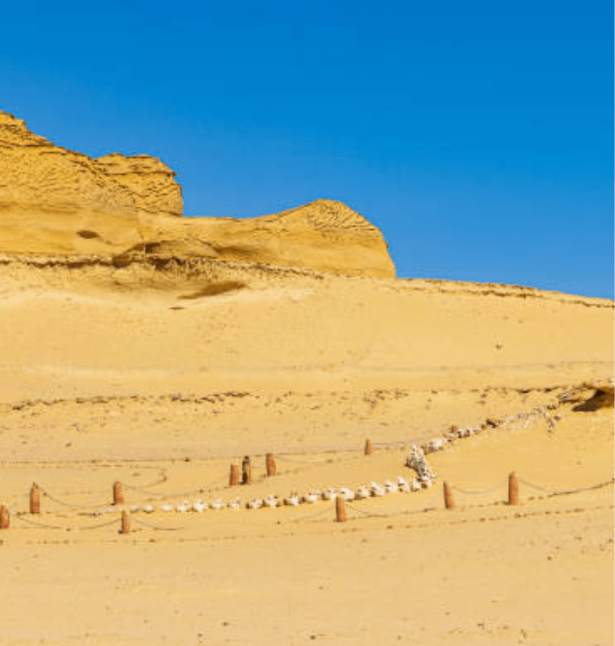
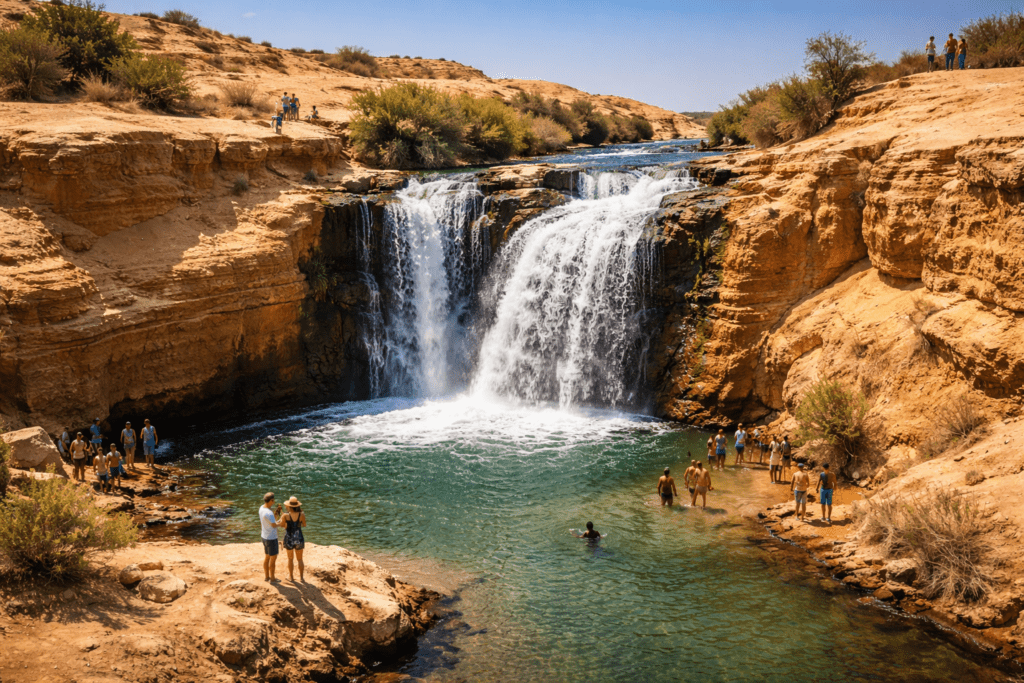
The Nile cuts a cultivated corridor through otherwise arid land. The Delta spreads into broad agricultural areas in the north. Egypt meets the Mediterranean along its northern coast and the Red Sea to the east. Sinai adds mountains and another coastline. Western Desert oases interrupt vast dry landscapes with palms, springs, cultivation, settlements, and lakes.
Even the desert does not look the same everywhere.
The Egyptian Tourism Authority’s official Experience Egypt geography guide shows just how varied that landscape is, from the Nile Valley and desert plateau to oases, mountain ranges, and Egypt’s Mediterranean and Red Sea coastlines, and points travelers toward activities ranging from diving in Dahab to desert travel and nature experiences.
That geographical variety matters because it changes what an Egypt trip can actually contain.
A traveler can walk through an Old Kingdom pyramid complex, spend another day beside green agricultural land, sail through Upper Egypt, cross desert landscapes, and later snorkel above coral in the Red Sea.
Those experiences are not side trips away from Egypt.
They are Egypt.
Romantic Images Can Misrepresent Egypt Too
Misunderstanding Egypt does not always mean expecting something bad.
Sometimes expectations are too perfect.
Tourism photography naturally favors the moment when a temple is quiet, the light is beautiful, the Nile is calm, and nobody has stepped into the frame. Those photographs can be completely genuine while still creating an unrealistic expectation of what visiting the place will be like.
Egypt’s major archaeological sites receive visitors. Cairo has traffic. Airports involve waiting. Nile cruises operate around sailing and sightseeing schedules. Popular sites can be busy. Long transfers still feel long even when the destination at the end is remarkable.
That does not diminish the experience. It makes planning important.
A badly paced itinerary can turn an extraordinary collection of places into a sequence of alarms, vehicles, entrances, photographs, and departures. A more realistic itinerary gives the same places enough room to make sense.
Timing matters as well. Egypt in January and Egypt in July are not the same physical experience, particularly at exposed archaeological sites in Upper Egypt. Our Best Time to Visit Egypt guide goes into those seasonal tradeoffs in detail.
The goal is not to lower expectations before visiting Egypt. It is to put expectations in the right place.
Egypt Is Relatively Easy to Visit. Understanding It Takes Longer.
This may be the distinction that matters most.
Egypt has been receiving international travelers for a very long time. Its major tourism routes connect airports, hotels, museums, archaeological sites, Nile cruises, resorts, guides, drivers, and established visitor services. The practical challenge is usually designing the right route and pace rather than discovering whether tourism infrastructure exists at all.
Understanding what you are looking at is harder.
A traveler can visit Karnak and see an enormous temple complex. Context explains why it changed over many centuries and why that matters.
You can walk through Coptic Cairo and see historic churches. Context helps explain why these are not simply monuments from another period but part of Egypt’s continuing Christian history.
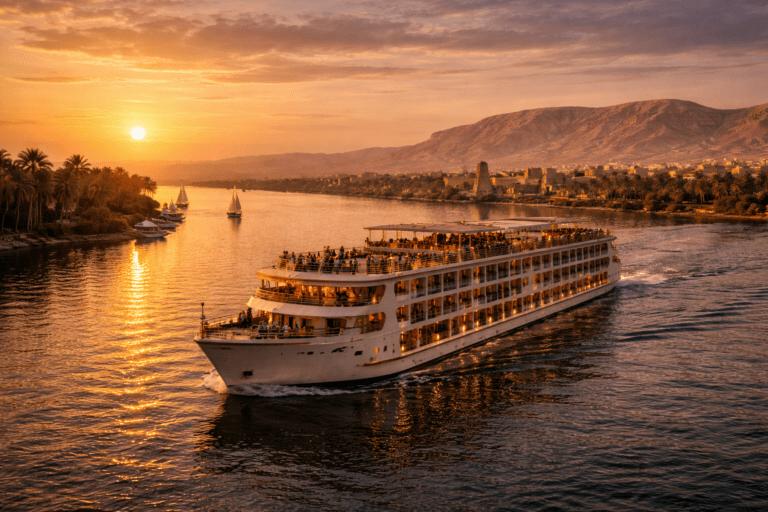
You can sail between Luxor and Aswan and admire the landscape. Context changes the green strip beside the river from scenery into an explanation of why settlements, agriculture, temples, transportation, and political power developed where they did.
The same is true of modern Egypt.
Knowing that a market interaction follows different conventions, that a neighborhood has its own history, or that a religious building is still actively used changes what you notice. You stop treating everything unfamiliar as background to the monuments.
That is where Egypt becomes more interesting.
Not because somebody has revealed a “secret” Egypt, but because the pieces begin to connect.
A Better First Trip Starts With Better Questions
There is no need to arrive in Egypt free of assumptions. Nobody travels that way.
It is more useful to know which assumptions need testing.
Instead of asking whether Egypt is safe in the abstract, ask about the places on your route and check current guidance.
Instead of asking whether Egypt is conservative, ask what is appropriate in the particular settings you plan to visit.
Instead of asking whether Egypt is chaotic, work out which parts of your itinerary need more time, better transportation, or a guide.
And instead of asking how many famous attractions can fit into a day, ask which ones make sense together and how much time will allow you to understand them.
Those questions produce a better trip because they deal with Egypt as a place rather than an idea.
See More Than the Version of Egypt You Already Know
There is nothing wrong with coming to Egypt for the pyramids. For many travelers, seeing them for the first time is the reason the trip exists.
But Egypt makes more sense when the pyramids are a starting point rather than the entire definition of the country.
A first journey might connect Cairo with the Nile Valley. Another might add a desert landscape, the Red Sea, Fayoum, or Siwa. The right combination depends on how much time you have and what you actually want from the trip; adding destinations simply to make the itinerary longer defeats the point.
Explore ENA’s multi-day Egypt tours show the different routes currently available, including journeys that combine Egypt’s major archaeological sites with the Nile, desert landscapes, oases, and Red Sea destinations. Compare the live itineraries and choose the route that gives the parts of Egypt you care about enough time to be more than stops on a checklist.