How Many Days Do You Need in Luxor?
Luxor is one of those destinations where travelers often underestimate the amount of time they need. Looking at a map, the city’s main attractions appear close together, leading many visitors to believe everything can be comfortably explored in a single day. Once they arrive, however, they quickly realize that Luxor is home to some of the largest and most significant archaeological sites in the world.
Unlike Cairo, where history is spread across a vast modern city, Luxor revolves around the Nile. On one side stand immense temple complexes that once formed the religious heart of ancient Egypt. Across the river lie royal tombs hidden beneath the Theban Hills, where generations of pharaohs prepared for the afterlife. Each site deserves time, and the distances between them—combined with Egypt’s heat—make rushing from one monument to another far less enjoyable than many expect.
The right amount of time depends on whether Luxor is a stop during a Nile cruise or a destination in its own right. Some travelers arrive with only one day before continuing south, while others choose to stay several nights and experience the city at a slower pace.
This guide explains what realistically fits into one, two, and three days in Luxor so you can decide how long you should stay before finalizing your Egypt itinerary.
If you’re still deciding how Luxor fits into your overall trip, our How Many Days Do You Need in Egypt? guide compares complete itinerary lengths across the country.
Expert Insight: Most travelers who spend only one day in Luxor leave feeling they saw the monuments but didn’t truly experience the city. Two days is the minimum we recommend, while three days provides a far more comfortable pace.
Quick Comparison
| Time in Luxor | Best For | What You’ll Experience |
|---|---|---|
| 1 Day | Tight itineraries and Nile cruises | East Bank and selected West Bank highlights |
| 2 Days | Most first-time visitors | Major temples, Valley of the Kings, and a relaxed pace |
| 3 Days | History lovers and photographers | Complete Luxor experience with extra time for museums, balloon rides, and quieter exploration |
Is One Day Enough?
One day in Luxor is possible, but it requires careful planning and realistic expectations.
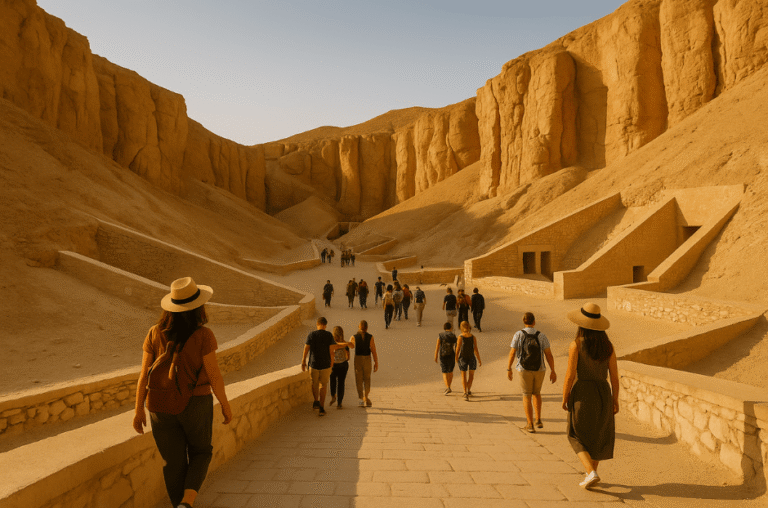
Most visitors begin before sunrise to avoid the strongest heat. The morning is usually dedicated to the West Bank, where the Valley of the Kings, the Temple of Hatshepsut, and the Colossi of Memnon can be visited before temperatures climb.
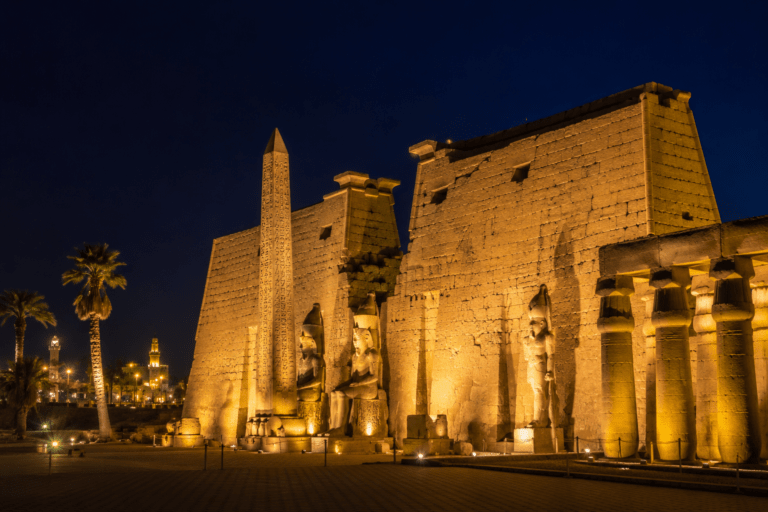
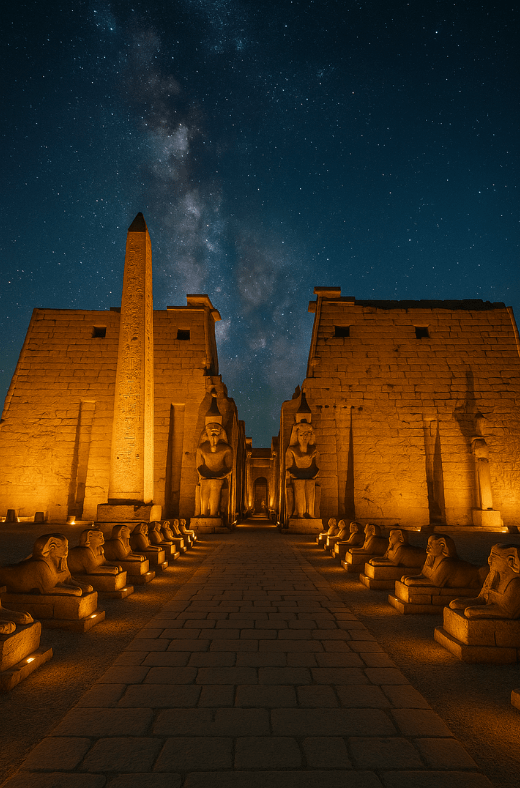
After lunch, attention shifts to the East Bank. Karnak Temple deserves several hours on its own, and many travelers finish the day at Luxor Temple, which becomes particularly beautiful after sunset when the ancient columns are illuminated.
Although this itinerary covers Luxor’s most famous landmarks, it leaves little time to absorb what you’re seeing. Each site becomes a scheduled stop rather than an experience.
One day works best for travelers on a tight schedule or those continuing immediately to Aswan, but it is not the ideal way to experience Luxor.
Two Days in Luxor
Two days is the sweet spot for most first-time visitors.
Instead of trying to fit everything into one long sightseeing day, the city naturally divides into its two historic regions.
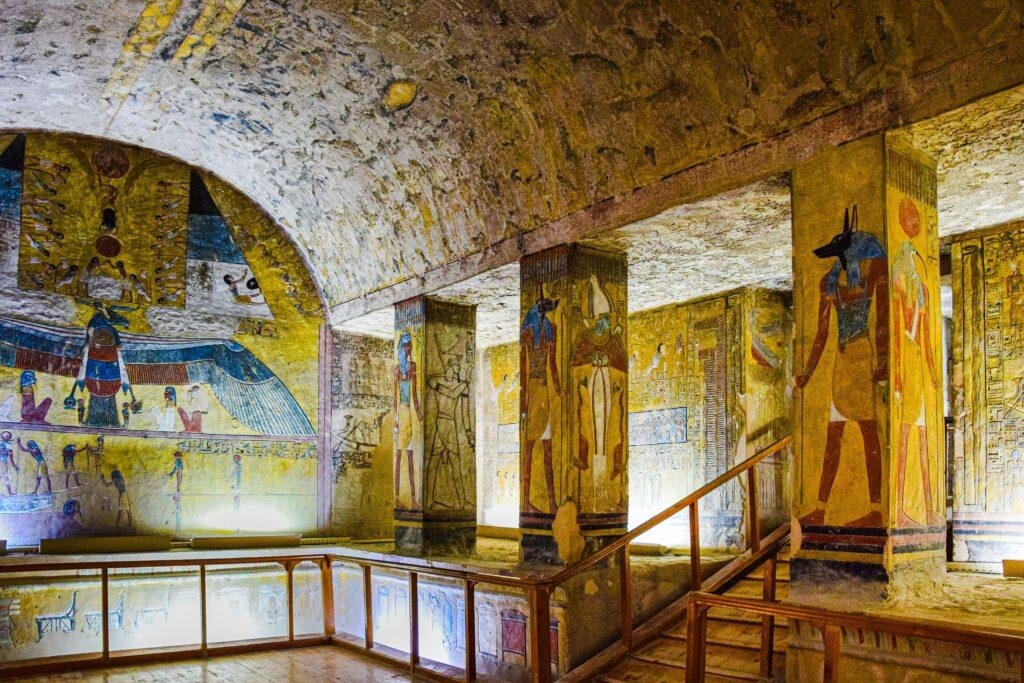
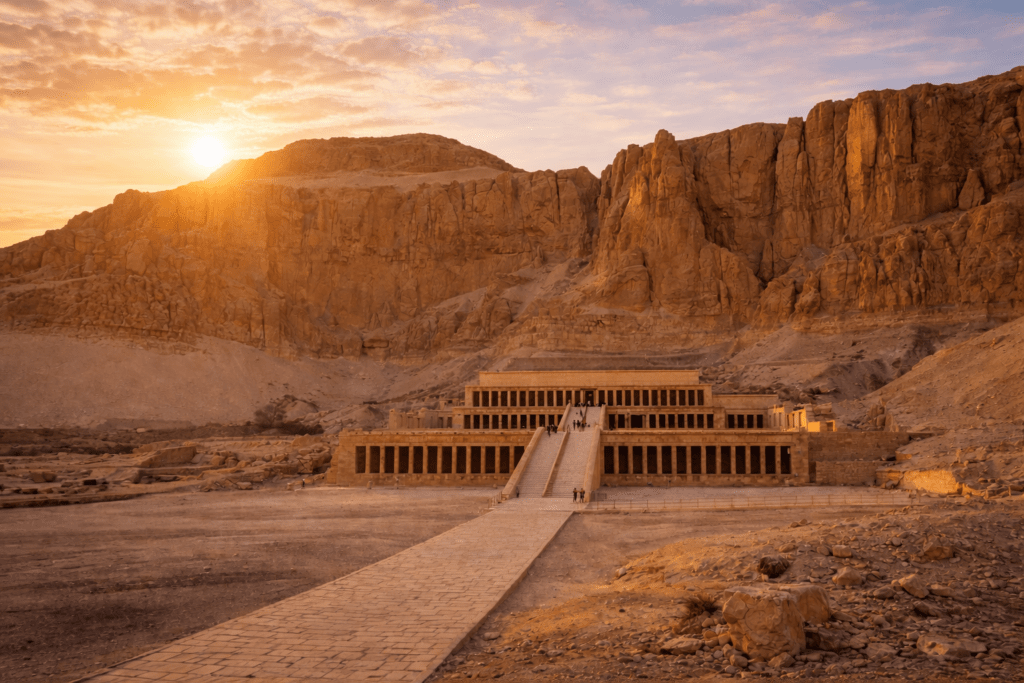
One day is dedicated to the West Bank. Visiting the Valley of the Kings early in the morning allows you to explore several royal tombs before continuing to the Temple of Hatshepsut and the Colossi of Memnon. With more time available, you can slow down inside the tombs rather than rushing toward the next stop.
The second day focuses on the East Bank. Karnak Temple deserves a leisurely visit because of its enormous scale, while Luxor Temple is best appreciated later in the afternoon or after sunset when the changing light transforms the ancient sandstone.
Two days also leaves room for lunch overlooking the Nile, quieter moments between sites, and the flexibility to adjust sightseeing around the weather rather than forcing everything into a rigid schedule.
For most travelers, this is the ideal balance between seeing Luxor’s highlights and actually enjoying them.
Three Days in Luxor
A third day changes the pace of the visit rather than simply adding more attractions.
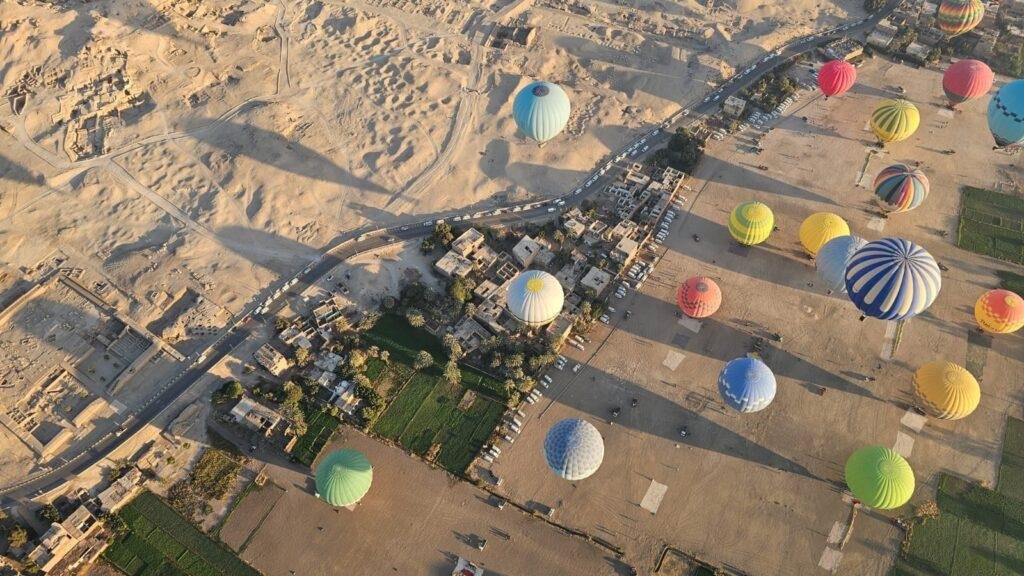
Many travelers use the extra morning for a sunrise hot air balloon flight, watching the first light spread across the Nile Valley before returning to continue sightseeing. Others revisit Karnak Temple when it opens, enjoying the quieter atmosphere before larger tour groups arrive.
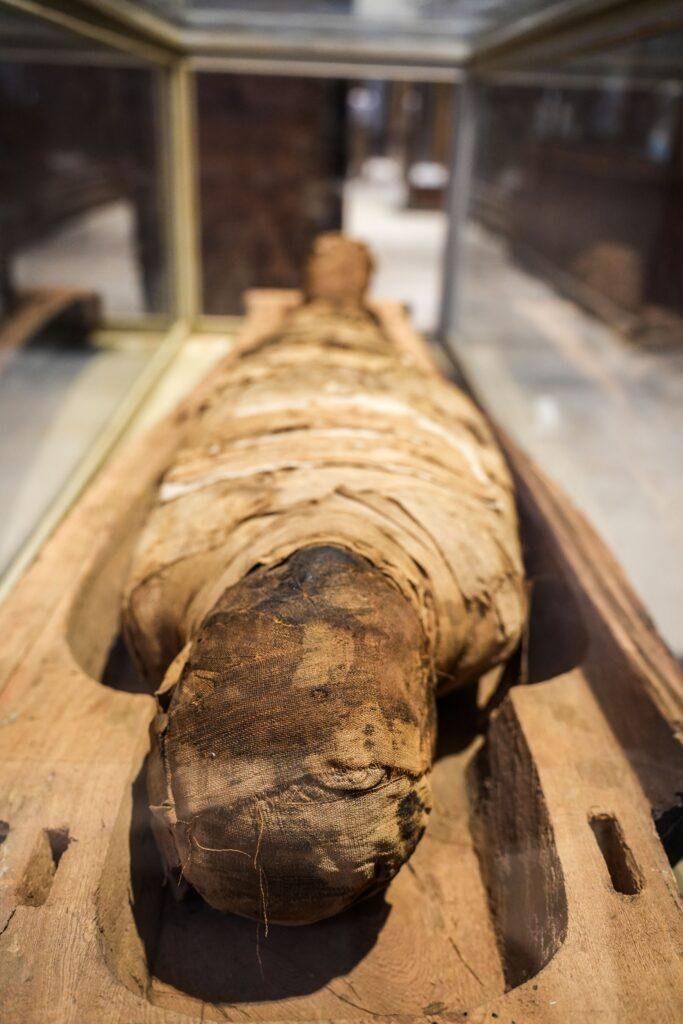
Three days also creates time for places that shorter itineraries often skip. Luxor Museum offers one of Egypt’s finest collections of ancient artifacts, while the Mummification Museum provides fascinating insight into the rituals that shaped ancient Egyptian beliefs about the afterlife.
Some visitors simply appreciate having a slower morning at their hotel or an unhurried felucca sail on the Nile before continuing their journey.
Luxor rewards this slower pace. Instead of feeling like a checklist of monuments, the city begins to reveal how its temples, tombs, and river were all connected.
East Bank vs. West Bank
One of the biggest planning questions is whether to divide Luxor by geography or simply visit attractions as time allows.
The East Bank was the city of the living. It is home to Karnak Temple and Luxor Temple, two monumental complexes connected in ancient times by the Avenue of Sphinxes.
The West Bank was the city of the dead. Here you’ll find the Valley of the Kings, the Temple of Hatshepsut, the Colossi of Memnon, and many other royal and noble tombs.
Splitting your itinerary this way is the most efficient approach because it minimizes driving, avoids unnecessary crossings of the Nile, and allows sightseeing to flow naturally.
Most experienced guides organize tours this way for exactly that reason.
Should You Stay Overnight?
If your schedule allows, absolutely.
Many cruise passengers only experience Luxor during organized shore excursions before continuing south. While this introduces the city’s major attractions, it misses one of Luxor’s greatest strengths—its atmosphere after the day-trippers leave.
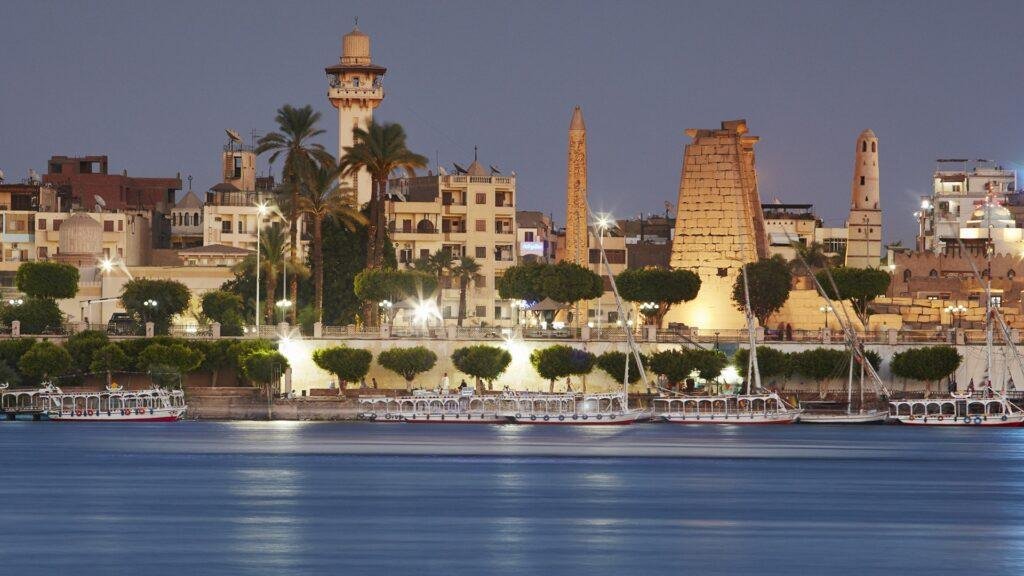
Evenings are noticeably calmer. Walking the Corniche, watching feluccas drift along the Nile, or visiting Luxor Temple after dark creates a completely different experience from the busy daytime hours.
Staying overnight also removes the pressure of trying to fit every attraction into a single day.
Who Should Stay Longer?
History enthusiasts benefit the most from spending three days in Luxor. Every temple and tomb tells part of a larger story, and additional time allows those connections to become much clearer.
Photographers also appreciate a longer stay because Luxor looks dramatically different throughout the day. Sunrise over the West Bank, the golden light inside Karnak Temple, and the illuminated columns of Luxor Temple after sunset all reward patience.
Travelers interested in archaeology often choose to revisit certain sites rather than rushing through them once. Karnak, in particular, reveals new details every time you walk through its enormous halls.
Couples frequently enjoy an extra evening beside the Nile, while travelers following a relaxed itinerary appreciate having time between major archaeological visits.
Hot Air Balloon Considerations
For many visitors, a sunrise hot air balloon flight becomes the highlight of their time in Luxor.
Flights begin well before dawn, allowing balloons to rise over the West Bank just as the first light reaches the Valley of the Kings and the surrounding desert. The views across the Nile, temples, and farmland are unlike anything you’ll experience from the ground.
Adding a balloon ride is easiest when you have at least two nights in Luxor. It reduces the pressure of fitting an early morning activity into an already full sightseeing schedule and provides flexibility should weather delay departures.
Even travelers who are not normally interested in ballooning often describe it as one of the most memorable experiences of their entire Egypt trip.
Guide’s Note: Balloon flights are weather dependent. Scheduling them early in your stay provides more flexibility if conditions require a postponement.
Common Mistakes
The biggest mistake travelers make is treating Luxor as a quick stop between Cairo and Aswan. While it is possible to see the city’s most famous monuments in a single day, doing so usually means rushing through sites that deserve far more time.
Another common mistake is visiting the West Bank too late in the morning. The Valley of the Kings offers very little shade, and temperatures rise quickly after sunrise, especially between May and September. Beginning your sightseeing early makes the experience far more comfortable.
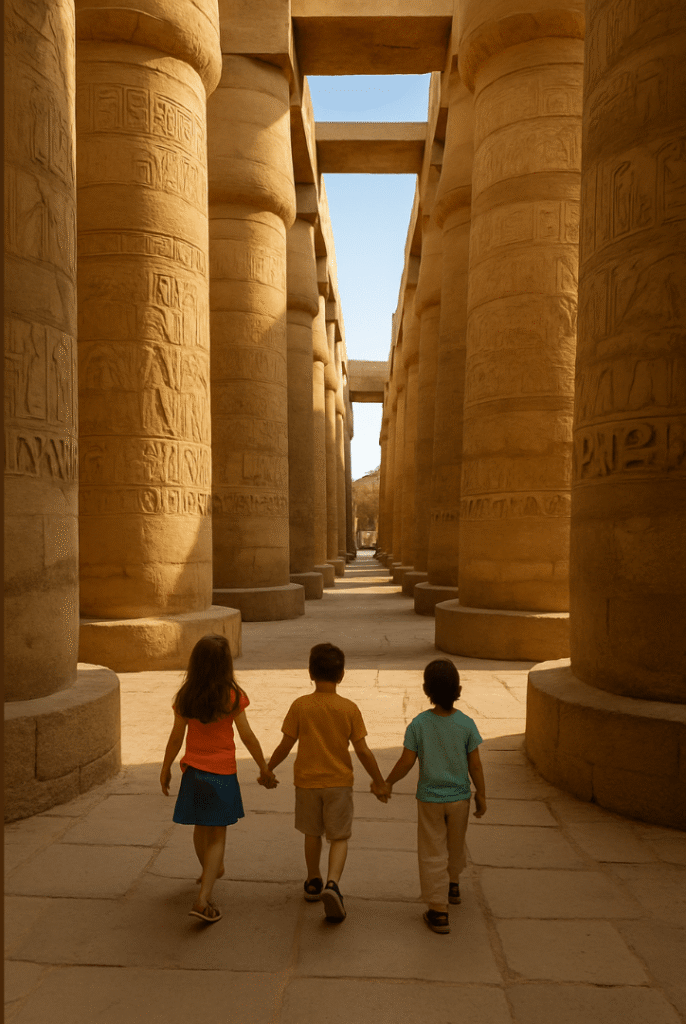
Many visitors also underestimate the size of Karnak Temple. It is not simply another temple—it is one of the largest religious complexes ever built. Allowing only an hour often leaves travelers feeling hurried, with little opportunity to appreciate the Great Hypostyle Hall, the Sacred Lake, and the many temples within the complex.
Some travelers schedule a hot air balloon flight and a full day of West Bank sightseeing before continuing immediately to another destination. While possible, this creates an extremely long day that begins before dawn and often ends well after sunset.
Finally, don’t overlook Luxor after dark. Luxor Temple is beautifully illuminated in the evening, and the Corniche offers a completely different atmosphere once the daytime heat fades. These quieter moments often become some of the most memorable parts of a visit.
FAQ
Is one day enough for Luxor?
One day allows you to see Luxor’s headline attractions, but it requires a fast pace. Most visitors find two days much more enjoyable because it separates the East Bank and West Bank into manageable sightseeing days.
Is two days enough in Luxor?
For most first-time visitors, yes. Two days comfortably covers the Valley of the Kings, the Temple of Hatshepsut, Karnak Temple, Luxor Temple, and other major highlights while maintaining a relaxed pace.
Should I spend three days in Luxor?
Travelers interested in archaeology, photography, or a hot air balloon ride will appreciate a third day. The extra time allows for museums, slower sightseeing, and the flexibility to enjoy Luxor beyond its most famous monuments.
Is Luxor better before or after a Nile cruise?
Both options work well. Travelers beginning a cruise often use Luxor to introduce Upper Egypt before sailing south, while those ending a cruise enjoy spending an extra night exploring sites they may have passed quickly during organized excursions.
Should I stay overnight in Luxor?
Staying at least one or two nights creates a much more enjoyable experience than visiting as a day trip. It allows you to see Luxor Temple after dark, avoid rushing between attractions, and experience the city when many day visitors have already left.
Can you visit Luxor without a guide?
Independent travel is straightforward, but guided visits provide historical context that greatly enhances the experience. Luxor’s monuments become far more meaningful when their stories and symbolism are explained.
Which is better: Luxor or Aswan?
Luxor offers Egypt’s greatest concentration of monumental temples and royal tombs, while Aswan provides a slower pace, beautiful Nile scenery, and Nubian culture. Most first-time visitors should prioritize Luxor if time is limited.
Many travelers try to fit Luxor into a single packed day because they are eager to continue to Aswan or board a Nile cruise. They often return home remembering the schedule more than the monuments themselves. Explore Egyptian Nile Adventures designs itineraries that give Luxor the time it deserves, balancing the Valley of the Kings, Karnak Temple, Luxor Temple, and the West Bank with realistic sightseeing days instead of exhausting schedules. Before finalizing your itinerary, choose the length of stay that lets you experience Luxor rather than simply passing through it. Explore our Luxor tours, Nile cruise options, and Egypt itinerary guides to experience one of the world’s greatest archaeological destinations without feeling rushed.