How Many Days Do You Need in Aswan?
Aswan has a reputation for being a place travelers simply pass through. Many itineraries include one afternoon to visit Philae Temple before moving on to Abu Simbel, Luxor, or the airport. While that approach covers the major landmarks, it misses what makes Aswan one of Egypt’s most enjoyable destinations.
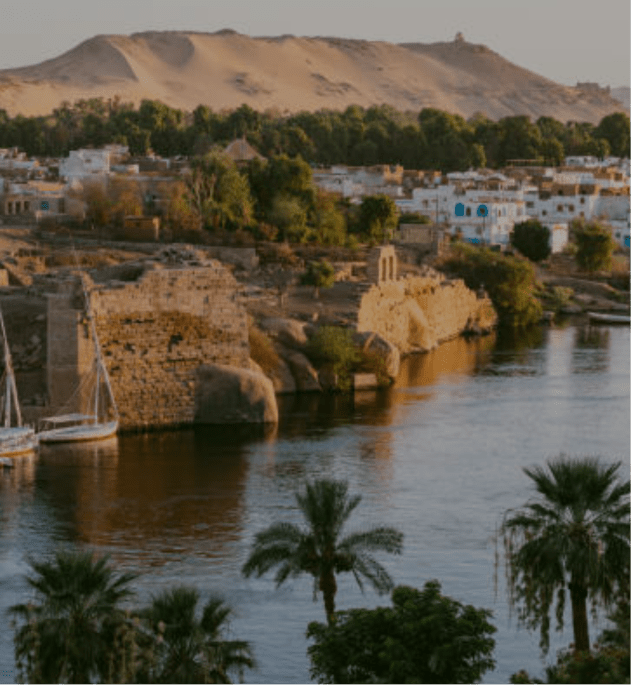
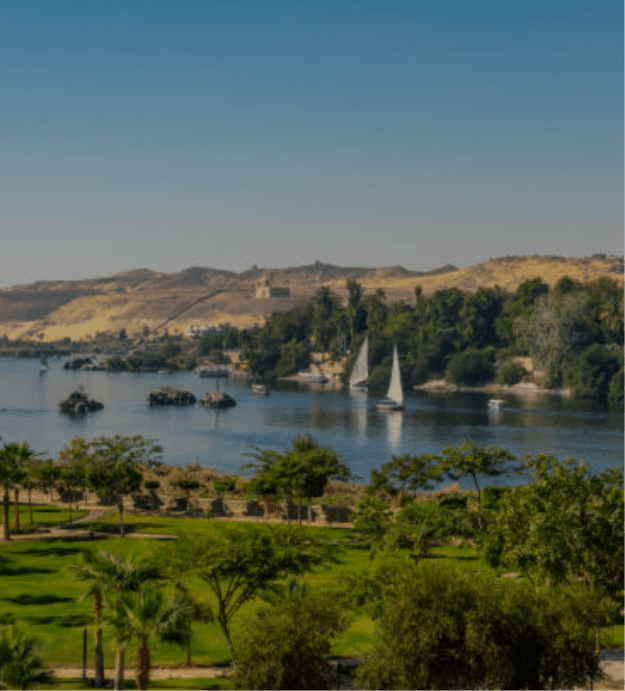
Unlike Cairo or Luxor, Aswan moves at a noticeably slower pace. The Nile feels wider, the atmosphere is quieter, and the city blends ancient monuments with Nubian culture, palm-covered islands, and peaceful river scenery. It is one of the few places in Egypt where slowing down becomes part of the experience.
The amount of time you should spend in Aswan depends on what you hope to see. Some travelers arrive only to visit Philae Temple before continuing their journey, while others stay several days to experience Abu Simbel, Nubian villages, felucca sailing, and the city’s relaxed rhythm.
This guide explains what realistically fits into one, two, and three days in Aswan so you can decide how long to stay before finalizing your Egypt itinerary.
If you’re still deciding how Aswan fits into your overall trip, our How Many Days Do You Need in Egypt? guide compares itinerary lengths across the country.
Expert Insight: Two full days is the sweet spot for most travelers. It provides enough time to explore Aswan’s historic sites, experience Nubian culture, and enjoy the Nile at a pace that reflects the city’s character instead of rushing from attraction to attraction.
Quick Answer
| Time in Aswan | Best For | What You’ll Experience |
|---|---|---|
| 1 Day | Tight itineraries | Philae Temple and the city’s highlights |
| 2 Days | Most first-time visitors | Philae Temple, Nubian Village, felucca sailing, and Abu Simbel or additional sightseeing |
| 3 Days | Relaxed travelers | Ancient sites, Nubian culture, river experiences, and time to enjoy Aswan’s atmosphere |
What Can You See in One Day?
One day is enough to visit Aswan’s best-known attractions if you plan carefully.
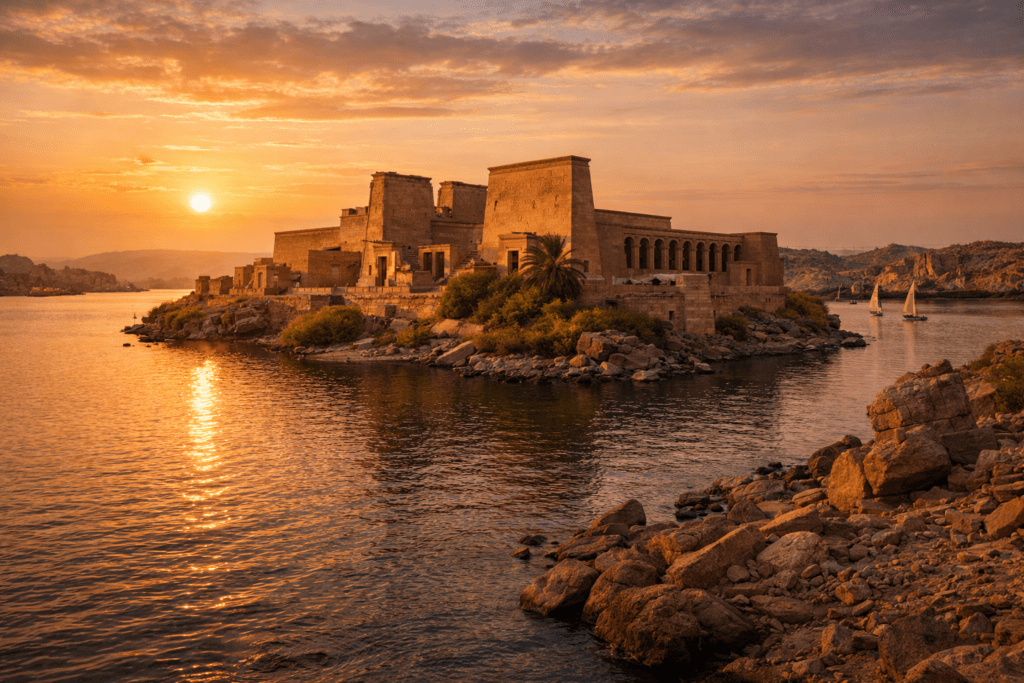
Begin at the Philae Temple, arriving early before the busiest tour groups. Reached by boat, the island setting immediately makes it one of Egypt’s most memorable temple visits. Continue to the Unfinished Obelisk, where you can learn how ancient Egyptians quarried enormous blocks of granite.
In the afternoon, enjoy a short felucca ride on the Nile or visit the Aswan High Dam, depending on your interests and available time.
Pros
- Covers Aswan’s major archaeological highlights
- Works well before or after a Nile cruise
- Suitable for travelers with limited time
Cons
- A faster pace than the city naturally encourages
- Little opportunity to experience Nubian culture
- Limited time on the Nile
Two Days in Aswan
Two days is the ideal amount of time for most first-time visitors.
The first day focuses on Aswan itself. Philae Temple deserves a relaxed visit, while the afternoon is perfect for exploring a Nubian Village, enjoying a felucca sail, or visiting Elephantine Island before watching the sunset over the Nile.
The second day gives you flexibility.
Many travelers choose an early morning excursion to Abu Simbel, returning to Aswan later in the day. Others prefer to remain in the city, exploring the Botanical Garden, enjoying the terraces of the Old Cataract Hotel, or simply spending more time along the waterfront.
Two days creates enough breathing room to experience Aswan rather than simply checking off its landmarks.
Guide’s Note: Many travelers skip the Nubian Museum because it isn’t included on every standard itinerary. It’s one of the country’s best-curated museums and provides valuable context before visiting Nubian villages or Abu Simbel.
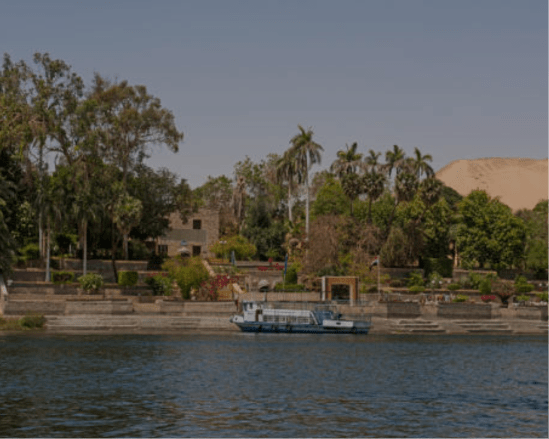
Three Days in Aswan
Three days transforms Aswan from a sightseeing stop into one of Egypt’s most relaxing destinations.
An extra day allows you to combine Abu Simbel with the city’s quieter attractions without feeling that every hour must be scheduled.
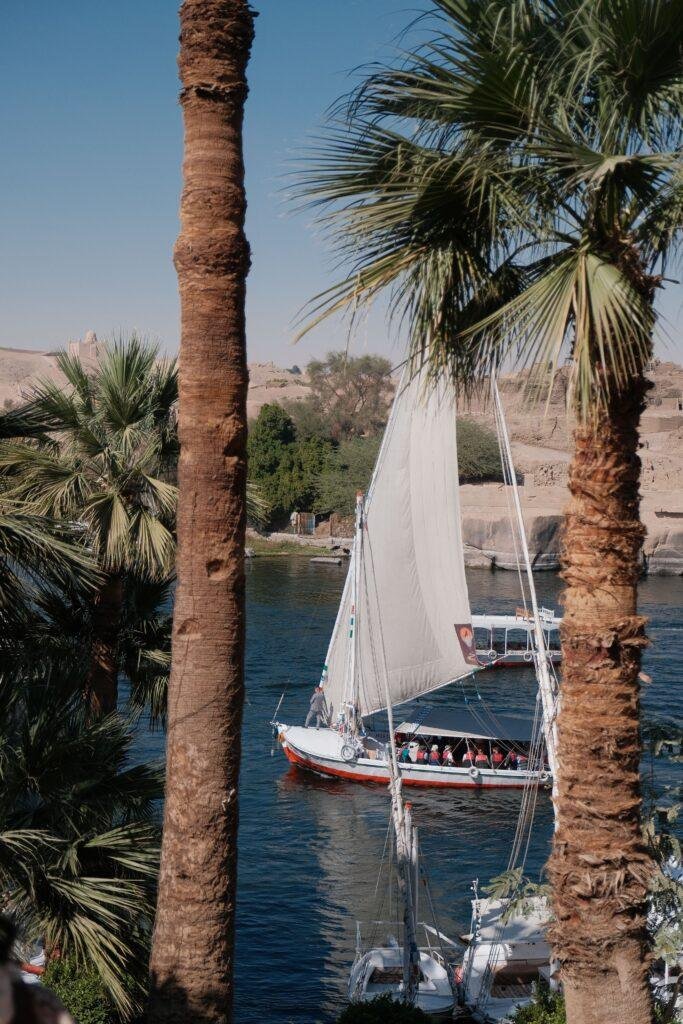
You might begin one morning with a leisurely breakfast overlooking the Nile before visiting a Nubian village, return for an afternoon felucca sail around Elephantine Island, and spend the evening watching traditional boats drift across the river as the desert hills change color in the setting sun.
Unlike Cairo or Luxor, Aswan rewards travelers who leave part of the day unscheduled. The city’s atmosphere is one of its greatest attractions, and three days provides enough time to enjoy it.
For photographers, couples, and travelers looking for a slower pace after several busy sightseeing days, this is often the most rewarding option.
Is Abu Simbel Worth Adding?
Absolutely.
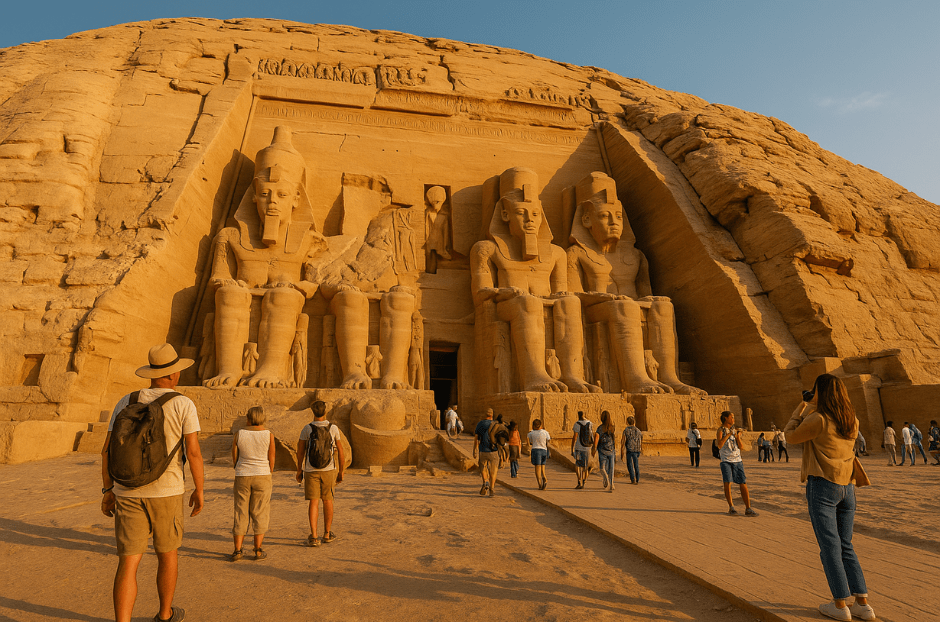
Abu Simbel is one of Egypt’s greatest archaeological achievements and deserves a place on almost every itinerary that reaches Aswan.
The journey begins early in the morning, but standing before the colossal statues of Ramses II makes the drive worthwhile. The temples’ relocation during the construction of the Aswan High Dam remains one of the most remarkable engineering projects in modern archaeology.
Because the excursion takes most of the day, travelers staying only one night in Aswan often struggle to include it without rushing everything else.
If Abu Simbel is on your wish list, spending at least two nights in Aswan creates a much more comfortable itinerary.
Should You Visit a Nubian Village?
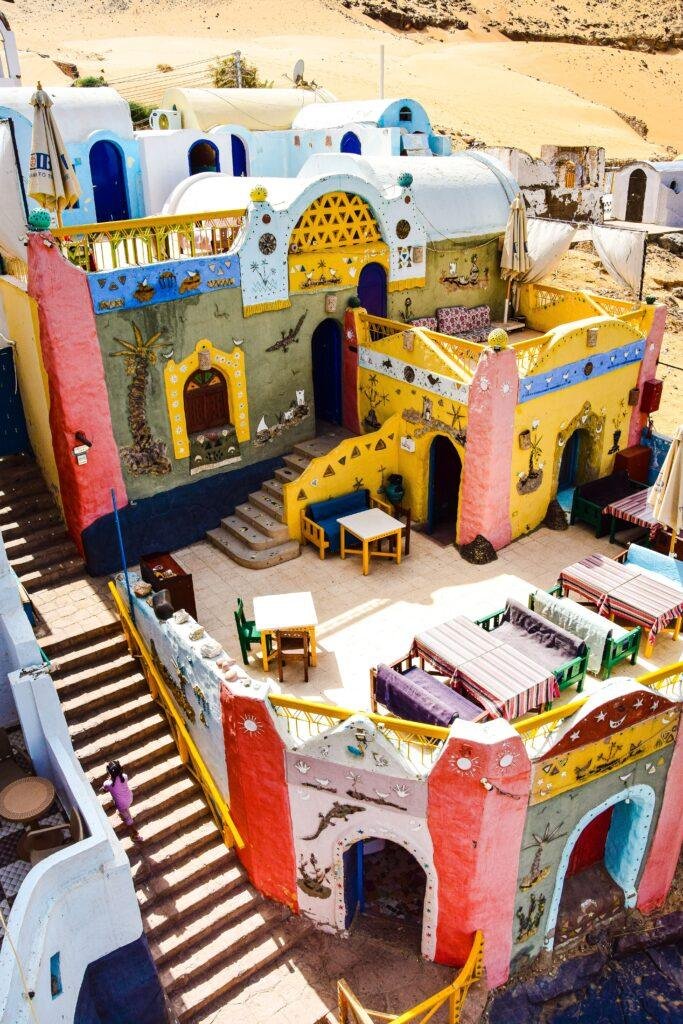
For many visitors, a Nubian Village becomes one of the most memorable experiences in Aswan.
While Egypt’s temples reveal the country’s ancient history, Nubian communities introduce visitors to a living culture with its own traditions, colorful architecture, music, cuisine, and hospitality.
Reaching the villages by boat also provides beautiful views along the Nile, making the journey part of the experience rather than simply transportation.
Visiting respectfully is important. A good guide helps explain Nubian history and culture while ensuring tourism benefits local communities.
For travelers who want more than archaeological sites, a Nubian Village adds an entirely different perspective to an Egypt itinerary.
Who Enjoys Aswan Most?
Travelers looking for a quieter side of Egypt often find Aswan becomes their favorite destination.
History enthusiasts appreciate the city’s remarkable monuments, particularly Philae Temple and nearby Abu Simbel, while those interested in culture enjoy visiting Nubian communities and learning about traditions that remain very much alive today.
Photographers benefit from Aswan’s exceptional light. Sunrise over the Nile, colorful Nubian houses, golden evenings along the Corniche, and feluccas sailing beneath granite hills create some of Egypt’s most beautiful landscapes.
Couples frequently enjoy the relaxed atmosphere after the busier pace of Cairo and Luxor, while families often appreciate the boat rides and slower rhythm that make sightseeing feel less demanding.
Guide’s Note: Many visitors arrive expecting Aswan to be a quick stop and leave wishing they had spent another day simply enjoying the city.

Who Should Stay Longer?
History lovers benefit from an extra day because Aswan’s archaeological sites complement those in Luxor, while Abu Simbel is widely considered one of Egypt’s greatest temple complexes.
Families often appreciate Aswan’s relaxed atmosphere after several busy sightseeing days elsewhere. Boat rides, open spaces, and a slower pace make the city easier to enjoy with children.
Photographers will find some of Egypt’s most beautiful river landscapes here. Sunrise over the Nile, feluccas sailing past granite boulders, and the warm evening light around Philae Temple create exceptional photography opportunities.
Luxury travelers frequently choose to stay longer at one of Aswan’s historic riverside hotels, enjoying the scenery between sightseeing excursions.
Repeat visitors often spend more time discovering Nubian culture, exploring lesser-known islands, or simply relaxing before continuing to the Red Sea or Cairo.
Can You Visit Aswan Independently?
Yes. Aswan is one of Egypt’s easiest cities to explore independently. Many attractions are close together, taxis are readily available, and boat transfers to Philae Temple are straightforward to arrange.
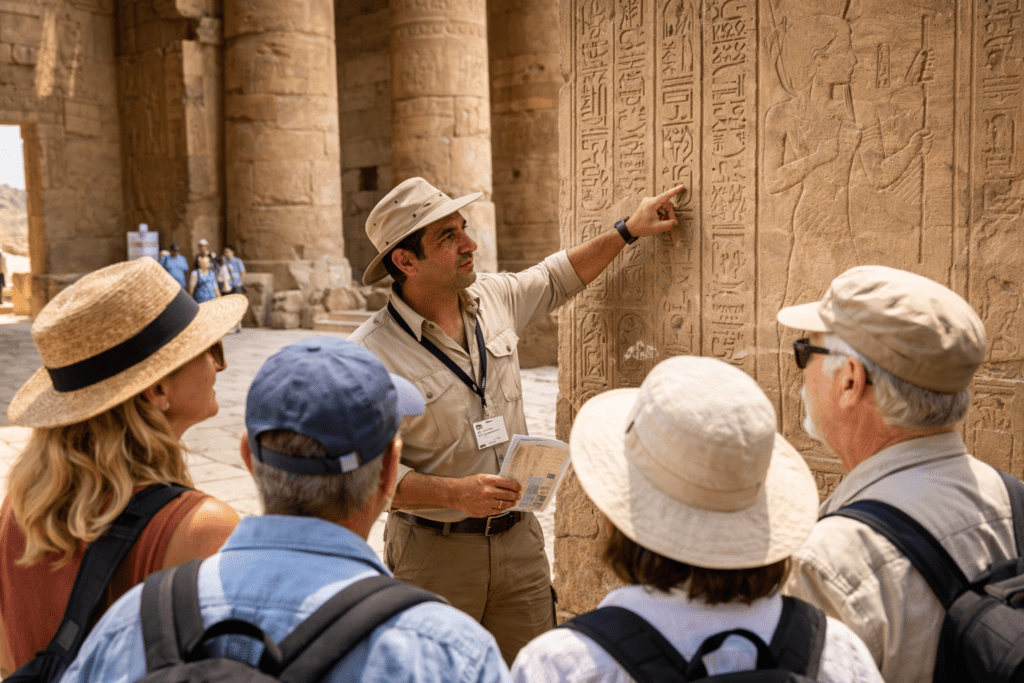
That said, a local guide adds significant value at sites such as Philae Temple, where understanding the temple’s relocation during the UNESCO rescue campaign makes the visit much more meaningful. Guided visits also provide deeper insight into Nubian history and traditions that independent travelers might otherwise miss.
How Aswan Fits Into a Larger Egypt Itinerary
A 4-day Egypt itinerary rarely allows enough time to include Aswan unless you fly directly from Cairo and focus only on southern Egypt.
A 7-day itinerary often includes one or two days in Aswan before boarding a Nile cruise or flying back to Cairo.
With 10 days, two days in Aswan fits comfortably alongside Cairo and Luxor, creating a well-balanced introduction to Egypt.
A 14-day itinerary allows time to enjoy Aswan at a slower pace while adding Abu Simbel, the Red Sea, Bahariya Oasis without feeling rushed.
Common Mistakes
One of the biggest mistakes travelers make is treating Aswan as little more than a transportation stop between Luxor and Abu Simbel. While it’s possible to see Philae Temple in a single afternoon, doing so means missing the slower pace and riverside atmosphere that make Aswan so different from the rest of Egypt.
Another common mistake is trying to visit Philae Temple, Abu Simbel, and a Nubian Village on the same day. Abu Simbel requires an early departure and a long round-trip journey, leaving little time to enjoy anything else without feeling rushed.
Many visitors also underestimate how enjoyable simple experiences can be in Aswan. A felucca sail at sunset, an evening walk along the Corniche, or lunch overlooking the Nile often become just as memorable as visiting another archaeological site.
Some travelers skip Nubian villages because they assume they are simply shopping stops. In reality, a well-organized visit introduces one of Egypt’s oldest living cultures and provides a welcome contrast to days spent exploring ancient monuments. Travelers also overlook the Nubian Museum, despite it being one of Egypt’s finest regional museums.
Finally, don’t overlook the climate. Aswan is one of Egypt’s warmest cities, particularly between May and September. Starting sightseeing early and leaving the hottest part of the afternoon for a boat ride, lunch, or hotel break creates a much more enjoyable experience.
FAQ
Is one day enough for Aswan?
One day is enough to visit Philae Temple and see a few of the city’s highlights, but it does not allow enough time to experience Aswan’s relaxed atmosphere or comfortably include Abu Simbel.
Is two days enough in Aswan?
For most first-time visitors, yes. Two days allows you to explore Philae Temple, enjoy a felucca ride, visit a Nubian Village, and either take a day trip to Abu Simbel or spend additional time discovering the city itself.
Should I spend three days in Aswan?
Travelers who enjoy slower travel, photography, river scenery, or cultural experiences often find three days extremely rewarding. The extra time allows Aswan to be appreciated as more than simply another stop between famous monuments.
Is Abu Simbel worth the extra day?
Absolutely. Abu Simbel is one of Egypt’s most spectacular archaeological sites, and for many travelers it becomes one of the highlights of the entire trip. Staying at least two nights in Aswan makes visiting far more comfortable.
Should I visit a Nubian Village?
A Nubian Village offers something completely different from Egypt’s temples and tombs. Visitors gain insight into Nubian traditions, architecture, cuisine, and daily life while supporting local communities through responsible tourism.
Many itineraries treat Aswan as a place to sleep before visiting Abu Simbel or boarding a Nile cruise, but that approach misses one of Egypt’s most relaxing and rewarding destinations. Explore Egyptian Nile Adventures builds itineraries that give Aswan the time it deserves, combining Philae Temple, Nubian culture, felucca sailing, and Abu Simbel into a route that feels balanced instead of rushed. Before finalizing your itinerary, choose a schedule that lets you experience Aswan rather than simply passing through it.