
How Many Days Do You Need in Cairo?
For many first-time visitors, Cairo is simply the city where you arrive before heading south to Luxor or boarding a Nile cruise. That approach often leads travelers to underestimate one of the world’s oldest continuously inhabited cities.
Cairo is far more than the gateway to the Pyramids of Giza. It is home to extraordinary museums, ancient pyramids beyond Giza, medieval mosques, bustling markets, Coptic churches, Ottoman architecture, and neighborhoods where daily life has unfolded for centuries. Trying to experience all of that in one or two days almost always leaves visitors wishing they had stayed longer.
The right amount of time depends on what you hope to experience. Some travelers simply want to see the pyramids before continuing to other destinations. Others want to understand Cairo itself—its history, culture, food, architecture, and the people who give the city its unmistakable energy.
This guide explains what realistically fits into one, two, three, four, and five days so you can build an itinerary that matches both your interests and your available time.
If you’re still deciding how Cairo fits into your overall vacation, our How Many Days Do You Need in Egypt? guide compares complete itinerary lengths across the country.
Expert Insight: Travelers rarely regret spending an extra day in Cairo. They frequently regret trying to see too much in too little time.
Quick Comparison
| Time in Cairo | Best For | What You’ll Experience |
|---|---|---|
| 1 Day | Stopovers | Giza Pyramids and the Grand Egyptian Museum |
| 2 Days | Short visits | Cairo’s major highlights |
| 3 Days | Most first-time visitors | Ancient sites plus historic Cairo |
| 4 Days | Travelers wanting a deeper experience | Museums, neighborhoods, and walking tours |
| 5 Days | History lovers and slow travelers | Cairo in depth with optional day trips |
Is Cairo Worth More Than Two Days?
Absolutely.
One of the biggest misconceptions about Egypt is that Cairo exists mainly for the pyramids. While the Giza Plateau is understandably the city’s biggest attraction, it represents only one chapter of Cairo’s story.
Within the city are medieval gates, centuries-old mosques, Coptic churches, vibrant souks, Ottoman houses, world-class museums, and neighborhoods that reward slow exploration rather than rushed sightseeing.
Many visitors also overlook nearby archaeological sites such as Saqqara and Dahshur. Together with Giza, they tell the story of pyramid construction across different periods of Egyptian history and provide important context that many travelers miss.
Another reason to stay longer is practical. Cairo is a large city where traffic can vary significantly throughout the day. Building extra time into your itinerary allows you to enjoy attractions instead of worrying about reaching the next one.

What Can You See in One Day?
One day in Cairo should focus on Egypt’s greatest icons rather than trying to cover the entire city.
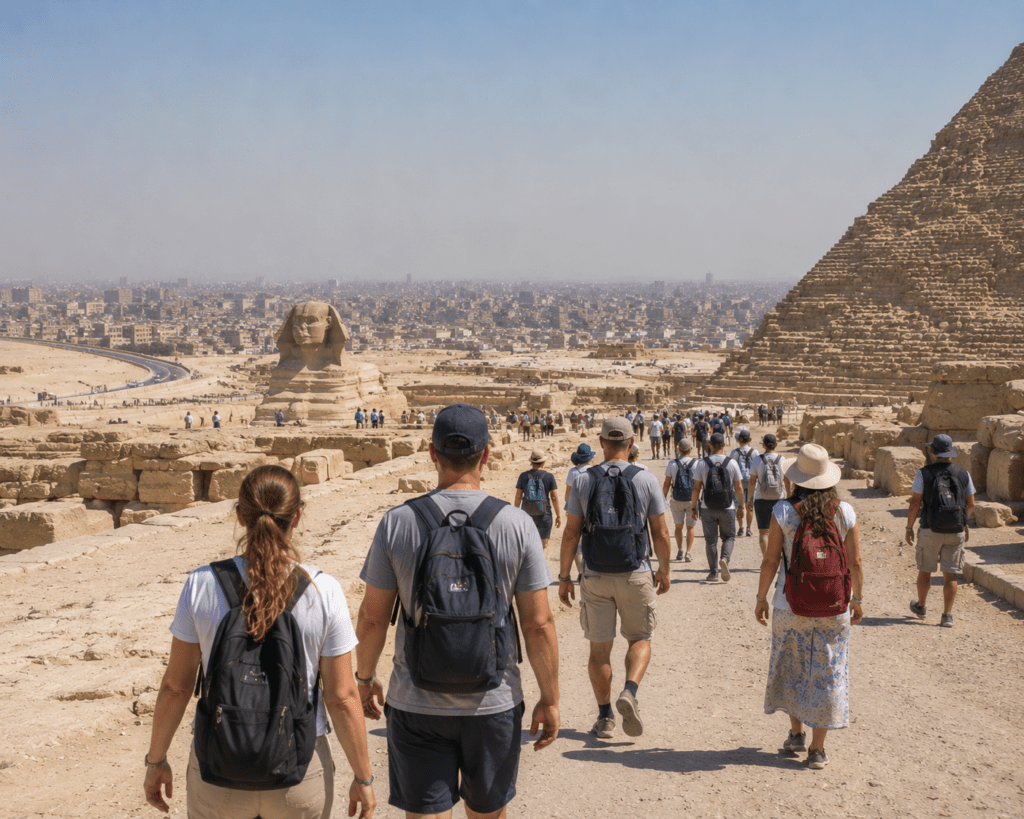
Begin early at the Pyramids of Giza before temperatures rise and tour groups become larger. Walking across the plateau in the soft morning light creates a very different experience from arriving during the busiest part of the afternoon.
From there, continue to the Grand Egyptian Museum, where many of Egypt’s greatest treasures are displayed in one of the world’s largest archaeological museums.
If time allows, finish the day with dinner overlooking the Nile or a short visit to Khan El Khalili, understanding that this will only be a brief introduction rather than a full exploration.
A single day provides an unforgettable first impression, but it barely scratches the surface of what Cairo offers.
What Can You See in Two Days?
Two days allow you to balance Egypt’s ancient monuments with its living city.
The first day works best when dedicated to Giza and the Grand Egyptian Museum. On the second day, shift your attention toward Historic Cairo.
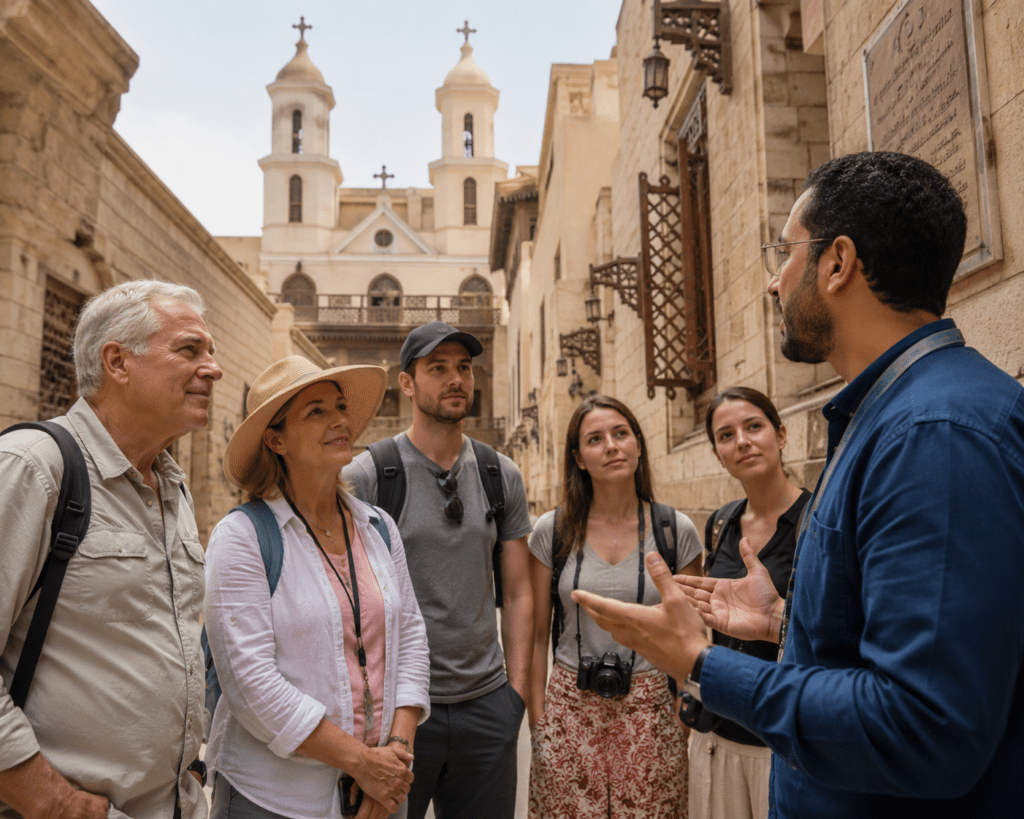
Walking through Old Cairo, visiting the Hanging Church, exploring Coptic Cairo, and wandering the narrow streets of Khan El Khalili reveals a completely different side of Egypt. Instead of the pharaohs, the focus becomes medieval architecture, religious history, local markets, and everyday life.
This is the minimum amount of time we recommend for first-time visitors who want more than just photographs of the pyramids.
What Can You See in Three Days?
Three days is the ideal amount of time for most travelers.
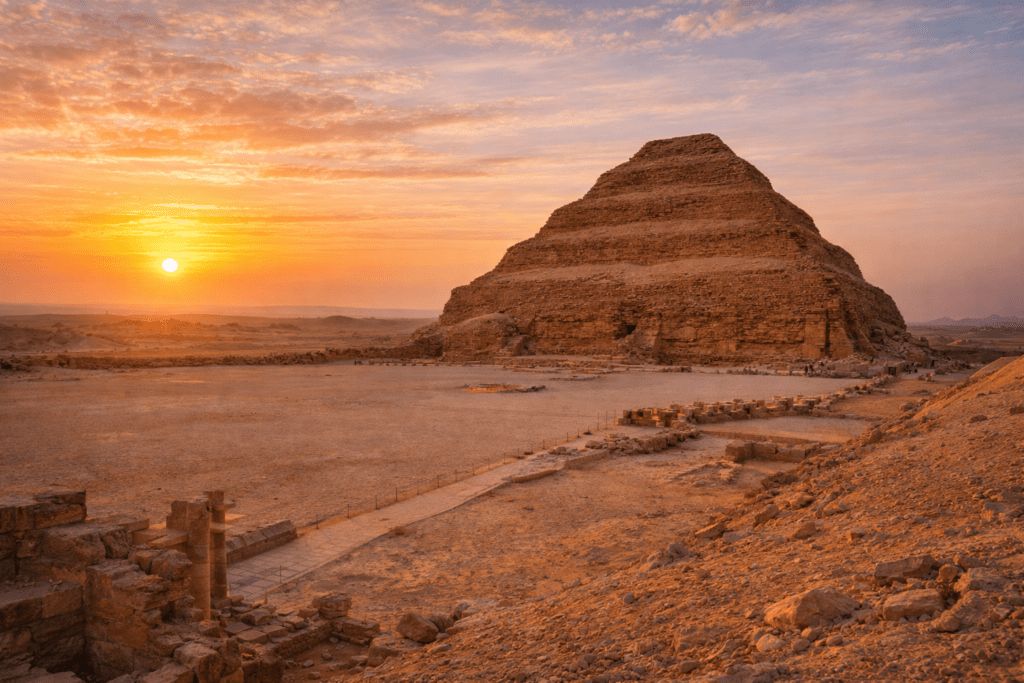
An additional day allows you to visit Saqqara and Dahshur, where Egypt’s earliest pyramid experiments eventually led to the construction of the Great Pyramid.
Many visitors consider Saqqara one of the highlights of their entire trip because it feels quieter and more immersive than Giza while providing remarkable insight into ancient Egyptian history.
Three days also creates room to enjoy Cairo instead of constantly moving between attractions. You can stop for lunch in a local restaurant, spend longer inside the Grand Egyptian Museum, or take a guided walking tour through Islamic or Coptic Cairo without feeling that every hour must be carefully scheduled.
For most first-time visitors, three days offers the strongest balance between sightseeing and pace.
What Can You See in Four Days?
Four days transforms Cairo from a sightseeing stop into a destination.
Instead of simply visiting famous landmarks, you’ll begin discovering the city’s personality.
A fourth day is perfect for exploring neighborhoods on foot with a knowledgeable local guide. Walking through Islamic Cairo, visiting hidden courtyards, traditional workshops, historic mosques, and family-owned cafés creates experiences that most package tours never include.
It also provides flexibility.
You might revisit Khan El Khalili in the evening after the daytime crowds have disappeared, spend more time inside the Grand Egyptian Museum, or enjoy a slower morning before heading to the Citadel of Saladin.
This is also the point where Cairo’s excellent walking tours become particularly worthwhile because you have enough time to appreciate the stories behind the streets rather than simply passing through them.

Who Should Stay Longer?
Not every traveler experiences Cairo in the same way, and some visitors benefit significantly from extending their stay.
Families often appreciate having extra time because younger travelers naturally move at a slower pace. Splitting major attractions across several days reduces fatigue and creates opportunities to enjoy parks, cafés, or boat rides on the Nile between sightseeing.
History lovers rarely feel that four or five days is too much. Cairo contains layers of Pharaonic, Roman, Coptic, Islamic, Ottoman, and modern Egyptian history that cannot realistically be understood in a rushed visit.
Photographers benefit from additional mornings and evenings when light is at its best. The Pyramids at sunrise, Islamic Cairo during golden hour, and Khan El Khalili after dark each create completely different photographic opportunities.
Food lovers quickly discover that Cairo deserves time beyond sightseeing. Traditional Egyptian breakfasts, historic coffeehouses, rooftop restaurants overlooking the Nile, and neighborhood eateries all contribute to understanding the city beyond its monuments.
Walking tour enthusiasts should also consider extending their stay. Cairo is one of the world’s most rewarding cities to explore on foot when guided by someone who understands its architecture, history, and local culture. A well-designed walking tour often reveals details that visitors simply would not notice on their own.
Guide’s Note: Many travelers initially book only two days in Cairo and later wish they had sacrificed a day elsewhere instead. Cairo rewards curiosity far more than rushed sightseeing.
Sample Cairo Timeline
The ideal timeline depends on how many days you have, but for most first-time visitors, three days creates the best balance between Egypt’s famous landmarks and Cairo itself.
If you have only one day, dedicate it entirely to the Pyramids of Giza and the Grand Egyptian Museum. These are Cairo’s defining attractions and deserve your full attention.
With two days, spend your first day at Giza and the museum before exploring Old Cairo, Coptic Cairo, and Khan El Khalili on the second. This introduces both ancient Egypt and the city’s living history without feeling rushed.
A three-day itinerary allows you to continue beyond Cairo’s center by visiting Saqqara and Dahshur, where pyramid construction began long before the Great Pyramid was built. Many travelers consider this the point where their understanding of ancient Egypt truly comes together.
A fourth day is best used to slow down rather than simply adding more attractions. An Islamic Cairo walking tour, additional time inside the Grand Egyptian Museum, or an evening exploring neighborhoods after the daytime crowds disappear often becomes more memorable than trying to fit in another major site.
Those staying five days can comfortably include Alexandria as a day trip or spend more time experiencing Cairo’s cafés, museums, Nile waterfront, and neighborhoods at a pace that feels far more natural than most first-time itineraries.

Can You Visit Cairo Independently?
Yes. Cairo is entirely possible to explore independently using taxis, ride-sharing services, and the Metro for selected routes.
That said, certain areas are much more rewarding with a guide. Historic neighborhoods such as Islamic Cairo contain centuries of architecture, hidden courtyards, and fascinating stories that are easy to miss without local knowledge. Walking tours also remove the stress of navigating unfamiliar streets while providing valuable historical context.
If you plan to explore Old Cairo or Islamic Cairo in depth, joining a guided walking tour is often the better experience.
How Cairo Fits Into a Larger Egypt Itinerary
On a 4-day Egypt itinerary, Cairo usually occupies the majority of your trip, with one day reserved for the pyramids and another for the city’s historic districts.
A 7-day itinerary works well with three days in Cairo before continuing to Luxor or beginning a Nile cruise.
With 10 days, three days in Cairo leaves enough time for Luxor, Aswan, and a Nile cruise without feeling rushed.
A 14-day Egypt itinerary allows you to enjoy Cairo at a relaxed pace before combining Upper Egypt with destinations such as Alexandria, Fayoum or Siwa or Bahariya Oasis, Hurghada, or Sharm El Sheikh.

Common Planning Mistakes
One of the biggest mistakes visitors make is assuming the Pyramids are located in central Cairo. Reaching Giza takes time, particularly during busy traffic, so combining too many attractions in one day often leads to disappointment.
Another common mistake is underestimating the size of the Grand Egyptian Museum. Even travelers with only a casual interest in ancient Egypt frequently spend several hours inside.
Many visitors also overlook Old Cairo and Islamic Cairo entirely, focusing only on ancient Egypt while missing more than a thousand years of the city’s later history.
Finally, avoid planning outdoor sightseeing during the middle of summer afternoons whenever possible. Visiting major outdoor sites early in the morning is considerably more comfortable.
FAQ
Is two days enough in Cairo?
Two days is enough to experience Cairo’s major highlights, including the Pyramids of Giza, the Grand Egyptian Museum, and parts of historic Cairo. It is a good choice for travelers following a one-week Egypt itinerary, although three days provides a much more relaxed experience.
Is three days too long in Cairo?
Three days is the ideal amount of time for most first-time visitors. It allows you to experience the city’s archaeological sites, museums, religious landmarks, and traditional neighborhoods without constantly rushing between attractions.
Should I spend more time in Cairo or Luxor?
Cairo offers greater variety, while Luxor concentrates many of Egypt’s greatest ancient monuments into a smaller area. Most travelers benefit from spending three days in Cairo and two or three days in Luxor.
Can you visit Cairo without a guide?
Independent sightseeing is certainly possible, but guided tours greatly improve the experience at sites such as Islamic Cairo, Coptic Cairo, and the Grand Egyptian Museum by providing historical context that is difficult to appreciate on your own.
Can you visit the Pyramids and the Grand Egyptian Museum on the same day?
Combining both is the most efficient approach because they are located close to one another. Arriving at the pyramids early in the morning before continuing to the museum creates a comfortable and practical sightseeing day.
Is Cairo walkable?
Individual neighborhoods such as Coptic Cairo, Islamic Cairo, and Zamalek are enjoyable to explore on foot. Traveling between districts, however, usually requires a taxi or ride-sharing service because of the city’s size and traffic.
Many travelers make the mistake of treating Cairo as nothing more than a stop before heading to the Nile Valley. That usually means missing the neighborhoods, museums, and historic districts that give Egypt’s capital its character. Explore Egyptian Nile Adventures designs itineraries that balance Cairo’s iconic landmarks with its lesser-known experiences, helping you spend the right amount of time in each part of the city instead of rushing from one attraction to the next. Explore our Cairo tours, walking experiences, and Egypt itinerary guides to build a trip that lets you experience Cairo rather than simply pass through it.