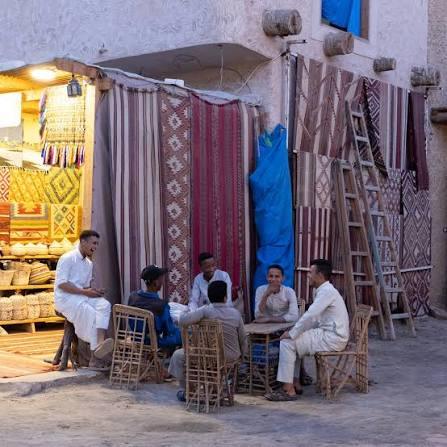
Food & Culture in Siwa Oasis: What to Try & How to Visit Respectfully
Siwa’s food makes more sense when you understand the landscape around it.
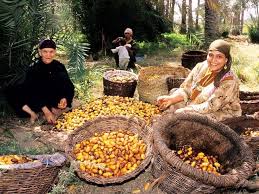
The oasis has supported generations of farming through springs and groundwater, and two crops dominate what visitors see everywhere: dates and olives. Palm groves shade the roads, olive trees spread across cultivated areas, and shops sell date products, olive oil and other goods tied directly to local agriculture.
But food is only one part of the cultural experience. Siwa is home to a distinct Amazigh community with its own Siwi language, social traditions, clothing, architecture and history. Travelers get more from the oasis when they approach it as a living community rather than a collection of ‘authentic’ photo opportunities. Experience Egypt’s Siwan Culture guide offers an official overview of the oasis’s Amazigh traditions, local hospitality, eco-lodges and Siwan cuisine.
For the complete planning framework, start with the Siwa Oasis Egypt Travel Guide.
Dates: The Crop You Cannot Miss
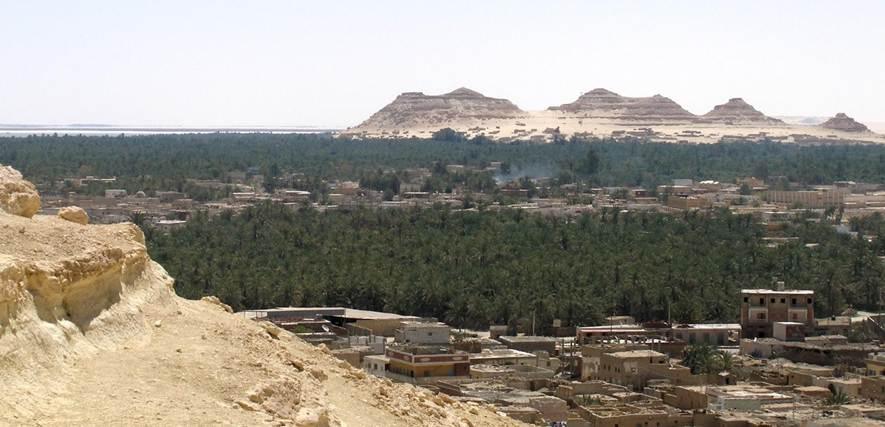
Date palms dominate Siwa’s cultivated oasis landscape and are one of the crops most closely associated with local food and agriculture.
Dates are one of Siwa’s most important agricultural products and one of the easiest local foods to try.
You may see several varieties with different textures and levels of sweetness. They are sold fresh or dried depending on season and may appear in desserts, snacks and packaged products.
Buying dates locally is also one of the simplest souvenirs because they are directly connected to the oasis rather than a generic Egypt gift.
Olives and Olive Oil
Olive cultivation is equally important. Siwan olive oil is widely sold in the oasis, and markets may also offer cured olives and related products.
If you are buying oil to take home, think practically about luggage limits, leak-proof packaging and customs rules at your destination.
What Does Siwan Food Taste Like?
Visitors should expect a mix of familiar Egyptian staples and local preparations influenced by oasis ingredients and community traditions.
Meals may include bread, rice, vegetables, meat or chicken dishes, soups, dates and olive-based products. Exact dishes vary by household, restaurant and season, so avoid expecting one fixed ‘traditional Siwa menu’ everywhere.
The best way to try local food is to ask what the restaurant or host actually prepares well rather than ordering from a list copied from another travel blog.
Restaurants in Siwa
Siwa has cafés, local restaurants and hotel/lodge dining, but the restaurant scene is smaller and less standardized than Cairo.
For a first night after the long drive, eating at your accommodation can be easier than searching for a specific restaurant while tired.
On other nights, town-center restaurants give you the chance to walk through the market and see daily life beyond sightseeing hours.
Travelers with strict dietary requirements should contact accommodation in advance and carry backup snacks during long excursion days.
Vegetarian Travelers
Vegetarian travelers can usually build meals around bread, vegetables, beans, lentils, rice, salads, eggs and other common Egyptian staples, depending on the restaurant.
Do not assume every soup, rice dish or vegetable preparation is automatically vegetarian; ask whether meat stock or animal fat is used if that matters to you.
Food Allergies
Siwa’s remoteness makes preparation important for serious allergies.
Carry medication, translated allergy information and safe backup food for long road or desert days. Communicate directly with the hotel or restaurant rather than relying only on menu labels.
If cross-contact could be dangerous, explain the severity clearly.
Market Shopping
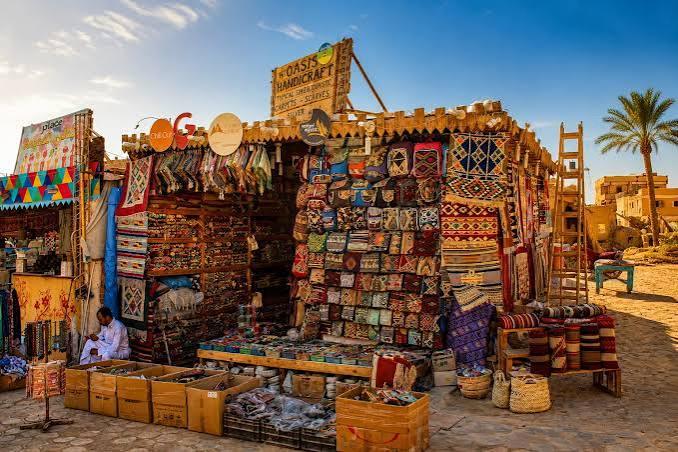
Markets and small shops are good places to look for dates, olive oil, salt products, woven goods, embroidery, baskets and locally made crafts.
Ask where something is made rather than assuming every item displayed in Siwa was produced in the oasis.
Bargaining can be part of shopping, but keep it friendly. A small price difference matters far less than treating the interaction respectfully.
The Siwi Language and Amazigh Identity
Siwa’s distinct identity is not simply a tourism theme. Many residents speak Siwi, an Amazigh language, alongside Arabic.
Visitors do not need to master local vocabulary before arriving. A respectful greeting in Arabic and ordinary courtesy are enough; avoid performing memorized phrases if you are unsure of their meaning or context.
Shali and Kershef Architecture
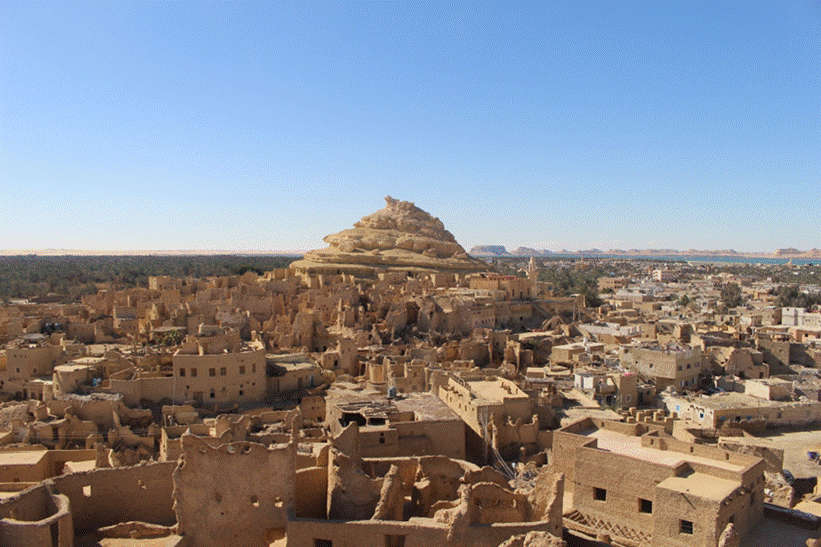
Shali Fortress preserves Siwa’s traditional salt-and-mud building heritage.
The architecture of old Siwa is one of the clearest visible expressions of local adaptation to the environment. Kershef – a traditional building material using salt-rich mud and clay – created thick walls suited to desert conditions.
Shali Fortress is the best-known example, but the material and architectural language also influence newer traditional-style properties.
See the Shali Fortress Guide for the deeper history.
Photography Etiquette
Siwa’s market streets, clothing, homes and people can be visually striking, but residents are not scenery.
Ask before taking close photographs of individuals. Be especially careful around women, children, private homes and community gatherings.
Wide street scenes and architecture are different from putting a camera directly into someone’s personal space.
Dress and Behavior in Town
Siwa is more conservative than a beach resort. Visitors are not expected to dress like locals, but modest clothing is respectful and usually more comfortable anyway.
Shoulders covered and clothing around or below the knee is a good default in town. Swimwear belongs at appropriate springs, pools and salt-lake locations rather than in streets or markets.
For local neighborhoods and culturally sensitive settings, favor modest, lightweight clothing that is practical in the heat and respectful of the setting.
Festivals and Community Events
Local festivals and religious/community gatherings should not be treated as guaranteed tourist entertainment.
Dates, access and the way visitors are welcomed can change. If your trip overlaps with an important community event, ask locally how to observe respectfully rather than assuming photography or close participation is appropriate.
Food in the Great Sand Sea
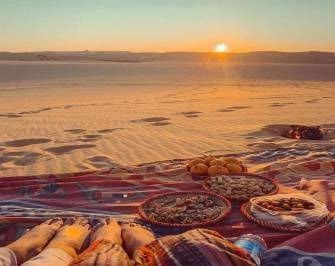
Desert excursions may include tea, lunch or a simple meal depending on the operator and itinerary.
Food and tea on Great Sand Sea excursions are part of a remote desert day; what is served depends on the operator and itinerary.
Treat this as part of the experience rather than expecting a restaurant-style service in the dunes. Confirm what is included before departure, especially if you have dietary restrictions.
A desert day can also include local food and tea, but treat that as part of the excursion rather than as a staged cultural performance.
What to Buy as a Food Souvenir
Dates are the easiest.
Olive oil can be excellent but needs careful packing.
Herbs/spices may be interesting if properly packaged.
Salt products are visually distinctive but should be bought from reputable sellers and packed securely.
Check the import rules of your home country before packing agricultural or food products.
Frequently Asked Questions
What food is Siwa known for?
Dates and olives are the most important products visitors notice, alongside local and Egyptian dishes served in homes, restaurants and lodges.
Is Siwa good for vegetarians?
Usually yes with communication. Bread, beans, lentils, rice, vegetables, eggs and salads provide options, but ask about meat stock or preparation if strict vegetarianism matters.
Can I drink tap water in Siwa?
Visitors should follow the same cautious drinking-water approach used elsewhere in Egypt and use water sources they know are safe. Do not assume a natural spring is automatically a drinking-water source.
What should I buy in Siwa?
Dates, olive oil and locally made crafts are among the most meaningful purchases. Ask where products were made.
Can I photograph local people?
Ask permission for close portraits. Respect a no immediately and avoid intrusive photography in private or family settings.
Do I need to dress differently in Siwa?
A modest approach is appropriate. Siwa is a conservative oasis community, not a Red Sea resort.
Culture Is Not a Side Attraction
The salt lakes and dunes may bring travelers to Siwa, but the oasis makes more sense when its agriculture, language, architecture and community are treated as central rather than decorative background.
Use Best Things to Do in Siwa for the attraction overview, then choose a base that fits how much you value town convenience versus the quieter palm-grove setting.
Experience Siwa Beyond the Sightseeing Checklist
Explore ENA’s private itineraries for a journey that combines the oasis’s archaeological sites, landscapes and local culture with coordinated transportation and planning.