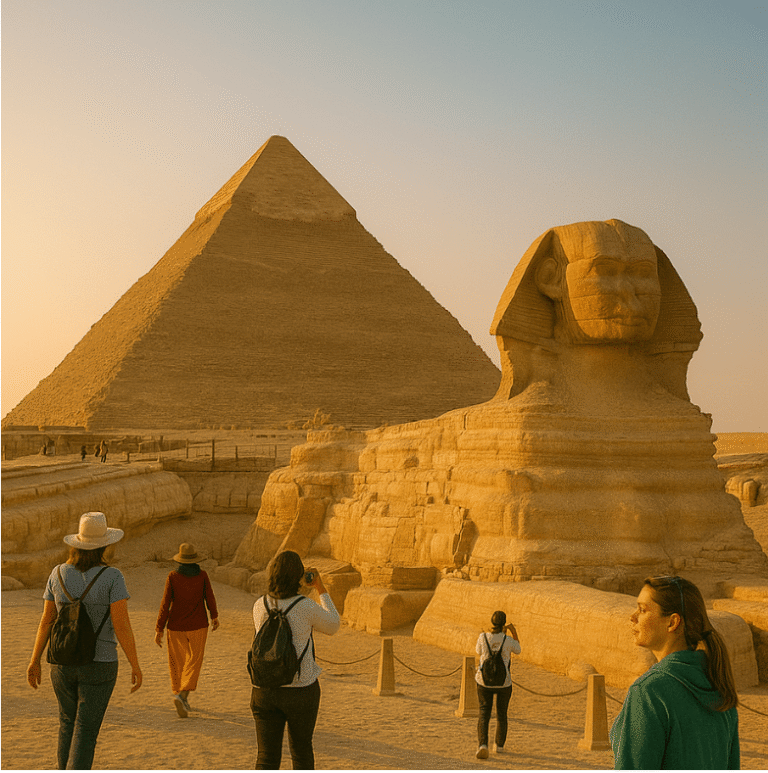
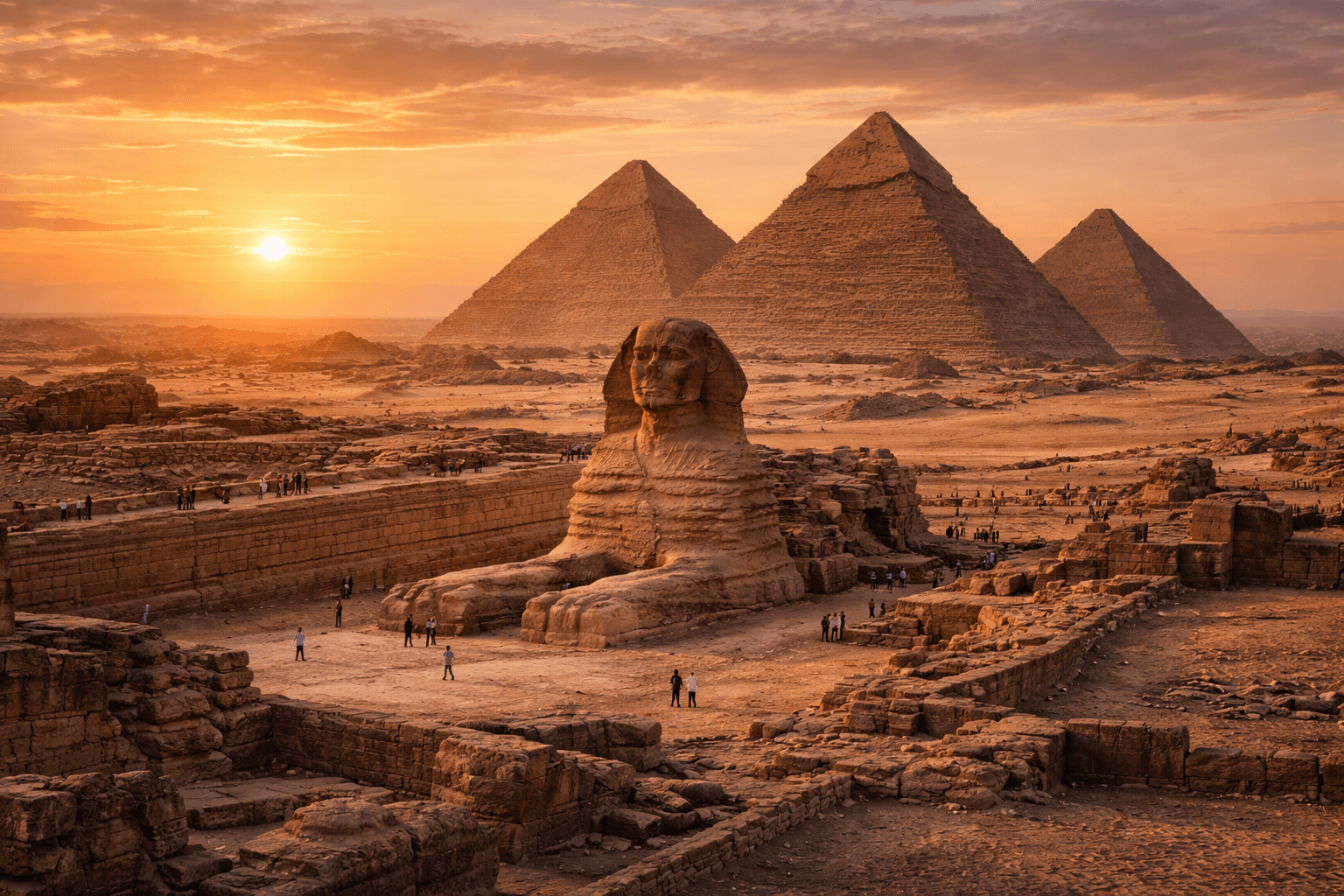
Giza Pyramids Guide
Giza Pyramids Guide (2026): Tickets, What to See & How to Visit
Standing in front of the Great Pyramid is one of those rare travel experiences that does not need exaggeration. Khufu’s pyramid has dominated the Giza Plateau for more than 4,500 years, and at its original height of 146.5 meters it remained the world’s tallest structure for roughly 3,800 years. It is also the last surviving Wonder of the Ancient World.
The harder part is visiting Giza well. The plateau is much larger than photographs suggest, the three principal pyramids are spread across an exposed desert landscape, and Cairo’s heat can make a poorly sequenced visit exhausting. Giza has also changed significantly in recent years, with a new visitor system and shuttle transport making it easier to move around the archaeological site without relying on horses, camels, or long walks.
For most first-time visitors, three to four hours is the right minimum for the Giza Plateau itself. Give it longer if you intend to enter the Great Pyramid, spend substantial time with an Egyptologist, or stop frequently for photography. If you are combining Giza with the Grand Egyptian Museum, treat the two as a full-day experience rather than trying to race through both before lunch.
Expert Insight: The biggest mistake at Giza is concentrating only on the Great Pyramid. Khufu is the headline, but the plateau makes much more sense when you see the three royal pyramid complexes, the Sphinx, temples, tombs, and surrounding desert as one enormous Old Kingdom funerary landscape.
The Giza Plateau Is More Than Three Pyramids
The familiar skyline belongs to three Fourth Dynasty kings: Khufu, Khafre, and Menkaure. But each pyramid was part of a much larger funerary complex.
Ancient pyramid complexes included mortuary temples beside the pyramids and valley temples closer to the ancient floodplain, connected by causeways. Around them were smaller queens’ pyramids, cemeteries containing mastaba tombs, boat pits, and the infrastructure associated with the royal cult. The Ministry of Tourism and Antiquities describes these structures as components of carefully organized funerary complexes rather than isolated monuments.
That context changes the visit. Instead of driving up, photographing three triangles, and leaving, you begin to understand Giza as a royal necropolis built beside ancient Memphis.
The plateau forms part of the UNESCO World Heritage property Memphis and its Necropolis – the Pyramid Fields from Giza to Dahshur, which extends far beyond the three famous pyramids.
The Great Pyramid of Khufu Comes First
If you visit only one pyramid closely, make it Khufu’s.
Built for King Khufu around the 26th century BC, the Great Pyramid originally reached 146.5 meters. Its core consists largely of local limestone, while the monument was once covered in higher-quality white limestone casing brought from Tura. Most of that polished exterior has disappeared, exposing the enormous core blocks visitors see today.
Walk close to the base before heading toward the panoramic viewpoints. From a distance, the pyramid’s geometry dominates; from underneath it, the individual stone blocks reveal the physical scale of the construction.
The Great Pyramid also contains an unusual arrangement of internal spaces, including a subterranean chamber, the Queen’s Chamber, Grand Gallery, and King’s Chamber. The King’s Chamber still contains Khufu’s granite sarcophagus.
This is the moment when an Egyptologist becomes valuable. Giza contains very little of the colorful decoration travelers later encounter in Luxor, so understanding the site depends heavily on architecture, landscape, archaeology, and historical context rather than simply reading inscriptions from walls.
Should You Go Inside the Great Pyramid?
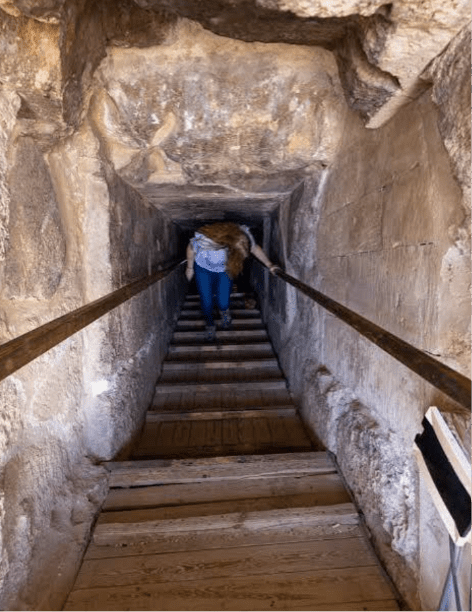
Entering Khufu’s pyramid is worth doing if the physical experience of being inside the monument matters to you. Do not buy the additional ticket expecting a richly decorated royal tomb.
The interior is narrow, steep, hot, and physically awkward. Parts of the route require visitors to climb while bent forward, and traffic can slow considerably when people are moving in opposite directions. The reward is eventually reaching the King’s Chamber inside one of humanity’s most extraordinary engineering achievements.
There are no elaborate painted walls waiting at the end.
That distinction matters. Travelers interested mainly in art and decoration will gain much more from the royal tombs in Luxor. Travelers fascinated by engineering, pyramid construction, or simply the sensation of standing inside the Great Pyramid are more likely to consider the climb worthwhile.
The Ministry currently lists Great Pyramid admission separately from the general Giza Plateau ticket, so you need both the area ticket and the additional pyramid ticket.
Guide’s Note: Skip the interior if you have significant difficulty with steep inclines, confined spaces, heat, or crouched climbing. You are not missing the essential Giza experience by remaining outside—the pyramid’s greatest impact is its architecture and scale.
Khafre’s Pyramid Creates Giza’s Great Optical Illusion
Visitors often look across the plateau and assume Khafre built the largest pyramid.
He did not.
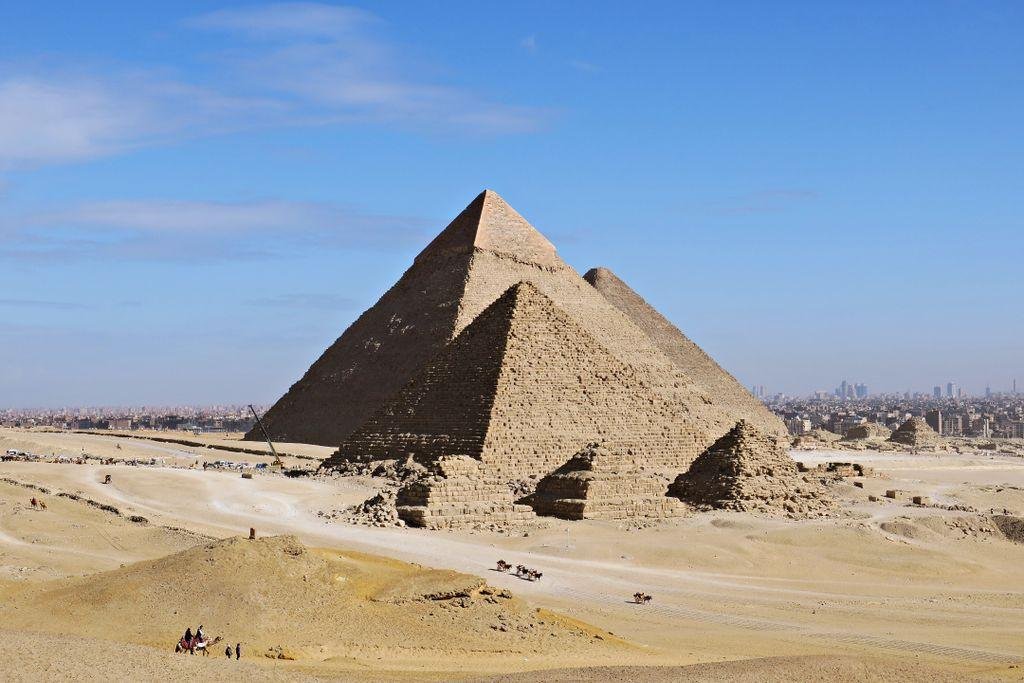
Khafre’s pyramid appears particularly dominant because it stands on slightly higher ground and still preserves some of its smooth limestone casing near the summit. Khufu’s Great Pyramid was originally taller.
The remaining casing is useful because it helps you imagine how dramatically different these monuments would have looked when their exteriors were complete. Instead of the rough stepped appearance visible today, the pyramids would have reflected the intense Egyptian sunlight from smooth limestone faces.
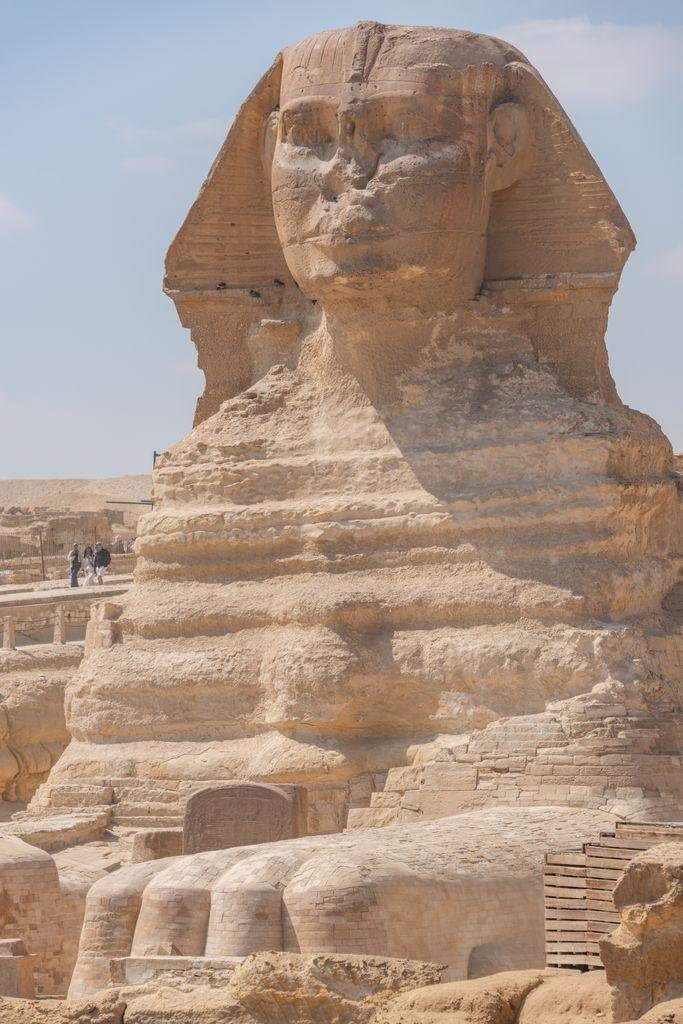
Khafre’s complex is also inseparable from the Great Sphinx below it. The official Experience Egypt site places the Sphinx within Khafre’s pyramid complex and notes that the monumental sculpture was carved directly from the limestone bedrock beside his Valley Temple.
Menkaure Is Smaller but Should Not Be Skipped
Menkaure’s pyramid is substantially smaller than those of Khufu and Khafre, which is precisely why rushed visitors often treat it as optional.
Don’t.
Seeing the three pyramids together reveals how the royal cemetery developed across generations. Menkaure’s complex also gives you a different perspective on the plateau and moves you away from the densest visitor concentration around Khufu.
The southern side of Giza is particularly useful photographically because distance begins to separate the pyramids visually rather than making them overlap.
This is also why relying entirely on walking is inefficient. Distances that look short against the enormous monuments become considerably longer once you’re moving through the exposed desert in 35°C or 40°C heat.
The Great Sphinx Deserves More Than a Photograph
The Great Sphinx is easy to underestimate because almost everyone has seen it thousands of times before arriving.
In person, the relationship between the sculpture and Khafre’s pyramid complex is the important part.
The Sphinx was carved directly from Giza’s limestone bedrock and represents a royal head on the body of a lion. Egypt’s official tourism authority associates it with Khafre and emphasizes its location beside the Valley Temple leading toward his pyramid complex.
Move beyond the first obvious photography position and look back toward Khafre’s pyramid. The alignment helps explain why archaeologists interpret the Sphinx within a much larger ceremonial landscape.
Late morning can become crowded here because tour groups frequently converge around the same viewing spaces. Earlier is considerably more comfortable.
The Panoramic Viewpoint Is Worth the Detour
If you want the classic photograph showing multiple pyramids against the desert, do not leave after seeing Khufu and the Sphinx.
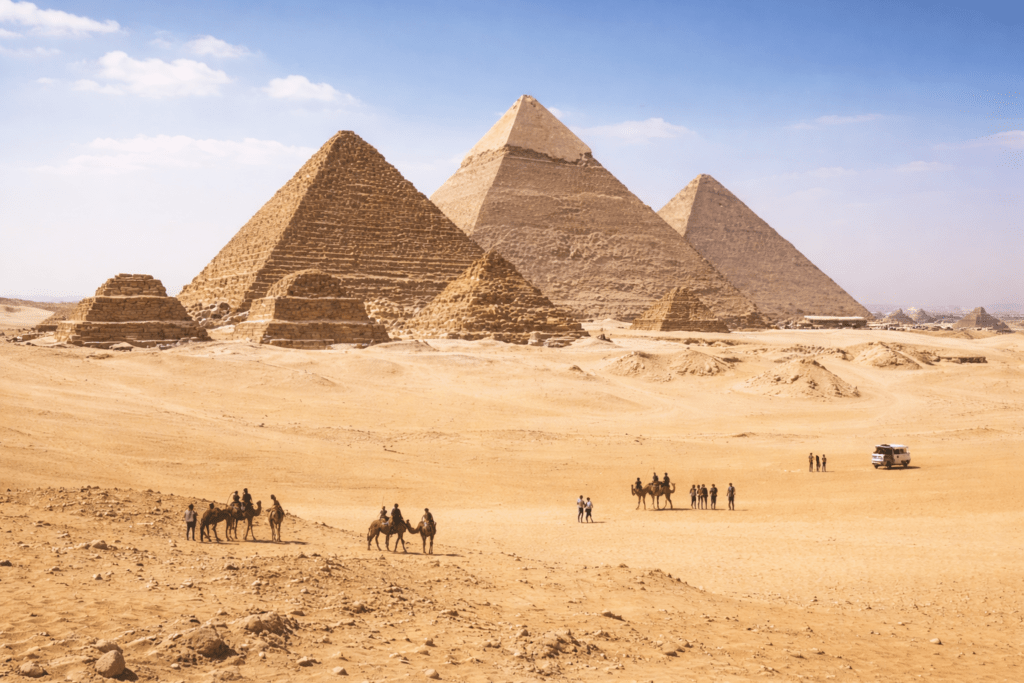
The panoramic area farther into the plateau gives enough distance for the pyramids to resolve into the familiar Giza skyline. Depending on your exact position, you can see the three principal pyramids together with smaller satellite pyramids around them.
The desert light is harsh around midday. Early morning gives cleaner atmosphere and softer contrast, while later light can produce warmer stone tones.
The new visitor transport system makes reaching these viewpoints considerably easier than it once was.
Recent visitors in August 2026 report using free air-conditioned shuttle buses around the plateau, with frequent services between the principal stops. Travelers describe buses arriving every few minutes and staff at stops helping direct visitors.
That is the better default for most visitors. Save your energy for walking around the monuments themselves rather than crossing large stretches of exposed desert simply because a map makes them look close.
Giza Pyramids Tickets in 2026
Giza uses separate tickets for the archaeological area and certain monuments inside it.
As of August 2026, the Ministry of Tourism and Antiquities notes that this general ticket does not include entry inside the Great Pyramid, the pyramids of Khafre or Menkaure, the Tomb of Meresankh III, or the Workers’ Cemetery.
Ticket prices can change, so check the official Ministry of Tourism and Antiquities Giza Plateau page before visiting rather than relying on an old blog post or screenshot.
If you know you want to enter Khufu’s pyramid, decide before arriving rather than spending valuable morning time trying to reorganize the visit after you’ve already started moving around the plateau.
The New Entrance and Shuttle System Have Changed the Experience
Travel advice written only a few years ago can now be misleading.
Recent 2026 visitors describe entering through the newer Great Gate on Al-Fayoum Desert Road and using the site’s free shuttle network to move between pyramid areas, viewpoints, and the Sphinx.
That system has made independent visits considerably more manageable.
The important practical change is that you no longer need to assume a camel, horse carriage, or private vehicle is necessary simply to move between the principal sights. The shuttle gives most visitors a more comfortable and predictable way to cross the plateau.
One August 2026 traveler described the buses as air-conditioned, frequent, and staffed at the stops, while another recent visitor emphasized that going at opening remains worthwhile because both heat and visitor pressure increase as the morning progresses.
ENA Tip: Use the shuttle for the long transfers, then walk locally around each monument. That gives you the physical experience of the plateau without exhausting yourself crossing empty stretches of desert in the heat.
Go Early—Especially From May Through September
The strongest default is simple: arrive at opening.
Giza has almost no meaningful natural shade around the major monuments. The limestone and desert surfaces reflect heat, and by late morning summer conditions can become physically draining.
Early arrival also improves the experience around Khufu and the Sphinx before the main concentration of coaches builds.
Recent travelers using the redesigned visitor system still make the same observation: the first hour is quieter, while groups become more noticeable later in the morning.
During cooler winter months, the heat pressure is reduced, but morning remains the better choice for crowd management and itinerary flexibility.
Bring sun protection and water even in winter. Giza is an exposed archaeological landscape, not a shaded museum complex.
Giza Independently or With an Egyptologist?
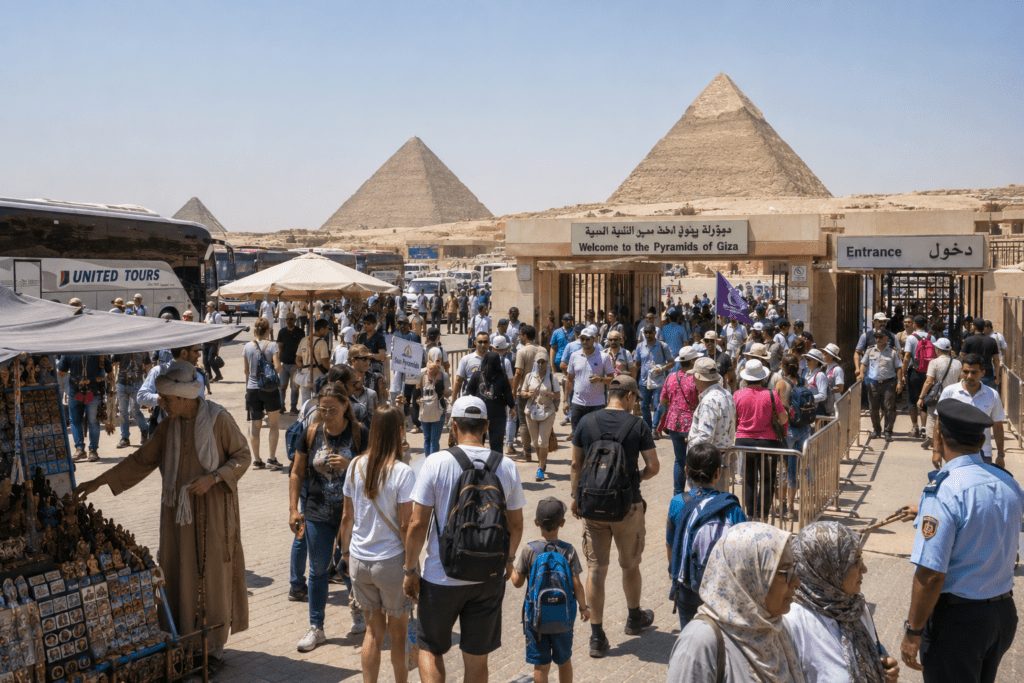
You can now visit Giza independently more easily than before.
Online ticketing, organized entrances, visitor facilities, and shuttle buses have removed much of the logistical uncertainty that once pushed travelers toward tours. Recent independent visitors report using ride-hailing transport, purchasing or pre-booking admission, and navigating the plateau with the free shuttle without difficulty.
But easier logistics do not make historical interpretation unnecessary.
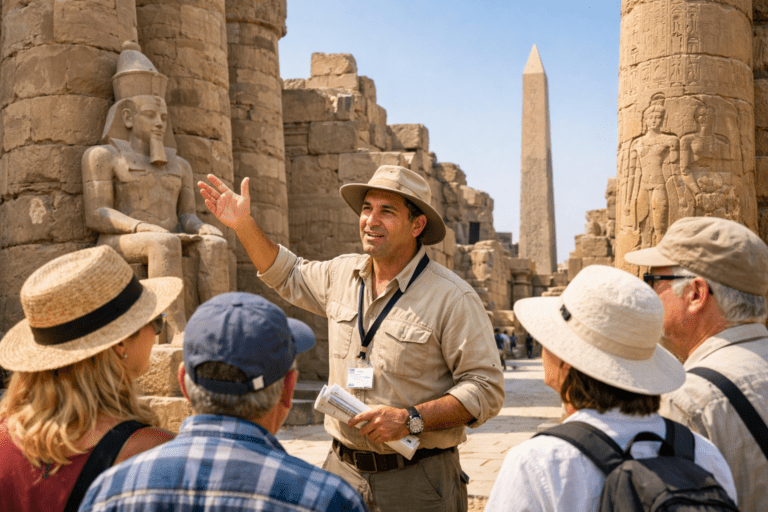
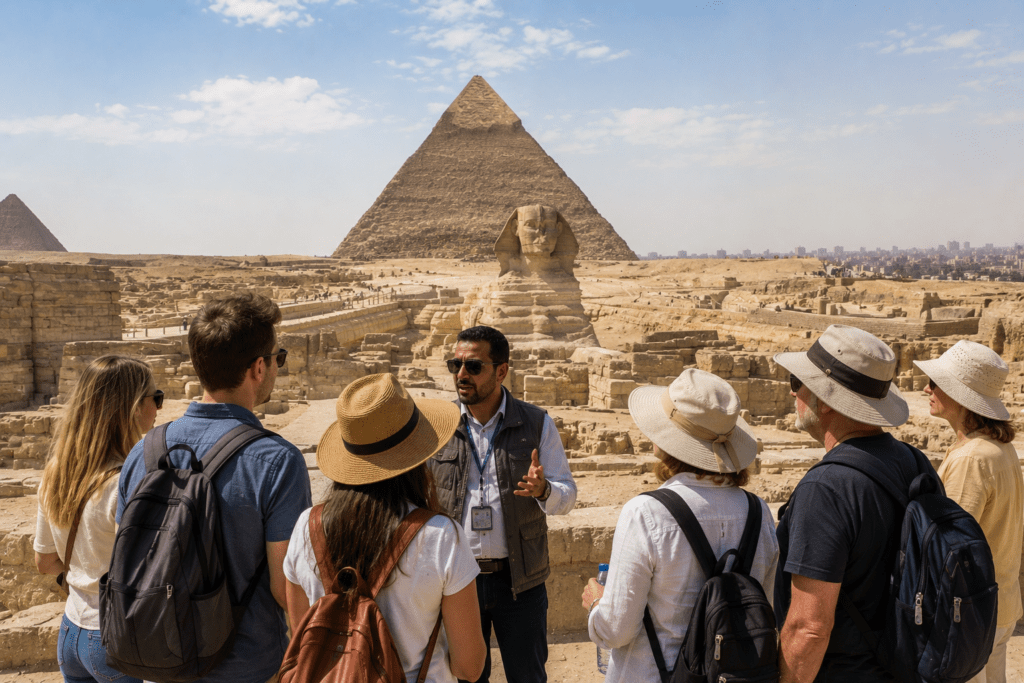
The pyramids contain relatively little visible explanatory material compared with a modern museum. A knowledgeable Egyptologist can explain why the pyramid fields developed west of ancient Memphis, how each funerary complex functioned, what archaeologists actually know about pyramid construction, and which popular stories are unsupported.
The right decision depends on what you want.
If seeing the monuments and taking photographs is enough, independent travel is entirely realistic. If this is likely to be your only visit to Giza and ancient Egyptian history matters to you, a strong Egyptologist substantially improves the experience.
Prefer to visit Giza with an Egyptologist? Explore the Giza Plateau with a private Egyptologist, then continue to the Grand Egyptian Museum and Historic Cairo with private transportation, entrance fees and lunch included.
Be Clear About Camels and Horses Before Agreeing to Anything
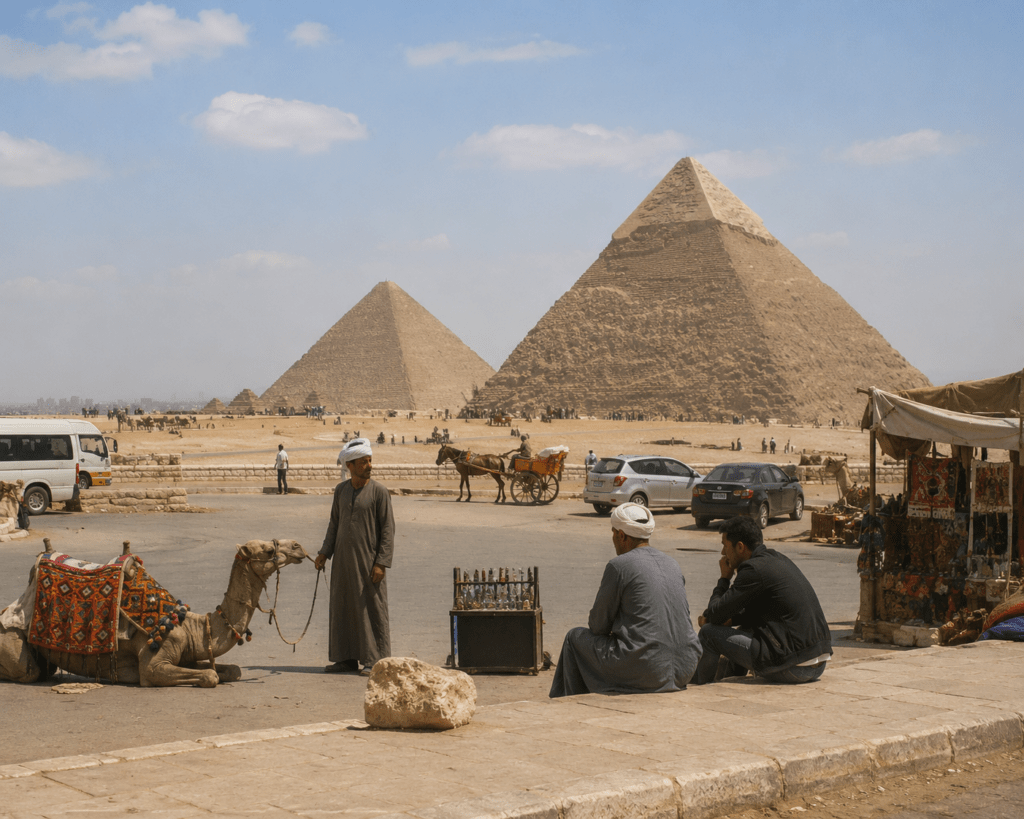
Camel photographs are deeply associated with Giza, but you do not need an animal ride to experience the plateau.
The shuttle system makes that especially clear in 2026.
If you do want a camel or horse experience, agree on the total price, duration, route, and whether the amount covers the entire ride before getting on. Never assume an initial price automatically covers every stage of the experience.
If you are uncomfortable with animal welfare conditions, skip the ride completely. The panoramic viewpoint is accessible without one.
A polite, firm refusal is generally more effective than entering into prolonged discussion with anyone selling a service you do not want.
How Long Do You Need at the Giza Pyramids?
Three to four hours is the minimum I recommend for a first visit.
That allows time for Khufu, Khafre, Menkaure, the panoramic viewpoint, and the Sphinx without treating every stop as a photo opportunity followed immediately by another shuttle.
Add time if you’re entering the Great Pyramid. The climb itself, queues, and recovery afterward all slow the schedule.
History-focused travelers can comfortably spend half a day on the plateau.
Two hours is possible, but it produces exactly the kind of Giza visit worth avoiding: Great Pyramid photograph, rushed Sphinx photograph, back into the vehicle.
Can You Visit Giza and the Grand Egyptian Museum on the Same Day?
Yes—and this is the strongest combination for travelers with limited time in Cairo, provided you dedicate the full day to Giza.
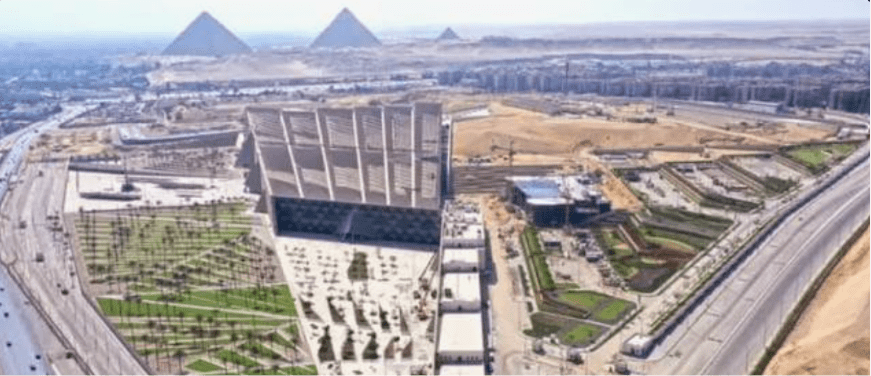
The Grand Egyptian Museum sits near the Giza Plateau and provides the museum context that the archaeological site itself cannot. GEM’s official site confirms that its galleries now include the Tutankhamun Galleries, Main Galleries, Grand Hall, Grand Stairs, and Khufu’s Boats Museum.
Start with the pyramids early while the desert is cooler. Have lunch and transition to GEM afterward, where the galleries provide a climate-controlled second half of the day.
Do not assume you should walk between them simply because they appear close on a map. As of late July 2026, recent visitors reported that the expected pedestrian connection was not yet usable and described the surrounding roads as unsuitable for a comfortable walk. Ride-hailing or arranged transport remains the sensible connection.
Our Grand Egyptian Museum Guide explains how long GEM needs, what to prioritize, the Tutankhamun galleries, current opening hours, and how to prevent the combined day from becoming rushed.
Want to combine Giza and the Grand Egyptian Museum without planning the logistics yourself? ENA’s private Cairo day tour visits both in one day before continuing into Historic Cairo and Khan El Khalili.
Giza Makes More Sense After You Understand Saqqara
If your Cairo itinerary has another day available, the strongest archaeological sequence is not simply “more time at Giza.”
Go to Saqqara and Dahshur.
Saqqara shows the earlier development of monumental stone architecture, including Djoser’s Step Pyramid, while Dahshur preserves critical stages in the evolution toward the true pyramid form. Giza then becomes the culmination of a much longer architectural experiment rather than an unexplained engineering miracle appearing suddenly in the desert.
Egypt’s official tourism authority places Giza within the broader pyramid landscape west of ancient Memphis and explicitly encourages exploring the monuments north to south, including structures that predate Khufu’s Great Pyramid.
If your itinerary allows only one pyramid day, choose Giza. If you genuinely want to understand pyramid building, add Saqqara and Dahshur rather than spending a second full day photographing Giza from different angles.
What to Wear at the Giza Pyramids
Dress for the desert before dressing for photographs.
Comfortable closed shoes or secure walking sandals are more useful than fashionable footwear because surfaces range from paved areas to sand, stone, and uneven ground.
Lightweight breathable clothing makes summer substantially easier. A hat and sunglasses matter because shade is scarce.
Egypt does not require visitors to cover themselves completely at the pyramids, but clothing that is reasonably respectful of local norms remains the stronger choice. The more immediate issue at Giza, however, is sun exposure rather than dress enforcement.
If you plan to enter a pyramid, remember that the interior becomes warm and confined. Carry as little as practical.
Photography Is Better With Distance
The instinct at Giza is to stand directly under the Great Pyramid and point the camera upward.
Do that once—then move away.
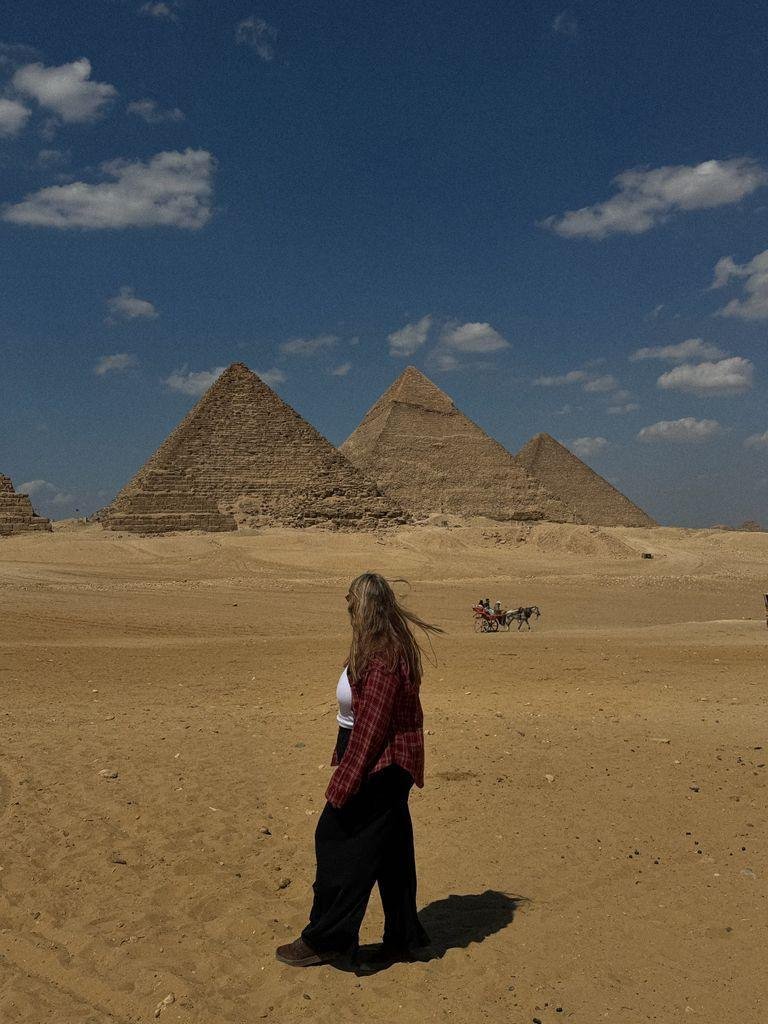
The strongest photographs often come from positions where the desert creates separation between you and the monuments. The panoramic viewpoint gives the classic multi-pyramid composition, while the Sphinx area creates the familiar alignment with Khafre.
Morning light is generally cleaner. Late-afternoon light can become warmer and more dramatic, but planning solely around sunset creates a harder logistical day and can conflict with site hours.
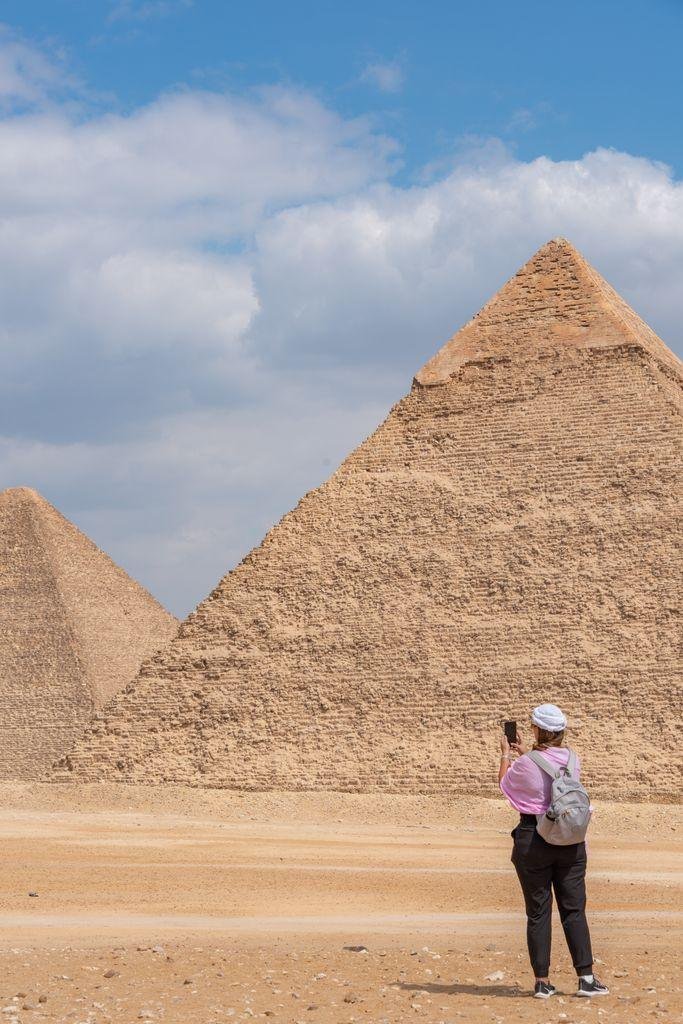
For portraits, use a longer focal length from farther away rather than standing immediately beside the stone. It preserves the pyramid’s geometry and gives a much stronger sense of scale.
Don’t Try to Combine Giza With Half of Cairo
Giza and GEM work together because they occupy the same broad side of Greater Cairo and share an archaeological story.
Giza plus the Citadel, Khan el-Khalili, Coptic Cairo, and a Nile dinner cruise does not make a strong day.
Cairo traffic is too unpredictable for that kind of sightseeing arithmetic. Crossing the city in the afternoon can consume far more time than a map suggests, and the result is usually a rushed pyramid visit followed by another series of rushed attractions.
Protect Giza.
If you have several Cairo days, group attractions geographically rather than simply ranking them by fame.
Frequently Asked Questions
Are the Giza Pyramids worth visiting?
The Giza Plateau is essential for a first journey through ancient Egypt because it contains the last surviving Wonder of the Ancient World within a much larger Old Kingdom royal cemetery. The experience becomes substantially better when you give the site enough time to understand the pyramid complexes rather than arriving solely for photographs.
Which Giza pyramid should I enter?
Choose Khufu’s Great Pyramid if you want to enter one. It provides the most significant architectural experience, including the Grand Gallery and King’s Chamber. The additional ticket is expensive relative to general admission, and travelers seeking decorated tomb interiors should save that expectation for Luxor instead.
Do you need a guide at the Giza Pyramids?
Independent visitors can now navigate the plateau relatively easily using the organized visitor system and shuttle buses. An Egyptologist becomes worthwhile when understanding Old Kingdom history, funerary architecture, construction evidence, and the relationship between the monuments matters more than simply seeing them.
Can you walk around the entire Giza Plateau?
Walking around individual monument areas is worthwhile, but crossing the entire plateau on foot is unnecessary for most visitors. Recent 2026 visitors report that free air-conditioned shuttle buses connect the principal stops frequently, making them the stronger way to cover longer distances.
Can I visit the pyramids and GEM in one day?
A full day is enough if you start at Giza early and move to the Grand Egyptian Museum afterward. Trying to compress both into a single morning undermines both experiences. GEM’s standard galleries currently remain open until 6:00 p.m. on most days and until 9:00 p.m. on Wednesdays and Saturdays, which can make those extended evenings particularly useful for a combined itinerary.
Is the Giza Plateau suitable for children?
Children who are fascinated by ancient Egypt can enjoy Giza, but heat and distances matter more than historical attention spans. Use the shuttle between major areas, carry water, avoid the strongest summer afternoon heat, and do not assume entering the Great Pyramid is suitable for a child uncomfortable with narrow enclosed spaces.
Is it safe to visit the Giza Pyramids independently?
Independent visits are increasingly straightforward because the plateau now has a more organized entrance and internal shuttle system. Recent travelers describe using ride-hailing services and the free buses successfully. The main practical issue is avoiding unnecessary engagement with unsolicited services and agreeing clearly on prices before accepting any paid ride or activity.
The mistake at Giza is not failing to see enough monuments; it is arriving at the wrong time, moving through the plateau without context, and trying to squeeze the pyramids between too many other Cairo attractions. Explore ENA’s Egypt itineraries to experience Giza with realistic timing, expert Egyptologist interpretation, and a properly sequenced visit to the Grand Egyptian Museum—so the pyramids become the foundation of your understanding of ancient Egypt rather than a rushed photograph before the next stop.