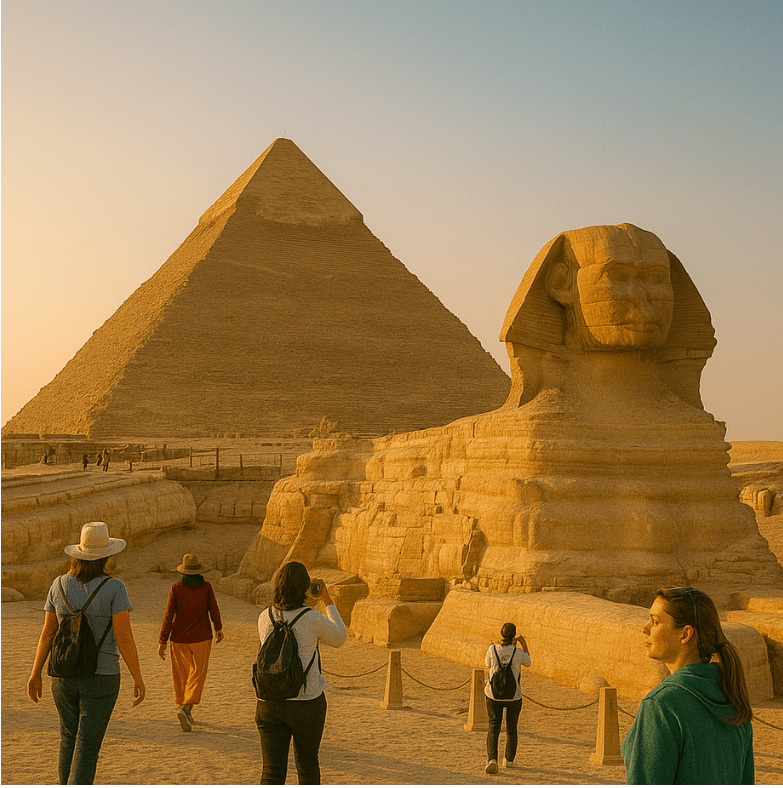
Egypt Scams Tourists Should Actually Know About
Egypt is not the nonstop scam environment many travelers fear before arriving, but it is also not a destination where you can move around completely unaware of how tourist areas function. Most problems visitors encounter are not dangerous crimes. They are smaller pressure-based situations that become exhausting when travelers are unprepared for how persistent some interactions can feel around major sites.
Travelers should still monitor official Egypt travel advisory updates before departure, especially regarding regional conditions and entry procedures.
The biggest mistake first-time visitors make is assuming scams in Egypt look dramatic or obvious. In reality, most situations begin casually. A stranger offers “help” near a ticket gate. Someone starts walking beside you while asking harmless questions. A camel handler insists a photo is free before demanding money afterward. Individually, these moments may seem minor. Repeated several times a day under Cairo heat, crowds, traffic, and long sightseeing schedules, they quickly become draining.
Travelers who enjoy Egypt the most are usually not the ones who avoid local interaction completely. They are the ones who understand where tourist pressure is most common, how to recognize it early, and when to disengage confidently without feeling guilty.
Expert Insight: Most Egypt “scams” are really pressure tactics targeting uncertain tourists. Calm confidence solves far more situations than confrontation.
The Pyramids Area Requires More Awareness Than Most Travelers Expect
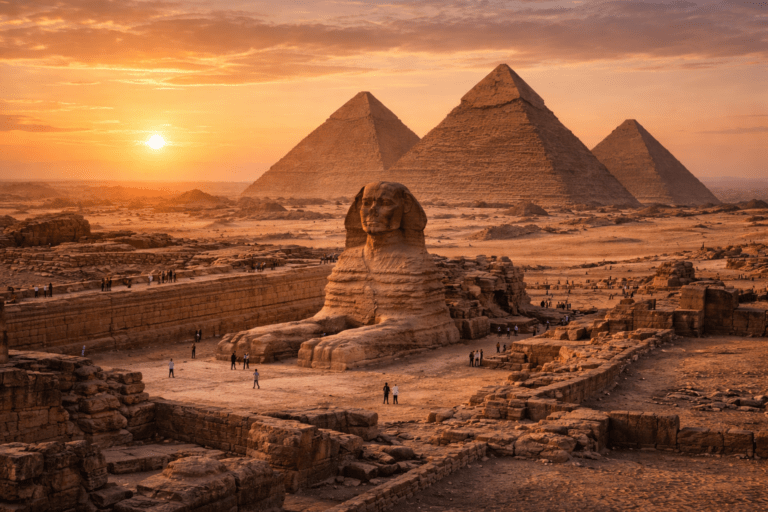
The Giza Plateau is one of the most extraordinary places in the world, but it is also the area where travelers encounter the highest concentration of aggressive tourist targeting.
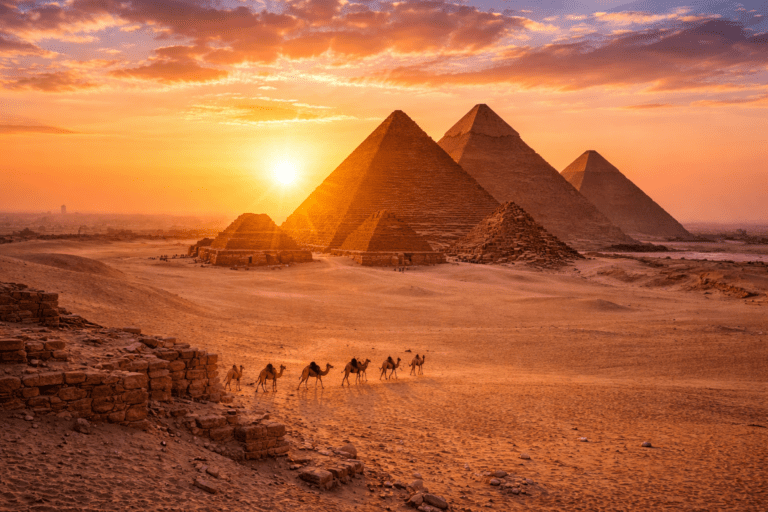
Most of the pressure near the pyramids revolves around unofficial guides, camel ride sellers, photo offers, and people attempting to redirect visitors toward unofficial entrances or paid services. What catches many travelers off guard is how quickly casual conversation can shift into persistent sales pressure once engagement begins.
Someone may begin with a harmless question about where you are from or whether you need a photo, then continue walking beside you while gradually turning the interaction toward money, tips, or transportation offers.
This becomes far easier to manage once travelers realize they do not owe every approaching stranger a conversation. A calm “la shukran” while continuing to walk is usually far more effective than lengthy explanations or apologies.
Guide’s Note: Midday heat around the pyramids makes these interactions feel significantly more exhausting. Travelers who arrive shortly after opening hours usually experience the site much more comfortably before temperatures and crowds intensify.
“Free” Often Stops Being Free Very Quickly
One of the most common tourist situations in Egypt begins with something appearing informal or friendly before payment is suddenly expected afterward.
A person may offer to take your photo, guide you toward a better viewpoint, hand you an item to examine, or invite you onto a camel “just for a picture.” The uncomfortable part comes later, when the interaction unexpectedly becomes transactional.
This works particularly well on uncertain first-time visitors because the initial approach feels casual rather than commercial.
In practice, most uncomfortable situations become avoidable when expectations are clarified immediately instead of afterward. Travelers who politely decline unsolicited help before the interaction develops usually avoid the vast majority of these problems.
Fake Help Around Tourist Entrances Is Extremely Common
This happens most frequently near famous tourist areas where first-time visitors already feel disoriented. Someone may insist the official entrance is closed, claim tickets must be purchased elsewhere, or say a special access route is required.
The goal is usually to redirect travelers toward an unofficial guide service, transportation arrangement, or tip request.
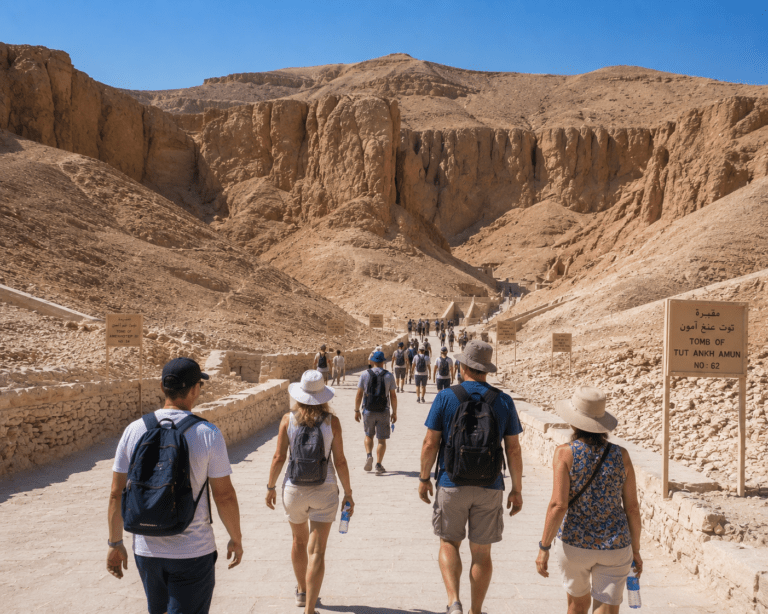
This pressure often feels convincing in the moment because Egypt’s major sites can initially seem chaotic to first-time visitors, especially during busy morning arrival periods when tour buses, private drivers, vendors, and large groups all arrive simultaneously.
In reality, official ticket entrances at Egypt’s major sites are usually straightforward once travelers ignore outside interference and proceed directly toward official counters or security checkpoints.
Guide’s Note: Licensed Egyptian guides carry official guide identification. Someone approaching aggressively outside a site entrance is not automatically an official guide simply because they speak excellent English.
Horse and Camel Ride Problems Usually Begin Before the Ride Starts
The issue with camel and horse rides at the pyramids is rarely the ride itself. The problem is usually unclear pricing before the experience begins.
A traveler may agree to what sounds like a very cheap ride, only to discover afterward that photo stops, extended distance, waiting time, or return transportation suddenly cost extra. These disagreements often happen at the end of the ride when travelers are already tired, overheated, and far from the main visitor areas.
Travelers who genuinely want a camel or horse experience usually have a much smoother time arranging it through a reputable guide or organized tour rather than negotiating independently on-site under pressure.
The strongest Egypt trips reduce unnecessary friction wherever possible. Constant bargaining during long sightseeing days becomes mentally exhausting much faster than most travelers expect beforehand.
Taxi Confusion Still Happens, Even With Uber Available
Cairo has improved dramatically since Uber became common throughout the city, but transportation confusion still happens regularly around airports, hotels, and busy tourist zones.
Most problems occur immediately after arrival, when tired travelers carrying luggage are approached outside terminals by drivers offering transportation before visitors fully understand local pricing or navigation.
Inside Cairo itself, Uber is usually the easiest option for most tourists because routes and pricing are established before the ride begins. The larger issue tends to happen at airports, particularly late at night when travelers are exhausted from long international flights and trying to organize transportation quickly.
Travelers who arrange airport transfers beforehand usually begin Egypt much more comfortably than travelers attempting to negotiate transportation outside Cairo International Airport after arrival.
Some “Official” Looking People Are Not Official
Tourist pressure in Egypt often depends more on confidence and appearance than elaborate deception.
A person may wear a lanyard, stand near a tourist entrance, or speak with authority while directing travelers toward certain areas or services. This creates pressure to comply quickly before visitors have time to evaluate whether the person is actually connected to the site.
Actual tourism police, ticket staff, and security personnel at major Egyptian attractions are usually positioned at fixed entrances, official counters, or uniformed checkpoints.
When uncertain, slowing the interaction down is usually the smartest response. Most scam-based situations rely heavily on traveler confusion, momentum, and rushed decision-making.
Bargaining Is Normal — Pressure Is Not
Many first-time travelers become so worried about being overcharged that they either accept every price immediately or become suspicious of every interaction they encounter.
Neither approach works particularly well in Egypt.
Bargaining is part of normal shopping culture in bazaars, souvenir markets, and tourist shopping areas like Khan El Khalili. Negotiation itself is not the problem. The difference is whether the interaction remains relaxed or becomes aggressively manipulative.
Experienced travelers in Egypt usually stay polite but decisive. Hesitation often creates more pressure than direct answers do. Shopkeepers in busy tourist markets may invite visitors inside enthusiastically, but travelers are never obligated to continue conversations or purchases they do not want.
Most Egypt Trips Go Smoothly When Logistics Are Organized Properly
The internet sometimes creates the impression that Egypt feels constantly stressful or difficult. In reality, most travelers who prepare realistically have excellent experiences throughout the country.
The biggest difference usually comes down to structure.
Travelers who struggle most often spend large portions of their trip negotiating transportation daily, improvising logistics constantly, or relying heavily on random street interactions near tourist sites. That combination becomes exhausting quickly, especially under Egypt’s heat and long sightseeing days.
Travelers who enjoy Egypt most typically remove the highest-friction parts of the experience beforehand. Organized transportation, realistic pacing, selective use of experienced guides, and clear daily structure dramatically reduce the situations where scams and tourist pressure become overwhelming.
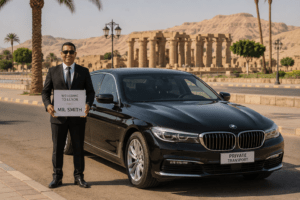
Many travelers try to save small amounts of money by arranging everything independently after arrival, then spend much of the trip exhausted from constant negotiation, transportation confusion, and tourist pressure around major sites. Egyptian Nile Adventures removes the situations that create the most friction in Egypt — unreliable pickups, aggressive sales environments, confusing site logistics, and unrealistic sightseeing pacing — so travelers spend their energy experiencing Egypt instead of managing stress all day. The difference between a smooth Egypt trip and an exhausting one is usually not budget. It is how much uncertainty was removed before the trip even started.
FAQs
Are scams in Egypt dangerous?
Most tourist scams in Egypt are frustrating rather than dangerous. The majority involve pressure tactics, inflated pricing, unsolicited help, or aggressive selling near tourist sites instead of serious criminal activity. Travelers who stay calm, avoid rushed decisions, and organize major logistics beforehand usually avoid most problems entirely.
Is Uber safer than taxis in Cairo?
Uber is generally easier and more predictable for most visitors because pricing and navigation are established before the ride begins. Traditional taxis still operate throughout Cairo, but meter disputes and pricing confusion remain more common with street taxis than app-based transportation.
Are the pyramids full of scammers?
The pyramids area has more tourist pressure than most Egyptian sites, particularly around camel rides and unofficial guiding. That does not ruin the experience. Travelers who arrive early, avoid prolonged engagement with aggressive sellers, and visit with realistic expectations still find Giza unforgettable.
Should travelers avoid bargaining in Egypt?
Bargaining is part of normal shopping culture in Egypt, especially inside tourist markets and bazaars. The goal is not avoiding negotiation completely, but remaining relaxed and avoiding emotionally pressured purchases.
Does hiring a guide reduce scams in Egypt?
Experienced licensed guides reduce logistical stress significantly because they manage timing, transportation, ticket procedures, and tourist interactions throughout the day. Independent travel in Egypt is absolutely possible, but travelers moving entirely alone through major tourist zones usually encounter more negotiation fatigue and tourist pressure.
Many travelers assume avoiding scams in Egypt is about staying constantly alert. In reality, the bigger problem is spending the entire trip negotiating transportation, sorting out logistics, and dealing with unnecessary tourist pressure that slowly drains the experience. Explore Egyptian Nile Adventures removes the highest-friction parts of traveling in Egypt—from airport arrivals and site logistics to reliable guides and realistic daily pacing—so travelers spend their time exploring Egypt instead of managing problems. Before deciding how to structure your trip, compare the most common Egypt itinerary options and see which approach minimizes the situations that create the most stress for first-time visitors.