Family Guide to Marsa Matrouh: Beaches, Hotels, Activities & Practical Tips
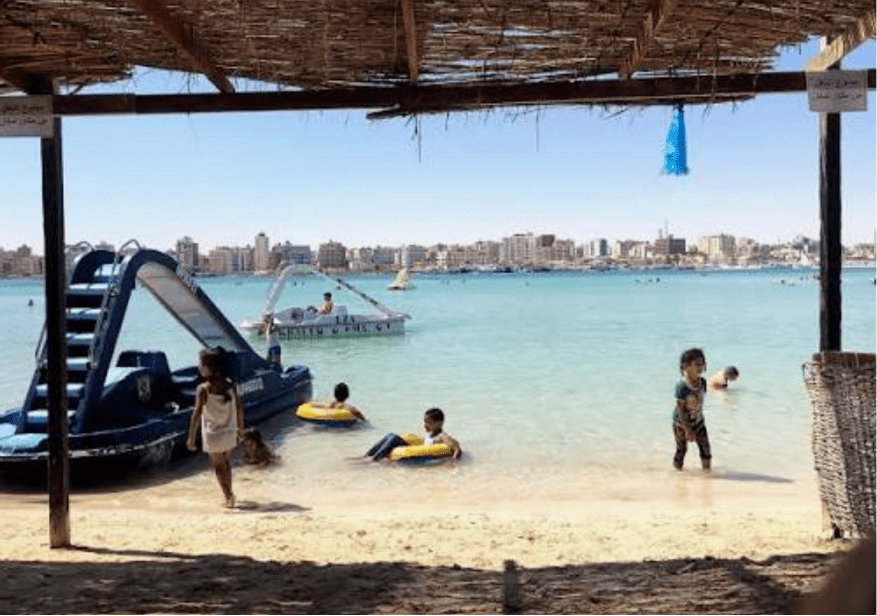
Marsa Matrouh works particularly well for families because the trip can stay simple. You do not need to move between monuments all day, children can spend hours in clear Mediterranean water, and summer evenings are built around families rather than nightlife. The mistake is assuming every beach and every hotel offers the same level of convenience. Some of Matrouh’s most beautiful coves involve steps, rocks, limited shade, or rougher water, while the easiest family stays are often the ones with direct beach access, pools, food nearby, and enough space to avoid packing the car every morning.
For families with younger children, the strongest approach is to choose accommodation around convenience first and scenery second. A private or well-managed beach, reliable shade, a pool, and an easy route back to the room matter more after three days than a dramatic cliff view. Save Agiba and Cleopatra for shorter outings, and use your main hotel beach for the long swimming days.
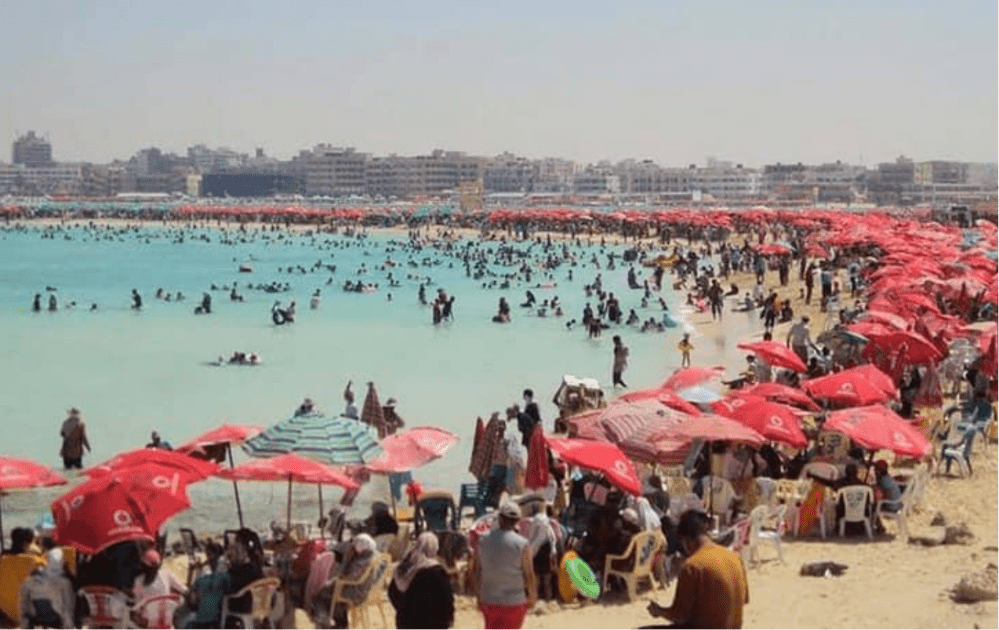
Summer is also genuinely busy here. Marsa Matrouh is one of Egypt’s established domestic holiday destinations, so July and August can feel very different from an international resort designed mainly for overseas visitors. The crowds are part of the atmosphere, but families who understand that rhythm—early beach mornings, a midday break, and active evenings—usually enjoy the city far more.
Expert Insight: With children, do not judge a Marsa Matrouh beach only by water color. Shade, bathroom access, the walk from the car, sea conditions, and how quickly you can get back to your room are often more important than which beach looks best in photographs.
The Beach Should Be Easy Before It Is Impressive
Marsa Matrouh has some of the clearest and most visually striking Mediterranean water in Egypt, but not every famous beach is the right place to base a family day.
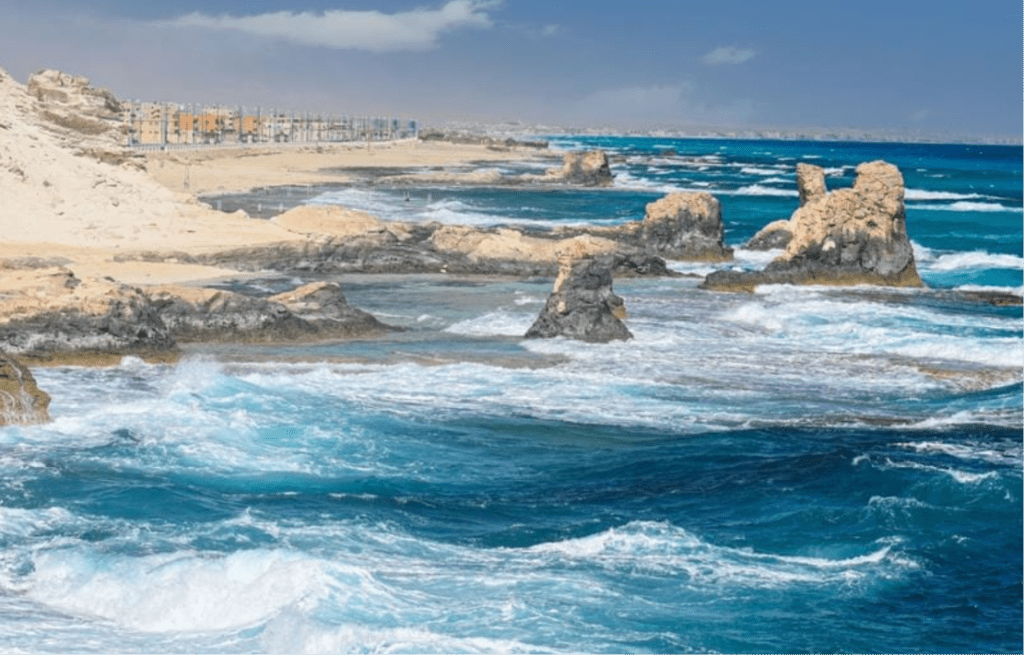
Agiba is spectacular, but it is a compact cove below the cliffs. That means more effort getting down to the shoreline, limited space once summer crowds arrive, and less flexibility if a toddler suddenly needs food, a bathroom, or a break from the sun. Cleopatra Beach is equally famous, but the rocky shoreline and natural formation around Cleopatra’s Bath make it better suited to a shorter scenic visit than an automatic full-day choice for young children.
Families planning several beach days are usually better served by a broader, easier-access beach or a resort with its own managed stretch of coast. Booking.com currently lists a substantial number of family-focused properties in and around Marsa Matrouh, and recent family reviews repeatedly mention pools, private beaches, breakfast convenience, spacious rooms, and easy access to food as major advantages.
Our Best Beaches in Marsa Matrouh guide compares Agiba, Cleopatra, Almaza Bay, Rommel, Gharam, and quieter local beaches in more detail. If you’re specifically deciding between Matrouh’s two most photographed locations, read Agiba Beach vs Cleopatra Beach: Which Should You Visit?
Calm Water Matters More Than Famous Names
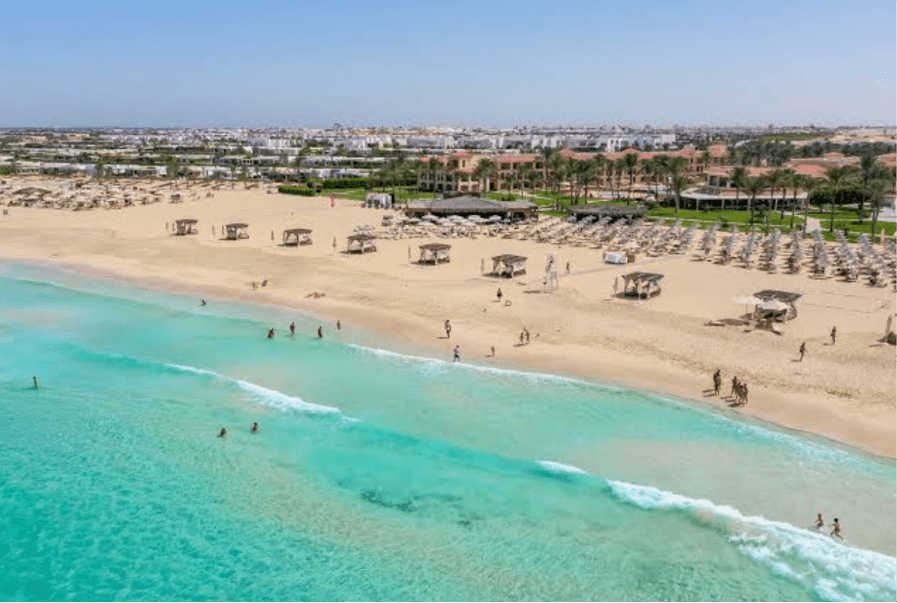
One of Marsa Matrouh’s great strengths is that many stretches of coastline can feel shallow and inviting during settled summer weather. But families should not assume the Mediterranean is always calm.
Wave conditions can change quickly, particularly around exposed beaches and rocky formations. This matters because a beach that was suitable for young swimmers yesterday may not feel the same the following afternoon. Local safety incidents have periodically underlined the danger of treating apparently beautiful water as automatically safe, especially when waves increase.
The right family habit is simple: look at the sea before committing to the day. If local authorities, lifeguards, or beach staff restrict swimming, change the plan rather than trying to make the original itinerary work.
Guide’s Note: Children are often drawn toward rocks, wave pools, and the edges of scenic formations. At Cleopatra and similar coastal spots, keep photography secondary to footing and sea conditions. These are not controlled swimming pools.
A Resort Can Be Worth Paying More For
Families often focus heavily on room price and overlook the cost of inconvenience.
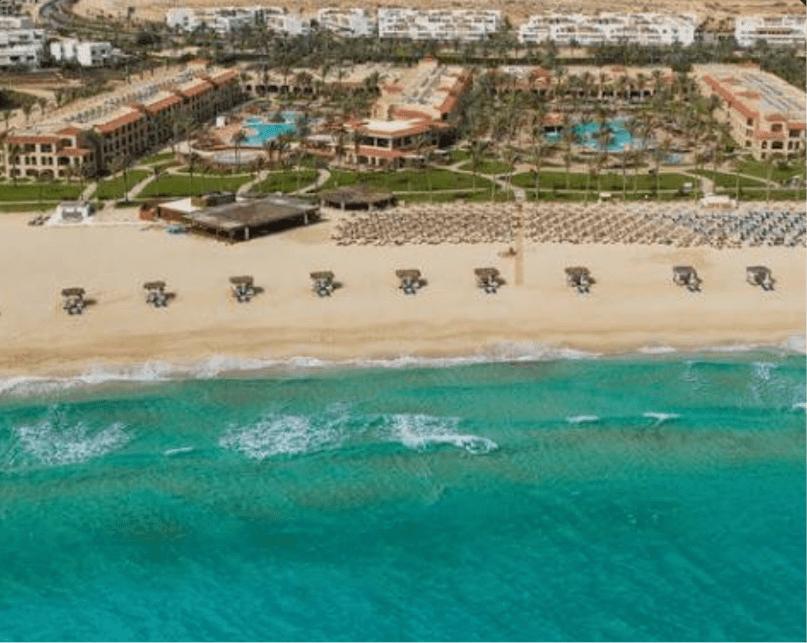
A cheaper apartment may initially look attractive, but if every beach day requires loading towels, toys, snacks, water, umbrellas, and children into a car before hunting for parking, the savings can feel less impressive by the fourth day. A hotel with a private beach, breakfast, pools, and nearby meals can simplify the trip enough to justify the difference.
Current Booking.com family listings show strong demand for properties such as Cleopatra Sidi Heneish and Almaza Bay resorts, while family reviews highlight factors such as multiple children’s pools, easy food delivery, shaded beach seating, spacious rooms, and on-site dining.
That does not mean families need a luxury resort. It means the accommodation should solve practical problems. If you’re staying in central Matrouh, proximity to the Corniche and restaurants can compensate for having fewer resort facilities. If you’re farther out along the coast, having meals, pools, and beach access on site becomes more valuable.
The Best Daily Rhythm Is Early Beach, Midday Rest, Late Evening
Trying to keep children on the sand through the hottest part of a July or August day usually creates more exhaustion than enjoyment.
A better pattern is to swim early, when the beach is cooler and easier to manage. By late morning, families begin arriving in greater numbers, umbrellas fill, and the Mediterranean sun becomes much stronger. Return to the hotel for lunch, rest, or pool time, then go out again in the late afternoon.
After sunset, Marsa Matrouh becomes a family city. The Corniche fills with people walking, eating, buying snacks, and staying outside late into the evening. That social rhythm is one of the reasons Egyptian families return each summer; it is not a destination that shuts down once the beach day ends. Local reporting frequently shows busy evening promenades during the summer season.
For more detail on how June, July, August, and September differ, see The Best Time to Visit Egypt’s Mediterranean Coast.
Evenings Are Part of the Family Experience
Families who stay entirely inside their hotel miss an important part of Marsa Matrouh.
A walk along the Corniche gives children room to move after dinner while parents can stop for coffee, sweets, or something more substantial. During peak summer, this is also when the city feels most characteristically Egyptian. Families are out late, restaurants remain busy, and the atmosphere is social rather than club-oriented.
This makes Matrouh particularly comfortable for parents who do not want entertainment to revolve around bars or nightlife. The city is much more oriented toward families, food, evening walks, and beach culture.
If your children are old enough to enjoy a change from swimming, our guide to What to Do in Marsa Matrouh Besides the Beach covers the Corniche, Marsa Matrouh Museum, local markets, seafood, Bedouin experiences, and historical stops.
The Marsa Matrouh Museum Is an Easy Non-Beach Break
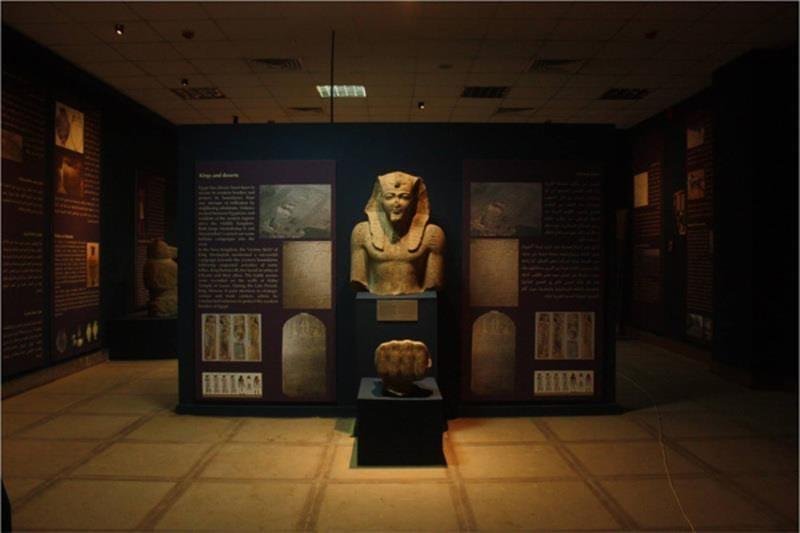
The Marsa Matrouh Museum is one of the easiest cultural activities to add without turning the trip into a sightseeing marathon.
The museum presents the region’s history, including its role in fishing, trade, western frontier connections, and relationships with neighboring Mediterranean regions. Current Ministry of Tourism and Antiquities information lists opening from 8:00 a.m. to 3:00 p.m., followed by an evening session from 5:00 p.m. to 10:00 p.m., with a daily closure between 3:00 and 5:00. Foreign admission is currently listed at EGP 80 for adults and EGP 40 for students, with children under six admitted free under the museum’s published policy.
The evening opening is especially useful for families. You can preserve the morning for the sea, rest through the hottest part of the afternoon, and visit the museum once the day cools.
For official hours and current ticket information, the Ministry of Tourism and Antiquities’ Marsa Matrouh Museum page is the external source worth checking before you go.
Food Is Easier If You Plan Around Children’s Patience
Marsa Matrouh is an excellent place to eat seafood, but a long fish meal is not always the right answer after children have spent five hours swimming.
For relaxed family dining, the strongest strategy is to mix simple meals with one or two more traditional seafood experiences. Local restaurants remain open late in summer, and families tend to eat later than many visitors from Europe or North America may expect.
Uno Pizza is a practical casual option with a strong volume of local reviews, while Magdy Seafood is one of the city’s heavily reviewed seafood choices. Families who want something more contemporary can also consider Tokyo SmokeHouse. Current hours and popularity can change, so check same-day details rather than building a rigid dinner schedule around one restaurant.
For seafood, confirm pricing before preparation when fish or shellfish is sold by weight. That avoids the most common misunderstanding at restaurants where guests choose directly from the display.
Agiba Is Worth Seeing, Even With Children
Families should not skip Agiba simply because it is less convenient.
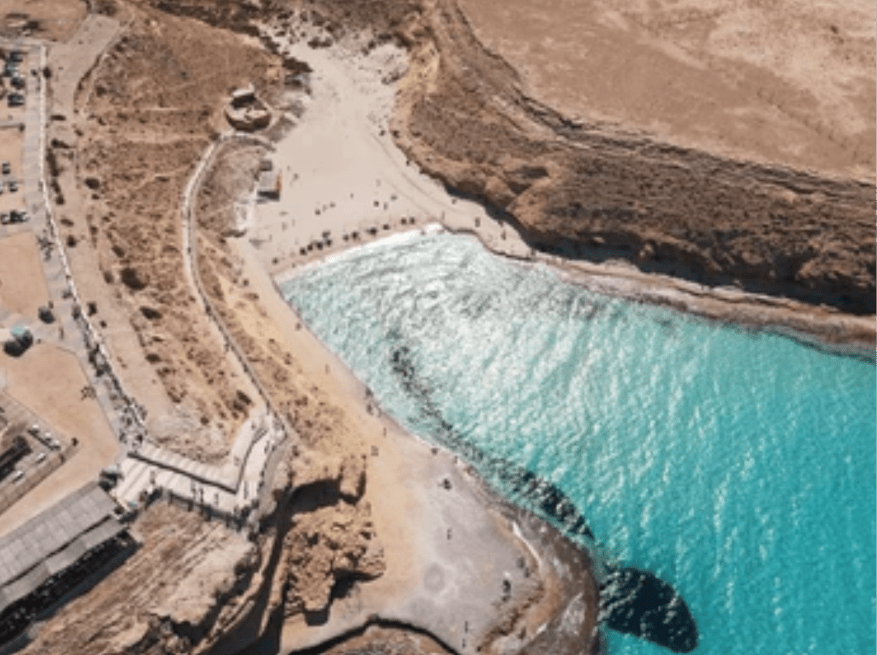
It is one of the defining landscapes of Marsa Matrouh, and the viewpoint alone makes the outing worthwhile. The better family approach is to treat it as a focused visit rather than trying to make it your default beach for several consecutive days.
Arrive early, see the cliffs and water before the summer crowds build, and decide whether the descent is sensible for your children that day. If the beach is packed or the sea is rough, enjoy the viewpoint and move on rather than forcing a swim.
This keeps Agiba special instead of turning the morning into a logistical exercise.
Cleopatra Works Better as a Coastal Stop
Cleopatra Beach is another location families often misunderstand.
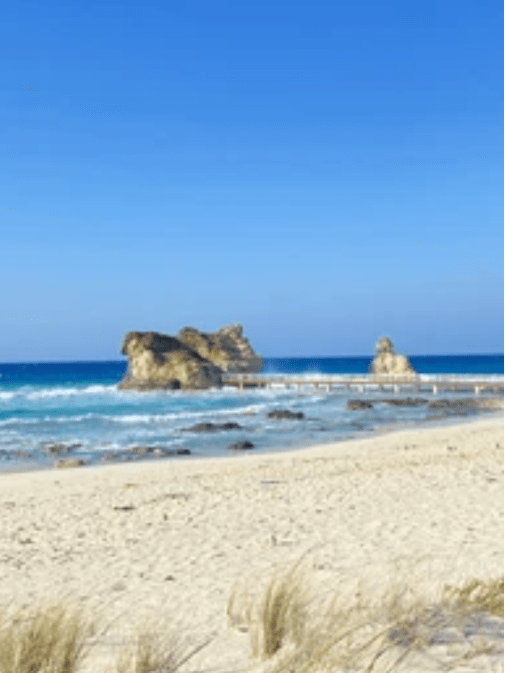
The name creates the impression of a classic sandy family beach, but the real attraction is the rock formation and natural basin associated with Cleopatra’s Bath. Families with older children may enjoy walking the coastal path and seeing the formation, but younger children require close supervision around slippery surfaces and waves.
If your main objective is easy swimming, spend less time here and more at a broad, managed beach. If your children enjoy unusual landscapes and short excursions, Cleopatra adds variety without demanding a full day.
Summer Crowds Are Not a Small Detail
July and August are peak domestic holiday months, and Marsa Matrouh can become extremely busy.
For children, crowds matter because they affect parking, beach space, restaurant waits, and how quickly parents can move everyone from one place to another. A famous public beach at midday in August can feel completely different from the same beach at 8:00 a.m.
Families with flexibility should seriously consider June or September. The sea remains suitable for swimming, and the experience is generally easier once the heaviest domestic holiday traffic is reduced. Travelers discussing Egypt’s Mediterranean coast consistently describe the June-to-August period as particularly crowded, especially around popular northern beach destinations.
That does not mean July or August should be avoided. It simply means you need an earlier schedule and stronger accommodation logistics.
Marsa Matrouh or the Red Sea for Families?
Marsa Matrouh is the stronger choice if your family wants a traditional summer beach holiday centered on sand, swimming, food, and relaxed evenings.
The Red Sea becomes stronger if your children are excited by snorkeling, coral reefs, waterparks, large all-inclusive resorts, and organized hotel entertainment. Hurghada and Sharm El Sheikh generally provide more resort infrastructure, while Matrouh offers a more distinctly Egyptian summer atmosphere.
Our Mediterranean Egypt vs Red Sea Egypt: Which Is Right for You? guide compares the two coastlines in detail, including beaches, marine life, resort style, cost, and family experience.
A Car Helps, But It Is Not Essential Everywhere
Families staying in central Marsa Matrouh can manage many evenings without complicated transportation because restaurants, shops, and the Corniche are concentrated around the city.
Once you start visiting Agiba, Cleopatra, resort areas, or quieter beaches farther along the coast, private transport becomes much more convenient. Families carrying child seats, beach bags, towels, and toys will generally find a private vehicle easier than arranging multiple short journeys.
The main mistake is underestimating distance because everything appears to sit along the same coastline on a map. Marsa Matrouh’s attractions are spread out, and a family outing can lose much of its value if half the day is spent moving back and forth unnecessarily.
Should Families Stay in Marsa Matrouh for a Week?
A week works well if the family genuinely enjoys beach holidays.
Seven nights gives you enough time to alternate easy resort days with Agiba, Cleopatra, the museum, Corniche evenings, and one or two meals in the city without turning each day into an itinerary.
Families that become restless after two beach days may prefer four or five nights, then continue to Alexandria, Cairo, or another part of Egypt. Marsa Matrouh should feel like the slower section of the trip, not another destination where everyone has to be dressed and moving by 7:00 every morning.
This is one reason the Marsa Matrouh Travel Guide: Egypt’s Mediterranean Paradise should serve as your broader planning page, bringing beaches, timing, accommodation, activities, and transport together in one place.
Frequently Asked Questions
Is Marsa Matrouh good for toddlers?
A resort or managed beach with shallow entry, reliable shade, nearby bathrooms, and quick room access is the strongest setup for toddlers. Agiba and Cleopatra are better treated as short excursions because stairs, rocks, crowds, and changing sea conditions can make them less convenient for very young children.
Is Marsa Matrouh safe for children to swim?
Swimming conditions vary by beach and by day. Calm-looking turquoise water should never override lifeguard instructions or warning flags, particularly around rocky formations and exposed sections of coast. Families should choose beaches with active supervision whenever possible and change plans if the sea becomes rough.
Is Marsa Matrouh better in July or September for families?
September is the easier choice if your dates are flexible. The water retains much of its summer warmth while domestic holiday pressure begins to fall, making parking, restaurants, and famous beaches easier to manage. July offers the fullest summer atmosphere but requires earlier starts and more advance booking.
Is there enough to do besides swimming?
The museum, Corniche, markets, food, Cleopatra’s rock formation, Agiba viewpoint, and selected desert or historical experiences provide enough variety for a relaxed family stay. Marsa Matrouh is not designed to deliver a major attraction every day; it works best when non-beach activities support rather than replace the Mediterranean.
Are family hotels expensive in Marsa Matrouh?
Prices vary sharply by season and location. July and August can be considerably more expensive because of domestic demand, particularly at beachfront resorts. Families who travel in June or September often gain better value without losing the essential beach experience.
The most common family mistake in Marsa Matrouh is choosing the prettiest beach or cheapest room without considering how the days will actually work with children. Long transfers, difficult beach access, no shade, or a hotel far from food can create friction that clear blue water does not fix. Explore ENA’s family-focused Egypt itineraries to place Marsa Matrouh at the right point in your journey, choose accommodation around real family logistics, and keep the trip relaxed instead of spending each day solving avoidable problems.