Can You Visit Amarna? What to See at Akhenaten’s Ancient Capital
Yes, you can visit Amarna.
The ancient city Akhenaten called Akhetaten, now usually known as Amarna or Tell el-Amarna, is an archaeological site in Minya Governorate open to visitors. You can see elite tombs, palace and temple remains, one of Akhenaten’s boundary stelae and the Royal Tomb deep in the eastern cliffs.
Just don’t arrive expecting another Luxor.
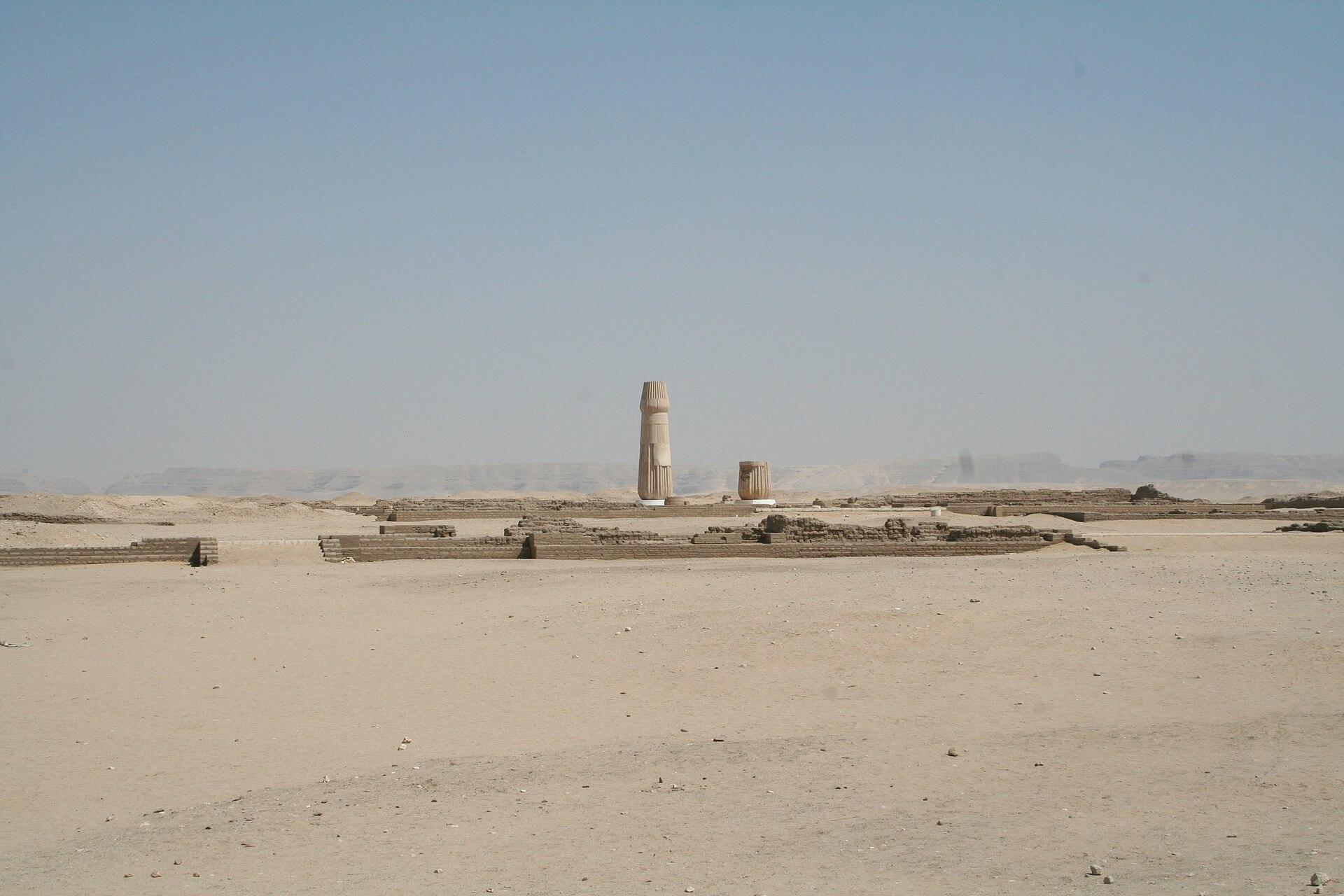
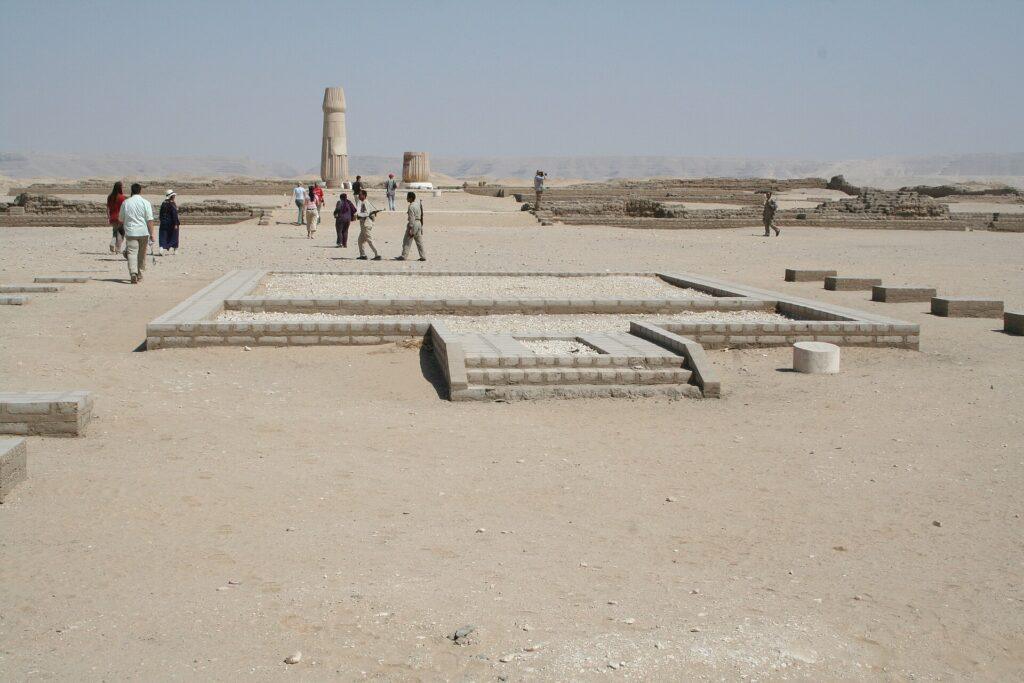
Much of Akhenaten’s city was built in mudbrick, while stone from its major monuments was removed after the city was abandoned. Across the desert, you are often looking at foundations, low walls and the outlines of buildings rather than towering temples.
The tombs and cliffs are much more immediately dramatic. Out on the plain, knowing what you’re looking at makes a huge difference.
Where Is Amarna?
Amarna lies on the east bank of the Nile in Minya Governorate, opposite the area of Deir Mawas and close to Mallawi.
It sits in Middle Egypt, between Cairo and Luxor. The Amarna Project’s visitor information gives approximate road distances of 60 km from Minya, 75 km from Asyut, 310 km from Cairo and 400 km from Luxor.
Its location is one reason Amarna falls outside most first-time Egypt itineraries. It doesn’t sit conveniently beside Cairo, Luxor or another major tourism base, and visiting it properly takes some planning.
What Was Amarna?
Amarna contains the remains of Akhetaten, the capital Akhenaten created during Egypt’s 18th Dynasty as the center of his royal court and worship of the Aten.
Its time as Egypt’s capital was remarkably short. The city was built rapidly and largely abandoned after Akhenaten’s reign.
That short life is part of what makes the site so unusual. Later cities were not continually built over Akhetaten, leaving archaeologists with extensive evidence of its original urban plan.
If you’re interested in why Akhenaten created a new capital and where Akhetaten fits among Egypt’s other former seats of power, read our guide to the Forgotten Capitals of Ancient Egypt. Here, we’re going to concentrate on what you can actually see when you visit.
What Can You See at Amarna?
Amarna is not one archaeological complex where you enter through a gate and walk from monument to monument. The ancient city and its cemeteries extend across a large area between the Nile Valley and the eastern cliffs.
For a first visit, concentrate on the North Tombs, North Palace, Small Aten Temple, Boundary Stela U and Royal Tomb. Those sites can fill a full day without trying to cover every excavated area at Amarna.
The North Tombs
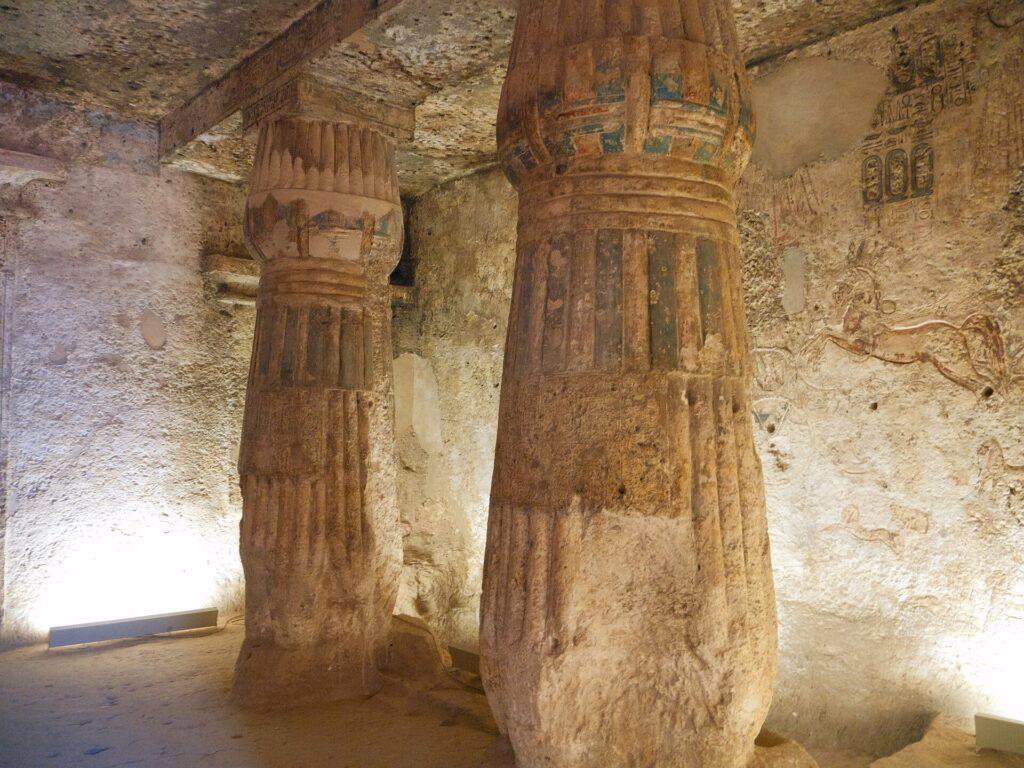
For many visitors, the North Tombs are one of the highlights.
These rock-cut tombs belonged to senior members of Akhenaten’s court. Their surviving decoration includes scenes of the royal family, Aten worship, palace life and the city itself.
That makes them particularly interesting after you’ve crossed areas where the ancient buildings survive mostly as foundations. Inside the tombs, you can actually see how members of Akhenaten’s court chose to represent their world.
There is a substantial climb to reach the main group. Modern steps have been installed and there are benches along the route, but the high staircases do not have continuous handrails.
The North Palace
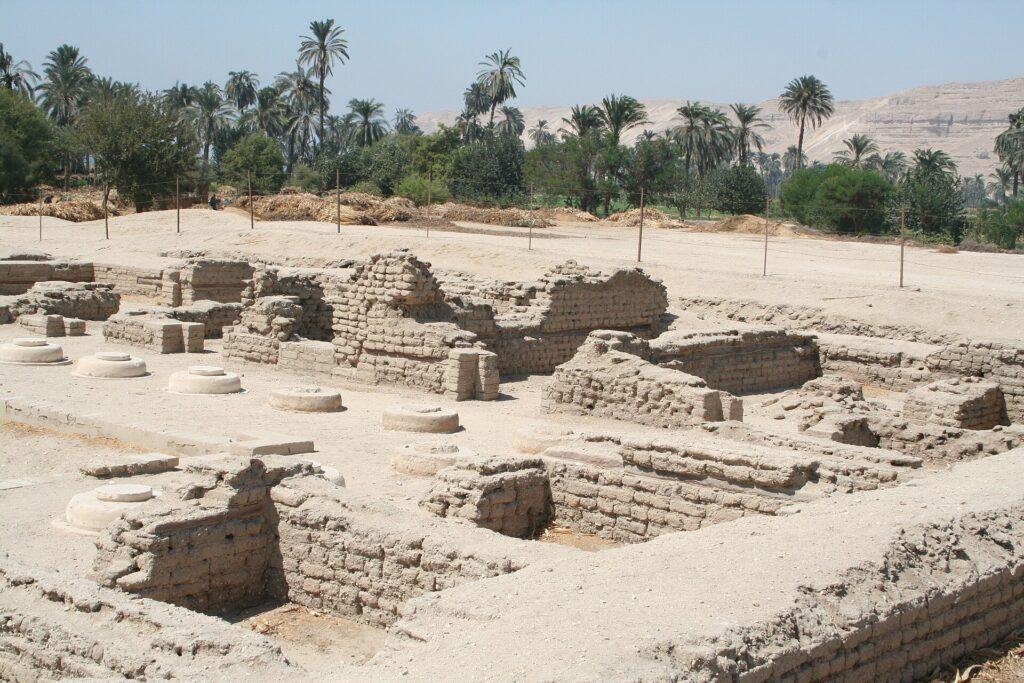
At the North Palace, partially reconstructed lower walls make the original layout easier to follow.
You won’t walk into anything resembling a standing royal palace. What you can see is how rooms, courts and larger spaces fitted together, which is much easier here than in areas where little survives above foundation level.
The Small Aten Temple
The Small Aten Temple gives you a closer look at the religious architecture Akhenaten created for the Aten.
Rather than relying entirely on the increasingly dark interior spaces familiar from many traditional Egyptian temples, Aten temples incorporated broad open courts exposed to sunlight.
Very little stands to any great height today, but reconstructed sections make the temple plan easier to follow on the ground.
Boundary Stela U
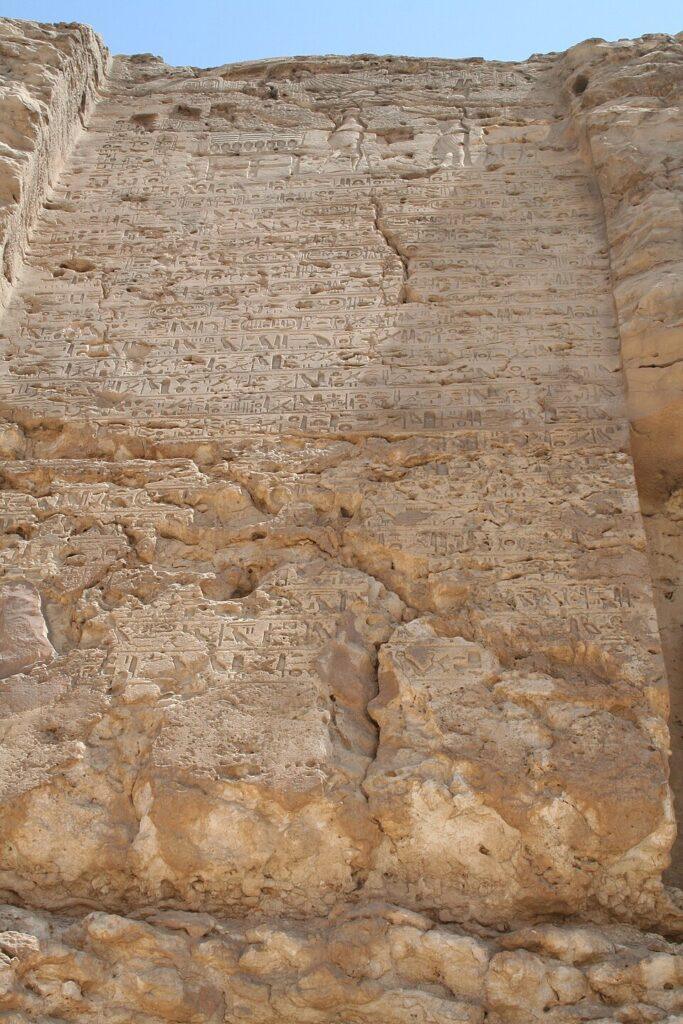
Akhenaten marked the territory of his new capital with enormous inscriptions carved into the surrounding cliffs.
Most of these boundary stelae are difficult for ordinary visitors to reach, but Boundary Stela U can be included in a normal visit. The Amarna Project’s documentation of the boundary stelae records Stela U at approximately 7.6 meters high, with remains of carved royal figures near its base.
Getting there involves another significant climb, so keep that in mind if you’ve already done the stairs to the North Tombs.
For anyone particularly interested in Akhenaten, it’s worth the effort. You’re standing in front of one of the inscriptions connected directly with his establishment of the new capital.
The Royal Tomb
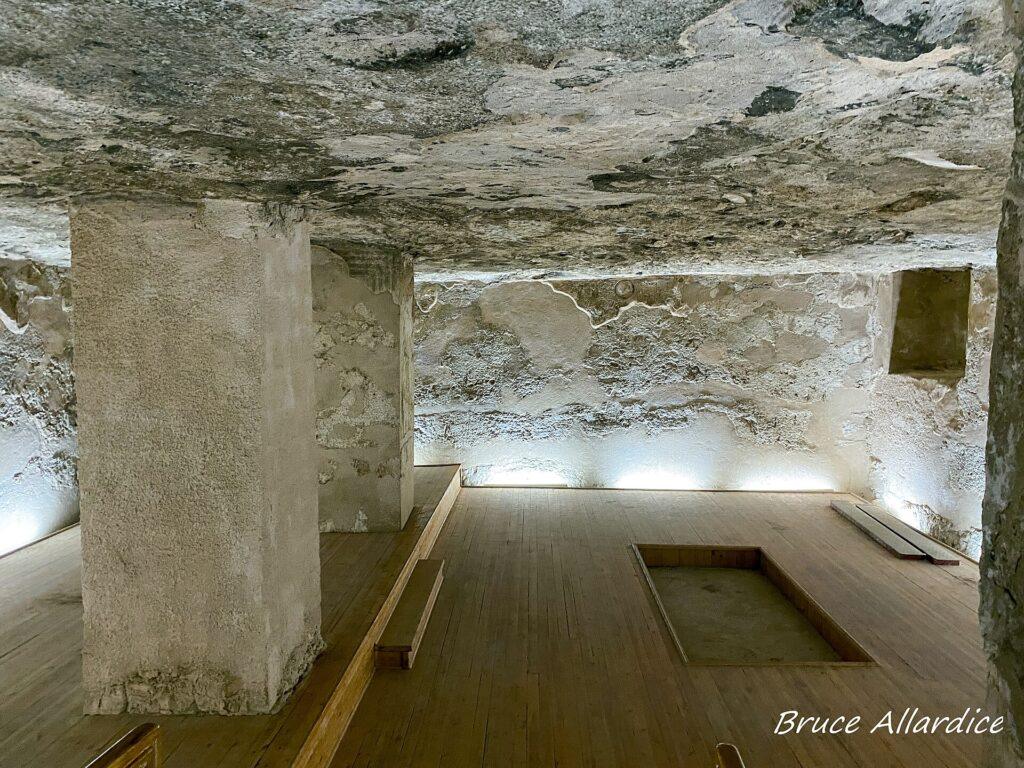
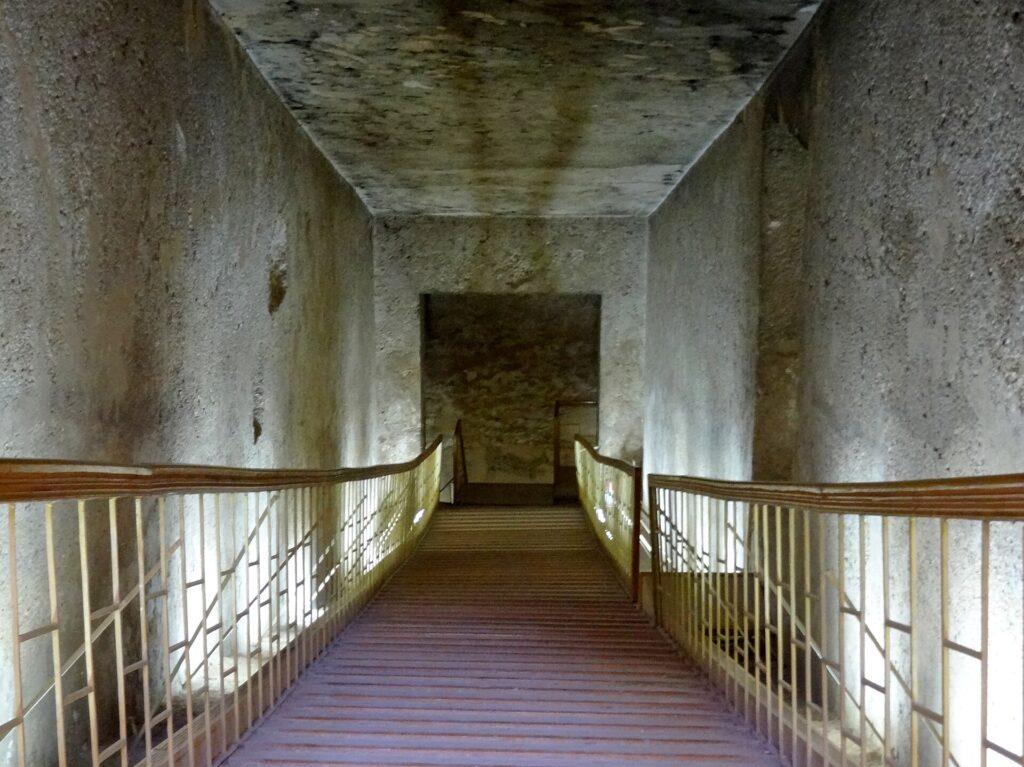
The Royal Tomb lies well beyond the city in the Royal Wadi, deep within the eastern cliffs.
It was created for Akhenaten and members of the royal family. The tomb was plundered and damaged in antiquity, and much of its decoration has been lost, so don’t expect anything resembling the richly decorated royal tombs of the Valley of the Kings.
Part of the experience is getting there. Leaving the city plain and traveling into the stark Royal Wadi gives you a much better sense of the landscape Akhenaten chose for his capital and royal burial place.
Inside, you descend by staircase and ramp. Handrails are provided, although original floors within the rock-cut areas can still be uneven.
What About the South Tombs?
The South Tombs are another group of elite rock-cut tombs, but they are more spread out and several have little surviving decoration or were left unfinished.
If you only have one day, I would prioritize the North Tombs and Royal Tomb. The South Tombs make more sense if you have additional time or a particular interest in the officials buried there.
Don’t Skip the Amarna Visitor Centre
The Amarna Visitor Centre is more useful here than a visitor center might be at a site where most of the ancient buildings are still standing.
Its Arabic- and English-language displays include models and reproductions of important Amarna objects, but the most useful feature is a full-scale reconstruction of an Amarna-period official’s house that you can walk through.
The Amarna Visitor Centre explains how the reconstructed house and models were designed to help visitors understand the surviving city.
I’d go early in the visit if possible. Once you’ve seen what an Amarna house may have looked like, the low mudbrick walls outside become much easier to read.
How Do You Get Around Amarna?
You need a vehicle.
Even if you reach the region independently by train or bus, Amarna itself is too large to explore on foot. The Amarna Project recommends arranging local transportation and keeping the vehicle for the entire day.
Think of Amarna as a driving archaeological landscape. You reach one area, get out and explore it, return to the vehicle and continue to the next.
It is possible to organize the visit independently, but for most international travelers, arranging a private vehicle is considerably simpler.
A guide isn’t required simply to enter the site, but this is one place where a knowledgeable guide can make a real difference. A line of mudbrick foundations isn’t self-explanatory. Someone familiar with Amarna can show you where the palaces, temples, administrative buildings and residential areas once stood rather than leaving you looking at low walls with very little idea of what occupied the space.
If you would rather build Amarna into a privately arranged Middle Egypt route, you can ask Explore ENA about a custom itinerary. This is especially useful when you’re combining Amarna with other Minya sites and need the route planned around realistic driving and sightseeing times.
How Long Do You Need at Amarna?
Give it one full day.
That’s enough for the principal visitor sites if you start early, keep your transportation with you and don’t try to combine Amarna with half of Minya on the same day.
With a second day, you can add places such as the South Tombs and Kom el-Nana without rushing the main sites.
I would not treat Amarna as a quick stop on the way somewhere else.
Are Any Parts of Amarna Closed?
Yes.
Not every archaeological area you see in excavation reports or photographs is open to visitors. Current visitor information identifies the Workmen’s Village, Stone Village and non-elite cemeteries among the closed areas.
This is worth knowing before you start building a wish list from archaeological websites. Researchers have access to places that aren’t part of the normal visitor route.
Is Amarna Difficult for Travelers With Limited Mobility?
It can be.
The site includes unpaved desert terrain, limited shade and relatively little seating. The North Tombs and Boundary Stela U require substantial climbs, and the staircases do not have continuous handrails.
The Royal Tomb also requires a significant descent, although its staircase and ramp have handrails. Original floors inside the rock-cut areas can be uneven.
The Visitor Centre has wheelchair access, but the reconstructed Amarna house inside does not.
Someone unable to manage the tomb stairs can still see parts of the ancient city and Visitor Centre, but won’t be able to experience all of the principal sites.
What Should You Bring?
Wear comfortable shoes with good grip and bring sun protection and enough water for the day. Amarna is an exposed desert site, and you won’t always have facilities beside the monument you’re exploring.
A small flashlight can be useful inside the rock-cut tombs.
Carry your passport with you as well. Identification requirements at Egyptian archaeological sites can be enforced, particularly where ticket or visitor categories depend on nationality or residency status.
There is a rest house near the ticket office selling drinks, small shops in the modern settlement of El-Till and toilets at the rest house and Visitor Centre.
When Is Amarna Open?
The Amarna Project lists the archaeological site and Visitor Centre as open 8:00 a.m. to 4:00 p.m.
Starting early makes sense anyway. Distances between the sites, the climbs to the tombs and stela, and the journey into the Royal Wadi all take time.
Where Should You Stay?
There are no regular hotels at the archaeological site itself.
For many travelers, Minya is the most practical base, approximately 60 km away. Mallawi is closer and has some small hotels, while travelers approaching from the south can also use Asyut, approximately 75 km from Amarna.
The best choice depends on the rest of your Middle Egypt itinerary.
If Amarna is important enough to include in your trip, I would stay in the region rather than trying to turn it into a very long out-and-back journey from Cairo.
Can You Visit Amarna From Cairo or Luxor?
Technically, yes. I wouldn’t recommend either as a casual day trip.
Amarna is approximately 310 km from Cairo and 400 km from Luxor. Add those distances to a site that deserves most of a day on its own, and you end up spending far too much of the day on the road.
From Cairo, build at least one night in Middle Egypt into the itinerary.
From Luxor, Amarna makes much more sense as part of an overland journey north through Middle Egypt rather than a day excursion.
Amarna is also a good example of what travelers miss when an Egypt itinerary jumps directly from Cairo to Luxor. It sits between the country’s main tourism bases rather than conveniently beside one of them.
Can You Combine Amarna With Other Minya Sites?
Yes—but don’t underestimate the distances.
Minya Governorate has a remarkable concentration of archaeological and Christian sites, including Beni Hasan, Tuna el-Gebel, Al-Ashmunein and important Christian heritage.
But “they are all in Minya” does not mean they all combine neatly into one sightseeing day.
If you want to see the main parts of Amarna without rushing, let Amarna be the focus of the day.
Our Christian Minya guide looks at the same planning problem from the Christian heritage side. Middle Egypt can look deceptively compact on a map, while Nile crossings, desert roads and widely separated sites take considerably more time on the ground.
Is Amarna Worth Visiting?
That depends very much on why you’re interested in Egypt.
If you’re looking primarily for Egypt’s biggest and most visually spectacular monuments, Amarna won’t compete with Karnak, Abu Simbel or the pyramids. Too little of the city survives above ground for that.
If you’re interested in Akhenaten, Nefertiti, the Amarna Period, archaeology or how an ancient Egyptian city actually worked, it’s a very different calculation.
You’re not visiting one famous monument. You’re moving through the remains of an entire capital built around Akhenaten’s court: seeing the city depicted inside the North Tombs, climbing to one of the inscriptions used to mark its territory and traveling into the Royal Wadi before returning to the palace and temple remains on the plain.
For someone already interested in Akhenaten or the Amarna Period, I would make the trip.
Frequently Asked Questions About Visiting Amarna
Can tourists visit Amarna in Egypt?
Yes. Amarna is open to visitors, although some archaeological areas remain closed. The main visitor sites include the North Tombs, North Palace, Small Aten Temple, Boundary Stela U and Royal Tomb.
Is Amarna the same place as Akhetaten?
Amarna is the modern name commonly used for the archaeological area containing Akhetaten, the capital founded by Akhenaten during Egypt’s 18th Dynasty.
Can you visit Akhenaten’s tomb?
You can visit the Royal Tomb at Amarna, which was created for Akhenaten and members of the royal family. It lies in the Royal Wadi east of the ancient city.
Can you see Nefertiti’s tomb at Amarna?
No confirmed tomb of Nefertiti is open to visitors at Amarna. Her final burial remains unresolved.
Do you need a car at Amarna?
Yes. The archaeological landscape is too large to explore practically on foot. Keep your transportation available throughout the day.
Is one day enough for Amarna?
Yes. One full day is enough for the principal visitor sites. A second day gives you time for additional areas such as the South Tombs.
Planning a Visit to Amarna
Amarna is one of those places where knowing what you’re coming to see makes a big difference.
Give it a full day. Keep a vehicle with you. Don’t underestimate the tomb climbs, and spend some time understanding the city before dismissing its low walls as “not much left.”
If Amarna is one of the reasons you want to explore Middle Egypt, Explore ENA can build it into a custom itinerary with the route, overnight stops and other Minya sites planned around the time Amarna actually requires—not squeezed into an unrealistic sightseeing day.