Kom Ombo Temple Guide (2026): What to See, Crocodile Museum & Nile Cruise Tips
Kom Ombo is easy to underestimate on a Nile cruise itinerary. It often appears as a relatively short stop between Edfu and Aswan, and after several days of temples, another Ptolemaic monument can sound repetitive. The reason to pay attention here is that Kom Ombo was deliberately designed for two divine cults at once. Instead of one central sequence leading toward one principal sanctuary, the surviving temple has parallel axes dedicated to Sobek, the crocodile god, and Haroeris—Harwer, or Horus the Elder.
That double arrangement is what you should look for as you move through the monument. Doorways, halls, ritual spaces, and sanctuaries reflect the temple’s paired dedication. Once you recognize the symmetry, Kom Ombo stops looking like a smaller version of Edfu and becomes much easier to understand.
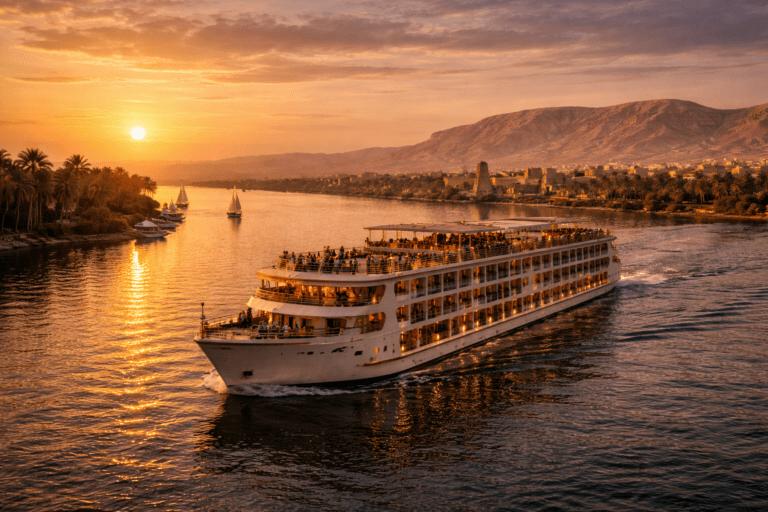
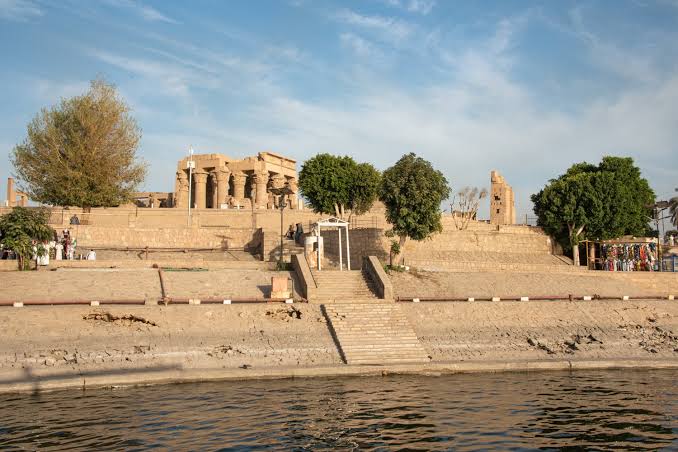
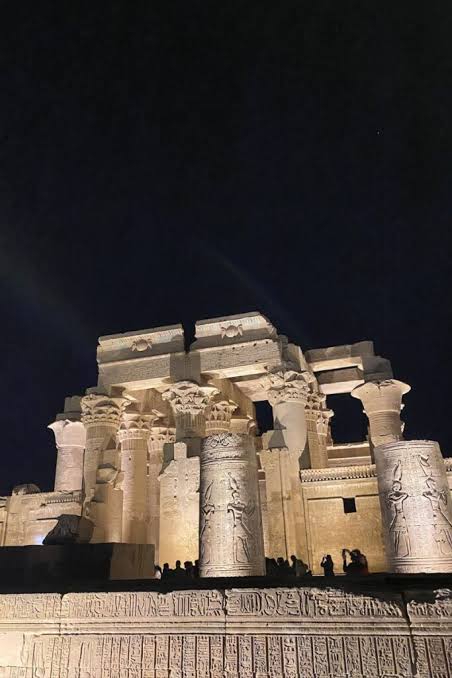
The setting also changes the experience. The temple stands immediately beside the Nile, and many cruise passengers can walk from their vessel to the archaeological area. Because the Ministry currently lists opening until 9:00 PM, Kom Ombo is also regularly experienced after sunset—something that works particularly well here because the illuminated columns stand directly above the dark river.
For most cruise passengers, 60–90 minutes is sufficient for the temple and Crocodile Museum. With limited time, prioritize the double-temple architecture, the best-known reliefs, and the museum rather than attempting to inspect every carved surface.
Expert Insight: At Kom Ombo, keep looking for pairs. Two gods required two ritual routes, and the temple’s parallel arrangement is the architectural clue that makes the site distinct from Edfu, Philae, Karnak, and Luxor Temple.
Quick Planning
| Planning point | Best default |
|---|---|
| Location | East bank of the Nile, north of Aswan |
| Main distinction | Double temple dedicated to Sobek and Haroeris |
| Current official hours | 7:00 AM–9:00 PM |
| Last ticket | 8:00 PM |
| Crocodile Museum | Included in the area ticket |
| Time needed | 60–90 minutes for most cruise passengers |
| Best experience | Daylight for detail; evening for atmosphere |
| Walking | Relatively moderate |
| Shade | Limited in exposed sections |
| Cruise logistics | Often considerably easier than Edfu |
| Guide value | High for explaining the paired layout and selected reliefs |
The Ministry currently lists Kom Ombo as open daily from 7:00 AM until 9:00 PM. The official Crocodile Museum page confirms that the area ticket includes both Kom Ombo Temple and the Crocodile Museum, with the ticket window closing at 8:00 PM.
Kom Ombo Is Really Two Temples Sharing One Building
The defining feature of Kom Ombo is not simply that two gods were worshipped here. Egyptian temples could contain shrines to numerous deities.
What makes Kom Ombo unusual is the way that dual dedication shaped the architecture.
The Ministry describes two parallel axial passages extending through the columned halls and terminating in two sanctuaries. Facing into the temple, the southern axis on the right belonged to Sobek, while the northern axis on the left belonged to Harwer, Horus the Elder.
This is the idea to understand before your guide begins pointing out individual reliefs.
Rather than one dominant central route, Kom Ombo creates paired ritual space.
The present monument belongs principally to the Graeco-Roman period, although an earlier temple existed here during the New Kingdom. The earliest attested royal name in the surviving structure is Ptolemy VI Philometor, who ruled from 180 to 145 BC, while much of the decoration was completed under Ptolemy XII in the first century BC.
Like Edfu and Philae, Kom Ombo therefore shows Egyptian religious traditions continuing under Ptolemaic and later Roman rule.
Sobek Explains Why the Crocodile Matters Here
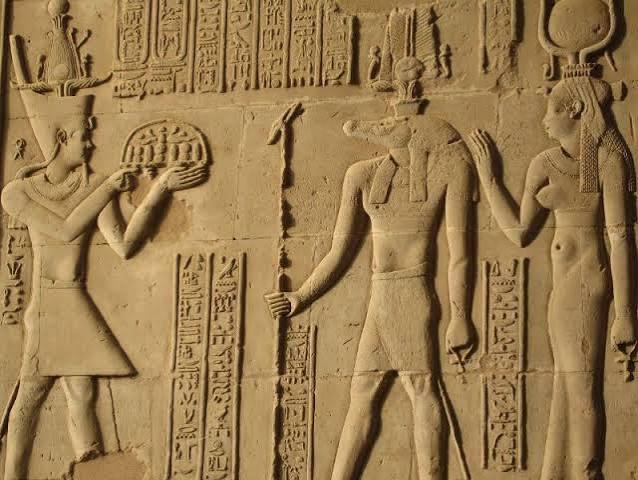
The southern side of the temple belonged to Sobek, represented as a crocodile or a crocodile-headed deity.
The Ministry associates Sobek here with water, fertility, vegetation, and the Nile inundation. At Kom Ombo he was worshipped with Hathor and Khonsu.
That connection makes particular sense in this landscape.
Kom Ombo stands directly above the Nile in a region where agriculture depended upon the river and where crocodiles were once a genuine presence. The animal could be feared and revered simultaneously. Divine association did not mean that real crocodiles suddenly became harmless; it gave religious form to a powerful element of the natural environment.
The Crocodile Museum makes this relationship much more tangible later in the visit.
Do not skip the museum because you have already seen animal mummies elsewhere. Here, the crocodiles belong directly to the cult whose temple you have just explored.
Horus the Elder Occupies the Other Half
The northern side was associated with Harwer, usually rendered in English as Horus the Elder or Haroeris.
This requires a little care because “Horus” does not always refer to exactly the same theological form in every Egyptian context.
The Ministry’s Kom Ombo interpretation identifies Harwer as an adult, victorious Horus and describes his local divine family as Ta-senet-nefert, “the Perfect Companion,” and Pa-neb-tawy, “Lord of the Two Lands.”
You do not need to untangle every variation of Horus mythology during a short cruise stop.
The practical point is simpler: one half of the temple served Sobek’s cult and the other served Haroeris, with the paired architectural arrangement allowing both cults to occupy the same monument.
If you have visited Edfu, this distinction is worth making consciously. Edfu’s great sanctuary is principally dedicated to Horus of Edfu; Kom Ombo’s architecture is built around a dual cult.
The Temple’s Symmetry Is Easier to See Than to Photograph
Much of Kom Ombo’s original structure has been lost or damaged, so the double design is not always immediately obvious in photographs.
On the ground, pay attention to the paired doorways and parallel routes.
Look across the temple rather than only forward.
Repeated architectural elements make more sense once you recognize that you are not looking at accidental duplication. The symmetry reflects the religious organization of the building.
This is one place where a knowledgeable Egyptologist is particularly useful. A guide who simply identifies individual kings and gods without explaining the plan has missed the most important feature of the site.
Guide’s Note: Ask your guide to show you the two axes early in the visit. Once you can physically identify Sobek’s side and Haroeris’s side, the remaining rooms and reliefs become much easier to place.
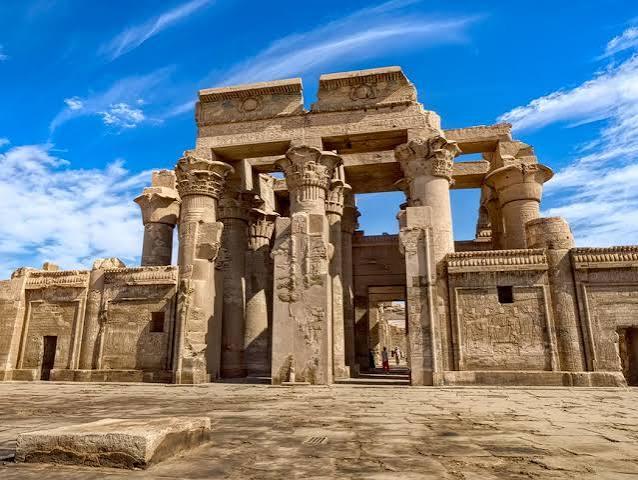
The Columns and Reliefs Deserve More Than a Walk-Through
Kom Ombo is smaller than Edfu, but its carved surfaces contain an enormous amount of information.
The Ministry specifically highlights the temple’s column capitals, festival calendars, ritual scenes, and Roman-period relief traditionally interpreted as depicting surgical instruments.
The surviving columns are particularly effective near sunset or under artificial lighting because their capitals create strong silhouettes against the sky.
During daylight, however, relief detail is easier to read.
This creates a genuine trade-off for cruise passengers. An evening visit gives Kom Ombo much of its atmosphere; a daytime visit makes its carved surfaces easier to examine.
If your cruise determines the timing, there is no need to worry about choosing incorrectly. The site works in both conditions, just for different reasons.
Look for the Calendar, but Understand What It Is
Kom Ombo preserves inscriptions associated with festival and ritual calendars.
These are sometimes described online in exaggerated terms as though the temple wall were an ancient equivalent of a modern yearly planner.
That is not the useful way to understand them.
The Ministry describes the calendar material as recording festivals and other cultic activities together with dates and accompanying rituals.
That makes the reliefs valuable because temples were not simply static houses of worship. They operated according to ritual schedules involving offerings, ceremonies, processions, priests, and particular religious occasions.
A guide can help identify the relevant area without spending half your cruise stop translating individual entries.
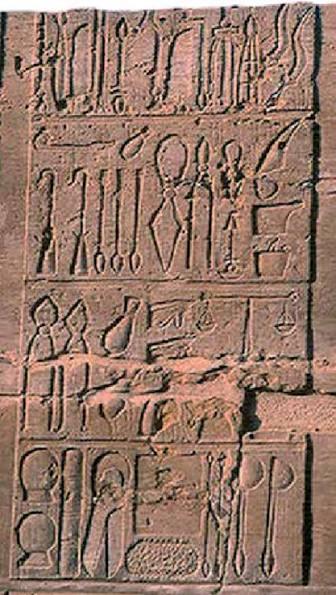
The Famous “Surgical Instruments” Relief Needs Careful Wording
One Kom Ombo relief receives more attention online than almost anything else at the temple.
It shows a collection of objects commonly interpreted as medical or surgical instruments. The Ministry dates the scene to the Roman period, in the second century AD, and itself describes the objects as believed to be surgical instruments.
The Ministry has even installed an enlarged interpretive panel in a more open area because visitors gathering around the original relief were creating congestion in the narrow passage where it is located.
What you should avoid is the sensational version of the story.
The relief is sometimes used online to claim that virtually every recognizable modern surgical procedure was already being performed at Kom Ombo, with individual carved objects confidently identified as scalpels, forceps, catheters, dental tools, and highly specialized instruments.
The relief alone cannot support all of those claims.
Ancient Egyptian medicine was sophisticated and is documented through medical papyri and other archaeological evidence, but the Kom Ombo scene should be described cautiously as a Roman-period relief containing objects widely interpreted as medical or surgical equipment.
That is interesting enough without turning it into evidence for modern medicine thousands of years ahead of its time.
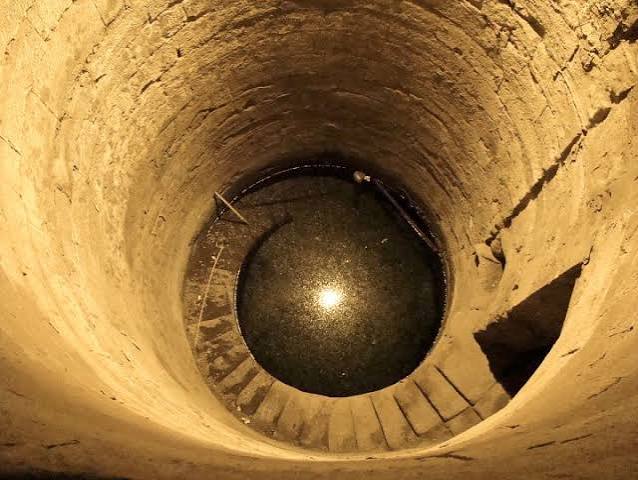
The Nilometer Connects Religion With the River
Kom Ombo also contains a Nilometer, part of the long Egyptian tradition of monitoring Nile water levels.
This deserves a short stop because the river is physically visible beside the temple.
Before modern dams transformed the Nile’s annual cycle, inundation levels had direct consequences for agriculture. Too little water could mean poor harvests; excessive flooding could cause destruction.
Nilometers therefore had practical economic and administrative significance as well as a relationship with the sacred character of the Nile.
At Kom Ombo, the feature reinforces why Sobek’s association with water and fertility belongs so naturally in this particular landscape.
The Nilometer is not visually as dramatic as the columns or crocodile mummies, so cruise groups sometimes move past it quickly.
Understanding what it measured makes it more interesting than its appearance suggests.
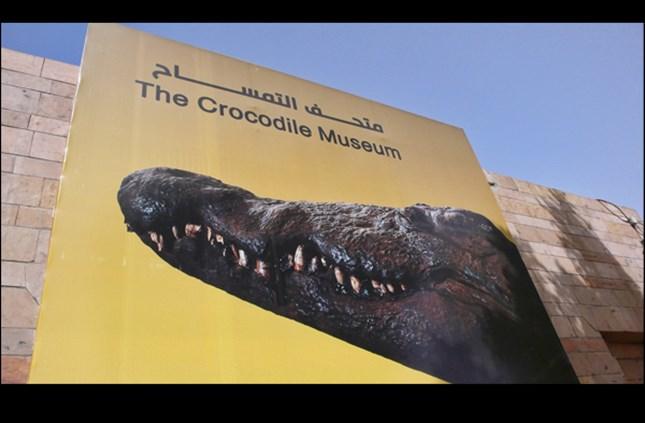
The Crocodile Museum Is Part of the Visit, Not an Optional Curiosity
After the temple, go into the Crocodile Museum.
It opened in 2012 beside the archaeological site and is specifically devoted to Sobek and the cult of the crocodile. The current combined Kom Ombo ticket includes museum admission.
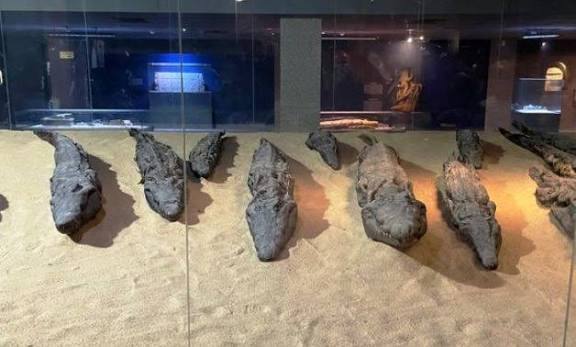
The main attraction is a collection of mummified Nile crocodiles.
The Ministry states that the displayed examples range from around 2 meters to 4.3 meters long. The museum also contains crocodile fetuses, representations of eyes, gold and ivory teeth associated with mummified crocodiles, statues of Sobek, pottery coffins, and a reconstruction explaining crocodile burial practices.
This is where the religious symbolism from the temple becomes physically real.
Sobek was not merely depicted with a crocodile head on temple walls. Actual crocodiles could be mummified and offered or buried within religious practices associated with the deity.
The museum’s official publication also describes excavations at al-Shutb near Kom Ombo, where a crocodile cemetery yielded nearly 80 crocodiles along with other animal remains.
You do not need half an hour here.
But skipping it removes one of the features that most clearly distinguishes Kom Ombo from every other temple on the standard Luxor–Aswan cruise route.
Mummified Crocodiles Make Sobek Easier to Understand
Animal mummification can confuse modern visitors because it is tempting to interpret it through modern ideas about pets or zoological preservation.
That misses the religious context.
Animals associated with particular deities could become offerings, sacred representatives, or part of cult practices.
The Crocodile Museum explains that crocodile bodies were carefully embalmed and wrapped and that some excavated examples retained internal organs. It also displays evidence ranging from very young crocodiles to large adult animals.
Seeing those mummies immediately after standing in Sobek’s half of the temple creates a stronger connection than reading about the cult in isolation.
Families often find this part of the stop particularly memorable, but it should not be reduced to “the crocodile mummy museum for children.” Archaeologically, it helps explain the relationship between animal cults, local environment, and temple religion.
Kom Ombo’s Nile Setting Is Part of the Experience
Few major Egyptian temples sit so directly within the experience of a Nile cruise.
Cruise vessels can dock close to Kom Ombo, and the archaeological site rises beside the river. This usually makes the transfer considerably simpler than Edfu, where getting between ship and temple can consume a noticeable part of the excursion.
At Kom Ombo, the arrival itself provides context.
You step off the vessel, walk toward the archaeological area, and see the temple above the same river that shaped the religious and economic life represented inside.
That physical relationship is particularly strong around sunset.
As daylight drops, the river darkens while the sandstone begins catching artificial illumination.
Kom Ombo is not Egypt’s largest or best-preserved temple.
Its setting is one reason it does not need to be.
Daytime or Evening: Which Is Better?
If you have control over the timing, late afternoon into evening is the most atmospheric choice.
The Ministry currently keeps the temple open until 9:00 PM, much later than many archaeological sites in Upper Egypt.
Arriving before sunset gives you enough daylight to inspect the reliefs properly.
As the light falls, the temple’s columns and carved walls are illuminated, while the Nile remains visible immediately beside the site.
That combination works particularly well photographically.
The practical advantage is equally important during warmer months. Kom Ombo has exposed areas, and Upper Egypt’s midday temperatures can make even a relatively short visit tiring.
However, Nile cruise passengers usually do not control the schedule.
If your ship arrives in full daylight, use the better visibility to study the carvings. If it arrives after sunset, concentrate on the architecture, illuminated columns, and atmosphere rather than worrying that you have received an inferior visit.
How Long Do You Need at Kom Ombo?
Allow about 60–90 minutes for the temple and Crocodile Museum.
The site is considerably easier to cover than Karnak or Edfu.
A focused 45-minute visit can work if a cruise schedule is tight, but something will be sacrificed—usually either the museum or the less famous reliefs.
Around an hour gives you enough time to understand the double layout, see the main reliefs, visit the Nilometer, and walk through the Crocodile Museum.
Ninety minutes is better if you have a guide and want photography time.
Two hours is more than most travelers need unless archaeology, epigraphy, or photography is a particular interest.
What Not to Miss If Your Cruise Stop Is Short
If you have less than an hour, understand the double temple first.
Identify Sobek’s southern axis and Haroeris’s northern axis. That single piece of information explains the architecture better than memorizing ten kings.
Then look for the paired sanctuaries and major surviving reliefs.
Find the Roman-period scene traditionally interpreted as surgical instruments if the passage is accessible without wasting a large part of your stop waiting behind groups. The Ministry’s reproduction panel exists precisely because this area can become congested.
See the Nilometer if your route passes it.
Then reserve at least ten to fifteen minutes for the Crocodile Museum.
Do not sacrifice the museum to gain five more minutes photographing columns. The crocodile mummies complete the Sobek story in a way another exterior photograph cannot.
Expert Tip: On a short cruise stop, the best Kom Ombo visit has three parts: understand why the temple is doubled, see one or two reliefs that reveal how it functioned, then use the Crocodile Museum to connect Sobek with the real animals worshipped and buried in the region.
Kom Ombo as a Nile Cruise Stop
Kom Ombo is one of the most natural archaeological stops on a Luxor–Aswan Nile cruise because of its position directly beside the river.
Depending on sailing direction and cruise schedule, it may be visited between Edfu and Aswan, sometimes in late afternoon or evening.
This means crowding tends to occur in waves.
If several vessels dock at similar times, multiple groups can enter the relatively compact temple together. Narrower areas around famous reliefs then become congested much faster than the open parts of the site.
The Ministry’s decision to place a replica of the “surgical instruments” scene in a wider external area specifically to reduce visitor crowding demonstrates that this is a real management issue rather than merely a theoretical concern.
If your guide has flexibility, spend less time delivering long explanations in bottlenecks.
The temple’s basic story can be explained in an open space before approaching the narrower relief areas.
Kom Ombo Versus Edfu: Don’t Let Them Merge Into One Cruise Memory
Travelers often visit Edfu and Kom Ombo close together, which makes it easy for the two Ptolemaic temples to merge mentally.
They are fundamentally different visitor experiences.
Edfu is valuable because it is extraordinarily complete. Its huge pylon, courtyard, roofed hypostyle halls, sanctuary, and outer passages allow you to follow a traditional Egyptian temple sequence with unusual clarity.
Kom Ombo is more fragmentary but architecturally unusual because of its dual cult and parallel axes.
Edfu’s essential question is: How did a major Egyptian temple work as you moved toward its sanctuary?
Kom Ombo’s is: How do you design one temple for two principal gods?
Our Edfu Temple Guide explains the first experience in detail, including how to protect your time when the cruise stop is short.
Seeing the distinction before you arrive makes both sites stronger.
How Kom Ombo Fits Into the Luxor–Aswan Journey
Kom Ombo should not become the reason you overcomplicate a cruise itinerary.
Its value is precisely that the Nile brings you naturally to it.
Northward, Edfu provides the great sanctuary of Horus. Farther north, Luxor contains Karnak, Luxor Temple, the Valley of the Kings, and Hatshepsut’s temple.
Southward, Aswan introduces Philae, Elephantine, the granite quarries, Nubian culture, and the route toward Abu Simbel.
Kom Ombo belongs in that progression without needing a dedicated overnight stay for most first-time travelers.
Your Nile Cruise Guide should handle the larger decision about sailing direction, cruise length, included excursions, and whether a particular itinerary gives Luxor and Aswan enough time.
Your Aswan Travel Guide should handle what happens once the cruise reaches or leaves Aswan rather than expanding this site article into a city guide.
Heat, Shade and Walking
Kom Ombo is relatively manageable physically compared with the Valley of the Kings, Karnak, or a long Edfu visit.
But it remains an exposed archaeological site in Upper Egypt.
There is shade around some columns and surviving architectural sections, while the Crocodile Museum provides an indoor break. Significant portions of the temple approach and archaeological area remain exposed.
In summer, an evening cruise stop is therefore a practical advantage rather than merely a prettier time for photographs.
Footwear should still be suitable for archaeological surfaces. The visit is not a demanding hike, but uneven stone and prolonged standing matter for travelers with reduced mobility.
The Crocodile Museum’s official visitor rules also prohibit large bags and luggage above 40 × 40 cm inside the galleries, with storage arrangements referenced by the Ministry.
Is a Guide Worth Having?
Yes, particularly for the first twenty minutes.
Kom Ombo’s physical size is not difficult to manage independently.
The interpretive challenge is recognizing the paired architecture and understanding selected reliefs without being distracted by exaggerated stories.
A good Egyptologist should establish Sobek’s and Haroeris’s sides first, then use a few carvings to explain ritual practice, the festival calendar, the Roman-period instrument scene, and the relationship between Sobek and crocodile cults.
That is enough.
You do not need every column capital identified or every deity in every offering scene named.
The best guide at Kom Ombo makes an unusual building clear quickly, leaving you enough time for the museum and river setting.
Common Mistakes at Kom Ombo
The first mistake is treating it as “another temple” after Edfu. Once you understand the double design, that comparison falls apart.
The second is becoming so focused on the so-called surgical instruments that the rest of the temple disappears. The relief is interesting, but it is one carved scene within a much larger ritual building.
The third is repeating exaggerated claims about ancient medicine. Describe what the relief actually shows and acknowledge the conventional interpretation without turning individual shapes into proof of highly specific modern procedures.
Another common error is skipping the Crocodile Museum because the cruise departure is approaching. If time is tight, shorten the general temple photography rather than cutting the museum entirely.
Finally, do not assume an evening arrival means you have missed the best conditions. Kom Ombo is one of the Egyptian temples where artificial illumination and the riverside setting create a genuinely worthwhile nighttime experience.
Frequently Asked Questions
What is unusual about Kom Ombo Temple?
Its architecture is organized around two principal deities rather than one. The Ministry identifies two parallel axes through the temple, with the southern/right side belonging to Sobek and the northern/left side to Haroeris, or Horus the Elder. Each route ultimately served its respective sanctuary.
What are Kom Ombo’s current opening hours?
The Ministry currently lists 7:00 AM–9:00 PM daily, with the last ticket at 8:00 PM. This relatively late closing is why Kom Ombo can work particularly well as an evening cruise stop.
How long should I spend at Kom Ombo?
Allow 60–90 minutes for the temple and Crocodile Museum. Cruise passengers with only 45–60 minutes should concentrate on the paired temple layout, a few major reliefs, and the museum rather than attempting to examine every decorated wall.
Is the Crocodile Museum included in the Kom Ombo ticket?
The Ministry currently states that the inclusive area ticket allows entry to both Kom Ombo Temple and the Crocodile Museum.
Are the crocodile mummies real?
The museum displays genuine mummified Nile crocodiles, including examples approximately two to 4.3 meters long, as well as other material connected with crocodile burial and the cult of Sobek.
Does Kom Ombo really show ancient surgical instruments?
A second-century AD Roman-period relief contains objects interpreted as surgical or medical instruments, and the Ministry itself uses that interpretation. The cautious approach is not to claim that every object has been conclusively identified or that the scene proves specific modern surgical procedures were performed at Kom Ombo.
Is Kom Ombo better during the day or at night?
Late afternoon into evening gives the best combination if you control the timing. Daylight makes reliefs easier to inspect, while evening illumination and the riverside setting create a stronger atmosphere. Cruise passengers should not worry if their schedule allows only one or the other.
Is Kom Ombo worth seeing after Edfu?
Absolutely, because the two temples answer different archaeological questions. Edfu is exceptionally complete and makes the traditional progression toward a sanctuary easy to understand. Kom Ombo is distinguished by its double-temple plan, Sobek cult, crocodile mummies, and direct relationship with the Nile.
Can I visit Kom Ombo independently?
Yes. The site can be reached independently rather than as part of a cruise, although for most first-time visitors traveling between Luxor and Aswan, the Nile cruise stop is the most natural way to include it. Independent visitors gain more control over timing and can avoid some cruise-group concentration.
Kom Ombo is most easily wasted by treating it as a brief photo stop between more famous temples. The building’s paired design needs to be understood before the reliefs make sense, and the Crocodile Museum needs enough time to complete the Sobek story. Explore ENA’s Nile cruises and Upper Egypt itineraries to keep Kom Ombo in its proper place within the journey—long enough to understand why the temple is doubled and see the crocodile mummies, without stealing the time Luxor and Aswan need at either end of the cruise.