A Guide to Coptic Cairo: Egypt’s Christian Heritage Trail
Coptic Cairo is one of the oldest continuously inhabited parts of Egypt and one of the country’s most significant religious districts. While many visitors focus on the Pyramids or the temples of Luxor, this compact neighborhood reveals another side of Egypt’s history—one shaped by the early Christian community that flourished here centuries before the Islamic era transformed Cairo.
Walking through Coptic Cairo is less about checking off landmarks and more about understanding how different civilizations overlap in one place. Roman fortress walls stand beside some of the world’s oldest churches, while narrow stone lanes connect sacred sites that remain active places of worship today. If you want a deeper understanding of Egypt beyond the pharaohs, this is one of the most rewarding areas to explore.
Expert Insight: Visit early in the morning, ideally soon after opening. The churches are quieter, temperatures are cooler, and you’ll have a much better opportunity to appreciate the architecture before larger tour groups arrive.
Why Coptic Cairo Matters
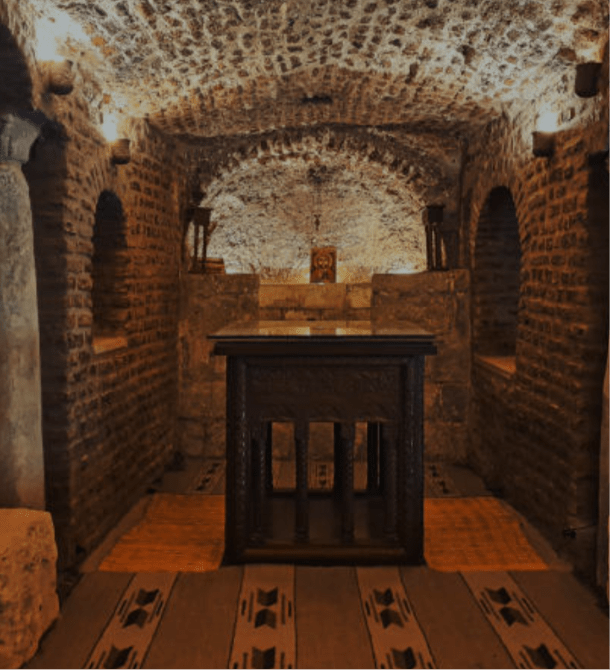
Known historically as Old Cairo, this district developed around the Roman Fortress of Babylon, built during the Roman Empire to protect the Nile crossing. As Christianity spread through Egypt, churches, monasteries, and religious institutions grew within the fortress walls, making the area one of the earliest centers of Christian life in the country.
Today, Coptic Cairo remains the spiritual heart of Egypt’s Coptic Orthodox Church. At the same time, its close proximity to the Ben Ezra Synagogue and the Amr Ibn Al-As Mosque reflects Cairo’s long history as a city where multiple faiths have existed side by side.
Unlike many archaeological sites in Egypt, these churches are not simply historic monuments. Many continue to hold regular services, making respectful behavior an important part of every visit.
The Hanging Church
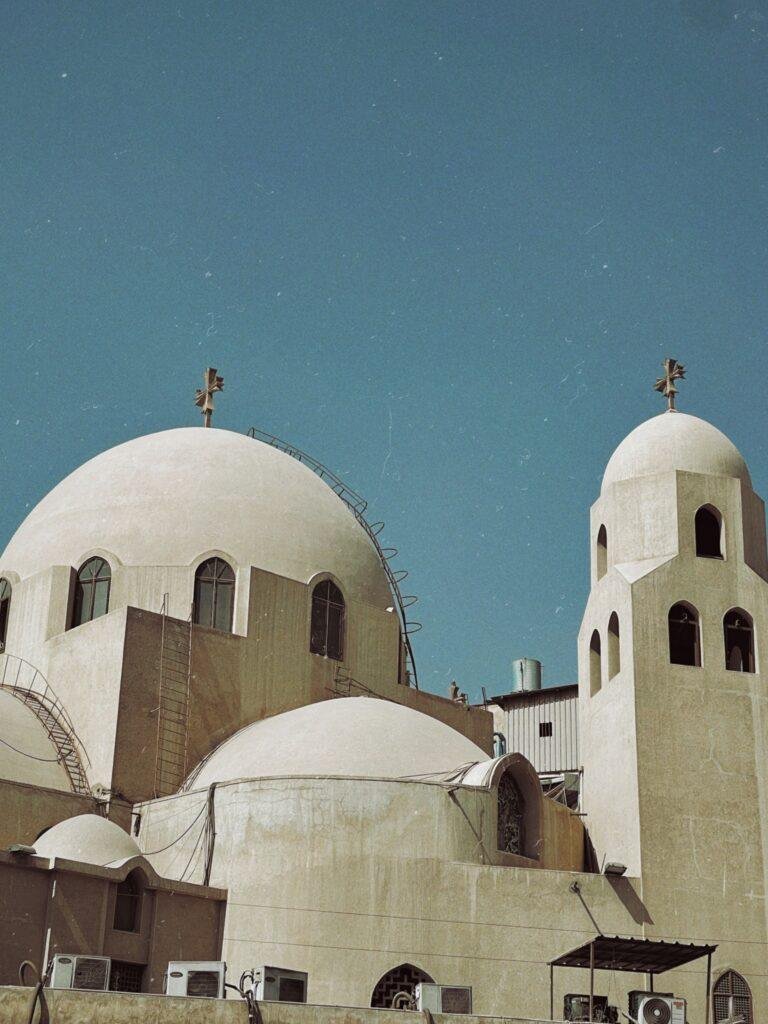
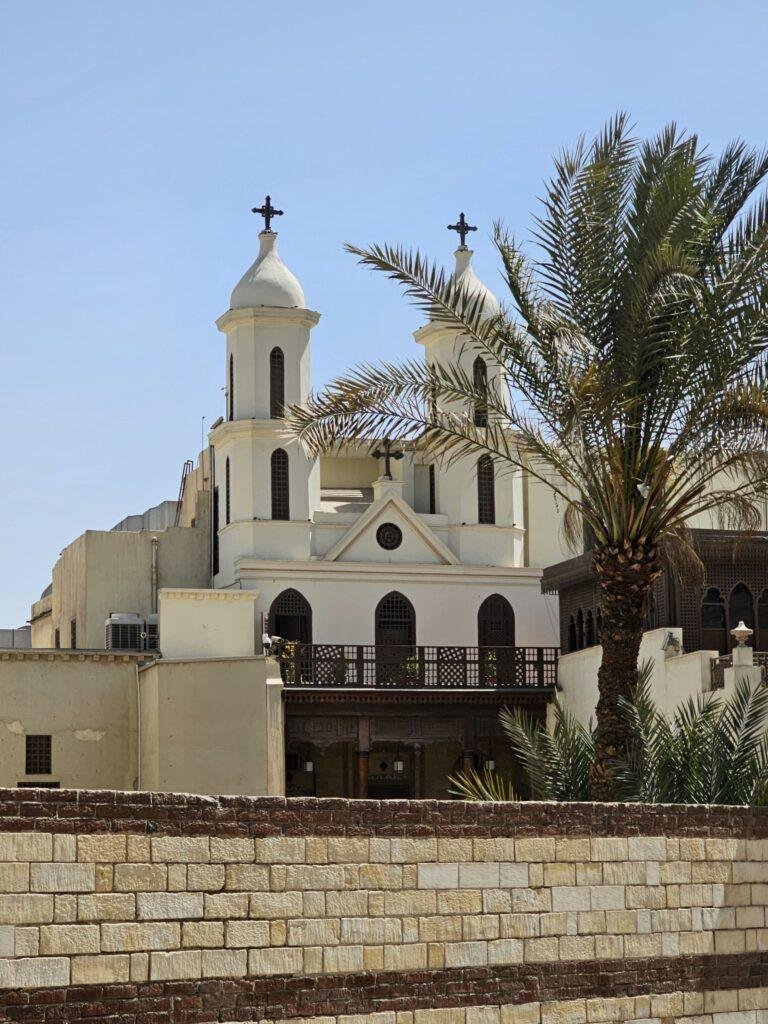
The Hanging Church, officially known as the Church of the Virgin Mary, is the best-known church in Coptic Cairo.
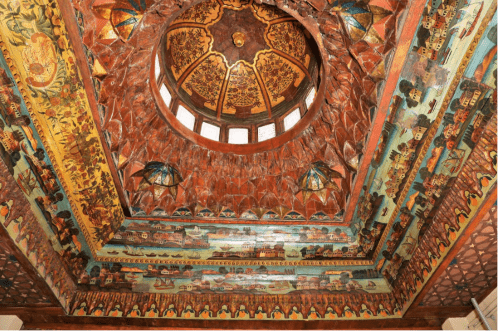
Built above the southern gate of the Roman fortress, the church appears to “hang” over the ancient walls, giving it its popular name. The current structure largely dates from the medieval period, although Christian worship here began much earlier.
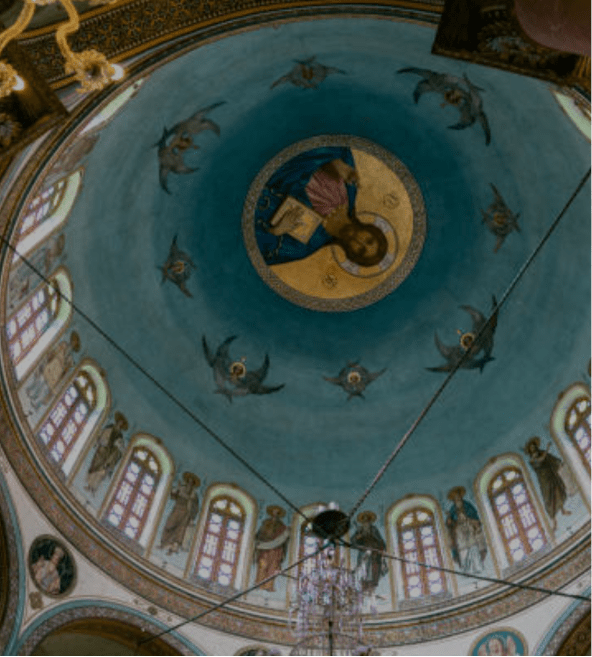
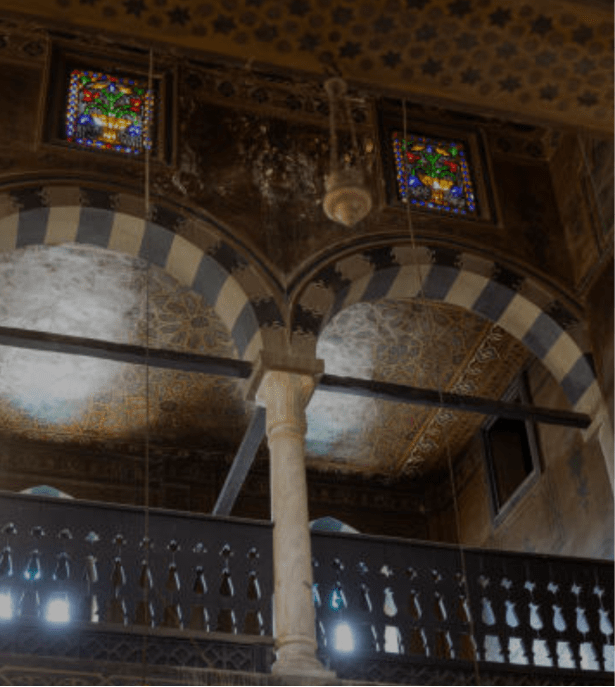
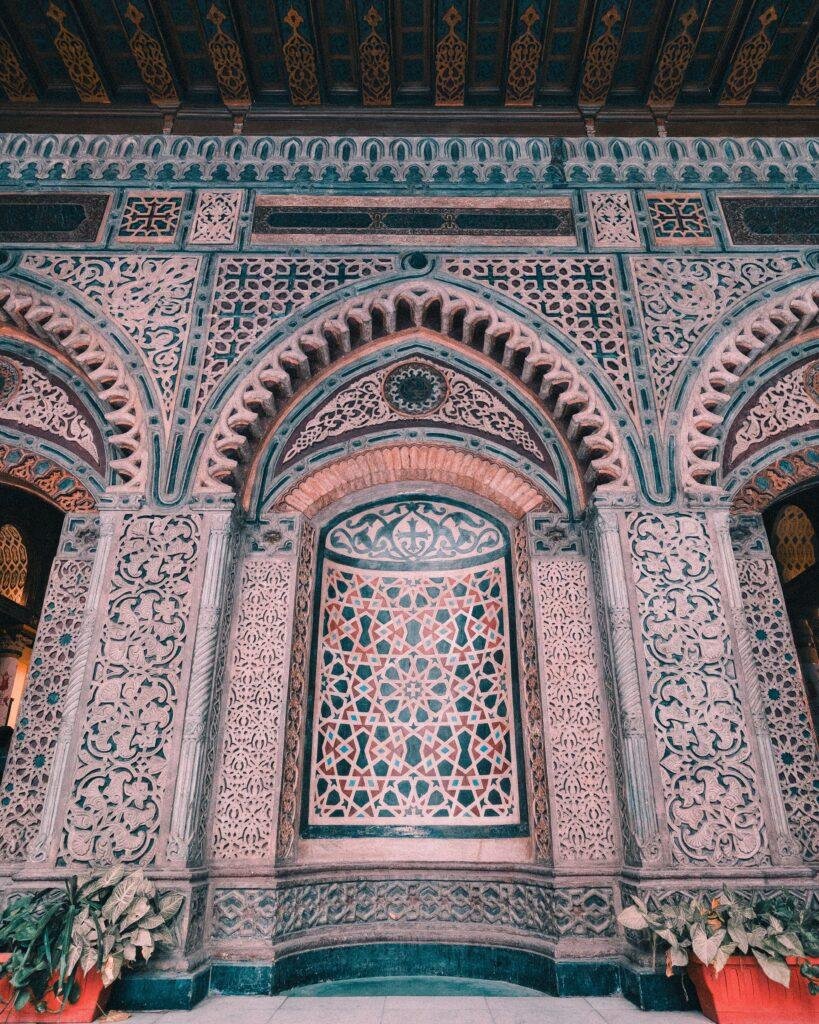
Inside, visitors find beautifully carved wooden screens, marble pulpits, intricate icons, and a peaceful atmosphere that contrasts sharply with Cairo’s busy streets outside.
Because it remains an active church, modest clothing and quiet behavior are expected throughout your visit.
Saints Sergius and Bacchus Church
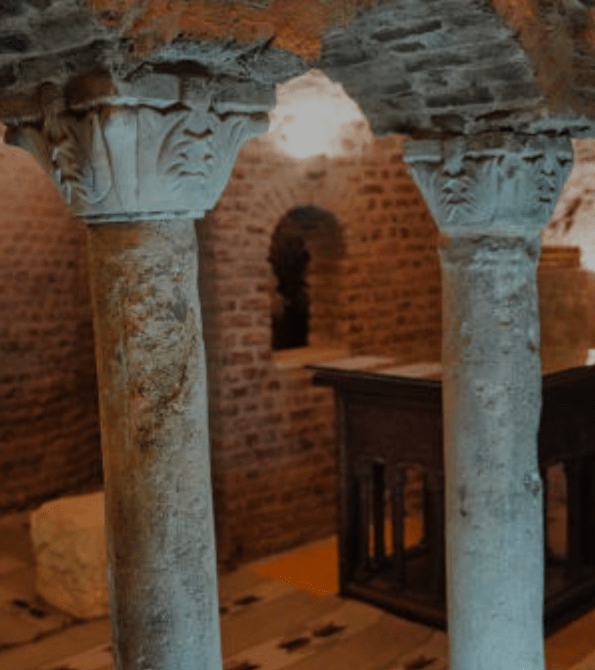
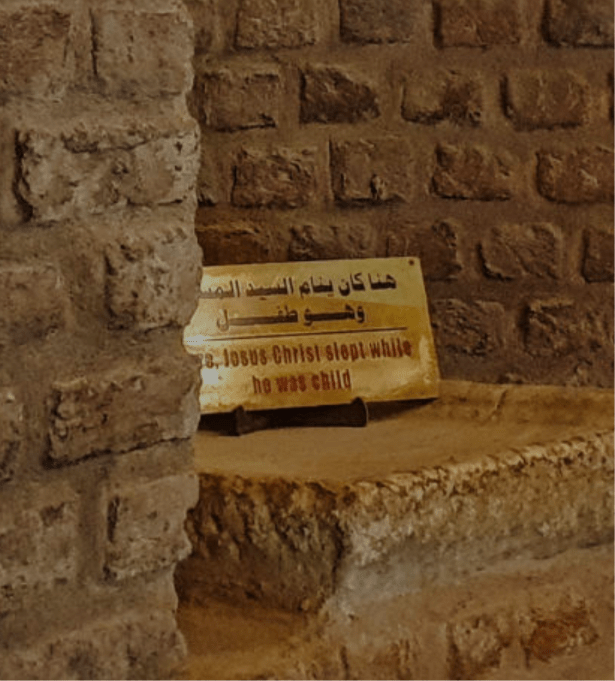
Often called Abu Serga, this church is one of Egypt’s most important Christian pilgrimage sites.
According to long-standing Coptic tradition, the crypt beneath Abu Serga is associated with the Holy Family during their journey through Egypt. Whether visiting for religious reasons or historical interest, the underground crypt remains one of the district’s most meaningful places.
Guide’s Note: The crypt has experienced groundwater problems over the years, so access may occasionally be restricted depending on conditions. If that happens, the church itself remains well worth visiting for its historical significance.
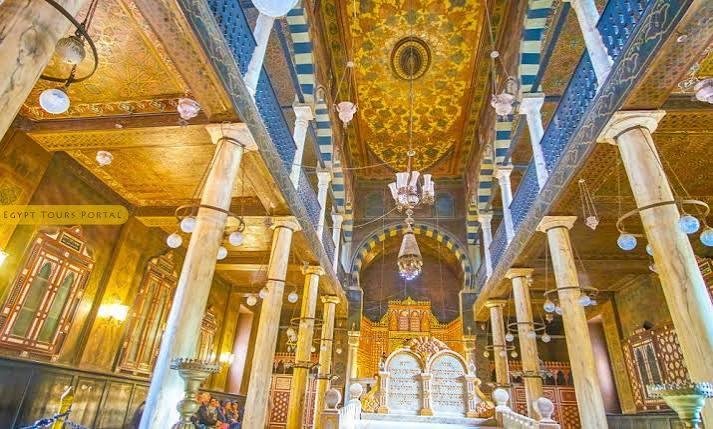
Ben Ezra Synagogue
Although no longer an active synagogue, Ben Ezra represents another important chapter in Cairo’s religious history.
The current building dates largely from the nineteenth century, but the site has much older origins. It became internationally famous after the discovery of the Cairo Geniza, a remarkable collection of medieval Jewish manuscripts that transformed historians’ understanding of everyday life across the medieval Mediterranean.
Its presence within Coptic Cairo illustrates how different religious communities developed alongside one another over centuries.
The Coptic Museum
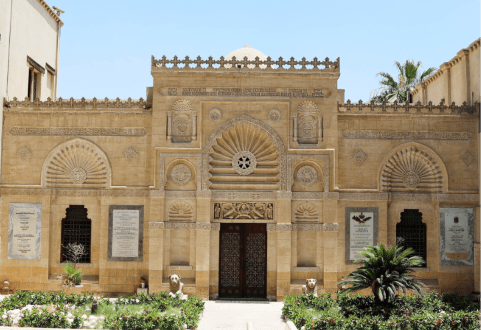
The Coptic Museum provides the historical context that ties the district together.
Its collections include manuscripts, textiles, stone carvings, icons, woodwork, and everyday objects spanning Egypt’s transition from the ancient pharaonic world into the Christian era.
Visitors often spend one to two hours exploring the museum before walking through the churches, making it easier to recognize artistic styles and historical developments throughout the district.
For anyone interested in Egypt’s cultural evolution, the museum is every bit as valuable as the churches themselves.
Walking Through the Heritage Trail
One of the greatest advantages of Coptic Cairo is that its principal attractions are all within walking distance.
After entering through the Roman fortress area, visitors naturally move between the Hanging Church, the Coptic Museum, Abu Serga, Ben Ezra Synagogue, and several smaller churches connected by quiet pedestrian lanes. Stone pathways, shaded courtyards, and restored historic buildings create an atmosphere unlike anywhere else in modern Cairo.
The walk itself rarely feels strenuous, although comfortable shoes are recommended because many pathways are uneven stone rather than smooth pavement.
Can You Visit Independently?
Yes. Coptic Cairo is straightforward to explore independently thanks to its compact layout and nearby Metro station.
However, travelers interested in history usually benefit from visiting with a knowledgeable guide. Many architectural details, religious symbols, and historical events are easy to overlook without explanation, and understanding the connections between Roman Egypt, early Christianity, and later Islamic Cairo significantly enriches the experience.
Prefer to explore Coptic Cairo with context rather than just walk between sites? ENA offers a private walking tour with a licensed Egyptologist through the historic churches, Roman remains and Ben Ezra Synagogue.
Practical Visitor Tips
The district is generally open throughout the day, although individual churches may adjust visiting hours around religious services. Arriving in the morning not only avoids larger tour groups but also provides cooler temperatures, particularly during late spring and summer.
Photography is permitted in many areas, but restrictions vary between churches. Always look for posted signs or ask before photographing interiors.
Dress modestly by covering shoulders and knees, and remember that these churches remain active places of worship rather than purely historical attractions.
How Coptic Cairo Fits Into an Egypt Itinerary
Most visitors include Coptic Cairo as part of a full day exploring historic Cairo alongside the Citadel, Islamic Cairo, or the Egyptian Museum.
If you’re spending three to four days in Cairo, dedicating half a day to Coptic Cairo works well without making the schedule feel rushed.
For shorter Egypt itineraries, Coptic Cairo fits most naturally into a day focused on Cairo’s historic districts rather than being squeezed into a Giza sightseeing day. Travelers with more time can give the neighborhood a dedicated half day before continuing south to Luxor or a Nile cruise.
Travelers with 10 or 14 days in Egypt have even greater flexibility to combine Coptic Cairo with Alexandria, the Nile Valley, or the Red Sea while maintaining a comfortable pace.
For broader trip planning, see our How Many Days Do You Need in Cairo?, How Many Days Do You Need in Egypt?, 7-Day Egypt Itinerary, 10-Day Egypt Itinerary, 14-Day Egypt Itinerary, Planning Hub, and Transportation Hub.
Common Mistakes
Many visitors underestimate how much historical context enhances a visit to Coptic Cairo. Walking through the churches without understanding their significance often turns a remarkable heritage site into a quick photo stop.
Another common mistake is visiting during the busiest part of the afternoon, when tour groups are most numerous and the narrow walkways become noticeably busier.
Finally, some travelers expect monumental architecture comparable to Egypt’s temples. Coptic Cairo offers a different experience—one built around spirituality, continuity, and living heritage rather than monumental scale.
ENA Tip: Don’t treat Coptic Cairo as a quick church stop between larger Cairo attractions. Allow enough time to walk the district, enter the churches, see the remains of Babylon Fortress, and understand how the sites connect. If your Cairo schedule allows a full historic-Cairo day, Coptic Cairo can also be paired with Islamic Cairo without rushing either area.
FAQ
How long should I spend in Coptic Cairo?
Allow at least three to four hours to comfortably visit the main churches, the Coptic Museum, and Ben Ezra Synagogue. If you’re interested in history or religious architecture, a half-day visit is ideal.
What should I wear when visiting Coptic Cairo?
Modest clothing is expected because the churches remain active places of worship. Clothing that covers the shoulders and knees is appropriate for both men and women.
Can Coptic Cairo and the Pyramids be visited on the same day?
It is possible, but the day will feel busy. Most travelers enjoy a better experience by combining Coptic Cairo with other attractions in historic Cairo and visiting the Giza Plateau on a separate day.
Can non-Christians visit the churches in Coptic Cairo?
Yes. The historic churches of Coptic Cairo welcome visitors of different faiths, although access can be affected by services and religious observances. Remember that these remain active places of worship: dress modestly, keep voices low, follow photography signs, and avoid interrupting services.
Coptic Cairo rewards travelers who want to understand what they’re seeing rather than simply move between churches. Explore ENA’s Coptic Cairo Walking Tour spends approximately four hours exploring the district with a licensed Egyptologist, connecting the churches, Roman fortress, synagogue, and surrounding streets into the larger story of Old Cairo.