14 Day Egypt Itinerary: The Ultimate Two-Week Egypt Travel Plan
Two weeks is widely considered the ideal amount of time for a first visit to Egypt. It gives you the freedom to experience the country’s greatest archaeological sites without constantly racing between airports, while also allowing time to enjoy the landscapes, culture, and slower moments that many shorter itineraries simply cannot accommodate.
Instead of choosing between Cairo, a Nile cruise, Alexandria, or the Red Sea, fourteen days lets you combine them into one balanced journey. You’ll stand beneath the Pyramids of Giza, explore the temples of Luxor and Aswan, sail the Nile, discover Egypt’s Mediterranean coast, experience the desert landscapes of Fayoum, and finish beside the Red Sea before returning home.
The biggest advantage of a two-week itinerary isn’t that you see more attractions—it’s that you experience them at a more comfortable pace. Rather than spending every day packing, checking into another hotel, or rushing to catch the next flight, the itinerary flows naturally from one region to the next while reducing unnecessary backtracking.
If you’re still deciding how long to spend in Egypt, begin with our How Many Days Do You Need in Egypt? guide, which compares every major itinerary length and helps you choose the route that best matches your travel style.
Expert Insight: Fourteen days isn’t about filling every hour with sightseeing. The extra time allows you to experience Egypt beyond its monuments, balancing archaeology, local culture, desert landscapes, river life, and the Red Sea into one complete journey.
Is 14 Days Enough for Egypt?
Yes—and for many travelers, it’s the perfect length.
Two weeks comfortably includes Egypt’s most important historical sites while leaving room for experiences that shorter itineraries usually sacrifice. Instead of choosing between Alexandria, Fayoum, Abu Simbel, or Hurghada, you can include them without creating an exhausting schedule.
You’ll have time to explore Cairo properly, visit both Giza and Saqqara, experience Alexandria’s Mediterranean atmosphere, discover Fayoum’s waterfalls and desert landscapes, cruise the Nile between Aswan and Luxor, stand before the temples of Abu Simbel, and finish with several relaxing days beside the Red Sea.
One of the biggest advantages of a fourteen-day itinerary is its flexibility. Rather than following a single fixed route, two weeks gives you enough time to build an itinerary around your interests. Some travelers combine Cairo, Alexandria, Fayoum, a Nile cruise, and Hurghada, while others replace part of that route with several days in Siwa Oasis. With well-planned transportation and realistic pacing, fourteen days provides enough time to experience both Egypt’s iconic landmarks and some of its most distinctive landscapes.
Quick Overview
| Category | Recommendation |
|---|---|
| Ideal Traveler | First-time visitors wanting a complete Egypt experience |
| Best Route | Cairo → Alexandria → Fayoum → Aswan → Nile Cruise → Luxor → Hurghada → Cairo |
| Hotel Changes | Moderate (4–5) |
| Nile Cruise | Strongly Recommended (3 or 4 nights) |
| Domestic Flights | Cairo–Aswan, Hurghada–Cairo |
| Pace | Relaxed to Moderate |
Suggested Route
Cairo → Alexandria → Fayoum → Cairo → Aswan → Kom Ombo → Edfu → Luxor → Hurghada → Cairo
Unlike many online itineraries that repeatedly send travelers back through Cairo, this route moves logically through Egypt. Alexandria and Fayoum are visited while you’re already based in Cairo, the Nile cruise eliminates unnecessary hotel changes between Aswan and Luxor, and Hurghada provides a relaxing finish before the final flight home.
Day 1 – Arrive in Cairo
After arriving at Cairo International Airport, transfer to your hotel and spend the remainder of the day recovering from the journey. International arrivals, immigration procedures, and Cairo’s traffic can easily take several hours, so trying to visit major attractions on arrival day usually creates unnecessary stress.
If energy allows, enjoy dinner overlooking the Nile or explore your hotel’s neighborhood before preparing for an early start the following morning.
Morning: Arrival in Cairo
Afternoon: Hotel check-in
Evening: Relaxed dinner overlooking the Nile
Overnight: Cairo
Optional Activity: Nile dinner cruise
Day 2 – The Pyramids, Sphinx & Grand Egyptian Museum
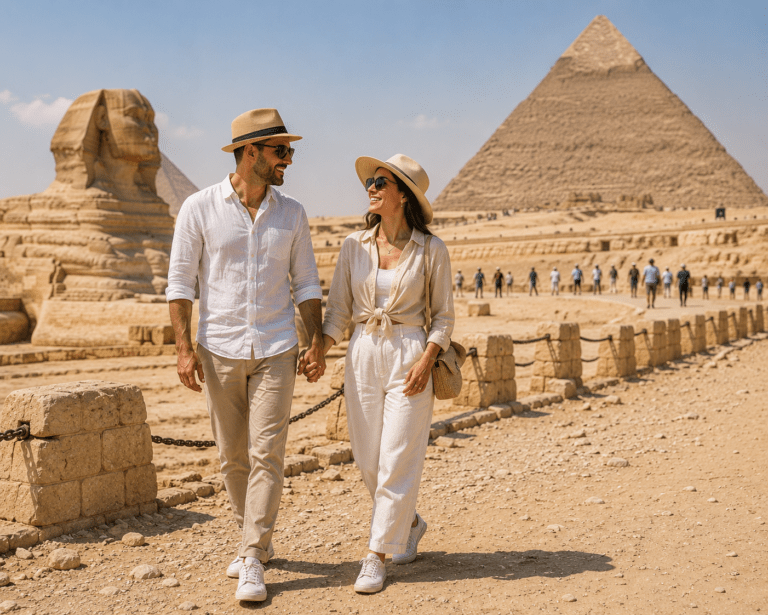
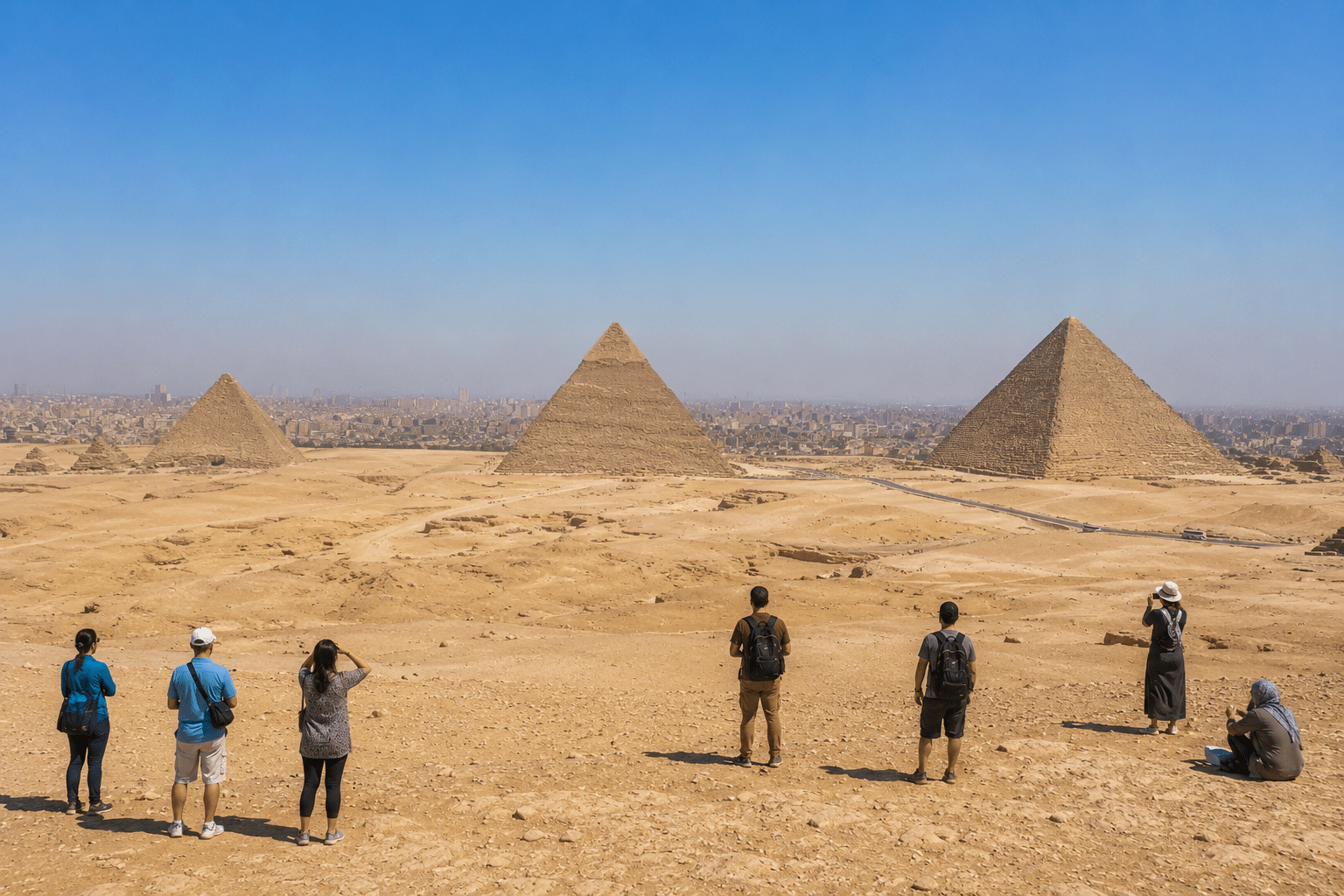
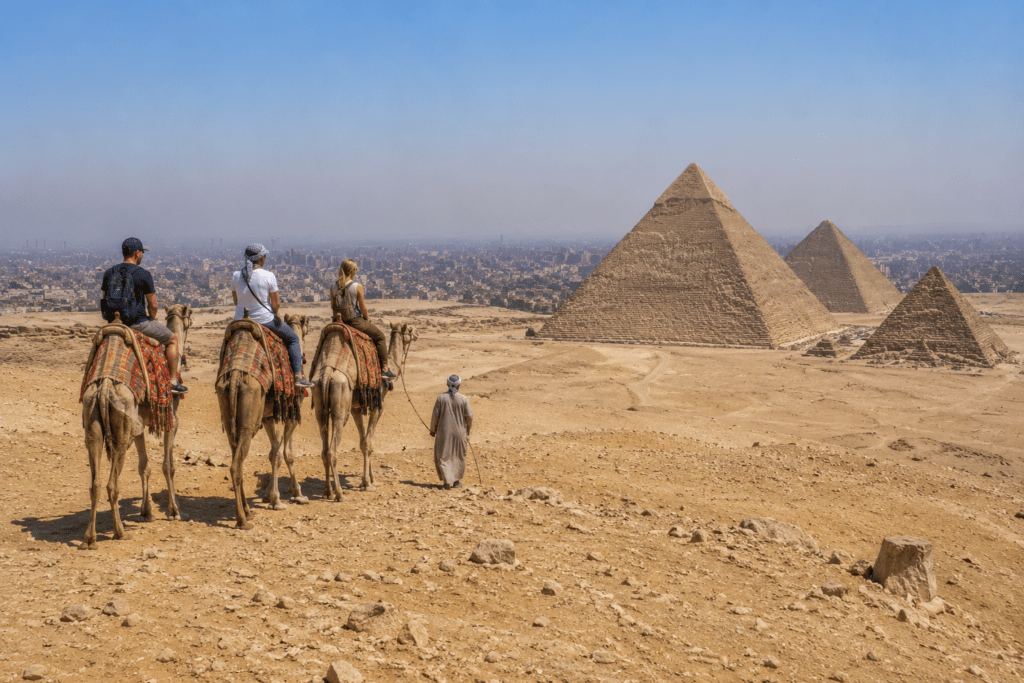
Begin the day at the Giza Plateau shortly after opening. The morning light is excellent for photography, temperatures are cooler, and the site is noticeably quieter before larger tour groups arrive.
After exploring the Great Pyramid, the pyramids of Khafre and Menkaure, the panoramic viewpoint, the Sphinx, and the Valley Temple, continue to the Grand Egyptian Museum. Seeing the museum immediately after Giza creates a much deeper understanding of what you’ve experienced on the plateau.
Rather than trying to squeeze Khan El Khalili into an already full day, keep the evening relaxed.
Morning: Giza Pyramids and Sphinx
Afternoon: Grand Egyptian Museum
Evening: Dinner in Cairo
Overnight: Cairo
Optional Activity: Nile Dinner Cruise
Day 3 – Alexandria Day Trip
Leave Cairo early for Alexandria while temperatures remain pleasant and traffic is lighter leaving the city.
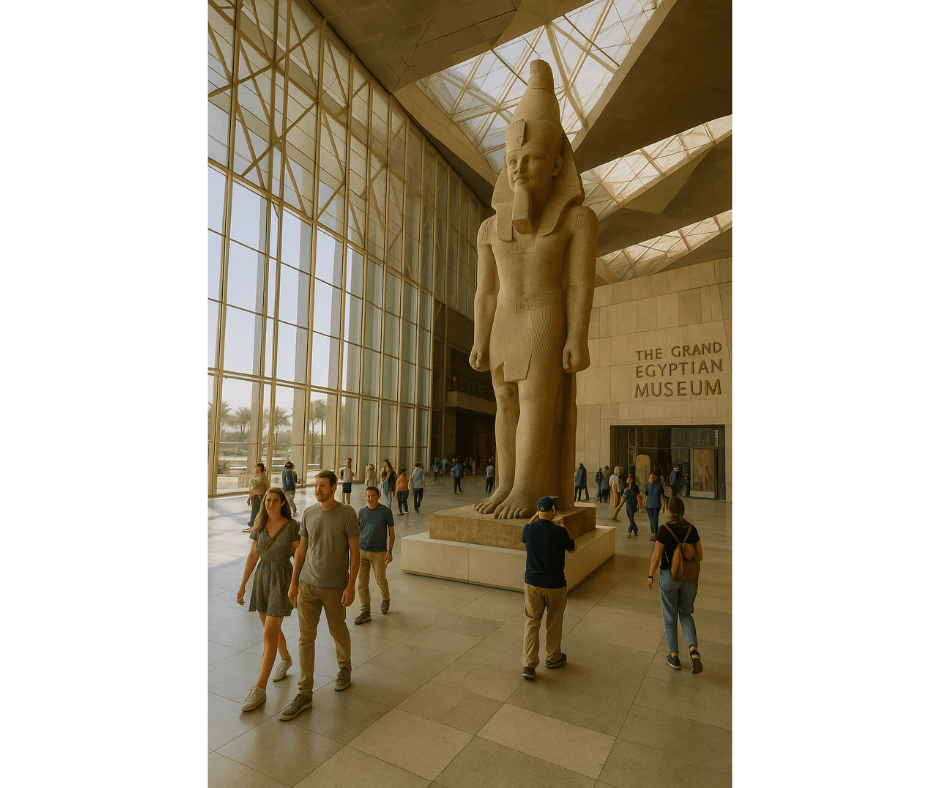
Spend the day exploring the Catacombs of Kom El Shoqafa, the Citadel of Qaitbay, the Bibliotheca Alexandrina, and the city’s Mediterranean Corniche. Alexandria feels entirely different from Cairo, with wider streets, sea breezes, and a distinctly Greco-Roman atmosphere.
Return to Cairo in the evening rather than changing hotels. Keeping Cairo as your base minimizes unnecessary packing and allows a smoother transition into the following day’s excursion.
Morning: Drive to Alexandria
Afternoon: Explore Alexandria
Evening: Return to Cairo
Overnight: Cairo
Day 4 – Fayoum
Today offers a completely different side of Egypt.
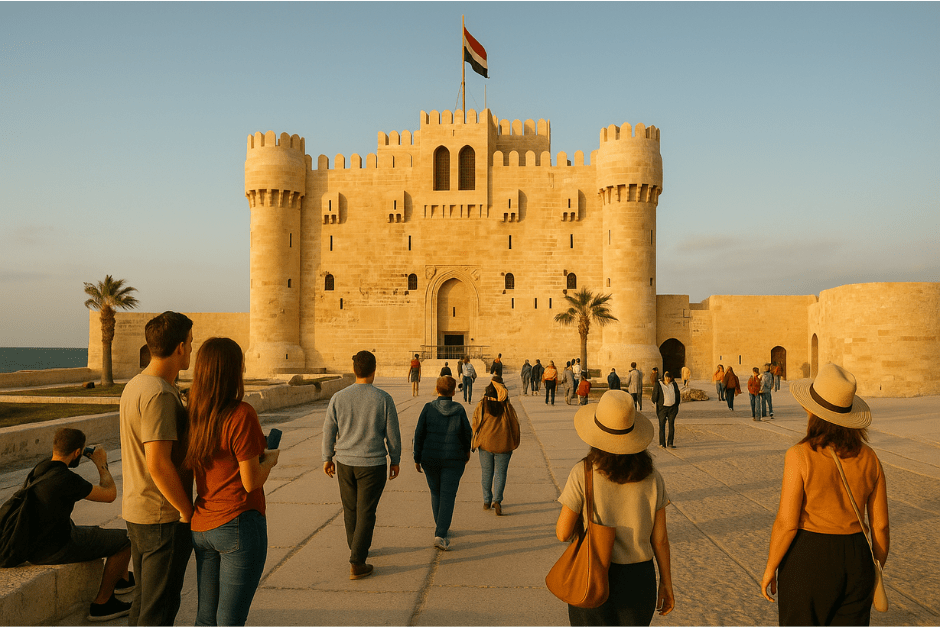
Leave Cairo after breakfast for Fayoum, where waterfalls, desert landscapes, lakes, and UNESCO-listed fossil sites replace the ancient temples and bustling streets of previous days.
Depending on your interests, the day may include Wadi El Rayan, Unesco site – the Valley of the Whales, Magic Lake, or sandboarding among the dunes. The slower pace creates a welcome contrast before heading south to Upper Egypt.
Return to Cairo in the evening and prepare for tomorrow’s domestic flight.
Morning: Drive to Fayoum
Afternoon: Wadi El Rayan and Wadi Al Hitan
Evening: Return to Cairo
Overnight: Cairo
Optional Activity: Sandboarding
Guide’s Note: Fayoum works particularly well here because it adds nature and desert scenery without requiring the long travel time of destinations such as Siwa Oasis.

Day 5 – Fly to Aswan & Discover Philae Temple
Take an early domestic flight to Aswan, where the atmosphere immediately feels calmer than Cairo.
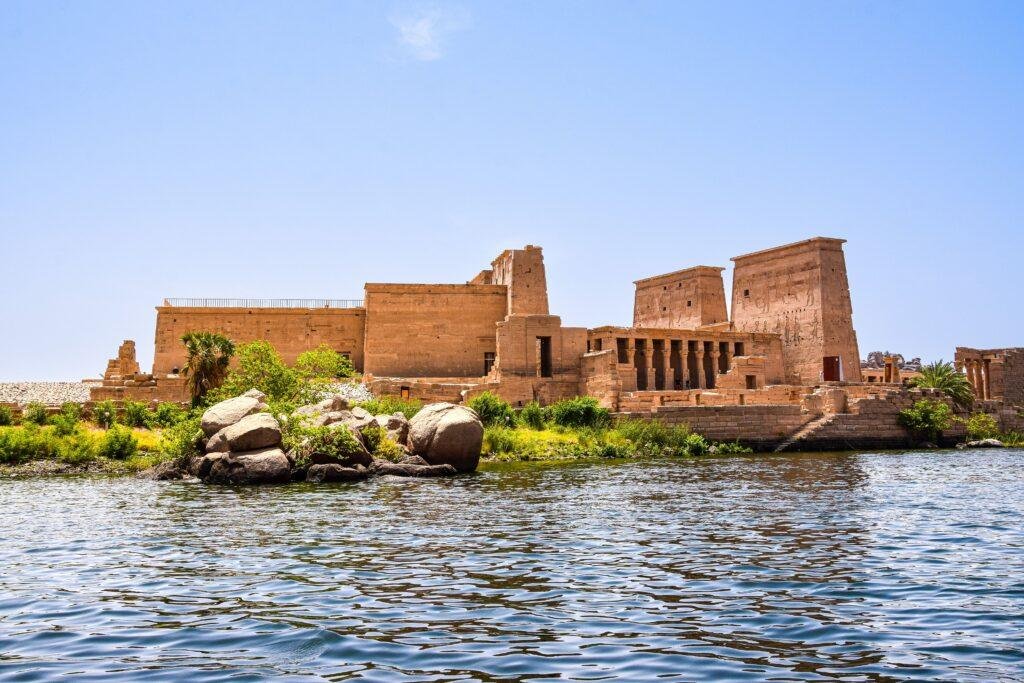
After arriving, visit beautiful Philae Temple, reached by a short motorboat ride across the Nile. Continue to the Unfinished Obelisk before checking into your Nile cruise.
If time allows, enjoy a sunset felucca sail before dinner onboard.
Morning: Flight to Aswan
Afternoon: Philae Temple and Unfinished Obelisk
Evening: Board the Nile cruise
Overnight: Nile Cruise
Day 6 – Abu Simbel or Nubian Culture
Travelers visiting Egypt for the first time should strongly consider the early morning excursion to Abu Simbel. Although the departure begins well before sunrise, the monumental temples of Ramesses II remain one of Egypt’s most unforgettable experiences.
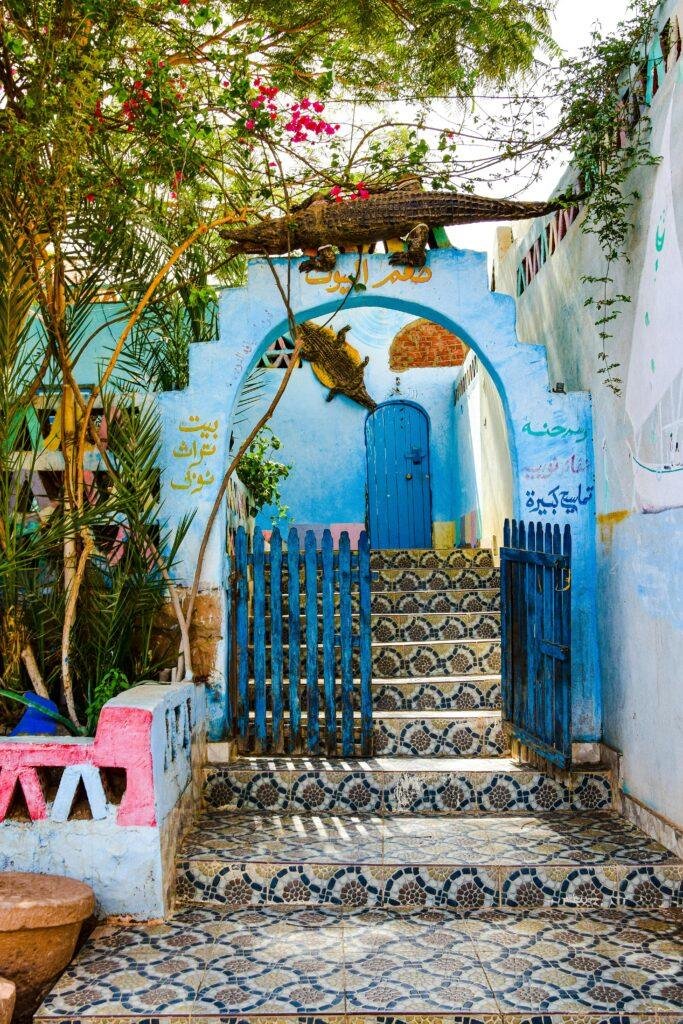
Those preferring a more relaxed day can instead visit a Nubian Village, where colorful homes, traditional culture, and life along the Nile provide a very different perspective from Egypt’s ancient monuments.
Either option returns to the cruise before sailing north.
Morning: Abu Simbel or Nubian Village
Afternoon: Cruise departure
Evening: Sailing toward Kom Ombo
Overnight: Nile Cruise
Day 7 – Kom Ombo, Edfu & Sailing the Nile
Today combines two of Upper Egypt’s best-preserved temples with one of the greatest pleasures of any Nile cruise—simply watching Egypt pass by.
Visit Kom Ombo before continuing toward Edfu, where the remarkably preserved Temple of Horus offers one of the clearest impressions of how ancient Egyptian temples originally appeared.
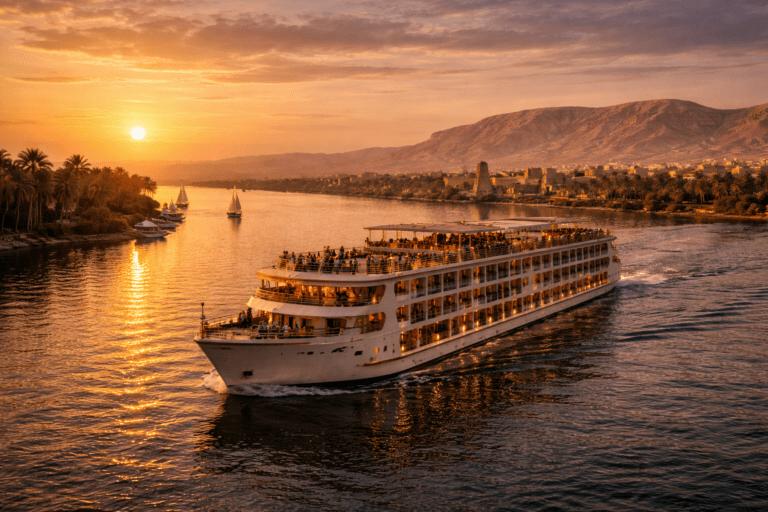
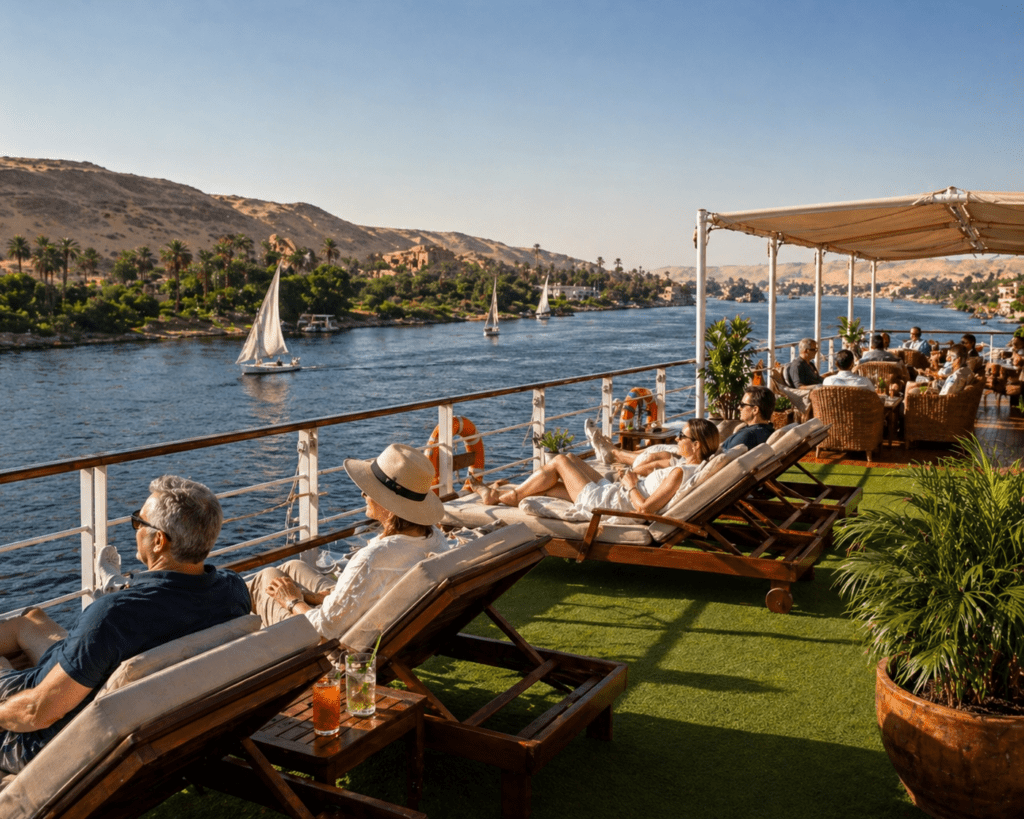
Between excursions, spend time on deck as palm groves, villages, and feluccas drift quietly past. These slower moments are an important part of the Nile cruise experience and one of the reasons many travelers consider it the highlight of their trip.
Morning: Kom Ombo Temple
Afternoon: Edfu Temple
Evening: Sailing toward Luxor
Overnight: Nile Cruise
Day 8 – Luxor’s East & West Banks
Disembark after breakfast and begin exploring Luxor before the day becomes too hot. Start on the West Bank with the Valley of the Kings, where generations of pharaohs were buried beneath the limestone hills. Continue to the Temple of Hatshepsut, whose striking terraces rise dramatically against the desert cliffs, before stopping briefly at the Colossi of Memnon.
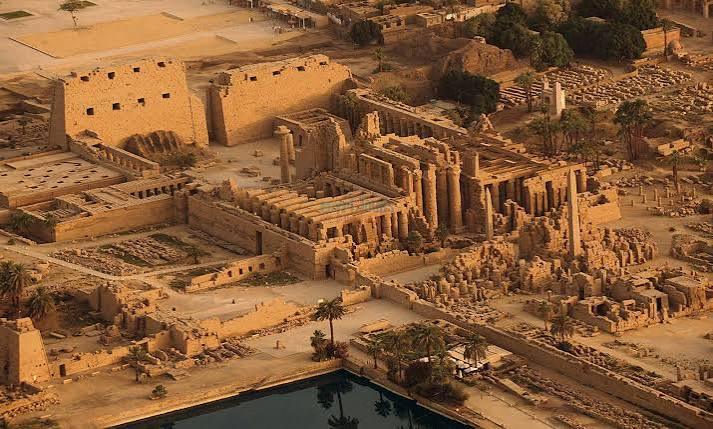
After lunch, cross to the East Bank to explore Karnak Temple, Egypt’s largest religious complex. If time allows, finish the day at Luxor Temple, which is especially beautiful in the late afternoon and after sunset when the sandstone is illuminated.
Rather than returning to the cruise, continue by road to Hurghada. The drive takes around four hours and provides a natural transition from Upper Egypt’s archaeological sites to the Red Sea.
Morning: Valley of the Kings, Temple of Hatshepsut, Colossi of Memnon
Afternoon: Karnak Temple
Evening: Luxor Temple (time permitting) and transfer to Hurghada
Overnight: Hurghada
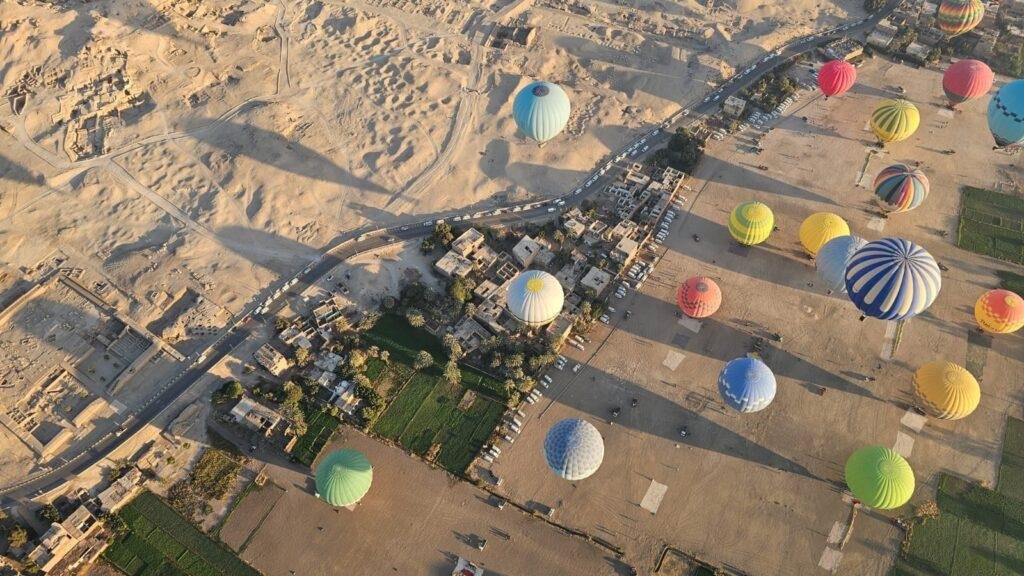
Optional Activity: Sunrise hot air balloon flight before visiting the West Bank.
Day 9 – Relax on the Red Sea
After several early mornings exploring archaeological sites, today is intentionally slower.
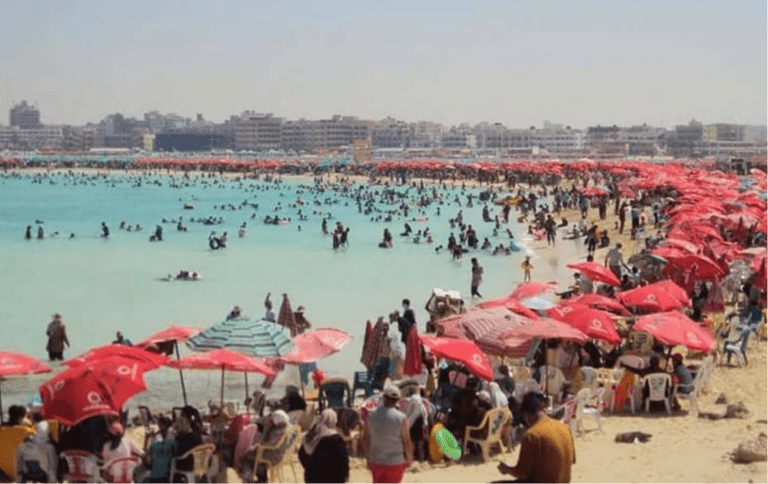
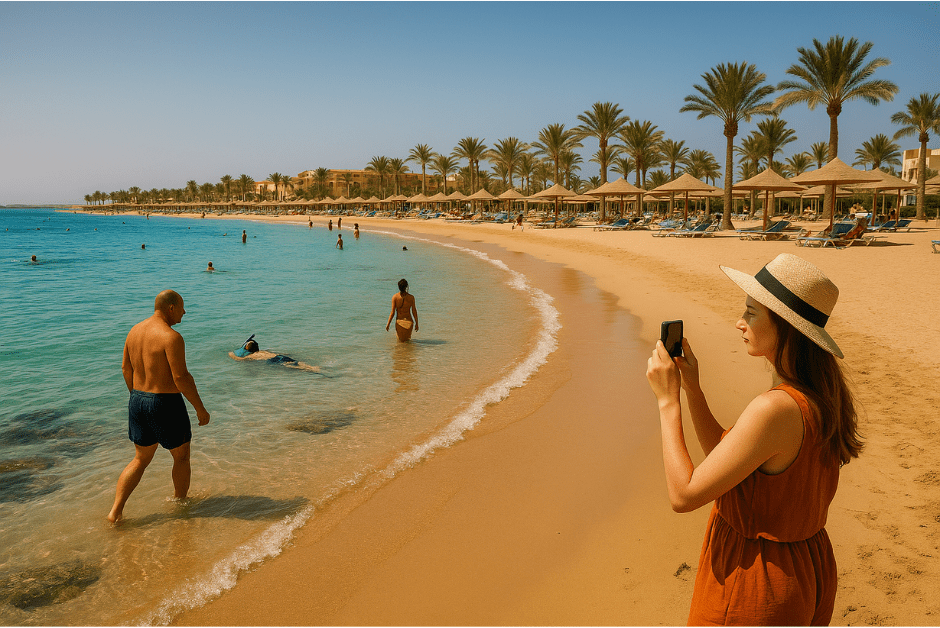
Spend the day enjoying Hurghada’s beaches, swimming pools, or the Red Sea itself. Many travelers choose a snorkeling excursion to nearby coral reefs, while others simply relax by the beach before continuing their journey.
This change of pace is one of the reasons a fourteen-day itinerary feels so much more enjoyable than shorter trips. Instead of moving immediately to the next destination, you have time to recover while still experiencing another side of Egypt.
Morning: Beach or snorkeling
Afternoon: Leisure time
Evening: Hurghada Marina or waterfront dining
Overnight: Hurghada

Day 10 – Another Day in Hurghada
A second day beside the Red Sea provides flexibility depending on your interests.
Divers may spend the day exploring some of the region’s famous reefs, while families often enjoy resort facilities, boat trips, or water activities. Travelers looking for adventure can also join a desert safari into the Eastern Desert.
Having two full days means you don’t feel pressured to fit every activity into a single afternoon.
Morning: Optional diving or snorkeling
Afternoon: Resort leisure or desert excursion
Evening: Sunset along the marina
Overnight: Hurghada
Day 11 – Return to Cairo
Take a morning flight back to Cairo.
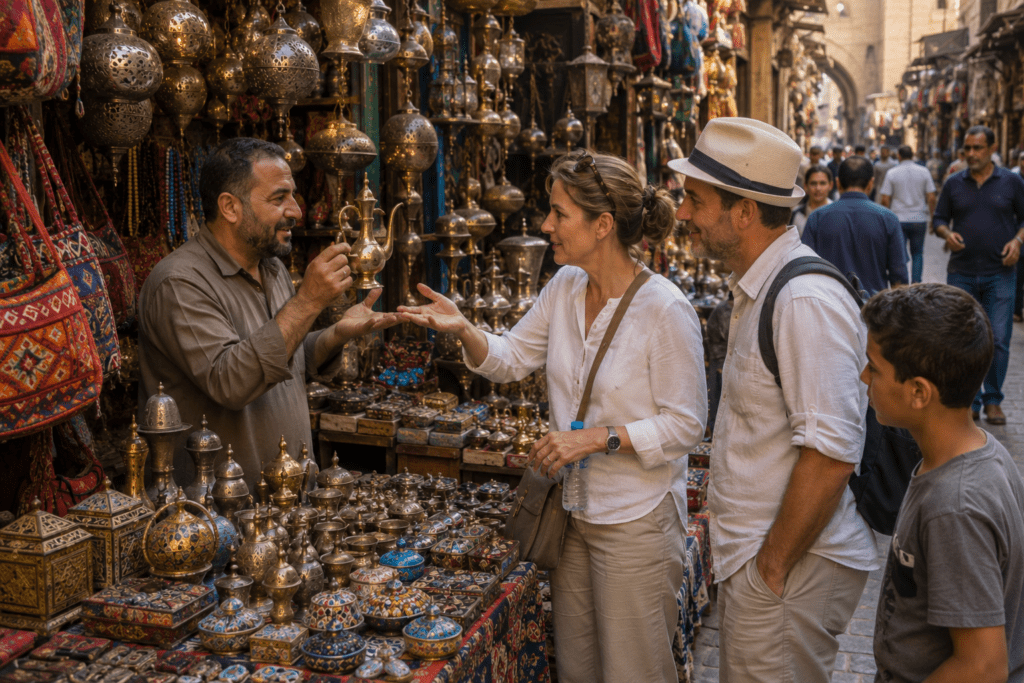
Instead of scheduling several attractions immediately after landing, spend the afternoon exploring Historic Cairo at a relaxed pace. Khan El Khalili, Al-Muizz Street, and nearby cafés provide an excellent introduction to the city’s medieval heart without feeling rushed.
The evening is perfect for experiencing Cairo after dark, when the streets become livelier and temperatures are far more comfortable.
Morning: Flight to Cairo
Afternoon: Khan El Khalili and Historic Cairo
Evening: Traditional Egyptian dinner
Overnight: Cairo
Day 12 – Old Cairo & Coptic Cairo
Today shifts away from ancient Egypt and explores another chapter of the country’s remarkable history.
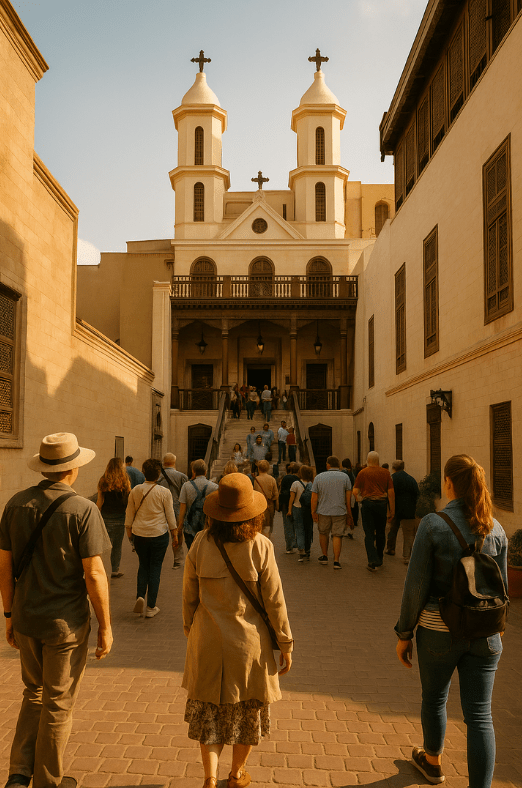
Visit Old Cairo, including the Hanging Church, Abu Serga Church, and other important Coptic sites before continuing into Islamic Cairo. Walking these neighborhoods with an experienced guide reveals centuries of religious and architectural history that many visitors overlook.
Rather than simply visiting monuments, today focuses on experiencing Cairo as a living city.
Morning: Coptic Cairo
Afternoon: Islamic Cairo walking tour
Evening: Free evening
Overnight: Cairo
Day 13 – Free Day or Optional Excursion
One of the greatest advantages of a two-week itinerary is flexibility.
Some travelers revisit the Grand Egyptian Museum or return to the Pyramids for sunrise photography. Others choose a food tour, another walking tour, shopping, or simply enjoy a relaxed day before the journey home.
Keeping one day unscheduled also provides flexibility if earlier weather or travel delays required adjustments elsewhere in the itinerary.
Morning: Free time
Afternoon: Optional sightseeing
Evening: Dinner
Overnight: Cairo
Day 14 – Departure
Enjoy breakfast before transferring to Cairo International Airport.
Because international departures often coincide with Cairo’s busiest traffic periods, allow generous transfer time rather than trying to squeeze in one last attraction before your flight.
If you want a two-week Egypt journey already coordinated across cities, the Nile, the Red Sea and desert landscapes, compare ENA’s longer private packages.
Why This Route Works
This itinerary follows a logical progression through Egypt rather than repeatedly crossing the country. Alexandria and Fayoum are visited while you’re already based in Cairo, reducing unnecessary hotel changes before flying south to Aswan.
The Nile cruise replaces what would otherwise be several separate road journeys between Aswan and Luxor while allowing you to experience daily life along the river. Continuing directly from Luxor to Hurghada avoids returning through Cairo and creates a natural transition from archaeology to relaxation before the final flight home.
Just as importantly, the itinerary balances physically demanding sightseeing days with slower experiences. Beach time in Hurghada, evenings on the Nile, and a flexible day in Cairo prevent the trip from becoming a nonstop sequence of early mornings and long excursions.
Estimated Budget
| Travel Style | Estimated Cost (Per Person) |
|---|---|
| Budget | $2,500–3,300 |
| Mid-range | $3,500–5,500 |
| Luxury | $6,000+ |
Transportation Used
This itinerary uses each form of transportation where it makes the most sense.
Domestic flights connect Cairo with Aswan and later return you from Hurghada to Cairo, saving valuable sightseeing time. The Nile cruise replaces repeated hotel changes between Aswan and Luxor while serving as both transportation and accommodation. Private vehicles handle sightseeing throughout Cairo, Alexandria, Fayoum, Luxor, and Hurghada, allowing greater flexibility than relying on public transportation.
For a detailed comparison of flights, trains, cruises, and road travel, see our Egypt Transportation Guide.
Can You Include a Nile Cruise?
Absolutely—and a fourteen-day itinerary is one of the best ways to experience one.
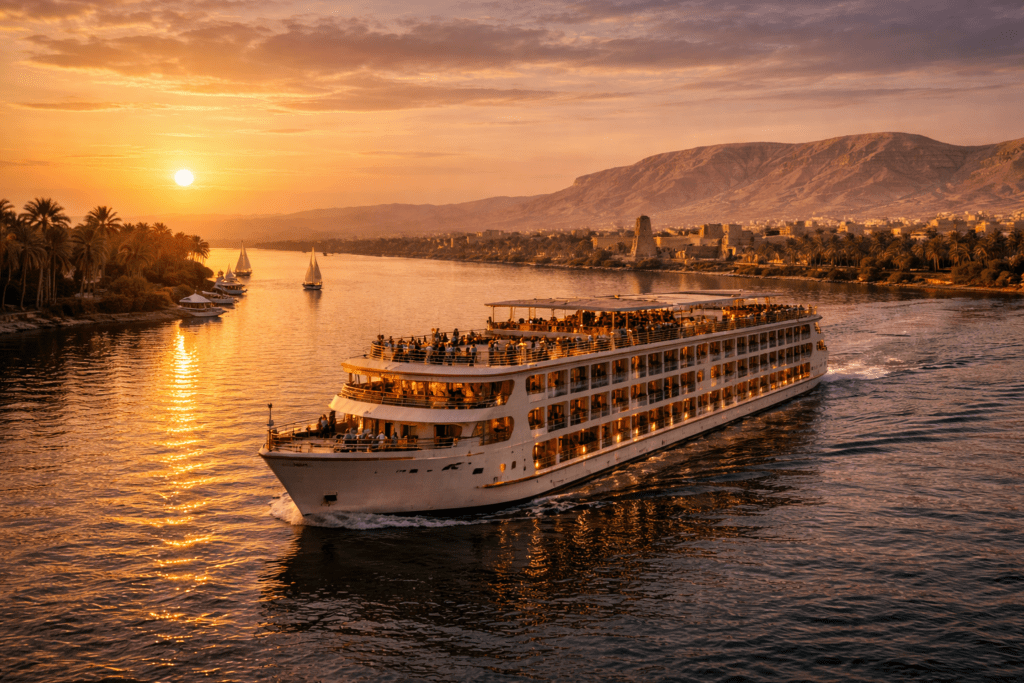
A four-night Nile cruise fits comfortably within two weeks while maintaining a relaxed pace. It includes Egypt’s most famous riverside temples, eliminates repeated hotel changes, and provides valuable downtime between sightseeing.
Travelers who prefer to spend additional time in Hurghada or Siwa can choose a three-night cruise instead while still enjoying the essential Nile experience.
For help choosing between cruise lengths, see our How Many Days Do You Need for a Nile Cruise? guide.
Can Families Follow This Itinerary?
Yes. Fourteen days gives families far more flexibility than shorter itineraries.
The itinerary naturally alternates busy sightseeing days with quieter experiences, while the Nile cruise and Hurghada provide opportunities for children to relax between visits to archaeological sites. Families with younger children can shorten museum visits, spend additional time at the resort, or replace longer excursions with activities better suited to their interests.
Our Family Travel in Egypt guide explains additional adjustments that make traveling with children even easier.
Possible Variations
Fourteen days provides enough flexibility to personalize the itinerary without sacrificing Egypt’s major highlights.
Travelers interested in Mediterranean history can spend an extra night in Alexandria, while those looking for more outdoor adventure can extend their stay in Fayoum to explore additional desert landscapes and hiking trails.
Others may prefer replacing part of the Red Sea stay with several days in Siwa Oasis, combining the Salt Lakes, Shali Fortress, Cleopatra Spring, and the Great Sand Sea with the classic Nile Valley route. Travelers seeking more archaeology can also add Abu Simbel or spend another day exploring Luxor’s museums and lesser-visited tombs.
The strongest itinerary is the one built around your interests rather than trying to include every destination Egypt has to offer.

Common Planning Mistakes
One of the biggest mistakes travelers make is treating fourteen days as unlimited time. While two weeks is generous, trying to include every major destination often results in too many long travel days and too little time to appreciate each place.
Another common mistake is underestimating Cairo. Many visitors focus almost entirely on Upper Egypt, only to realize later that they rushed through the Grand Egyptian Museum, Historic Cairo, and the city’s remarkable neighborhoods.
Some travelers also skip Hurghada in favor of adding more archaeological sites. While that approach may seem productive, many discover that a couple of relaxing days beside the Red Sea creates a far better balance than another temple or museum.
Finally, don’t overlook the importance of domestic flights. Flying between Cairo, Aswan, and Hurghada saves valuable time and allows the itinerary to flow naturally.
FAQ
Is fourteen days enough to see Egypt?
Yes. Two weeks allows you to experience Cairo, Alexandria, Fayoum, a Nile cruise, Luxor, Aswan, and the Red Sea while maintaining a comfortable pace.
Can I include Siwa in a fourteen-day itinerary?
Absolutely. Many travelers replace part of the Red Sea stay or Alexandria with several days in Siwa. The key is designing the route around the long journey rather than trying to add Siwa on top of an already full itinerary.
Is a four-night Nile cruise better than a three-night cruise?
For most travelers, yes. The additional night creates a more relaxed pace and provides more time to enjoy the river itself rather than simply moving between temples.
Should I choose Hurghada or Alexandria?
Both work well in a fourteen-day itinerary. Hurghada provides relaxation after Upper Egypt, while Alexandria offers Mediterranean history and culture. The better choice depends on your interests.
Is fourteen days too long for a first trip?
Not at all. Most travelers find two weeks gives them enough time to experience Egypt properly without feeling rushed, especially when the itinerary is carefully planned.
Instead of trying to coordinate domestic flights, cruise schedules, hotels, guides, and transfers across multiple regions of Egypt, choose an itinerary that’s already designed to flow naturally. Explore Egyptian Nile Adventures offers several private 14-day Egypt tours, including routes featuring Alexandria, Fayoum, Siwa Oasis, Abu Simbel, the Nile Cruise, and Hurghada, allowing you to select the journey that best matches your interests rather than forcing every traveler into the same itinerary. With the right route, two weeks becomes enough time to experience the remarkable diversity that makes Egypt unlike anywhere else.