Egypt Myths vs Reality
Egypt Myths vs Reality: What Travelers Get Wrong Before Visiting Egypt
Few countries carry as many assumptions as Egypt. Movies, headlines, social media, and centuries of fascination have created an image that often bears little resemblance to the experience travelers actually have on the ground.
The reality is more nuanced. Egypt is busy rather than chaotic, welcoming rather than intimidating, and surprisingly diverse beyond its famous pyramids. Understanding the difference between common myths and everyday reality helps you prepare better, avoid unnecessary worries, and appreciate the country for what it truly is—not what you’ve heard.
Expert Insight: Travelers who arrive with realistic expectations almost always enjoy Egypt more. Most disappointments come from expecting Egypt to function like a Western destination instead of understanding how travel works in one of the world’s oldest continuously inhabited civilizations.
Myth: Egypt Is Unsafe for Tourists
Safety is often the first concern for first-time visitors, yet it is also one of the most misunderstood topics.
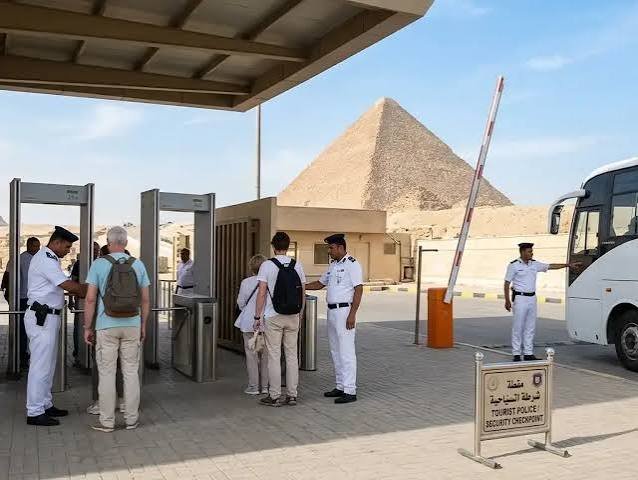
The reality is that millions of tourists visit Egypt every year without incident. Popular destinations such as Cairo, Luxor, Aswan, Hurghada, and Sharm El Sheikh have a strong tourism infrastructure supported by visible security measures at airports, major attractions, hotels, and museums.
Like any destination, awareness matters. Crowded markets require attention to personal belongings, and using reputable transportation or licensed guides is a smarter choice than accepting random offers on the street. These are common travel precautions rather than uniquely Egyptian concerns.
Guide’s Note: You’ll notice security screening at many historical sites. While it may feel unusual compared to some countries, it is simply part of the standard visitor experience in Egypt.
Myth: Everyone Will Constantly Try to Scam You
Visitors often read stories suggesting that every interaction in Egypt involves aggressive selling or scams.
The reality is far less dramatic.
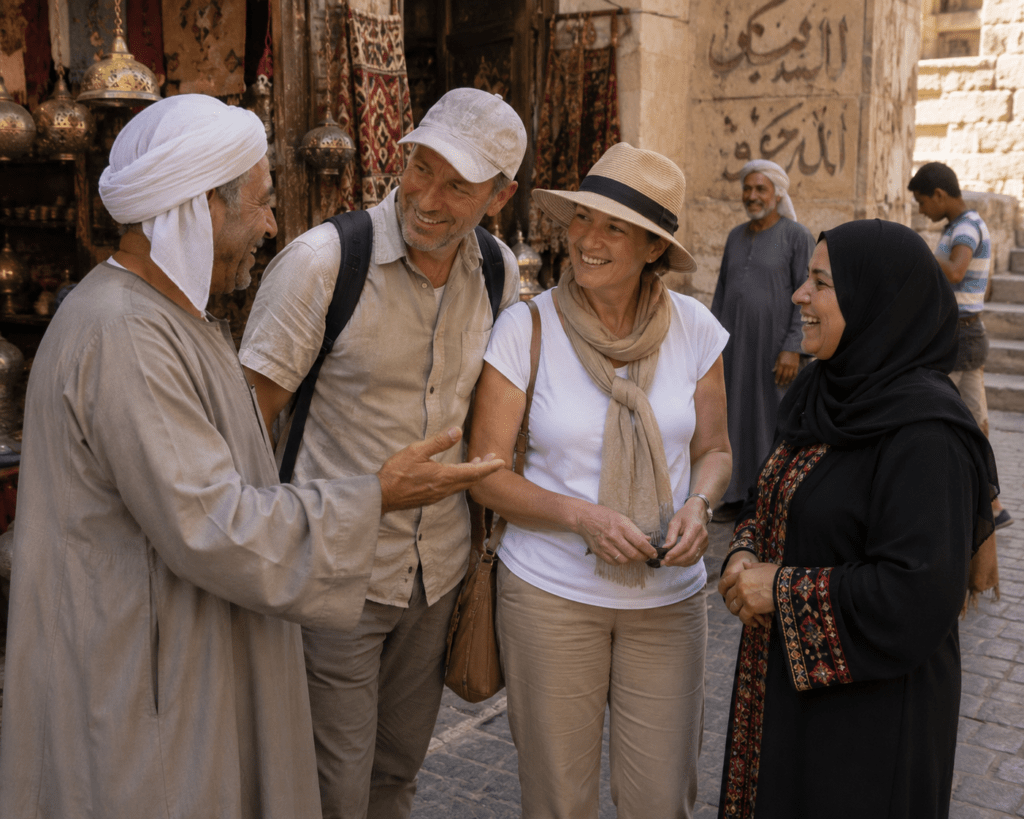
Egyptians are generally social, curious, and accustomed to speaking with visitors. In busy tourist areas, vendors naturally approach travelers because tourism is their livelihood. Outside these hotspots, conversations are often genuine, with locals asking where you’re from simply out of interest.
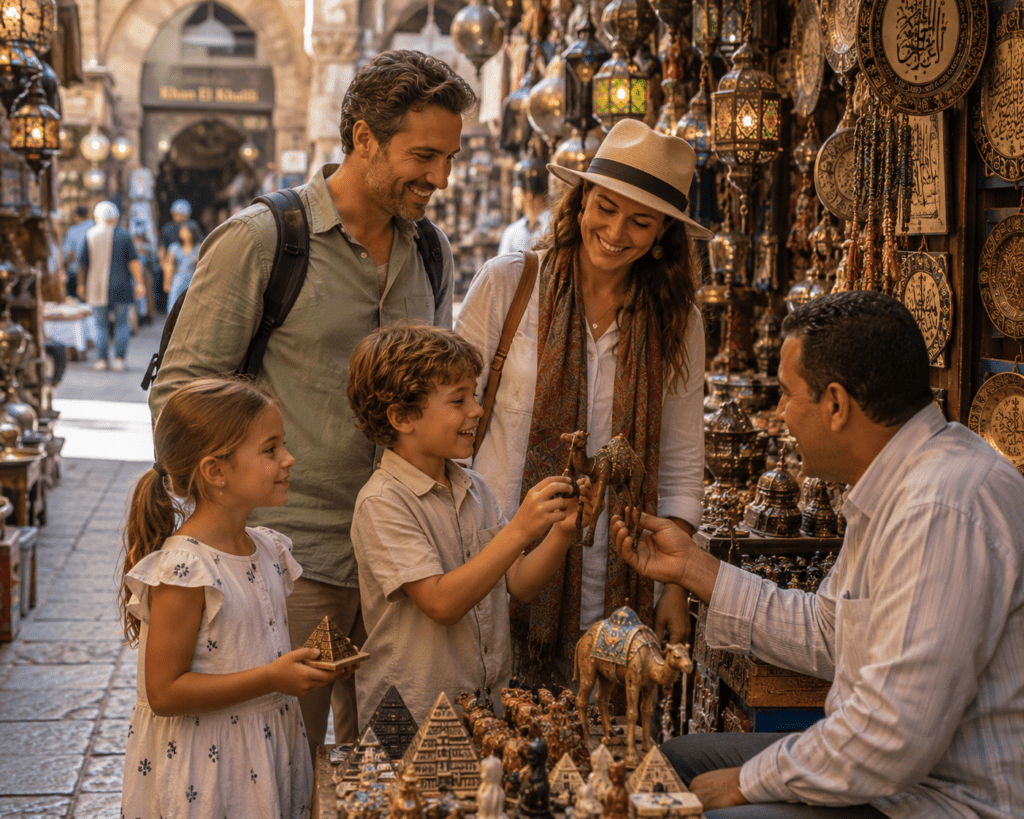
Occasionally you’ll encounter persistent sales tactics, particularly near famous attractions like the Giza Pyramids or Khan El Khalili Bazaar. A polite but confident “No, thank you” usually ends the interaction without conflict.
The difference between a friendly offer and an unwanted sales pitch becomes easy to recognize after your first day.
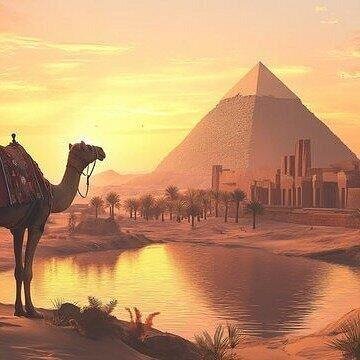
Myth: Egypt Is Just the Pyramids
The Great Pyramids deserve their reputation, but they represent only a small part of Egypt’s heritage.
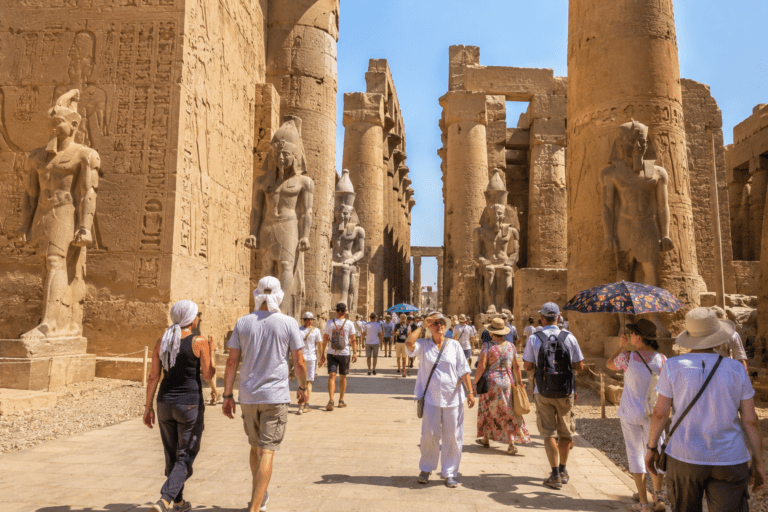
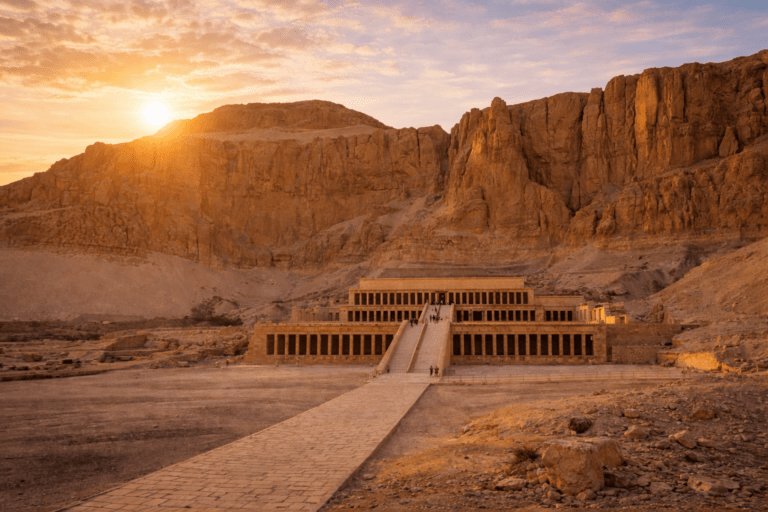
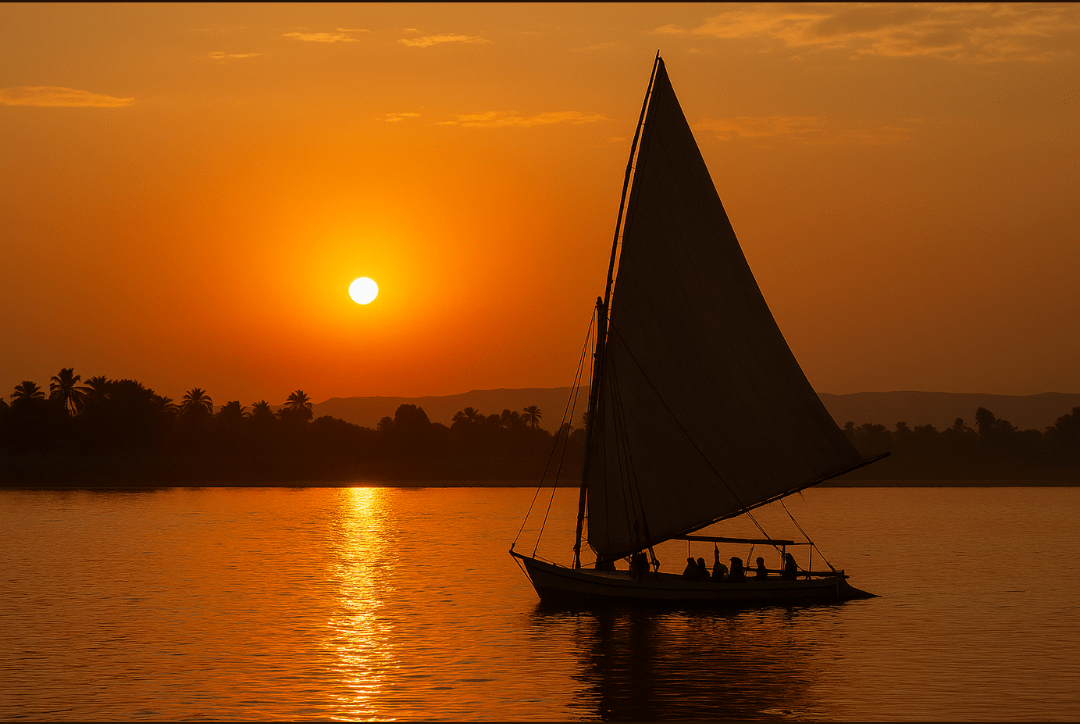
After leaving Cairo, travelers discover remarkably different experiences. Luxor feels like an open-air museum where temples line both sides of the Nile. Aswan offers a slower pace, granite islands, and Nubian culture. Along the Red Sea, destinations such as Hurghada and Marsa Alam attract divers with coral reefs that rank among the world’s healthiest.
Even within Cairo, neighborhoods range from medieval Islamic streets to elegant districts built during the nineteenth century.
Limiting an itinerary to the pyramids means missing much of what makes Egypt unforgettable.

Myth: Egypt Is Always Extremely Hot
Many people imagine Egypt as unbearably hot throughout the year.
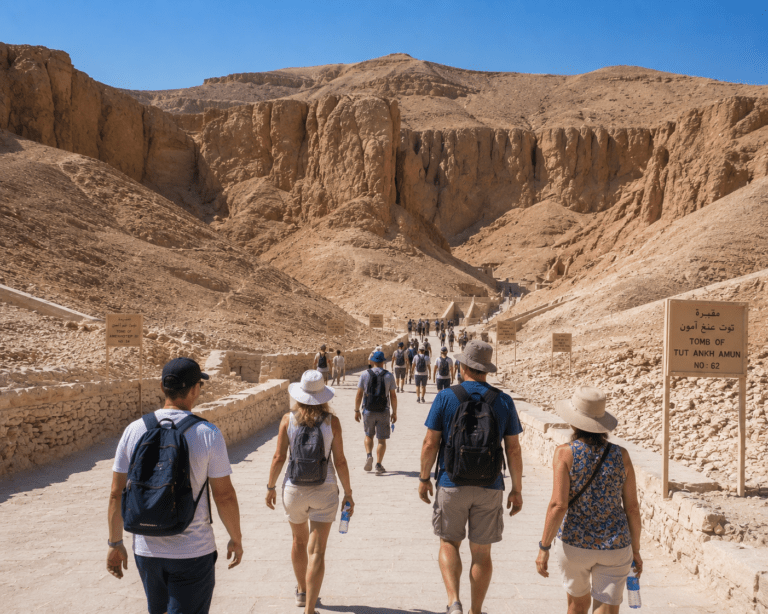
Summer temperatures can indeed exceed 40°C (104°F), particularly in Upper Egypt around Luxor and Aswan. Walking through exposed temple complexes at midday in July feels very different from exploring them on a cool February morning.
Between October and April, however, conditions are comfortable for sightseeing. Winter mornings can even feel surprisingly cool, especially during Nile cruises or desert excursions.
Guide’s Note: Experienced guides schedule visits to outdoor monuments early in the morning whenever possible. Besides avoiding the strongest sun, you’ll also enjoy quieter archaeological sites before larger tour groups arrive.
Myth: You Need to Dress Extremely Conservatively Everywhere
Many travelers worry about strict dress expectations before arriving.
The reality depends on where you are.
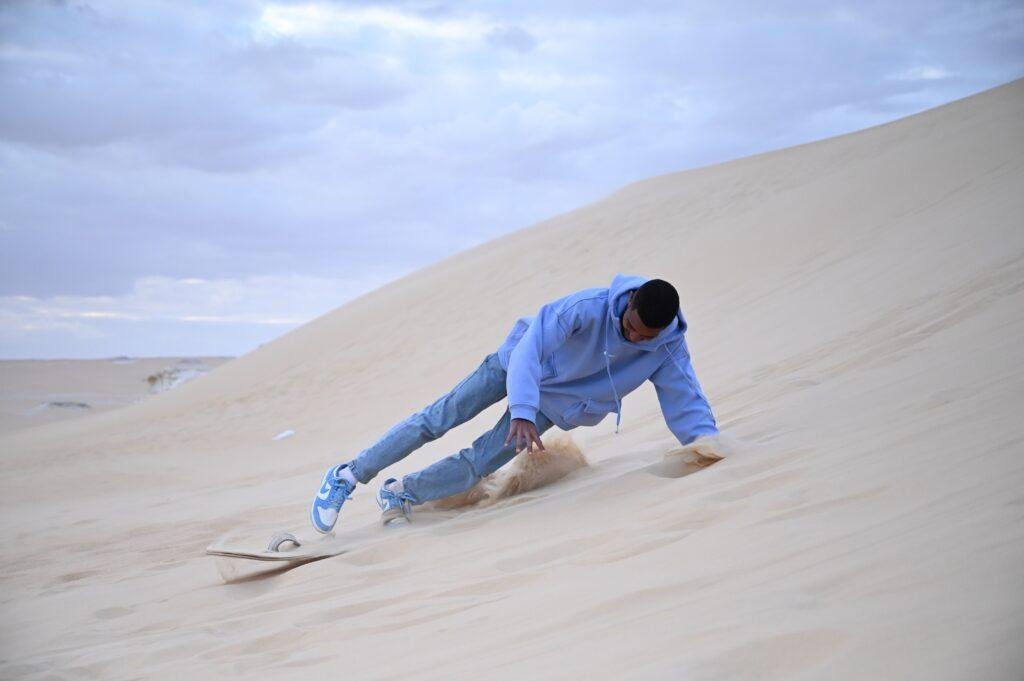
Resort towns along the Red Sea have a relaxed atmosphere where typical beach clothing is perfectly normal inside hotels and resort areas. In Cairo, you’ll see everything from jeans and T-shirts to business suits and traditional clothing.
When visiting mosques or conservative neighborhoods, modest clothing that covers shoulders and knees shows respect and helps you feel more comfortable. This is similar to visiting religious sites in many countries around the world.
Comfortable, lightweight clothing that provides sun protection is often more practical than worrying about fashion.
Myth: Egyptian Food Is Unsafe
Egyptian cuisine is one of the highlights of many trips.
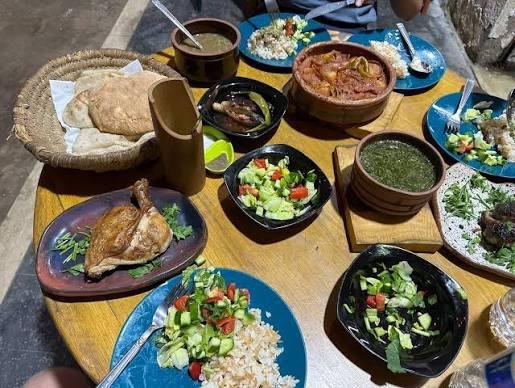
Restaurants serving international visitors generally maintain good hygiene standards, while established local restaurants often have decades of experience preparing traditional dishes. Meals such as koshari, grilled meats, molokhia, falafel, and fresh flatbread are staples enjoyed daily by locals.
As with travel anywhere, choosing busy restaurants with high turnover is usually wiser than eating from places where food has been sitting for long periods.
Many travelers discover that Egyptian food becomes one of their favorite memories rather than something to avoid.
Myth: Getting Around Egypt Is Difficult
Egypt is a large country, but moving between major destinations is more straightforward than many expect.
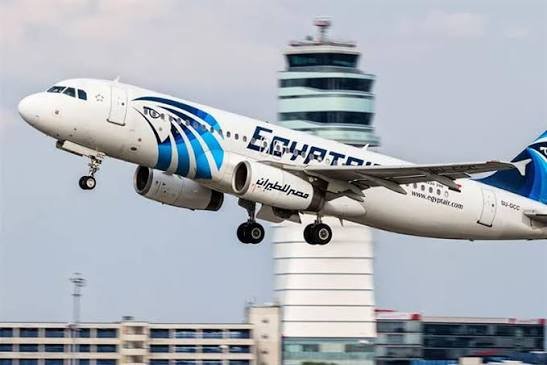
Domestic flights connect Cairo with Luxor, Aswan, Abu Simbel, Hurghada, and Sharm El Sheikh. Comfortable trains link Cairo and Upper Egypt, while modern highways support private transfers and organized tours.
Within cities, ride-hailing services are widely available in Cairo and Alexandria, making transportation much easier than first-time visitors often imagine.
The biggest challenge is usually choosing the right combination of transport rather than finding transport at all.
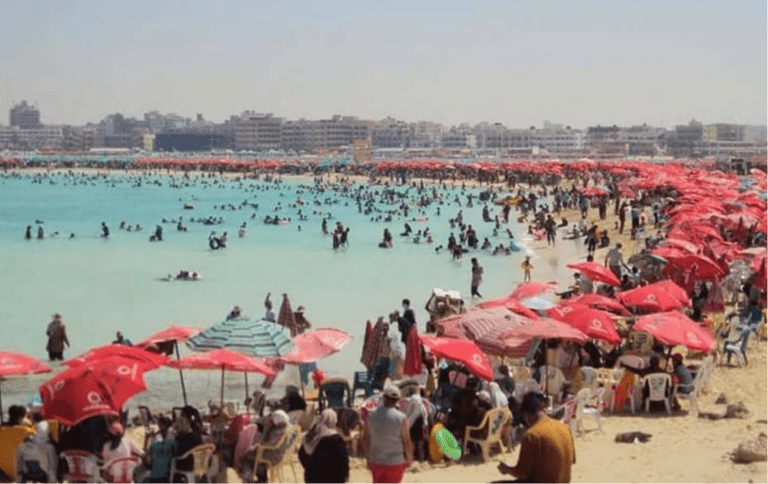
Myth: Egypt Is Too Crowded to Enjoy
Crowds certainly exist at iconic sites, especially during peak holiday periods.
The reality is that timing makes an enormous difference.
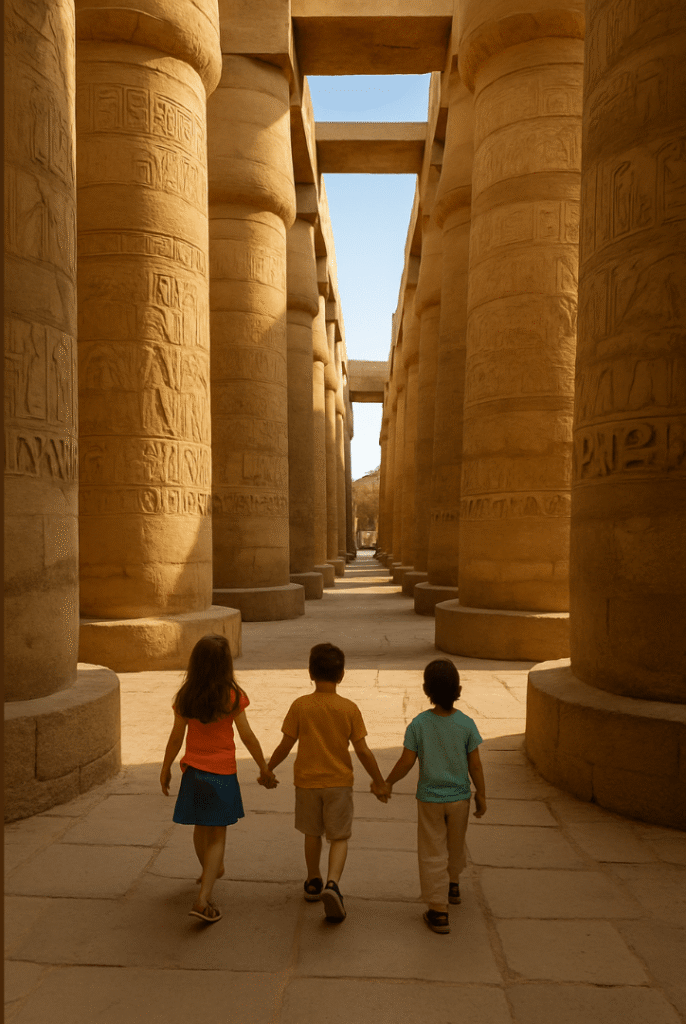
The Giza Plateau feels completely different at 8:00 a.m. compared with midday. Karnak Temple becomes noticeably quieter during the final hour before closing, while many Nile cruise passengers visit temples according to fixed schedules that can often be anticipated.
With thoughtful planning, it’s entirely possible to experience famous monuments without feeling overwhelmed.
Myth: English Isn’t Spoken
Arabic is Egypt’s official language, but English is widely used throughout the tourism industry.
Hotel staff, licensed guides, airport personnel, museum employees, and most restaurant workers serving visitors communicate comfortably in English.
Learning a few Arabic phrases is appreciated and often leads to warmer interactions, but language rarely becomes a serious obstacle for travelers.
Myth: Egypt Is Too Difficult for First-Time International Travelers
Egypt has a different rhythm from destinations where tourism feels highly standardized.
Traffic moves differently, bargaining exists in some markets, and daily life can feel energetic rather than orderly.
That doesn’t make Egypt difficult—it simply makes it different.
Travelers who embrace that difference often leave with richer experiences than those who expect everything to function exactly as it does at home.
The country rewards curiosity, flexibility, and thoughtful planning far more than rigid expectations.
Frequently Asked Questions
Is Egypt safer than many people expect?
Most visitors are surprised by how normal daily travel feels once they arrive. Tourist areas operate with established infrastructure, visible security, and experienced hospitality staff, making the experience considerably different from the impression created by isolated international news stories.
Are all markets filled with aggressive vendors?
Historic markets such as Khan El Khalili are lively and commercial by nature, but interactions vary widely. Walking confidently, declining politely, and shopping without feeling rushed usually creates a far more relaxed experience than many travelers anticipate.
Will I spend my entire trip in desert landscapes?
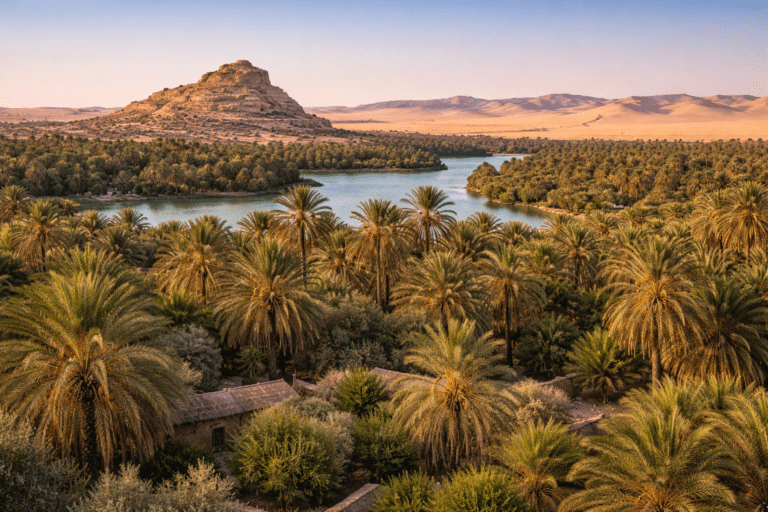
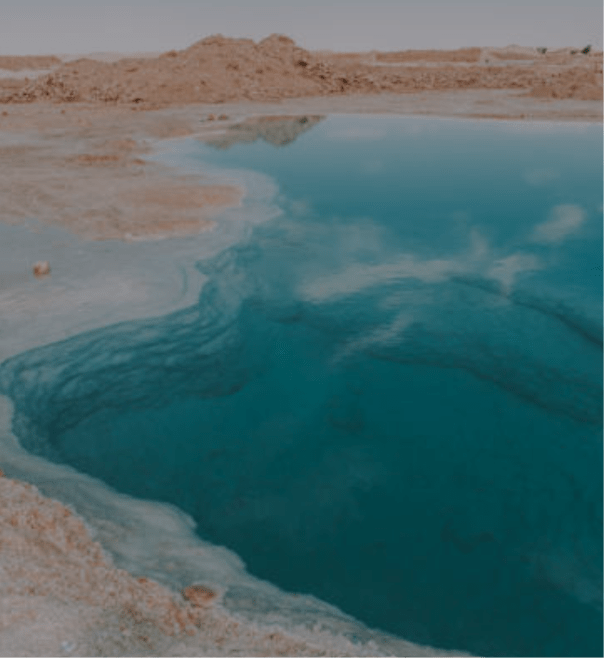
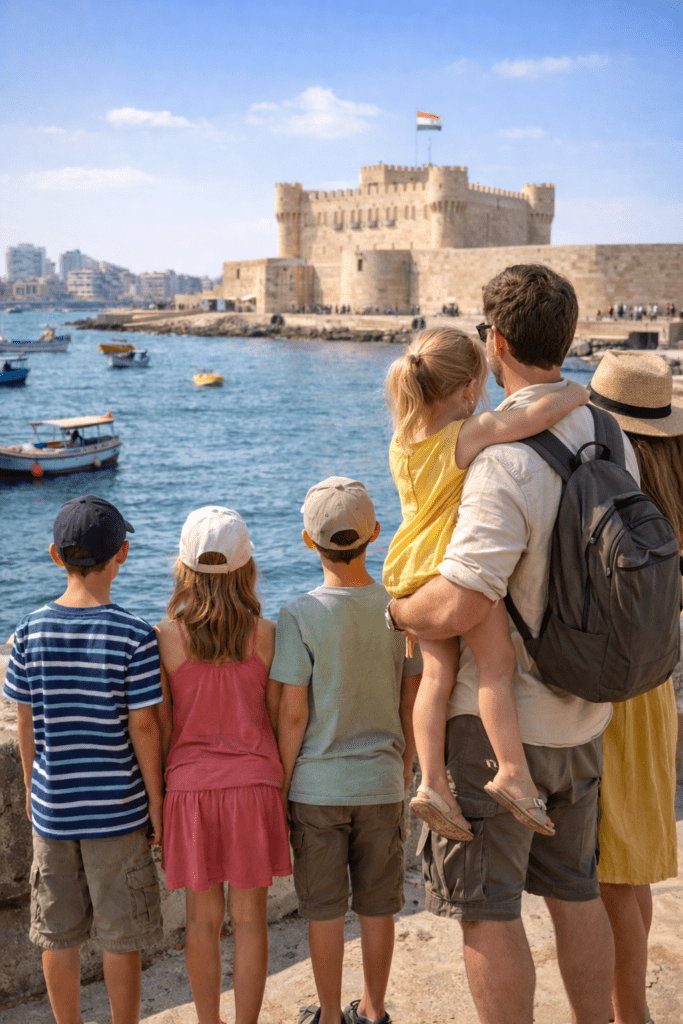
Egypt’s geography is remarkably varied. Beyond the desert, you’ll experience the Nile Valley’s fertile farmland, Mediterranean cities, Red Sea beaches, lush palm groves around Aswan, and vibrant urban neighborhoods that surprise many first-time visitors.
Is hiring a guide really worth it?
Understanding the stories behind temples, tombs, and monuments transforms the experience. Ancient sites can appear overwhelming without historical context, while an experienced guide also helps manage timing, logistics, and practical details that independent travelers often underestimate.
Many travelers arrive expecting Egypt to match the myths they’ve heard for years. That often leads to poor itinerary choices, unrealistic expectations, or unnecessary concerns before the trip even begins. Explore Egyptian Nile Adventures builds itineraries around how Egypt actually works—from the best times to visit major sites to realistic travel pacing and expert local guidance—so you experience the country itself rather than the misconceptions surrounding it. Start by exploring our recommended Egypt itineraries and guided tours to build a trip based on real travel conditions instead of outdated assumptions.