Is Egypt Too Hot to Visit in Summer?
Summer is often dismissed as the worst time to visit Egypt, but the reality is more nuanced. Yes, temperatures can be intense, particularly in Upper Egypt, yet millions of travelers still enjoy unforgettable trips every summer by adjusting their itinerary, sightseeing schedule, and expectations.
The key isn’t avoiding Egypt altogether—it’s understanding how the country functions during its hottest months. Ancient sites are naturally quieter, hotels often offer their best rates of the year, and with early starts and sensible planning, many of Egypt’s greatest experiences remain just as rewarding as they are in winter.
Expert Insight: Summer rewards travelers who plan around the climate rather than against it. Early mornings, shaded museums, afternoon breaks, and evenings by the Nile or Red Sea create a surprisingly comfortable rhythm.
How Hot Does Egypt Get in Summer?
Summer in Egypt generally runs from June through August, with July and August being the hottest months.
Cairo usually experiences daytime temperatures between 35°C and 40°C (95–104°F). The heat is dry rather than humid, making it more manageable than many tropical destinations, although the afternoon sun can still be exhausting after several hours outdoors.
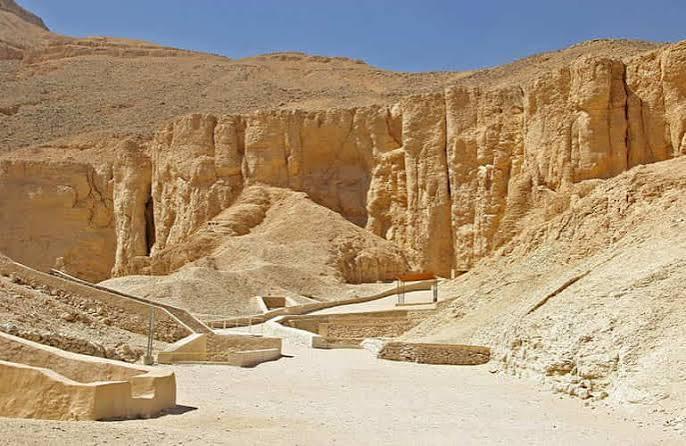
Further south, Luxor and Aswan regularly exceed 42°C (108°F) during the hottest weeks of summer. Temple complexes built from sandstone absorb heat throughout the day, making early morning visits essential rather than optional.
Along the Red Sea in destinations such as Hurghada and Marsa Alam, temperatures are similar but steady sea breezes make beach resorts feel more comfortable than inland cities.
Although summer temperatures are undeniably high, they follow predictable seasonal patterns that travelers can plan around by reviewing Egypt’s historical climate data.
Is Summer Actually a Bad Time to Visit Egypt?
Not necessarily.
For travelers whose priority is comfortable sightseeing from sunrise until sunset, winter remains the better choice. However, if your priorities include lower prices, fewer crowds, and greater hotel availability, summer can offer excellent value.
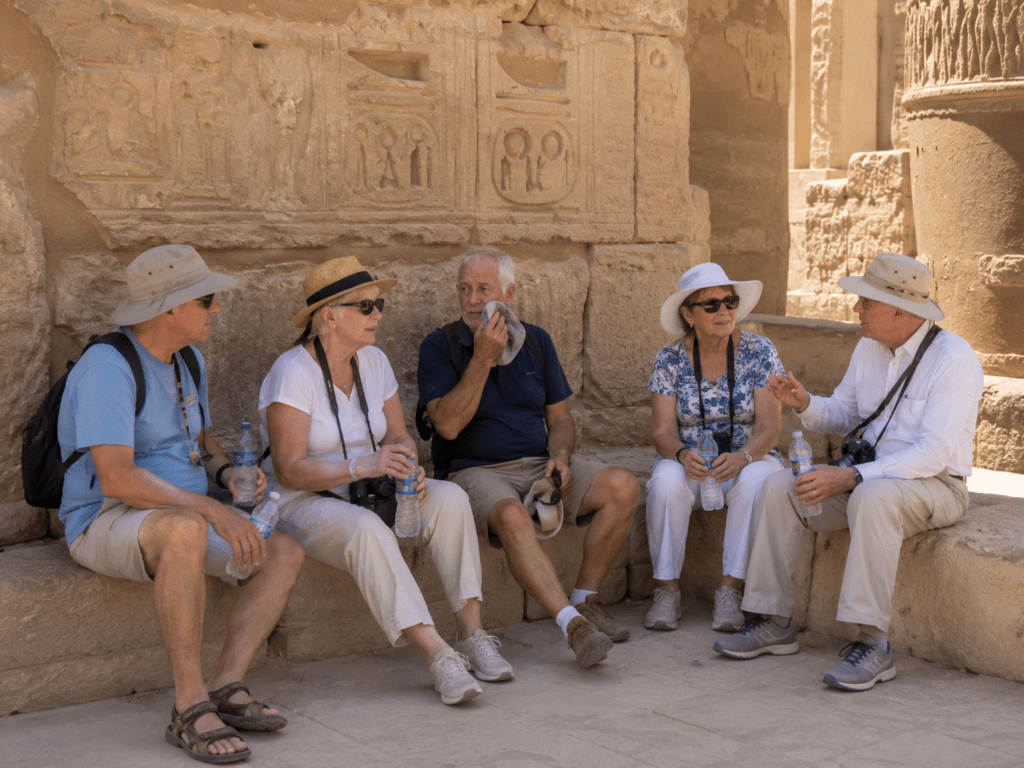
Many visitors are surprised by how manageable the climate feels because Egypt’s dry desert air lacks the heavy humidity found in many popular beach destinations.
The biggest mistake isn’t visiting in summer—it’s trying to follow the same sightseeing schedule you would use in December.
How Egyptians Handle the Heat
One of the easiest ways to enjoy Egypt in summer is to follow the local routine.
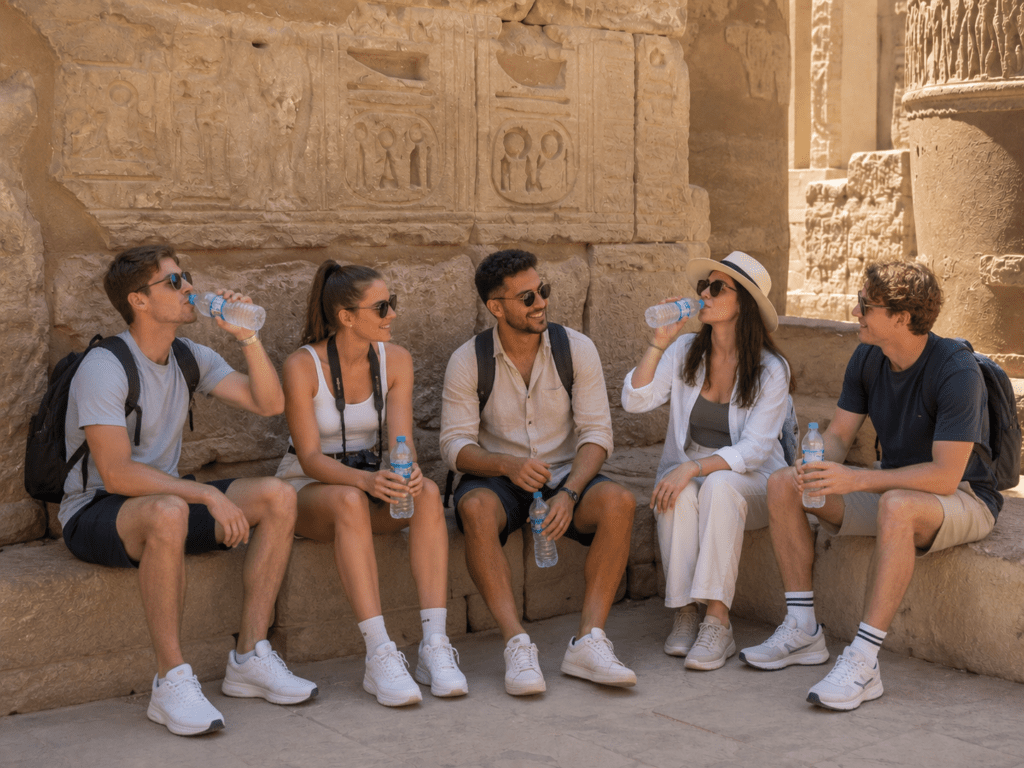
Historic sites are busiest shortly after opening because guides and drivers know the coolest hours disappear quickly. By midday, many travelers return to their hotel for lunch, relax by the pool, or visit indoor museums before heading back out during the evening.
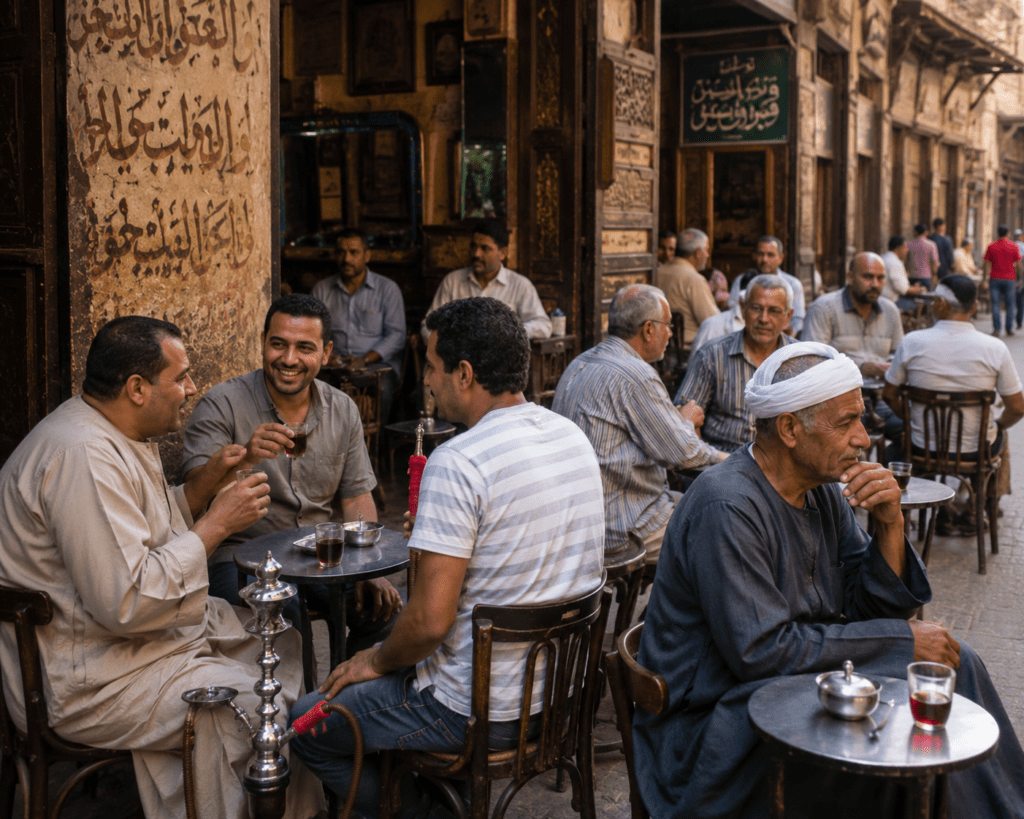
Cities come alive again after sunset. Cafés fill with families, Nile Corniche promenades become lively, and outdoor dining remains popular well into the night.
Guide’s Note: On private tours, guides often adjust the order of visits depending on the forecast. Exposed archaeological sites are usually scheduled first, while museums or indoor attractions are saved for the hottest part of the afternoon.
Which Destinations Work Best in Summer?
Not every destination is affected equally.
Cairo remains a good choice because sightseeing naturally alternates between outdoor monuments and air-conditioned museums such as the Grand Egyptian Museum.
Luxor and Aswan can still be visited successfully, but early starts are essential. Many tours begin around sunrise, allowing visitors to finish exploring major sites before the strongest heat arrives.
Hurghada, Marsa Alam, and Sharm El Sheikh are excellent summer destinations. Much of the day is spent swimming, snorkeling, diving, or relaxing beside the sea, making the higher temperatures far less noticeable.
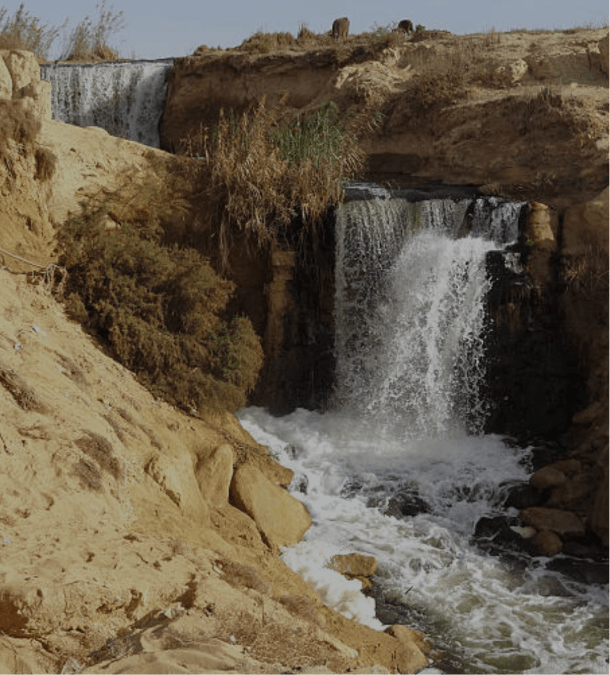
Fayoum also works well as a summer extension, particularly for travelers interested in Wadi El Rayan, the Valley of the Whales, or the area’s lakes. Activities are best planned for the morning, with shaded cafés and lakeside resorts providing comfortable places to relax during the afternoon.
What About Visiting the Pyramids?
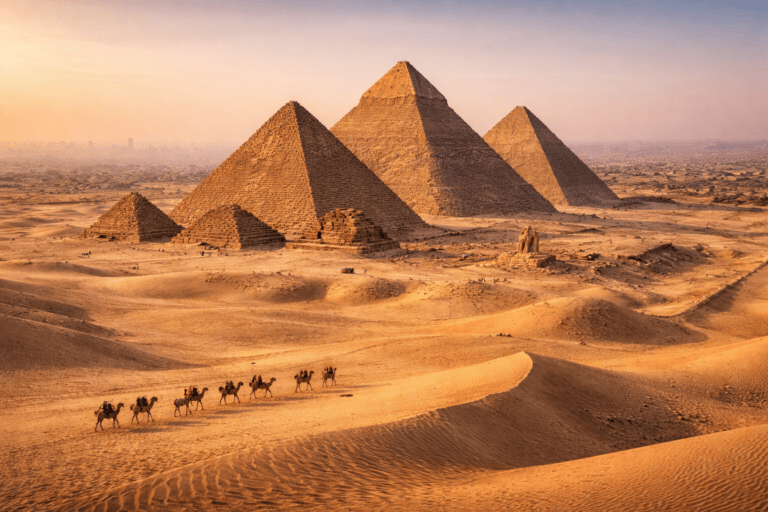
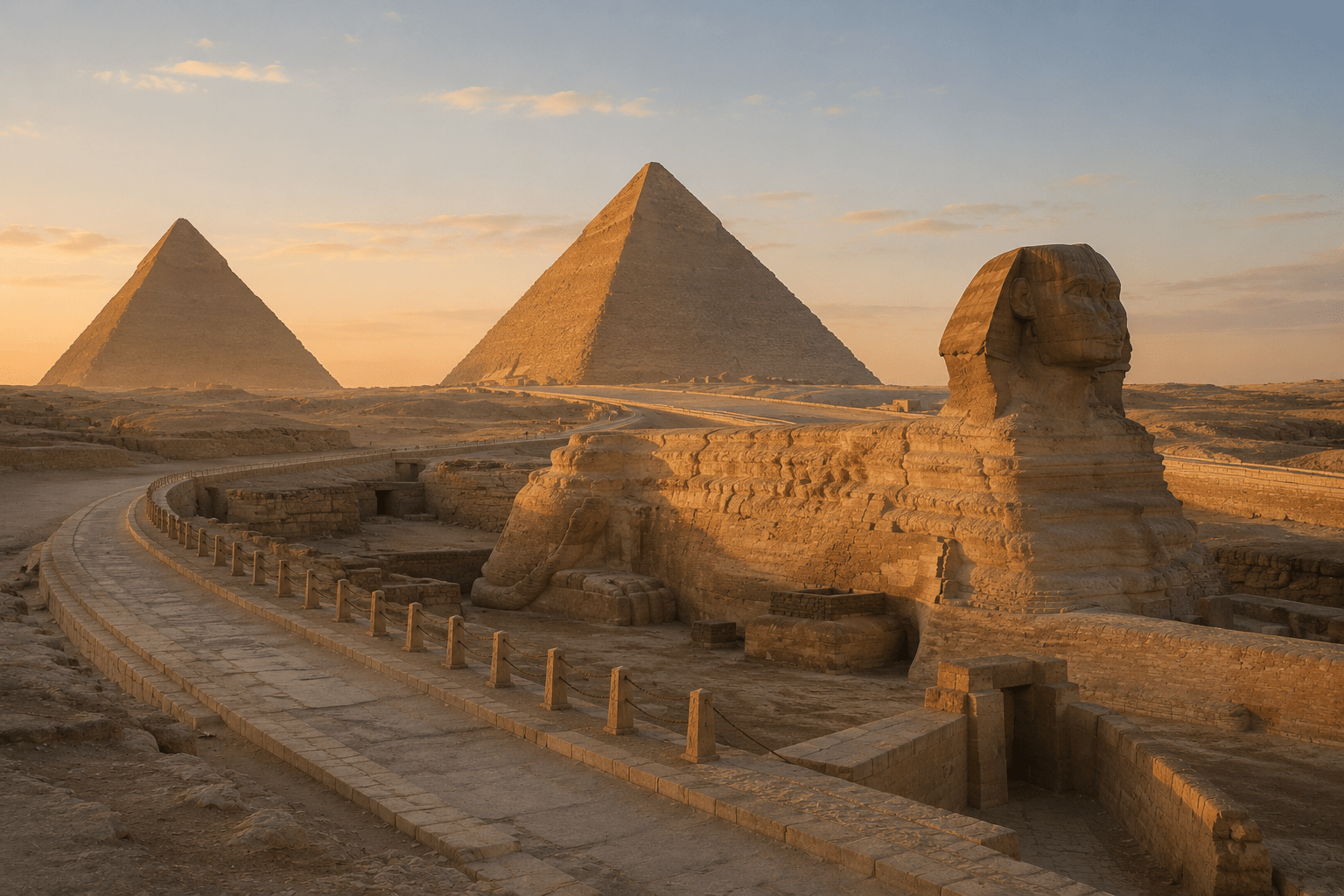
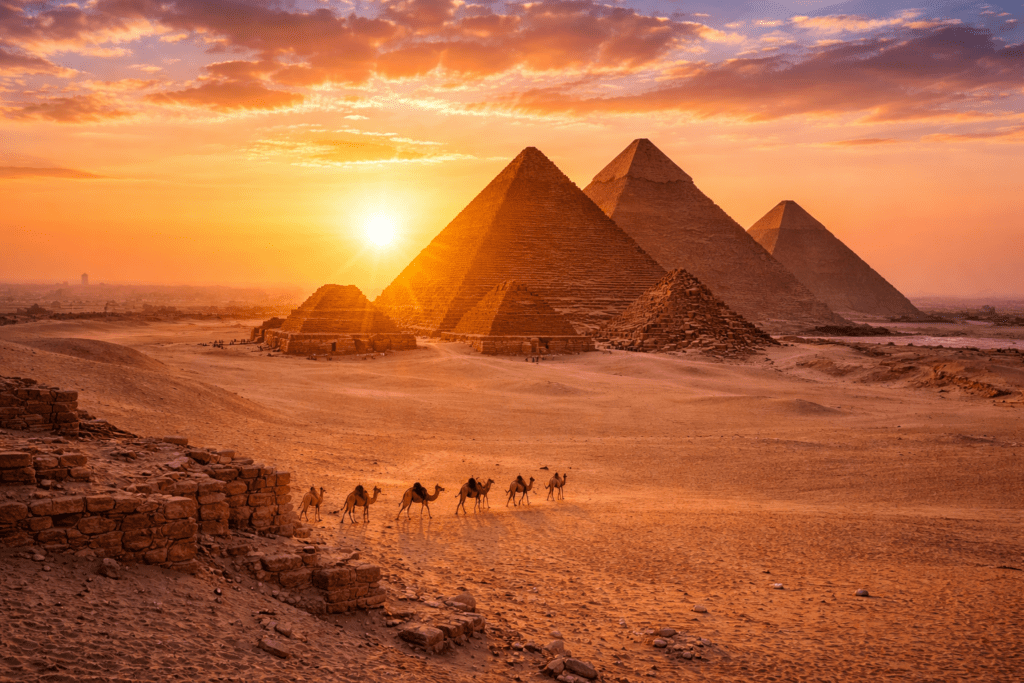
The Pyramids are entirely exposed to the sun, making them one of the hottest places to visit during summer afternoons.
Fortunately, this is easy to avoid.
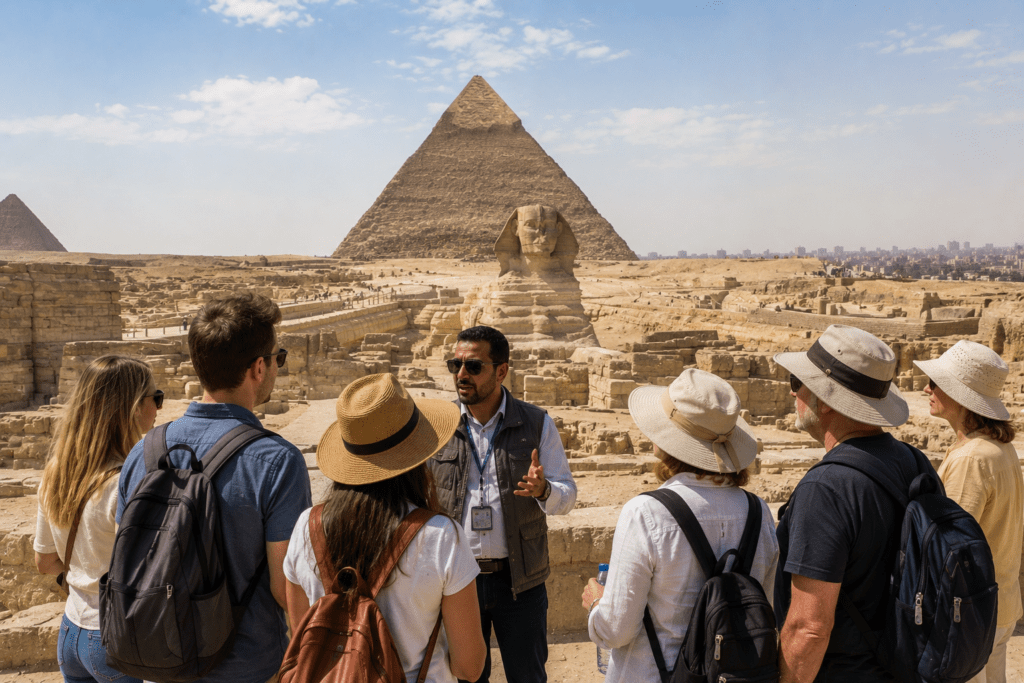
Arriving when the Giza Plateau opens allows you to enjoy cooler temperatures, better photography, and noticeably smaller crowds. By late morning, most guided tours have already completed the main archaeological areas.
Many travelers then continue directly to the Grand Egyptian Museum, where air-conditioned galleries provide a welcome contrast before returning to their hotel.
Can You Take a Nile Cruise in Summer?
Absolutely.
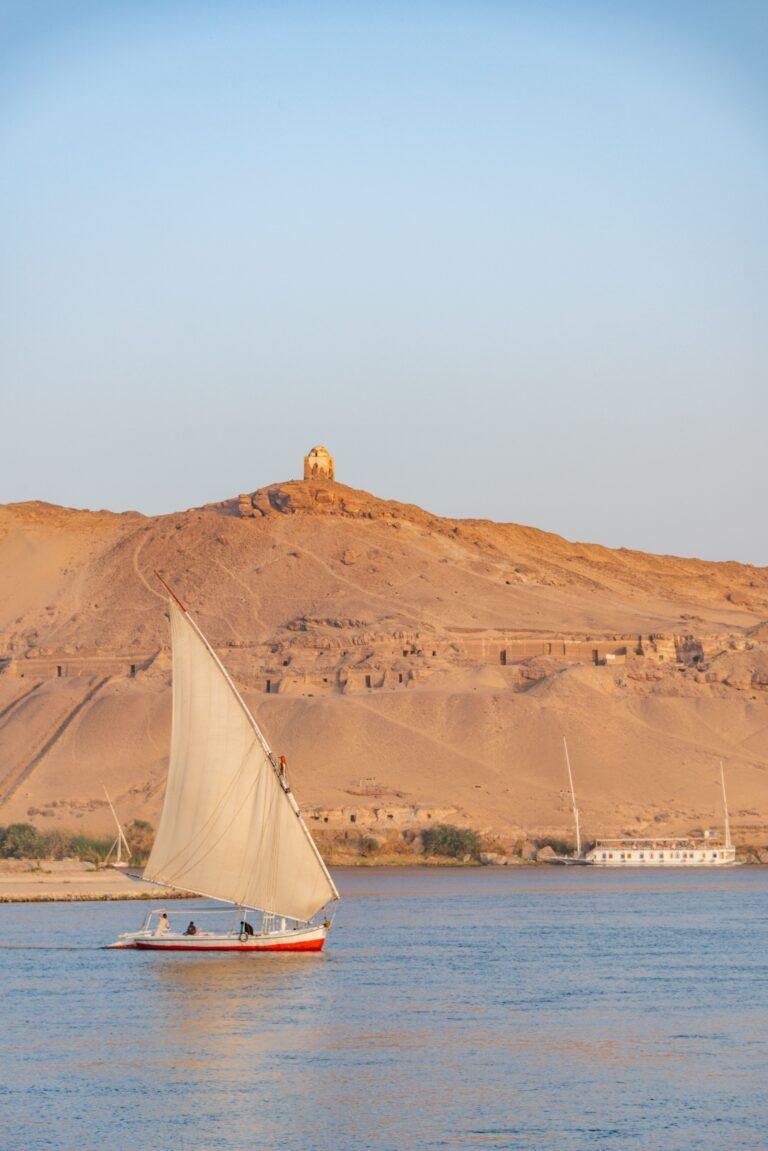
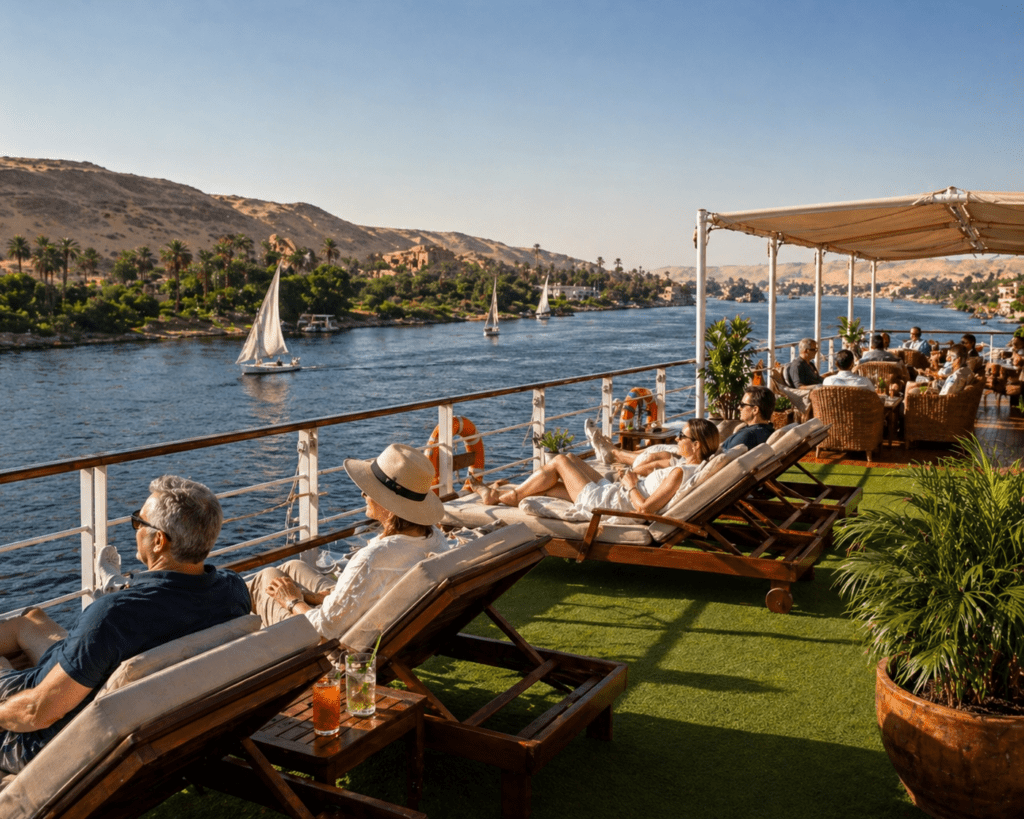
Modern Nile cruise ships are fully air-conditioned, with comfortable cabins, shaded sun decks, swimming pools, restaurants, and lounges.
Most sightseeing takes place early in the morning before returning to the ship during the hottest part of the day. Afternoon sailing offers opportunities to relax while watching villages, palm groves, and desert landscapes drift past.
For many visitors, the cruise becomes one of the most comfortable parts of a summer itinerary.
What Should You Pack?
Lightweight, breathable clothing makes a noticeable difference.
Natural fabrics such as cotton or linen help keep you cool while remaining appropriate for visiting religious and historical sites. A wide-brimmed hat, sunglasses, sunscreen, and a reusable water bottle quickly become daily essentials.
Comfortable walking shoes are equally important, as many archaeological sites involve uneven stone paths and very little shade.
Is Summer Good for Budget Travelers?
Yes.
Summer is considered the low season for much of Egypt’s cultural tourism, which often means lower hotel prices, greater room availability, and attractive package offers.
Luxury hotels that can be difficult to book during winter frequently become much more affordable between June and August.
Flights may also be less expensive outside of major holiday periods, making summer one of the best seasons for travelers looking to maximize value.
Who Should Avoid Summer?
Summer may not be the ideal choice for everyone.
Travelers who are particularly sensitive to heat, have certain medical conditions affected by high temperatures, or hope to spend full days continuously exploring outdoor archaeological sites may enjoy Egypt more between October and April.
Families with young children can still travel successfully during summer, but shorter sightseeing sessions combined with hotel pool time usually produce a much more enjoyable trip than trying to visit multiple monuments in one day.
FAQ
Is July too hot for Egypt?
July is one of Egypt’s hottest months, particularly in Luxor and Aswan. With early morning sightseeing, regular breaks, and well-planned transportation, many travelers still have an excellent experience.
Is August hotter than June?
Generally, yes. August often brings the year’s highest temperatures, although June can still be extremely hot, especially in Upper Egypt.
Is Cairo manageable in summer?
Yes. Cairo combines outdoor attractions with excellent museums, shopping districts, restaurants, and hotels, making it easier to balance sightseeing with time indoors.
Are Nile cruises comfortable in summer?
Very much so. Modern cruise ships are fully air-conditioned, and sightseeing schedules are designed around the cooler parts of the day.
Does everything stay open during summer?
Yes. Egypt’s major archaeological sites, museums, temples, and tourist facilities remain open throughout the summer season.
Many travelers assume summer automatically makes Egypt an uncomfortable destination, when in reality success depends far more on planning than on the temperature itself. By choosing the right pace, starting sightseeing early, and balancing cultural visits with relaxing experiences, summer can offer quieter monuments, better value, and a more personal experience of Egypt.
If you’d like an itinerary designed specifically for summer conditions, Explore ENA creates private journeys that schedule sightseeing around the coolest hours of the day, balance outdoor exploration with comfortable downtime, and recommend destinations that work best during the warmer months—helping you enjoy Egypt instead of simply enduring the heat.