Best Time to Visit Egypt (2026 Guide by Season, Weather & Travel Style)
Egypt is not one single climate — it’s a journey through shifting landscapes, ancient cities, and timeless seasons.
For over 5,000 years, travelers have followed the rhythm of the Nile, the desert winds, and the rising sun to decide when to explore this land.
Today, the question remains the same:
When is the best time to visit Egypt?
The answer depends on where you go, what you want to experience, and how you like to travel.
If you’re still deciding how to organize your itinerary, start with our guide on how to plan a trip to Egypt.
Egypt Travel Seasons at a Glance
Egypt’s tourism year is typically divided into three main travel seasons: peak season, shoulder season, and low season. Each one offers a different mix of weather, crowd levels, and pricing, which can have a major impact on the overall travel experience.
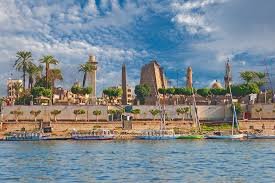
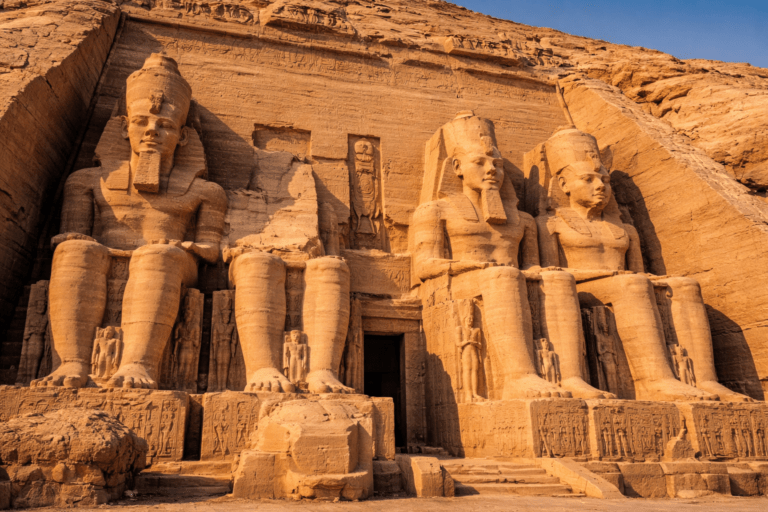
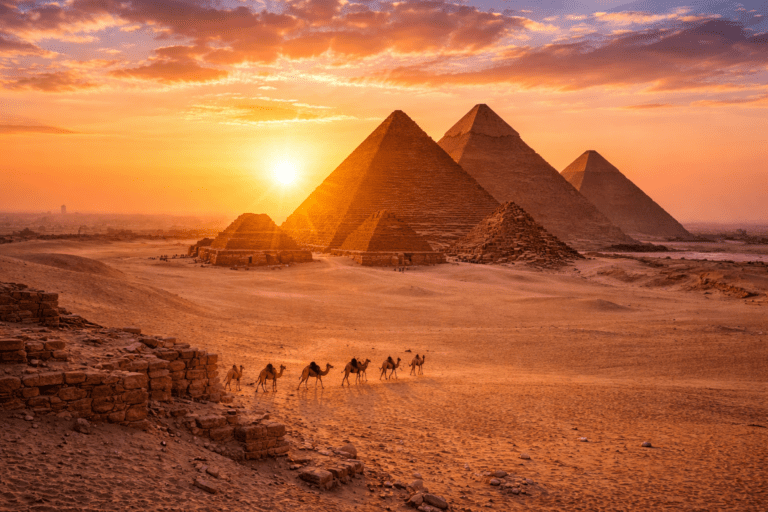
Because Egypt is a largely desert country, the biggest seasonal difference is not rainfall but temperature. This matters because many of the country’s most famous attractions — including the Pyramids of Giza, Luxor Temple, Karnak Temple, the Valley of the Kings, and Abu Simbel — are open-air sites where travelers spend long hours walking in the sun. As a result, the season you choose can shape everything from how comfortable sightseeing feels to how much you pay for hotels and tours.
| Season | Months | Weather | Crowds | Prices |
|---|---|---|---|---|
| Peak Season | October – April | Mild and comfortable | High | Highest |
| Shoulder Season | May & September | Warm to hot | Moderate | Moderate |
| Low Season | June – August | Very hot | Low | Lowest |
Peak Season (October to April)
This is the most popular time to visit Egypt and, for many travelers, the most enjoyable. Temperatures are mild enough to comfortably explore archaeological sites, walk through historic districts, and take Nile cruises between Luxor and Aswan without the extreme summer heat.
Peak season is especially ideal for:
- Visiting the Pyramids of Giza
- Exploring Luxor and the Valley of the Kings
- Taking a Nile cruise
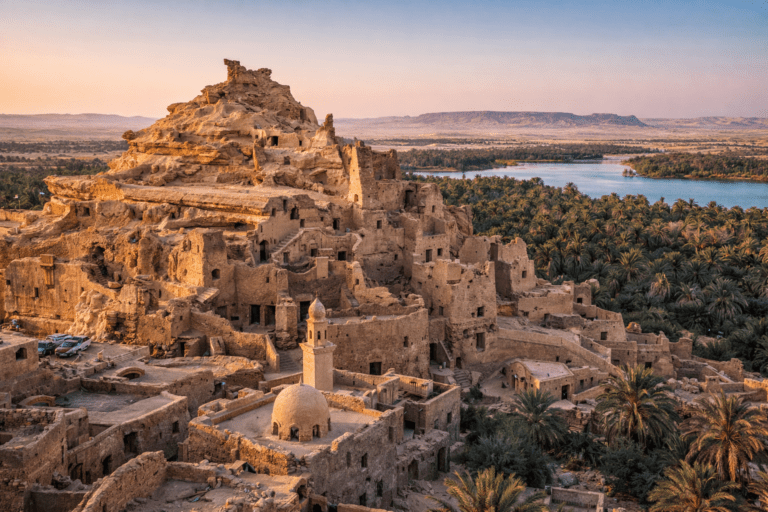
- Enjoying desert trips in Fayoum, Bahariya, the White Desert, or Siwa
- Combining historical sightseeing with time at the Red Sea
Because the weather is at its best, this is also the busiest and most expensive time of year. Hotels, cruises, and guided tours often book up quickly, especially around Christmas, New Year, and winter holiday periods.
Shoulder Season (May and September)
The shoulder season offers a useful middle ground for travelers who want a balance between weather, crowds, and pricing. Temperatures are warmer than in winter, but these months can still work well for travelers who plan sightseeing early in the morning and rest during the hottest part of the day.
Many visitors like May and September because they often offer:
- Fewer crowds at major attractions
- Better hotel availability
- More moderate pricing
- A quieter atmosphere than the winter high season
These months can be especially appealing for travelers who want to visit Egypt without paying peak-season prices, while still avoiding the harshest summer conditions.
Low Season (June to August)
The low season is defined by intense summer heat, particularly in Upper Egypt, where cities such as Luxor and Aswan regularly exceed 40°C (104°F). This makes midday sightseeing much more difficult, especially at large archaeological sites with little shade.
However, low season also comes with important advantages. It is typically the cheapest time to visit Egypt, and travelers can often find:
- Discounted hotel rates
- Lower Nile cruise prices
- Cheaper tours and packages
- Much lighter crowds at famous sites
For travelers who do not mind the heat, summer can still work well with the right strategy. Many choose to focus more on Red Sea destinations like Hurghada and Sharm El Sheikh, where sea breezes make the climate feel more comfortable, while scheduling historical sightseeing for early morning hours.
In practical terms, the best season depends on your priorities. Travelers focused on comfort and classic sightseeing usually prefer peak season, those seeking balance and value often choose shoulder season, and visitors focused on budget and fewer crowds may find the low season worthwhile.th lower hotel rates, more tour availability, and fewer tourists at major attractions.
Best Time to Visit Egypt for Weather
For most travelers, the best time to visit Egypt for weather is between October and April, when temperatures are significantly more comfortable for sightseeing and outdoor exploration. During these months, the intense summer heat fades, making it easier to spend long days visiting Egypt’s iconic landmarks and moving between destinations.
Typical daytime temperatures during this period include:
- Cairo: around 18–26°C (64–79°F)
- Luxor and Aswan: around 20–30°C (68–86°F)
- Red Sea coast: warm, sunny weather with excellent conditions for swimming and snorkeling
This season is especially ideal for exploring Egypt’s open-air archaeological sites, where visitors often walk for extended periods under the sun. Locations such as the Pyramids of Giza, Karnak Temple, Luxor Temple, the Valley of the Kings, and Abu Simbel are far more enjoyable when temperatures are moderate.
Another advantage is Egypt’s dry desert climate. Even when daytime temperatures rise, the low humidity means the heat typically feels more manageable compared to humid destinations. Cooler mornings and evenings also make it easier to plan full sightseeing days without exhaustion.
These months are also considered the best time for a Nile cruise between Luxor and Aswan, as travelers can comfortably visit temples during the day and relax on deck in pleasant conditions.
However, there is a trade-off. Because the weather is at its best, this period is also Egypt’s peak tourism season. Travelers can expect:
- Larger crowds at major attractions
- Higher prices for hotels and Nile cruises
- Increased demand for guides and tours
For this reason, it’s recommended to book accommodations and key experiences in advance, especially if traveling between December and February or during holiday periods.
Despite the crowds, most travelers find that the comfortable weather during these months makes it the ideal time to experience Egypt’s historical sites, landscapes, and cultural highlights at their best season, so prices are higher and attractions are busier.
Visiting Egypt in Winter (December – February)
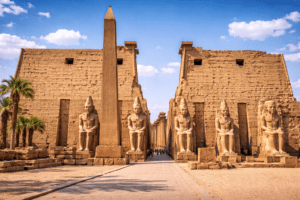
Winter is widely considered one of the best times to visit Egypt, especially for travelers who want comfortable conditions for sightseeing. Daytime temperatures are mild and pleasant, making it much easier to explore major landmarks without the intense summer heat.
Typical winter temperatures range from 15–22°C (59–72°F) in Cairo and 18–25°C (64–77°F) in Luxor and Aswan, while the Red Sea remains sunny and warm enough for swimming.
This is one of the best seasons for experiencing Egypt’s highlights — from walking around the Pyramids of Giza to exploring the temples of Luxor and the Valley of the Kings, taking a Nile cruise, or enjoying desert trips in places like Fayoum, Siwa and the White Desert.
However, because the weather is so favorable, winter is also Egypt’s busiest tourism season. Visitor numbers increase significantly during Christmas, New Year, and European holiday periods. As a result, hotels, cruises, and guided tours are often in high demand.
Travelers visiting during winter should book in advance and be prepared for cooler evenings, especially in desert areas where temperatures can drop after sunset.
Visiting Egypt in Spring (March – May)
Spring is one of the most well-balanced times to visit Egypt, offering a strong combination of pleasant weather and slightly fewer crowds than winter. Temperatures begin to rise, but much of the season — particularly March and early April — remains comfortable for sightseeing.
Daytime temperatures typically reach 22–30°C (72–86°F) in Cairo and 28–36°C (82–97°F) in Luxor and Aswan, while the Red Sea stays warm and ideal for beach activities.
This season is especially appealing for travelers who want good weather without peak-season crowds. The Nile Valley also appears more vibrant during spring, with greener landscapes and scenic river views. It’s a great time for combining cultural visits with outdoor experiences such as desert excursions, sandboarding, and nature trips.
One thing to be aware of is the khamsin winds, which can occasionally bring short periods of dust and sandstorms. These are usually brief and rarely affect travel plans for long.
Overall, spring offers excellent value, combining comfortable conditions, fewer crowds, and a relaxed travel atmosphere.

Visiting Egypt in Summer (June – August)
Summer is Egypt’s low tourism season, mainly due to the intense heat — particularly in southern destinations like Luxor and Aswan, where temperatures often exceed 40°C (104°F).
In Cairo, temperatures typically reach 35–38°C (95–100°F), while the Red Sea coast remains slightly more comfortable thanks to cooling sea breezes.
Although the heat can make midday sightseeing difficult, summer does offer clear advantages. It is the cheapest time to visit Egypt, with lower hotel rates, discounted tours, and easier availability for Nile cruises. Major attractions are also much less crowded, allowing for a quieter experience.
Traveling in summer works best with smart planning. Most visitors explore early in the morning, rest during the hottest part of the day, and spend more time in coastal destinations such as Hurghada, Sharm El Sheikh, or Marsa Alam, where beach resorts and water activities help balance the heat.
For budget-conscious travelers, summer can offer excellent value — especially when combining sightseeing with time at the Red Sea.

Visiting Egypt in Autumn (September – November)
Autumn is often considered one of the best overall times to visit Egypt, offering a smooth transition from the summer heat into more comfortable conditions. Temperatures begin to drop, particularly from October onward, making sightseeing much more enjoyable.
In September, conditions can still feel warm, especially in Upper Egypt, but by October and November, temperatures become far more manageable. Cairo averages 25–30°C (77–86°F) early in the season and cools further by November, while Luxor and Aswan gradually move into a more comfortable range.
This period is especially attractive because it combines pleasant weather with more moderate crowd levels compared to winter. It is an excellent time for exploring archaeological sites, taking a Nile cruise, and enjoying desert experiences such as sandboarding and camping.
October and November stand out in particular. Many experienced travelers consider them among the best months to visit Egypt, thanks to their balance of comfortable temperatures, strong sightseeing conditions, and a more relaxed atmosphere before the winter peak begins.times to visit Egypt because they combine pleasant temperatures with a more relaxed atmosphere.
Best Months to Visit Egypt
While Egypt is a year-round destination, a few months stand out as especially appealing depending on your priorities. The ideal timing often comes down to finding the right balance between weather, crowd levels, and travel prices.
October and November
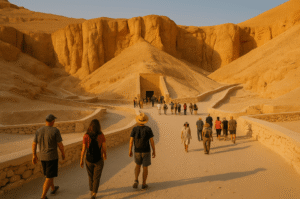
October and November are widely considered two of the best months to visit Egypt. The extreme summer heat has faded, leaving warm but comfortable temperatures that are ideal for exploring outdoor sites.
During this time, travelers can enjoy major attractions such as the Pyramids of Giza, Luxor temples, and the Valley of the Kings without the intense crowds that arrive later in the winter holiday season. These months are also excellent for Nile cruises and desert experiences, making them a top choice for well-rounded itineraries.
December and January
December and January offer some of the best weather conditions of the year, with mild daytime temperatures perfect for sightseeing. This makes them especially popular among international travelers escaping colder climates.
However, this is also peak tourism season, particularly around Christmas and New Year. Popular destinations can feel crowded, and hotels and Nile cruises are often booked well in advance. Prices are typically at their highest during this period.
February and March
February and March are often considered the sweet spot for visiting Egypt. The weather remains comfortable, similar to winter, but crowds begin to ease slightly after the holiday rush.
These months offer an excellent balance of pleasant temperatures, good availability, and a more relaxed atmosphere at major sites. For many travelers, especially those visiting for the first time, this period provides one of the best overall travel experiences in Egypt.
Egypt Weather by Month
Many travelers search for Egypt weather by month before choosing travel dates. Because Egypt has a dry desert climate, rainfall is minimal, but temperatures vary significantly between winter and summer — and even more between northern cities like Cairo and southern destinations such as Luxor and Aswan.
The table below gives a clear monthly overview to help you understand when to visit Egypt based on weather conditions, crowds, and travel experience.
| Month | Cairo Temp | Luxor Temp | Travel Notes |
|---|---|---|---|
| January | 19°C / 66°F | 23°C / 73°F | Excellent weather for pyramids and temples |
| February | 20°C / 68°F | 25°C / 77°F | Ideal for Nile cruises and Abu Simbel |
| March | 23°C / 73°F | 29°C / 84°F | Pleasant spring weather |
| April | 27°C / 81°F | 35°C / 95°F | Popular month with warming temperatures |
| May | 31°C / 88°F | 40°C / 104°F | Shoulder season with rising heat |
| June | 34°C / 93°F | 42°C / 108°F | Beginning of true summer heat |
| July | 35°C / 95°F | 43°C / 109°F | Very hot, but lower prices |
| August | 35°C / 95°F | 43°C / 109°F | Lowest prices, light crowds |
| September | 32°C / 90°F | 40°C / 104°F | Cooling begins slowly |
| October | 29°C / 84°F | 35°C / 95°F | One of the best months to visit |
| November | 25°C / 77°F | 30°C / 86°F | Excellent sightseeing conditions |
| December | 21°C / 70°F | 25°C / 77°F | Comfortable and popular holiday season |
While this monthly breakdown provides a useful overview, the best time to visit Egypt for most travelers is typically between October and April, when temperatures are more comfortable for sightseeing.
If you’re planning to explore major open-air sites such as the Pyramids of Giza, Karnak Temple, or the Valley of the Kings, visiting during these cooler months can make a significant difference in how enjoyable your experience feels.
Travelers visiting during summer months should plan carefully around the heat, focusing on early morning sightseeing or spending more time in coastal destinations like Hurghada or Sharm El Sheikh, where sea breezes make the climate more comfortable.
Best Time to Visit Egypt by Destination
Cairo & the Pyramids — October to April
Since the time of the Pharaohs, Cairo has stood at the crossroads of history and desert.
The best time to visit is October to April, when cooler temperatures make walking through the Pyramids of Giza, the Grand Egyptian Museum, and Khan el-Khalili far more comfortable.
Summer heat can be intense, especially around open archaeological sites, making winter and early spring ideal for long exploration days.
Explore Cairo tours and pyramid experiences
Luxor & Aswan — November to March
Once the heart of ancient Thebes, Luxor and Aswan reveal Egypt at its most monumental.
The ideal time to visit is November to March, when temperatures are manageable for exploring open-air sites like Karnak Temple, the Valley of the Kings, and Abu Simbel.
In summer, heat in Upper Egypt can exceed comfort levels, making sightseeing physically demanding.
Plan your Nile cruise between Luxor and Aswan
Red Sea (Hurghada, Sharm El Sheikh) — Year-Round
The Red Sea coast has long been a place of trade, travel, and discovery.
Today, it’s a year-round destination, but March to November offers the best conditions for snorkeling, diving, and beach travel, with warm water and excellent visibility.
Winter remains a great option for those seeking milder weather and fewer crowds.
Discover Red Sea beach and snorkeling trips
Desert (Fayoum, Siwa, White Desert) — October to March
Beyond the Nile, Egypt’s deserts have shaped survival and exploration for millennia.
The best time to visit is October to March, when cooler days and comfortable nights make sandboarding, safaris, and overnight camping enjoyable.
Summer conditions are extreme and not recommended for most travelers.
Explore desert safari experiences

Best Time to Visit Egypt for Different Travelers
For Families
October to April offers cooler weather, making it easier for children to explore outdoor sites without fatigue.
For Budget Travelers
The cheapest time is June through August, when demand drops and prices on hotels, cruises, and tours fall significantly.
For Photographers
October and November provide some of the best lighting conditions, with soft golden light and clear skies across Egypt’s landscapes.
For Desert Experiences
Stick to October through March for comfort and safety.
Festivals and Events in Egypt
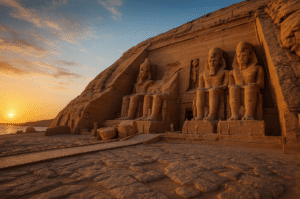
Abu Simbel Sun Festival (February & October)
A phenomenon aligned since the reign of Ramses II (c. 13th century BCE).
Twice a year, the rising sun illuminates the inner sanctuary of Abu Simbel — a precise alignment that continues to amaze historians and travelers alike.
Thousands gather before sunrise to witness this moment, often accompanied by Nubian music and celebrations.
Ramadan (Dates Shift Annually)
A deeply cultural experience where Egypt transforms after sunset.
While daytime is quieter, nights come alive with lanterns, street food, and gatherings, offering a unique look into modern Egyptian life.
Sham El Nessim (Ancient Spring Festival)
Celebrated since ancient Egypt, marking the arrival of spring.
Families gather outdoors, sharing traditional foods like colored eggs and salted fish (feseekh) — a living continuation of ancient traditions.
Cheapest Time to Visit Egypt
The cheapest time to visit Egypt is typically between June and August, during the summer low season. As temperatures rise, travel demand drops — and hotels, Nile cruises, and tour operators often lower their prices significantly.
For travelers focused on value, this period can offer noticeable savings across the entire trip.
During summer, it’s common to find discounted hotel rates, lower Nile cruise prices, and more flexible availability for tours and last-minute bookings.
While the heat can be intense—especially in Luxor and Aswan—many travelers adjust by starting sightseeing early in the morning and relaxing during the hottest part of the day.
Summer is also a great time to combine cultural sightseeing with time at the Red Sea, where destinations like Hurghada and Sharm El Sheikh benefit from cooling sea breezes and resort-style experiences.
For those looking for a balance between price and comfort, May and September can be excellent alternatives. These shoulder-season months often offer lower prices than peak winter travel, while still maintaining more manageable temperatures. months, since they sit between peak and low season.
Best Time to Visit Egypt for Smaller Crowds
If your priority is avoiding large tourist crowds, the best time to visit Egypt is during the shoulder seasons, particularly May, September, and early October.
During these months, visitor numbers are noticeably lower than the peak winter season, allowing for a more relaxed experience at major sites like the Pyramids of Giza, Luxor temples, and the Valley of the Kings.
These periods offer a strong balance — temperatures are warmer than winter but still manageable, especially with early morning sightseeing. At the same time, hotels and tours are often less crowded, and availability is easier compared with peak travel months.
Traveling just before or after the busy holiday season can make a significant difference in how you experience Egypt, especially at popular landmarks.
How Weather Varies Across Egypt
Egypt’s climate is not the same across the country, and understanding these regional differences can help you plan a smoother itinerary.
Northern cities such as Cairo and Alexandria tend to have slightly milder winters and more moderate temperatures overall. In contrast, southern destinations like Luxor and Aswan experience much higher temperatures, especially during summer, when daytime heat can become intense.
Along the coast, Red Sea resorts such as Hurghada and Sharm El Sheikh benefit from cooling sea breezes, making them more comfortable year-round. Meanwhile, desert regions like Fayoum, Siwa and the White Desert often have extreme temperature shifts, with hot days and much cooler nights.
These differences matter when planning a multi-stop trip. An itinerary that includes Cairo, Luxor, Aswan, desert oases, and the Red Sea may require different pacing, packing, and daily schedules depending on the season.
Tips for Visiting Egypt in Any Season
No matter when you visit Egypt, a few simple strategies can significantly improve your experience—especially when exploring large, open-air archaeological sites.
Start your days early to avoid both crowds and peak heat, particularly in places like the Pyramids of Giza, Luxor, and Abu Simbel. Staying hydrated is essential, as Egypt’s dry climate can be more intense than it feels.
Lightweight, breathable clothing and comfortable walking shoes will make long sightseeing days much easier, especially when covering large temple complexes and desert areas.
It’s also important to plan downtime into your itinerary. Whether relaxing on a Nile cruise or along the Red Sea coast, balancing exploration with rest helps you enjoy the trip without fatigue.
Frequently Asked Questions
What is the absolute best month to visit Egypt?
For many travelers, November and February offer one of the best combinations of comfortable weather, strong sightseeing conditions, and manageable crowds.
Is summer too hot to visit Egypt?
Summer can be extremely hot, especially in Luxor and Aswan, but it can still work well for budget travelers, early-morning sightseeing, and Red Sea vacations.
Is winter a good time to visit Egypt?
Yes. Winter is one of the most popular times to visit because temperatures are mild and ideal for exploring Egypt’s outdoor attractions.
What is the cheapest month to visit Egypt?
The cheapest time is usually June through August, when tourism demand is lowest.
When is the best time for a Nile cruise?
The best time for a Nile cruise is generally October through April, with November through March offering the most comfortable conditions.
When is the best time to visit the Red Sea in Egypt?
The Red Sea can be enjoyed most of the year, but March through November is especially good for snorkeling, diving, and beach holidays.
What is the best time to visit Egypt for fewer crowds?
May, September, and early October are often the best months for smaller crowds without going into the most extreme summer heat.
Final Thoughts: When Is the Best Time to Visit Egypt?
The best time to visit Egypt ultimately depends on the kind of experience you’re looking for.
If your priority is comfortable sightseeing, the cooler months from October to April are ideal. For travelers focused on lower prices, summer offers the best value. And if you’re looking for a balance between weather and crowds, the shoulder seasons in spring and autumn are often the smartest choice.
What makes Egypt unique is that every season offers something different — from winter days exploring ancient temples, to autumn Nile cruises, spring desert landscapes, and summer escapes along the Red Sea.
With the right timing and a well-planned itinerary, Egypt is a destination that can be unforgettable year-round.
Planning Your Trip to Egypt?
At Explore Egyptian Nile Adventures, we design trips that align with the season, your travel style, and what you want to experience most.
Whether you’re dreaming of standing before the Pyramids of Giza, sailing on a Nile cruise between Luxor and Aswan, visiting Abu Simbel, exploring the desert in Fayoum, camping in the White Desert, or relaxing along the Red Sea, we help you plan the right timing for each part of your journey.
Explore our Egypt travel experiences and start planning your trip