Nubian Village Guide
A visit to a Nubian Village offers a very different side of Egypt from the temples, tombs, and ancient monuments that dominate most itineraries.
While sites like Philae Temple and Abu Simbel tell the story of Egypt’s ancient past, Nubian villages provide a glimpse into a living culture that continues to thrive along the Nile today. Colorful homes, traditional customs, local music, and warm hospitality create an experience that feels far more personal than many of Egypt’s archaeological attractions.
For travelers spending time in Aswan, a Nubian Village visit often becomes one of the most memorable parts of the trip because it introduces a side of Egypt that is contemporary, cultural, and deeply connected to the Nile.
Expert Insight: Travelers often arrive expecting a quick cultural stop and leave surprised by how different the atmosphere feels from the rest of Upper Egypt. A Nubian Village visit is less about sightseeing and more about experiencing everyday life along the Nile.
What Is a Nubian Village?
Nubian villages are communities inhabited by Nubian people, one of the oldest cultural groups in the Nile Valley.
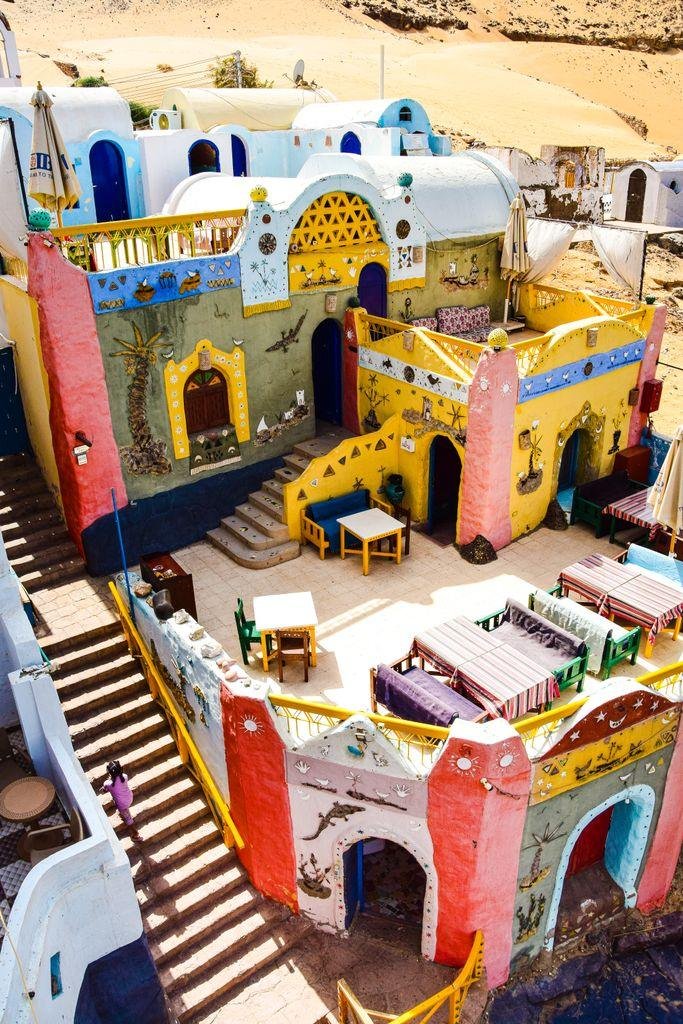
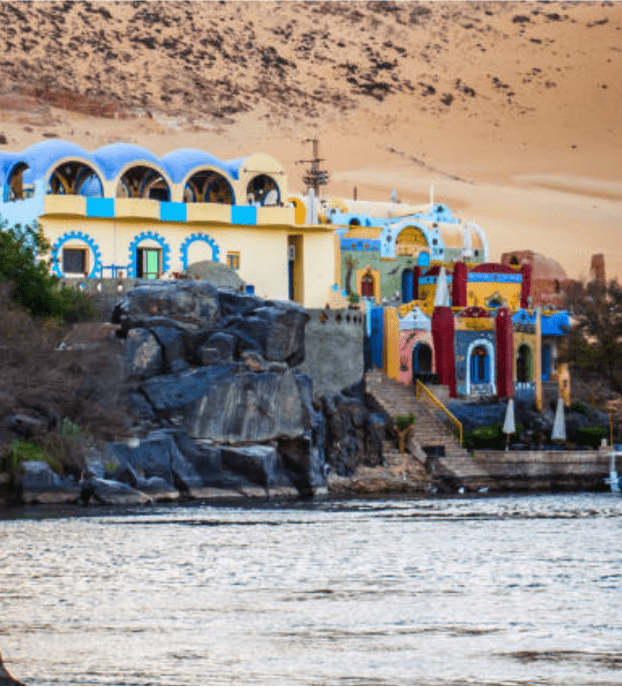
Most visitors travel to villages located near Aswan, where brightly painted homes line the riverbanks and traditional customs remain an important part of daily life. The villages are known for their vibrant architecture, distinctive language, strong community ties, and long history connected to the Nile.
Unlike museums or historical sites, these villages are active communities where families live, work, and maintain traditions that have been passed down through generations.
The experience feels very different from visiting Egypt’s temples because the focus shifts from ancient history to living culture.
History & Culture of the Nubian People
The Nubian people have lived along the Nile for thousands of years in regions that stretch across southern Egypt and northern Sudan.
Historically, Nubia was home to powerful kingdoms that traded with and sometimes rivaled ancient Egypt. Over centuries, Nubian culture developed its own language, traditions, architecture, music, and artistic identity while maintaining strong connections to the Nile.
The construction of the Aswan High Dam in the 1960s dramatically changed life for many Nubian communities. Rising waters from Lake Nasser submerged numerous traditional settlements, forcing thousands of Nubians to relocate.
Today’s villages preserve many cultural traditions despite those changes. Visitors still encounter colorful homes, local crafts, traditional foods, and customs that reflect a unique cultural heritage distinct from much of the rest of Egypt.
What to Expect During a Visit
Most Nubian Village visits begin with a boat journey along the Nile from Aswan.
The river trip is often part of the attraction itself. Travelers interested in learning more about Aswan’s broader attractions can also explore the official Aswan destination guide before visiting. Palm groves, rocky desert landscapes, small islands, and local fishing boats create a scenery that feels completely different from the busy streets of Cairo or even central Aswan.
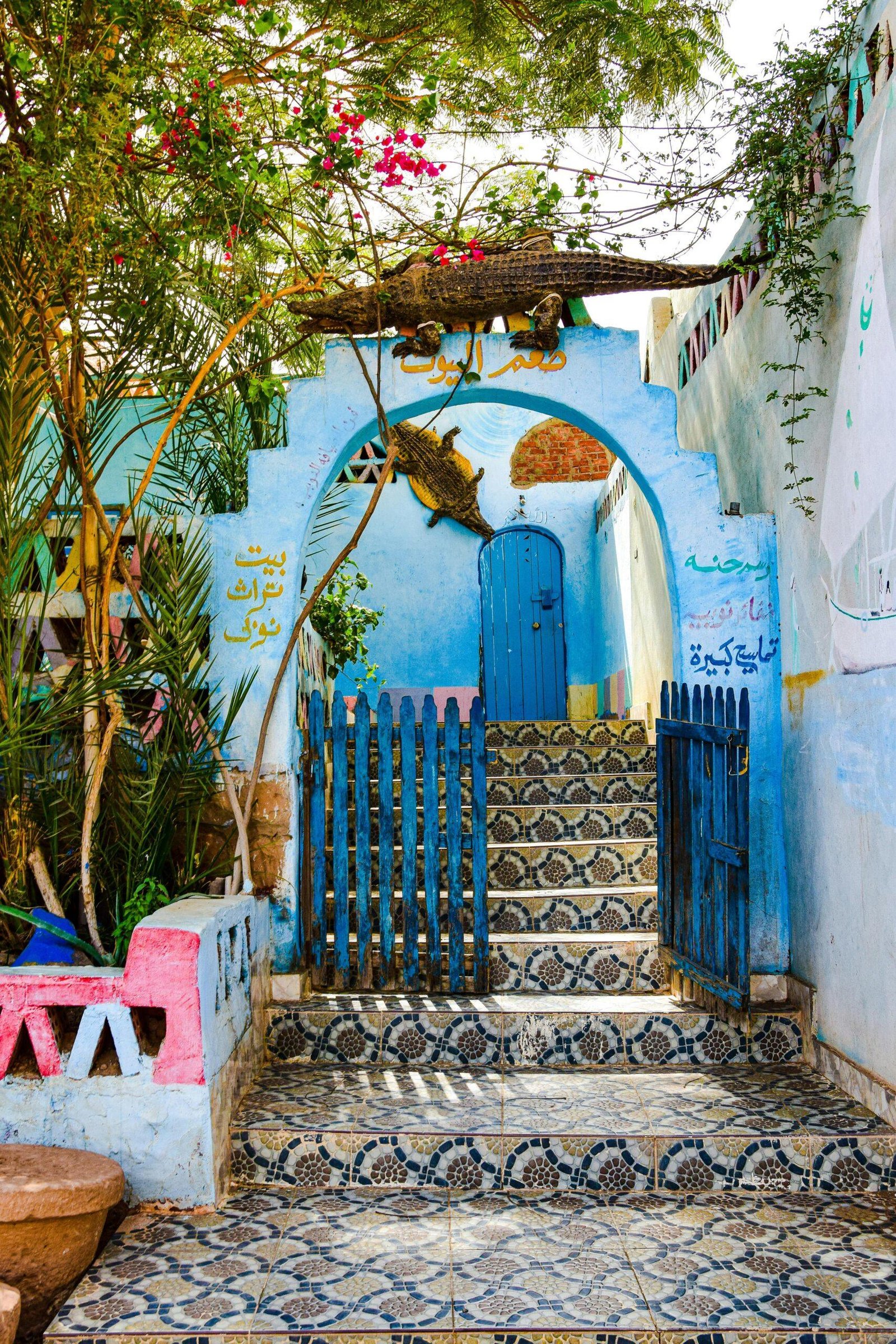
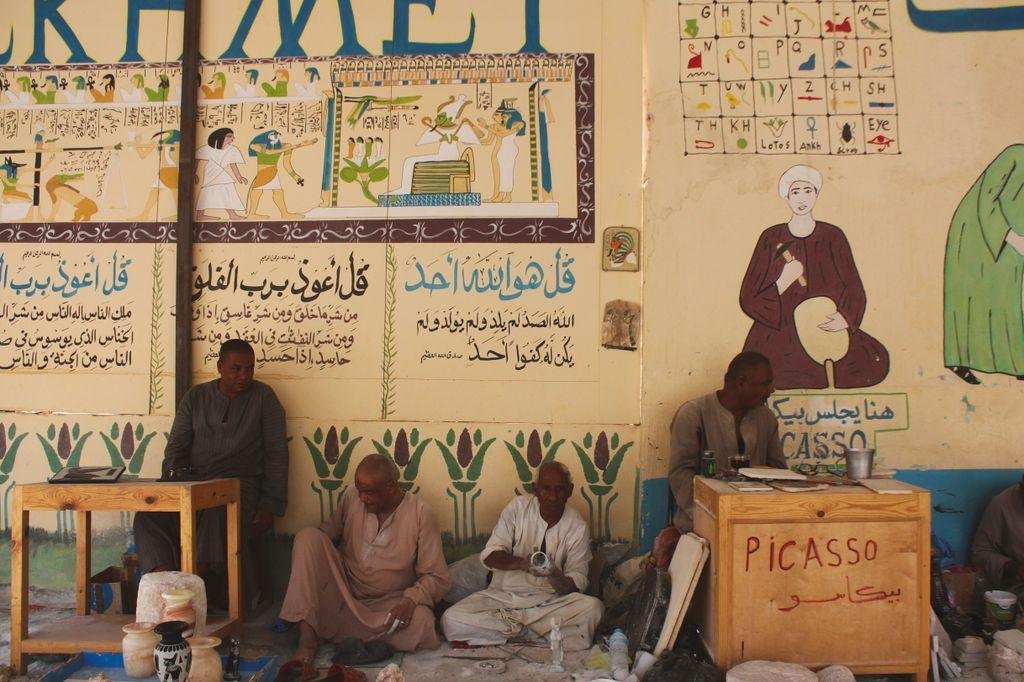
Upon arrival, visitors typically walk through narrow village streets lined with brightly painted houses decorated with geometric patterns, murals, and colorful artwork.
The atmosphere is relaxed and welcoming. Children often wave to visitors, local shops display handmade crafts, and residents continue their daily routines around the village.
Unlike major archaeological sites, the pace is slower and more conversational.
Meet Local Families
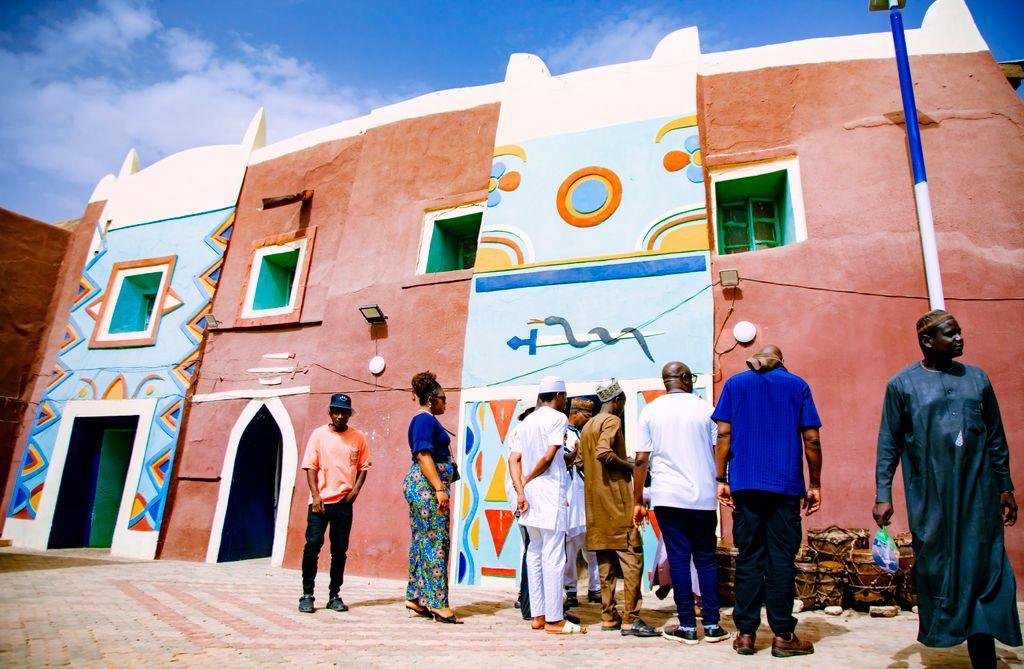
One of the most rewarding aspects of a Nubian Village visit is the opportunity to spend time with local families.
Many tours include visits to family homes where guests are welcomed with tea, conversation, and insights into everyday life in the village.
These interactions often become the highlight of the experience because they provide genuine cultural exchange rather than traditional sightseeing.
Visitors gain a better understanding of local traditions, family structures, education, work, and how modern Nubian communities maintain their cultural identity.
Henna Art
Henna has long been part of cultural celebrations throughout Egypt and Nubia.
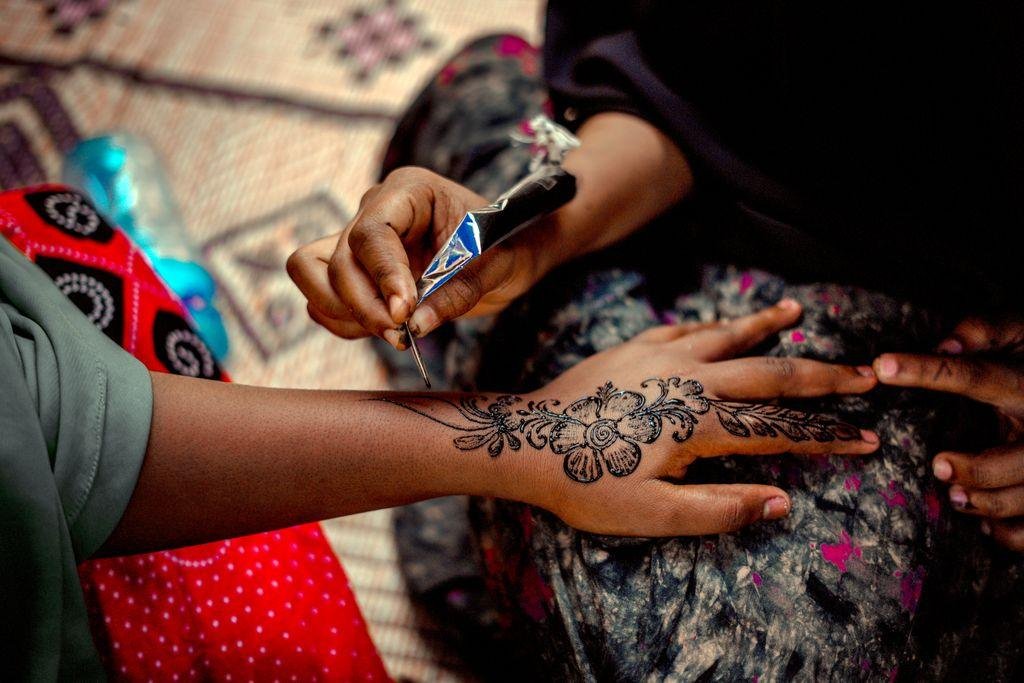
During many village visits, travelers have the opportunity to receive small henna designs created by local artists. The process is informal, artistic, and often serves as a fun cultural interaction rather than simply a souvenir purchase.
The designs vary from simple patterns to more elaborate decorative artwork depending on personal preference and available time.
For many visitors, henna becomes a memorable reminder of their time in the village.
Traditional Music
Music plays an important role in Nubian culture.
Some village visits include performances featuring traditional instruments, singing, and rhythms that reflect generations of cultural heritage. The music often feels energetic and communal, with participation and audience interaction encouraged.
These performances provide insight into a cultural tradition that remains very much alive rather than preserved solely for tourists.
Even travelers who arrive with little knowledge of Nubian culture often find the music one of the most engaging parts of the visit.
Nile Boat Ride
The journey to and from the village is often one of the most enjoyable parts of the experience.
Traveling by boat allows visitors to see a quieter side of the Nile that many travelers miss while moving between major attractions. The scenery around Aswan feels calmer than much of Egypt, with granite outcrops, islands, palm trees, and traditional feluccas appearing throughout the route.
Late afternoon departures are especially popular because the lighting becomes softer and the temperatures more comfortable.
Guide’s Note: Sunset boat rides around Aswan often provide some of the most beautiful Nile views found anywhere in Egypt.
Is It Worth Visiting?
For most travelers spending time in Aswan, the answer is yes.
A Nubian Village visit offers something that temples, tombs, and museums cannot provide. It introduces visitors to a living culture and creates opportunities for personal interaction that are often missing from traditional sightseeing.
Travelers interested primarily in archaeology may still prefer sites like Philae Temple or Abu Simbel. However, visitors looking for a broader understanding of Egypt usually find the cultural experience extremely rewarding.
The visit works especially well as a contrast to temple-heavy days because it offers a completely different perspective on life along the Nile.
Tips for Respectful Tourism
Nubian villages are living communities rather than purpose-built tourist attractions.
Respectful behavior helps ensure that visits remain positive for both travelers and local residents. Asking permission before photographing individuals, supporting local businesses thoughtfully, and approaching cultural interactions with curiosity rather than assumptions all contribute to a more meaningful experience.
Visitors who arrive interested in learning rather than simply observing usually leave with the strongest memories of the experience.
The goal is not simply to see a village but to better understand the people who call it home.
Nubian Village FAQ
How long does a Nubian Village visit take?
Most visits last between two and four hours depending on transportation, cultural activities, and whether the excursion includes a Nile boat ride.
Are Nubian Villages authentic or touristy?
The villages visited near Aswan are real communities where people live year-round. Tourism is an important source of income, but the villages themselves are not recreated attractions.
Is a Nubian Village visit suitable for children?
Many families find Nubian Village visits enjoyable because the relaxed atmosphere, boat ride, colorful houses, and cultural activities often appeal to children.
What should I wear when visiting a Nubian Village?
Comfortable, modest clothing is appropriate. Lightweight fabrics work best, particularly during warmer months in Aswan.
Can you visit a Nubian Village independently?
Independent visits are possible, but many travelers find guided visits more rewarding because they provide cultural context and facilitate interactions with local families.
Many travelers spend their entire time in Aswan moving between temples, monuments, and archaeological sites, then leave feeling like they only experienced one side of Upper Egypt. Explore Egyptian Nile Adventures incorporates cultural experiences alongside historical attractions so travelers gain a deeper understanding of the people, traditions, and communities that continue to shape life along the Nile today. Before finalizing your Aswan itinerary, compare options that balance Egypt’s ancient history with the living cultures that make the region truly unique.