Wadi El Rayan Guide
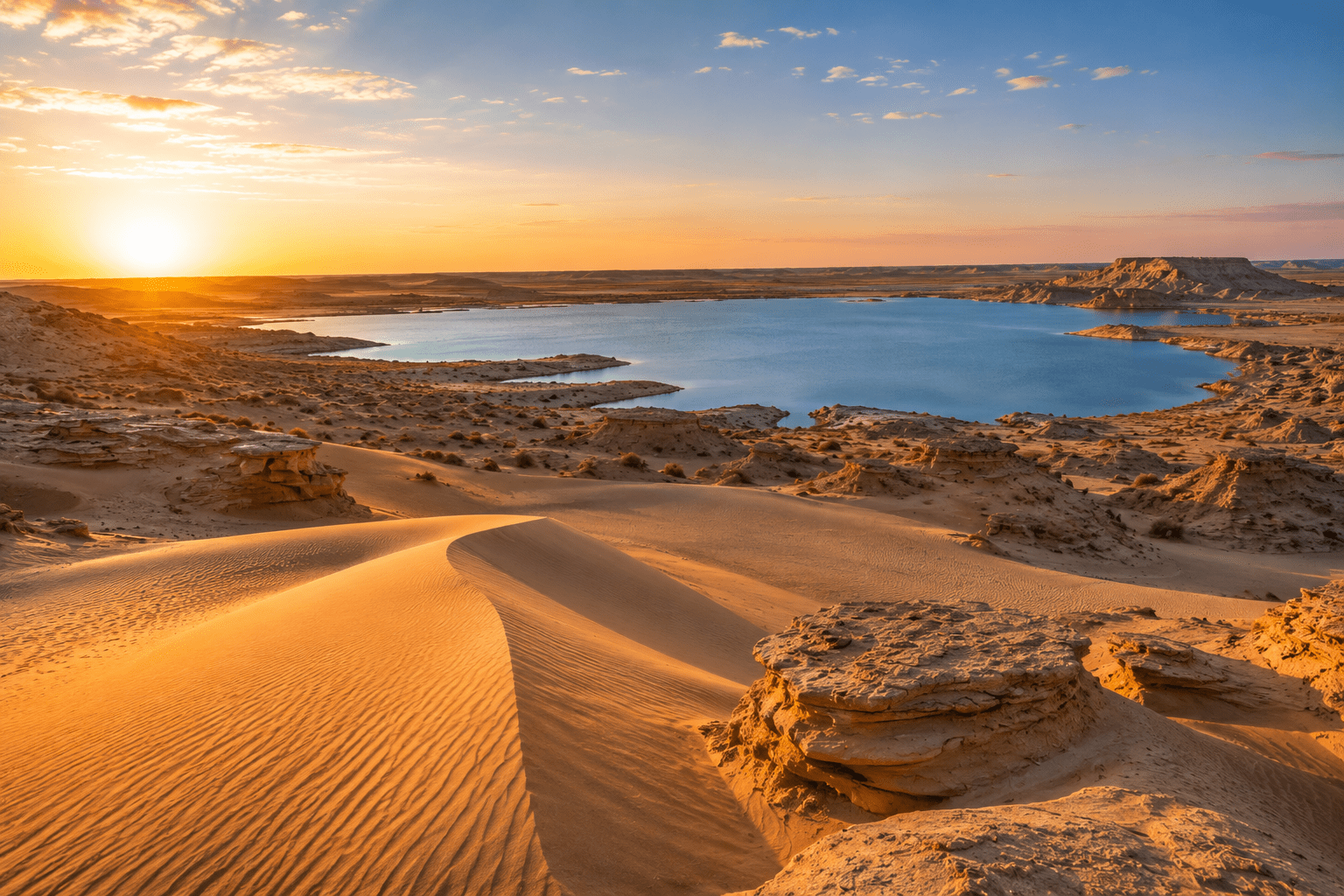
Wadi El Rayan is one of Egypt’s most surprising natural destinations. Located within the Fayoum Depression just a few hours from Cairo, it combines waterfalls, vast freshwater lakes, golden sand dunes, dramatic desert escarpments, and protected wildlife into one of the country’s most diverse landscapes.
While many travelers associate Egypt with ancient monuments, Wadi El Rayan offers something completely different. Here, the highlight is not a temple or pyramid but an ever-changing landscape where desert meets water. Visitors can watch waterfalls flowing between lakes, drive through rolling dunes, enjoy panoramic viewpoints, and experience a quieter side of Egypt that many international tourists never discover.
If you’re planning a trip to Fayoum, our Fayoum Travel Guide explains how Wadi El Rayan fits into the region’s best day trips and overnight itineraries.
Expert Insight: Wadi El Rayan is far larger than many visitors expect. The waterfalls are only one part of the protected area, and the best experiences come from combining several attractions into a full day rather than making a quick stop before returning to Cairo.
What Is Wadi El Rayan?
Designated as a protected area in 1989, Wadi El Rayan covers a vast landscape of desert, lakes, wetlands, dunes, and geological formations in Fayoum Governorate.
The reserve was created after agricultural drainage water was diverted into two natural desert basins, forming the Upper and Lower Lakes that exist today. Over time, these lakes created a unique ecosystem supporting birds, fish, desert wildlife, and the country’s only permanent waterfalls.
Today, Wadi El Rayan is protected not only for its scenery but also for its ecological importance, making it one of Egypt’s most significant nature reserves.
Location & How to Get There
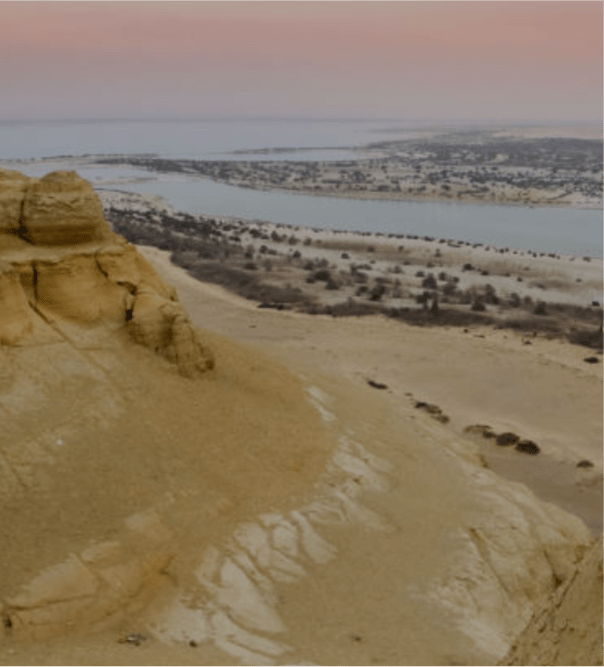
Wadi El Rayan is approximately two to three hours southwest of Cairo, depending on traffic and your starting point.
Most visitors arrive as part of a guided Fayoum excursion or private day trip. Having your own transportation is the most practical option because attractions are spread across a large protected area with significant distances between them.
If you’re deciding whether to visit as a day trip or stay overnight, our Fayoum Travel Guide compares the different ways to structure your time in the region.
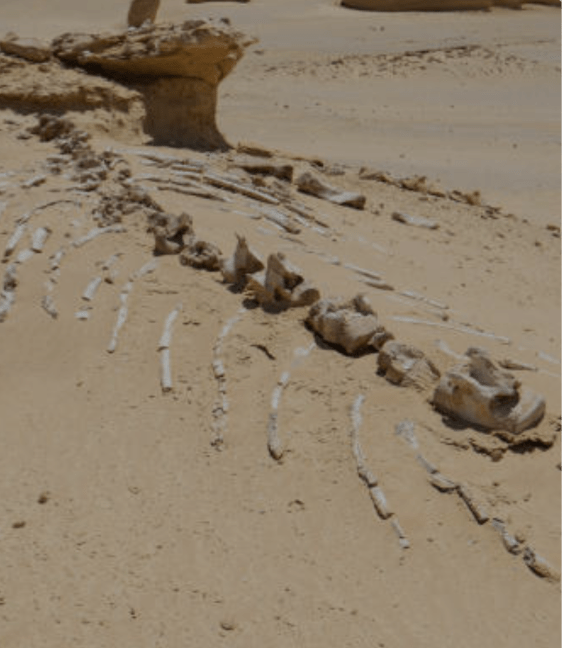
Many itineraries combine Wadi El Rayan with Wadi Al-Hitan (Valley of the Whales), Magic Lake, and sandboarding in the surrounding dunes, allowing travelers to experience several of Fayoum’s highlights in one journey.
Guide’s Note: Mobile reception is generally available near the main roads but becomes less reliable deeper into the reserve. Downloading offline maps before arriving is useful, even when traveling with a guide.
Waterfalls
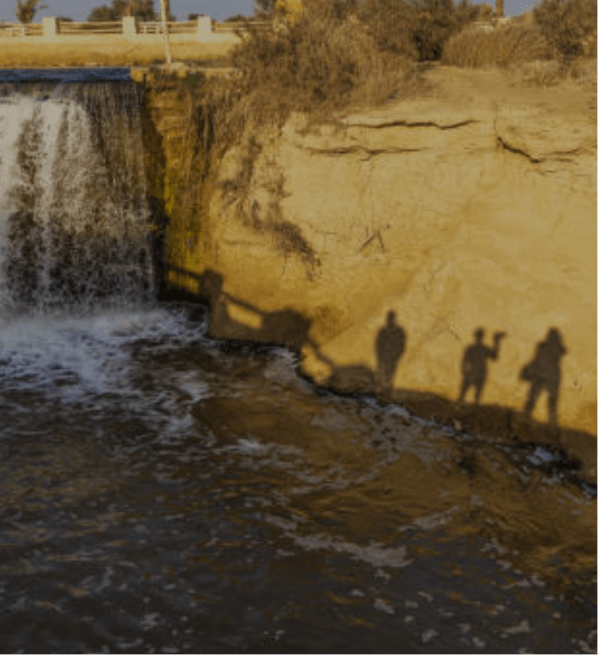
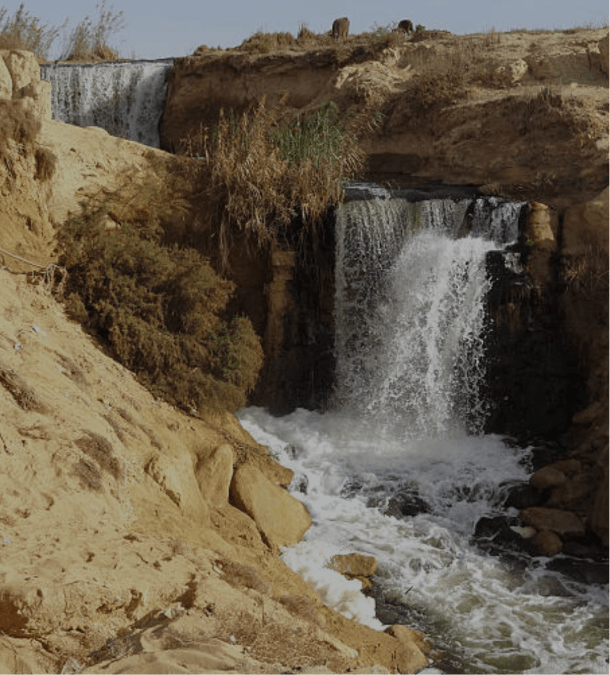
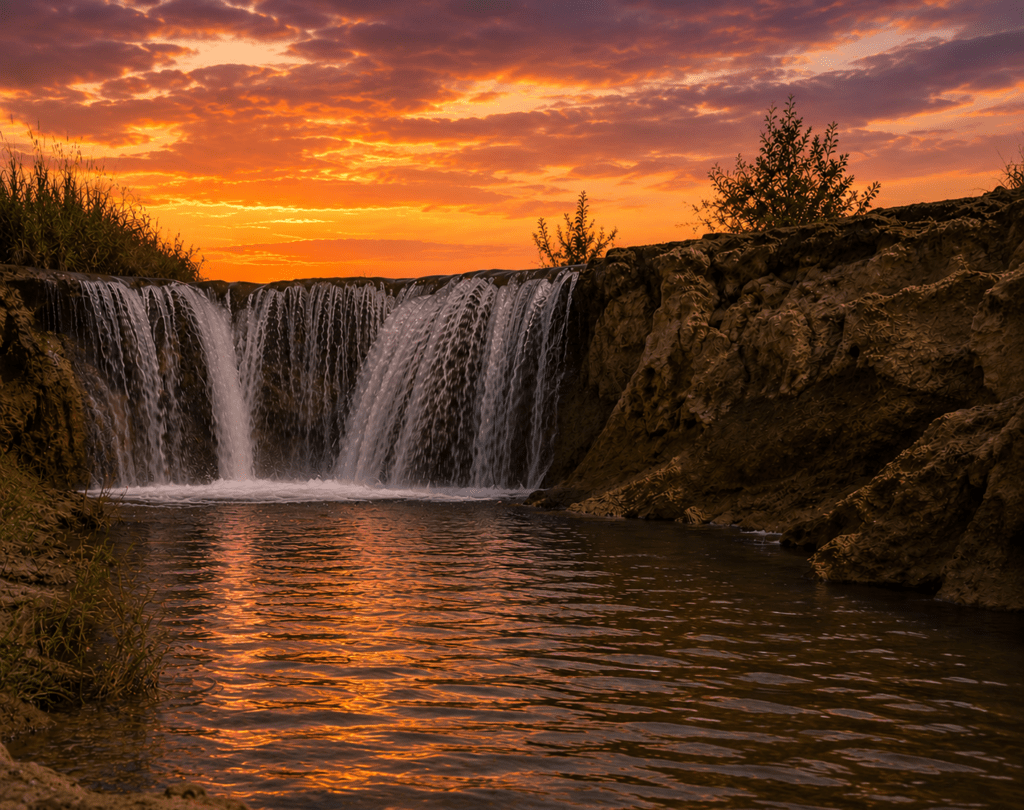
The waterfalls are Wadi El Rayan’s most famous attraction and remain the only permanent waterfalls in Egypt.
Water flows from the higher Upper Lake toward the Lower Lake, creating cascades between the two basins. Although the waterfalls developed as part of the drainage-fed lake system rather than an ancient natural river system, the combination of flowing water, rocky terrain, and surrounding desert creates one of Fayoum’s most distinctive landscapes.
Visitors often spend time walking around the viewing areas, watching local fishermen, and photographing the contrast between flowing water and the surrounding desert landscape.
Morning visits generally provide the most comfortable temperatures and softer light for photography.
Upper & Lower Lakes
The two lakes form the heart of Wadi El Rayan.
The Upper Lake receives water first before it continues toward the Lower Lake. Together, the two lakes create an extensive aquatic environment surrounded by desert, supporting fish and birdlife while forming the visual heart of the protected area.
The lakes also provide a striking visual contrast to the surrounding desert, particularly when viewed from elevated viewpoints where the blue water appears against golden sand dunes stretching toward the horizon.
Several areas along the shoreline are popular for picnics, short walks, and simply enjoying the peaceful scenery.
Mudawara Mountain
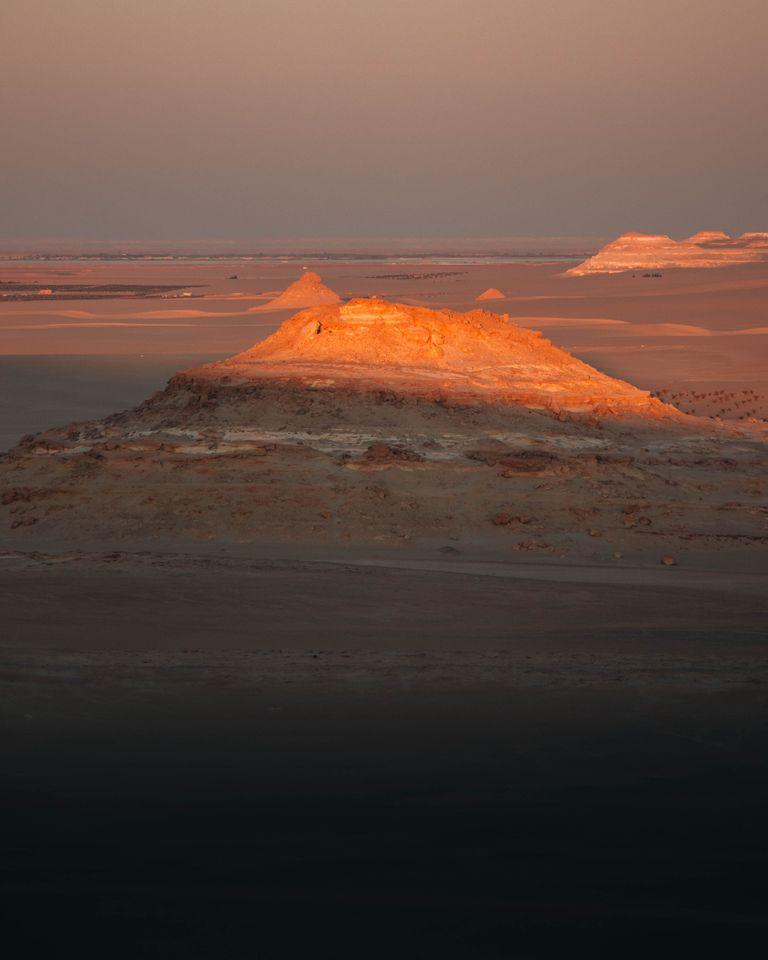
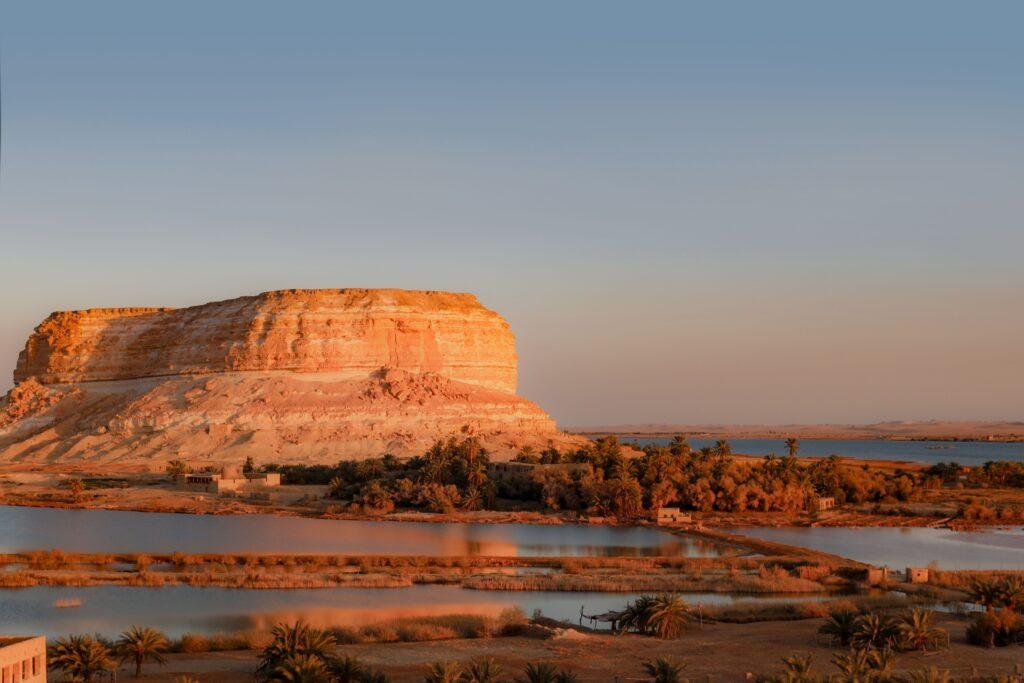
Mudawara Mountain is one of the reserve’s best viewpoints.
Although more of a dramatic rocky outcrop than a traditional mountain, it overlooks the lakes, desert, and surrounding cliffs, creating one of the most photographed landscapes in Fayoum.
The viewpoint is especially popular at sunrise and sunset when warm light transforms the surrounding desert into shades of gold and orange.
Photographers often consider Mudawara Mountain one of the highlights of the reserve because it captures the unique meeting point between water and desert.
Sand Dunes
The rolling dunes surrounding Wadi El Rayan provide some of Egypt’s best opportunities for off-road driving and sandboarding.
The soft sand creates ideal conditions for beginners, while the larger dunes offer more challenging descents for experienced riders.
Most tours visit the dunes during the afternoon before continuing to nearby Magic Lake, where travelers often stop to relax after an active morning exploring the reserve.
The constantly changing desert landscape means no two visits ever look exactly the same.

Wildlife & Nature
Wadi El Rayan protects far more than dramatic scenery.
The reserve supports a wide variety of migratory birds, resident waterfowl, fish, reptiles, and desert mammals that have adapted to this unusual environment.
Birdwatchers often visit during migration seasons, when the lakes become an important resting point for species traveling between Europe and Africa.
Although larger desert mammals are rarely seen during daytime visits, the reserve remains an important conservation area that demonstrates the surprising biodiversity found within Egypt’s deserts.
Best Time to Visit Wadi El Rayan
October through April generally offers the most comfortable conditions for exploring Wadi El Rayan, particularly if your visit includes sandboarding, desert driving, walking, or time at exposed viewpoints. Daytime temperatures are more manageable than during the hottest summer months, while winter mornings and evenings can feel considerably cooler in the open desert.
Summer visits are possible, but the combination of strong sun, limited shade, and high temperatures can make outdoor activities much more demanding. If visiting during hotter months, starting early becomes especially important.
Because Fayoum is often only one part of a longer Egypt itinerary, our Best Time to Visit Egypt guide explains how seasonal conditions in Fayoum compare with Cairo, Luxor, the Nile Valley, and Egypt’s coastal destinations.
Best Activities
The strongest Wadi El Rayan visits combine sightseeing with at least one desert activity. A typical day might begin around the lakes and waterfalls before continuing toward Mudawara Mountain and the surrounding dunes for panoramic views, 4×4 exploration, or sandboarding.
Travelers interested primarily in photography can concentrate on the contrast between water and desert, while families may prefer shorter stops around the accessible viewpoints combined with sandboarding. Those continuing deeper into Fayoum can build Wadi El Rayan into a longer route toward Magic Lake and Wadi El Hitan.
Many tours continue to Magic Lake for lunch before visiting Wadi Al-Hitan, allowing visitors to experience Fayoum’s most important natural attractions in a logical order without unnecessary backtracking.
Entry Fees & Hours
Access hours, entrance fees, and rules within Wadi El Rayan can change, so current information should be confirmed before traveling, particularly if your itinerary includes areas beyond the main visitor sites.
Arriving early remains the best strategy regardless of the season. Cooler temperatures, softer light, and quieter viewpoints all contribute to a more enjoyable visit.
Wadi El Rayan FAQ
Is Wadi El Rayan worth visiting?
Wadi El Rayan is one of Egypt’s best destinations for travelers interested in nature, photography, and outdoor activities. The combination of waterfalls, lakes, desert scenery, and nearby attractions creates an experience that feels completely different from the country’s archaeological sites.
How long should you spend at Wadi El Rayan?
Most visitors spend between half a day and a full day exploring the reserve, particularly when combining it with nearby attractions such as Magic Lake or the Valley of the Whales.
Can you swim in Wadi El Rayan?
Visitors should not assume that swimming is permitted or advisable in every part of Wadi El Rayan. Access, water conditions, and local rules can vary, so follow current instructions from protected-area staff or an experienced local guide.
Is Wadi El Rayan suitable for families?
Families often enjoy Wadi El Rayan because it offers open landscapes, wildlife, gentle walking areas, and opportunities for adventure activities such as sandboarding.
Do you need a 4×4 vehicle?
The main attractions are accessible by road, but visiting the surrounding dunes and more remote desert areas generally requires a 4×4 vehicle driven by someone familiar with the terrain.
Many travelers visit Wadi El Rayan only long enough to photograph the waterfalls before leaving, missing the landscapes that make the reserve one of Egypt’s finest outdoor destinations. Explore Egyptian Nile Adventures designs Fayoum itineraries that combine the waterfalls with Mudawara Mountain, Magic Lake, sandboarding, and the Valley of the Whales in a route that makes the most of your day instead of rushing between isolated stops.