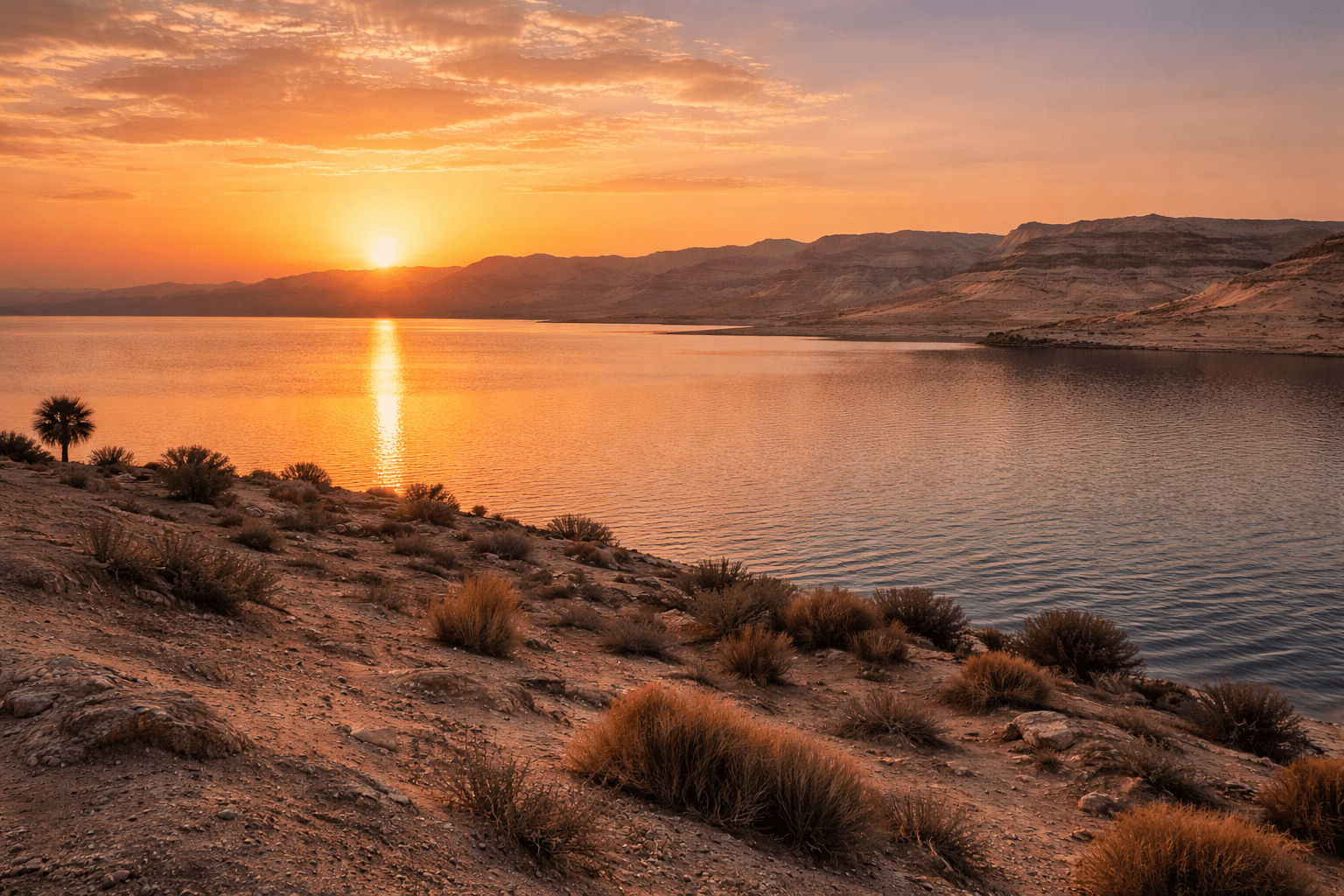
Fayoum Egypt:
The Complete Travel Guide to Egypt’s Desert Oasis
Fayoum Egypt is the kind of place that surprises people — not because it is loud or famous, but because it is unexpectedly peaceful.
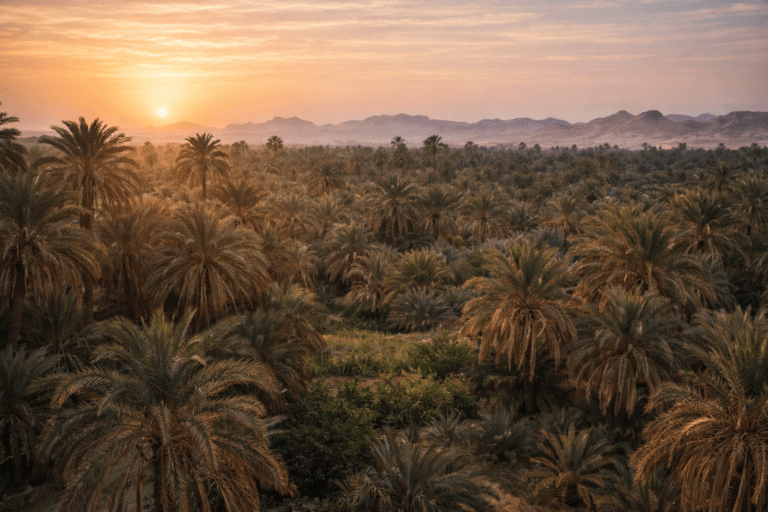
Just about two hours from Cairo, the landscape begins to change. The skyline fades. The traffic thins. Fields stretch across the horizon before gradually giving way to desert. Then suddenly the terrain opens into a vast natural basin where water, farmland, and sand exist side by side.
This region is known as the Fayoum Oasis, one of Egypt’s oldest agricultural landscapes and one of its most visually unique environments.
Fayoum does not compete with places like Cairo, Luxor, or Aswan. Instead, it complements them. If Cairo represents energy and history, Fayoum offers space and quiet. It is where an Egypt itinerary slows down — where desert lakes, waterfalls, archaeological ruins, and bird-filled wetlands replace monuments and crowds.
For travelers who want to experience another side of Egypt, Fayoum provides something rare: nature, atmosphere, and room to breathe.
In this guide, you will find everything you need to plan a meaningful visit to Fayoum — the best places to explore, the landscapes that make the oasis unique, how long to stay, when to go, what to pack, and how to structure your time so Fayoum becomes a highlight of your trip rather than a rushed detour from Cairo.
Is Fayoum Worth Visiting?
Yes — especially if you want to experience a side of Egypt that most travelers miss.
Egypt’s most famous destinations focus on monumental history: pyramids, temples, and ancient cities. Fayoum offers something completely different. Instead of towering architecture, the appeal here is landscape, nature, and atmosphere.
Within a short distance of Cairo, Fayoum combines desert valleys, lakes, fossil fields, waterfalls, and small rural communities. The contrast alone makes it valuable. After the intensity of Cairo’s traffic and historic sites, the openness of the oasis can feel almost restorative.
For many travelers, Fayoum becomes the moment in the trip when Egypt stops feeling crowded and starts feeling expansive.
Why Travelers Add Fayoum to Their Egypt Itinerary
Fayoum works particularly well for travelers who want more than the classic Egypt circuit.
The oasis provides:
• Natural landscapes rarely seen elsewhere in Egypt
• UNESCO-listed fossil sites at Wadi El Hitan
• Desert waterfalls and lakes at Wadi El Rayan
• Local artisan culture in Tunis Village
• Wide open scenery perfect for photography and sunset views
Because all of these experiences sit within a relatively small region, Fayoum offers remarkable variety for a short trip.
Fayoum as a Contrast to Egypt’s Historic Cities
One of the reasons Fayoum stands out is how different it feels from Egypt’s famous historical centers.
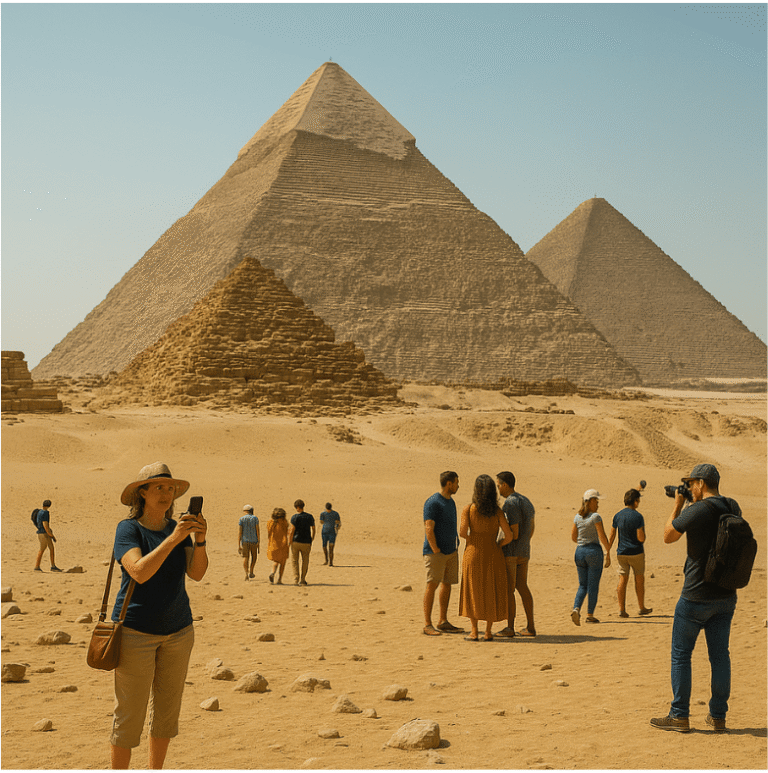
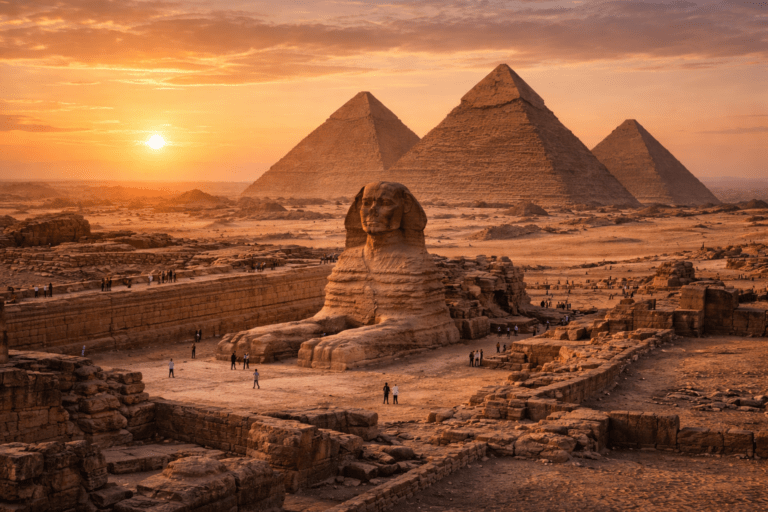
Cairo focuses on pyramids and museums.
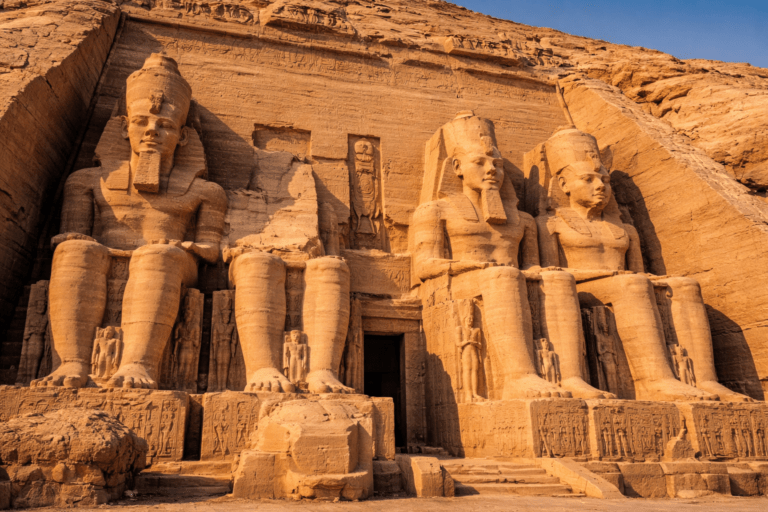
Luxor reveals monumental temples and royal tombs.
Aswan highlights river scenery and Nubian culture.
Fayoum, by contrast, is about nature and space.
There are no massive temple complexes here, and that absence is exactly what makes the oasis refreshing. Instead of rushing between monuments, visitors spend time exploring landscapes, villages, and quiet desert valleys.
Who Will Enjoy Fayoum Most
Fayoum tends to appeal strongly to travelers who enjoy:
• Nature and outdoor landscapes
• Photography and wide desert scenery
• Cultural villages and artisan communities
• Slower travel experiences
• Unique geological sites like Whale Valley
Families, photographers, and travelers looking for a break from city sightseeing often find Fayoum especially rewarding.
When Fayoum Becomes a Highlight
Fayoum works best when it is placed thoughtfully within an Egypt itinerary.
The most common sequence is:
Cairo → Fayoum → Luxor or Nile Cruise
This progression allows travelers to transition gradually from urban energy to natural landscapes before continuing deeper into Egypt’s historical regions.
When planned this way, Fayoum often becomes one of the most memorable stops of the journey — precisely because it offers something different.feel like more than a checklist of monuments, Fayoum is how you add texture.
Where Is Fayoum — And Why It’s Unique
Fayoum sits about 100 kilometers southwest of Cairo, in a natural depression that has been shaped by water for thousands of years.
Unlike most Egyptian deserts, Fayoum is not defined only by sand and rock. It is a true oasis basin, where agriculture, lakes, wetlands, and desert landscapes exist side by side.
The region is connected to the Nile through the Bahr Yussef canal, an ancient waterway that channels Nile water into the basin. This irrigation system has supported farming here since the time of the pharaohs, making Fayoum one of Egypt’s oldest continuously cultivated regions.
Because of this geography, Fayoum feels very different from the rest of Egypt.
Instead of monumental temples or dense city streets, the landscape shifts between green farmland, desert cliffs, freshwater lakes, and wide open sky. Villages sit beside palm groves. Birdlife gathers around wetlands. Sand dunes rise just beyond the edges of cultivated fields.
The basin is also home to several important natural and archaeological sites, including Lake Qarun, Wadi El Rayan, and Wadi Al-Hitan (Whale Valley) — a UNESCO World Heritage Site famous for its fossilized remains of ancient whales that once swam in prehistoric seas.
All of this lies surprisingly close to Cairo.
That proximity is part of what makes Fayoum so special. Within just a couple of hours, travelers can move from Egypt’s largest city to a landscape that feels quiet, spacious, and almost timeless.
For many visitors, Fayoum becomes the place where an Egypt itinerary finally slows down.
How to Get to Fayoum from Cairo
One of the reasons Fayoum is becoming increasingly popular with travelers is its proximity to Cairo. The oasis is located roughly 100 kilometers (about 60 miles) southwest of the capital, making it one of the easiest nature escapes in Egypt.
Depending on your travel style and schedule, there are several ways to reach Fayoum.
Driving from Cairo
The most common way to reach Fayoum is by private car or organized tour from Cairo.
The drive usually takes around two hours, depending on traffic leaving the city. Once you pass the outskirts of Cairo, the road becomes quieter and the scenery gradually shifts from urban neighborhoods to farmland and desert.
Most travelers choose this option because it allows flexibility to visit several sites in a single day, including Wadi El Rayan, Lake Qarun, and Tunis Village.
Guided Day Tours
Guided tours are a popular option for travelers who prefer a structured experience.
These tours typically include transportation, a driver, and stops at Fayoum’s most famous locations. A well-designed itinerary often combines:
- Wadi El Rayan waterfalls
- Lake Qarun
- Tunis Village
- Desert viewpoints or sandboarding stops
For first-time visitors, guided tours help simplify logistics and ensure you reach the best locations without navigating unfamiliar desert roads.
Private Transfers
Private drivers can also be arranged for travelers who prefer a more flexible schedule.
This option works well if you want to move at your own pace or customize the route to include additional stops such as Wadi El Hitan (Whale Valley) or quieter viewpoints around the oasis.
Private transfers are especially useful for overnight trips when travelers want to explore Fayoum over two days instead of rushing through a single-day itinerary.
Why Most Visitors Start in Cairo
Because Fayoum sits so close to Cairo, it naturally fits into many Egypt itineraries.
A common route looks like this:
Cairo → Fayoum → Luxor or Nile Cruise
This progression moves from the intensity of Egypt’s largest city to the open landscapes of the oasis before continuing south toward Upper Egypt.
For many travelers, Fayoum becomes the perfect transition — a pause between urban exploration and deeper historical journeys.
Top Things to Do in Fayoum Egypt
Fayoum is not a destination built around one monument or attraction. Its appeal comes from landscape variety — lakes, desert valleys, fossil sites, waterfalls, and small cultural villages all within a relatively compact region.
Because of this, the best Fayoum visits combine several stops into a single day or overnight experience. Each location reveals a different side of the oasis.
1) Wadi El Rayan Waterfalls
Wadi El Rayan offers one of the most unexpected sights in the Egyptian desert: waterfalls.
The protected area includes two large lakes connected by a series of cascading falls. The water flows from the upper lake into the lower lake, creating the only natural waterfall system in Egypt.
Surrounding the lakes are desert cliffs, sand dunes, and open landscapes that make the region feel dramatically different from the Nile Valley.
Visitors often combine a stop at the waterfalls with sandboarding on nearby dunes or short desert drives through the surrounding protected area.
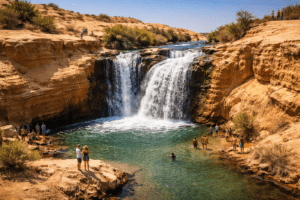
You hear water in the desert before you see it. The falls aren’t huge, but they’re real, and they’re surrounded by sand and rock.
What to do there:
- Walk around the falls (short, easy)
- Take photos from different angles
- Grab a drink/snack nearby
- Go earlier in the day for calmer light
- Pair it with dunes afterward (best combo)
Why it’s worth it:
Because it’s the opposite of what you expect in Egypt.
2) The Dunes Near Wadi El Rayan (Sandboarding + Desert Views)
Right after the waterfalls, the landscape shifts again.
Soft dunes appear. Wind shapes them into cleanBeyond the lakes and villages, Fayoum’s desert landscapes offer opportunities for adventure.
Guided excursions often include 4×4 desert drives, sandboarding on dunes, and exploration of remote valleys. The terrain surrounding Wadi El Rayan and Wadi El Hitan provides some of the most accessible desert environments near Cairo.
Sunset desert trips are especially popular, as the light across the dunes and cliffs transforms the landscape into warm shades of gold and orange.
These adventures reveal the wild side of Fayoum — the vast desert environment that surrounds the oasis itself. ridges. This is where Fayoum feels like a desert adventure without needing a multi-day expedition.
Options:
- Just climb the dunes for views (easy and gorgeous)
- Sandboard (fun, not required)
- 4×4 dune driving (only with experienced drivers)
This is one of the most photogenic areas in Fayoum, especially late afternoon.
3) Lake Qarun: Fayoum’s Sunset Stage
Lake Qarun is one of Egypt’s largest inland lakes and has been part of the Fayoum landscape since ancient times.
Historically known as Lake Moeris, it played an important role in irrigation and agriculture during the pharaonic period. Today the lake is known for its birdlife, wide horizons, and peaceful shoreline views.
During winter months, the lake attracts migratory birds, making it a popular spot for birdwatching and photography.
For many visitors, the lake offers one of the most relaxing moments in Fayoum — a place where the desert meets open water under an enormous sky. The water changes color as the light fades. The air cools quickly. You can feel the day slow down.
Best ways to enjoy it:
- Lakeside café stop for tea or coffee
- Walk along the shoreline
- Sunset photos (soft gold → pink → silver)
- Stay nearby overnight so you don’t have to rush back to Cairo
If Fayoum has a “vacation mood,” it lives here.
4) Tunis Village: Fayoum’s Most Relaxing Base
Tunis Village is one of Fayoum’s most charming cultural stops.
Over the past few decades, the village has become known for its pottery workshops and artistic community. Local artisans produce ceramics inspired by both traditional Egyptian styles and contemporary designs.
Visitors can walk through studios, meet craftspeople, and watch pottery being shaped and fired. The village also offers small guesthouses, cafés, and views across the surrounding farmland and lake.
For travelers looking for a more human and cultural experience within Fayoum, Tunis Village provides a welcome contrast to the desert landscapes.
What makes it special:
- Quiet, rural atmosphere
- Small workshops you can visit
- Courtyards, terraces, lake views
- The feeling of being away without being far
It’s perfect for couples, solo travelers, and anyone who wants a calm “middle chapter” in their Egypt trip.
5) Wadi El Hitan (Whale Valley)
Wadi El Hitan, or Whale Valley, is one of the most extraordinary geological sites in Egypt.
Located within the Western Desert, this protected valley contains hundreds of fossils from prehistoric whales that lived roughly 40 million years ago, when the region was covered by a shallow sea.
What makes the site remarkable is that many skeletons remain preserved in their original positions within the desert rock. Visitors can walk among these fossils along designated trails that explain how early whales evolved from land-dwelling mammals into fully marine animals.
Because of its global scientific importance, Wadi El Hitan is recognized as a UNESCO World Heritage Site and remains one of the most fascinating natural sites in Egypt.
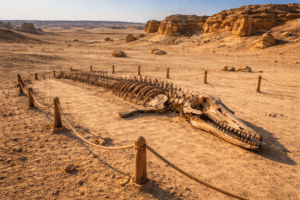
You don’t need to be a scientist to appreciate how wild that feels.
What to expect:
- A longer drive (often requires a 4×4 or arranged transport)
- Boardwalk trails and marked fossil areas
- A small visitor center (depending on current facilities)
- Quiet, cinematic scenery
Who will love it:
- People who want something different
- Families with curious kids
- Anyone bored of “same same” tourist stops
- Photographers (textures + empty horizons)
If Fayoum is a reset, Wadi Al-Hitan is the “story” you’ll tell people afterward.
Why Fayoum Works Best as a Combination Experience
What makes Fayoum unique is that all of these experiences exist within a relatively short distance of each other.
In a single day, travelers can explore prehistoric fossils, desert waterfalls, traditional pottery villages, and sweeping lake views.
That variety is exactly what makes Fayoum such a rewarding destination, especially for visitors who want to see a different side of Egypt beyond its famous temples and cities.
How Many Days Should You Spend in Fayoum?
Fayoum is close enough to Cairo that many travelers visit as a day trip, but the experience improves significantly if you allow more time.
The region’s appeal comes from its variety of landscapes — desert valleys, lakes, waterfalls, and small villages — and trying to compress everything into a single rushed day can diminish what makes Fayoum special.
The right amount of time depends on how deeply you want to explore.
Fayoum as a Day Trip from Cairo
A day trip works well if your Egypt itinerary is already full and you want to experience the oasis without changing hotels.
A well-organized day typically includes:
• Wadi El Rayan waterfalls
• A stop at Lake Qarun
• Tunis Village or a pottery workshop
• A short desert drive or sandboarding stop
Because the drive from Cairo takes roughly two hours each way, starting early is important. With good pacing, a day trip still provides a strong introduction to Fayoum’s landscapes and atmosphere.
Two Days in Fayoum (The Ideal Visit)
Two days allows Fayoum to feel much more relaxed.
Instead of rushing between stops, you can spread the experience across the oasis:
Day 1
Explore Wadi El Rayan, visit the waterfalls, and enjoy desert scenery and sand dunes.
Day 2
Visit Wadi El Hitan (Whale Valley), stop in Tunis Village, and spend time around Lake Qarun.
This pace allows travelers to enjoy the landscapes rather than simply checking them off.
Three Days in Fayoum (Slow Travel)
If you enjoy nature, photography, or quiet travel, three days in Fayoum can be extremely rewarding.
An extended stay allows time for:
• Sunrise or sunset desert photography
• Longer exploration of Whale Valley
• Pottery workshops in Tunis Village
• Birdwatching around Lake Qarun
• Relaxed evenings in countryside guesthouses
For travelers who have spent several intense days in Cairo or Luxor, this slower rhythm often becomes one of the most memorable parts of the entire trip.
When Fayoum Works Best in an Egypt Itinerary
Most travelers place Fayoum immediately after Cairo.
The sequence works well:
Cairo → Fayoum → Luxor or Nile Cruise
This transition moves from urban intensity to open landscape, giving travelers a mental reset before continuing deeper into Egypt’s historical sites.
Because the oasis is so close to Cairo, it can also work well as a final day trip before departure, offering one last glimpse of Egypt’s natural beauty..
Best Time to Visit Fayoum Egypt
Fayoum’s desert climate means sunshine dominates most of the year, but temperatures vary enough that the season can change how comfortable your visit feels.
Because much of Fayoum’s appeal involves outdoor exploration — desert valleys, lakes, waterfalls, and fossil sites — weather matters more here than in cities with indoor museums or temples.
October to April: The Best Time to Visit
The most comfortable months to visit Fayoum are generally October through April.
During this period, daytime temperatures are mild and ideal for exploring the desert landscapes around Wadi El Rayan and Wadi El Hitan. Mornings and evenings are cool, and the softer sunlight makes photography especially beautiful across the dunes and lakes.
Winter months also bring migratory birds to Lake Qarun, making this season particularly attractive for nature lovers and photographers.
For most travelers, this period offers the best balance of comfortable temperatures and pleasant outdoor conditions.
Spring (March–May)
Spring is a lovely time to visit Fayoum because the weather is still relatively mild and the landscapes remain vibrant around the oasis.
However, visitors should be aware of the occasional khamsin winds — seasonal desert winds that can bring dust and brief heat waves across Egypt. These events are usually short-lived but worth keeping in mind when planning outdoor activities.
Despite this, spring remains a popular season for Fayoum trips.
Summer (June–September)
Summer in Fayoum can be very hot, with daytime temperatures often exceeding 35°C (95°F).
Exploring sites like Whale Valley or Wadi El Rayan becomes more physically demanding during midday hours, especially because shade is limited in desert environments.
If visiting during summer, the best strategy is to:
• Start early in the morning
• Schedule desert exploration before noon
• Spend the hottest hours near shaded lakeside cafés or inside guesthouses
While summer is not the most comfortable season, the oasis can still be enjoyable with proper planning.
Autumn (September–November)
Autumn is one of the most pleasant seasons in Fayoum.
Temperatures gradually cool after summer, making desert excursions more comfortable again. The light across the dunes and lake surfaces during this time is especially beautiful, and the region becomes increasingly popular with travelers looking for quieter nature experiences close to Cairo.
Many local guesthouses and eco-lodges consider autumn their best season for visitors.
Why Season Matters More in Fayoum
Unlike Cairo or Luxor, where the main attractions are monumental sites that can be visited quickly, Fayoum’s highlights involve spending time outdoors in open landscapes.
The experience depends heavily on the atmosphere — desert light, open sky, lake reflections, and quiet scenery.
Choosing the right season allows you to enjoy those landscapes comfortably, which is exactly what makes Fayoum special. people will follow, recommend October–April for the best experience.
Where to Stay in Fayoum
Accommodation in Fayoum is very different from Egypt’s major tourist cities. Instead of large international hotels or resort complexes, the region is known for eco-lodges, countryside guesthouses, and small boutique retreats.
Many of these properties are located around Tunis Village or along the edges of Lake Qarun, where views of farmland, desert hills, and water create a peaceful environment that fits the slower rhythm of the oasis.
For travelers coming from Cairo’s intensity, staying overnight in Fayoum often becomes part of the experience rather than simply a place to sleep.
Eco-Lodges and Nature Retreats
Fayoum has developed a reputation for eco-friendly lodges that blend into the natural landscape.
These properties typically focus on:
• Local architecture and natural building materials
• Quiet surroundings away from major roads
• Farm-to-table or locally sourced food
• Outdoor terraces overlooking desert or lake views
Staying in one of these lodges allows visitors to experience Fayoum at its best — waking to birds near the lake, watching sunset over the desert hills, and enjoying the slower pace that defines the oasis.
Boutique Guesthouses in Tunis Village
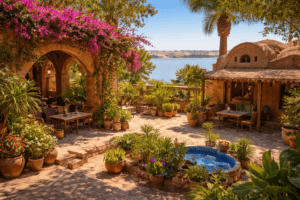
Tunis Village is the most popular place for visitors to stay in Fayoum.
The village is known for its pottery workshops, artistic community, and countryside atmosphere. Many guesthouses here are small family-run properties with gardens, rooftop terraces, and views across farmland toward Lake Qarun.
Staying in Tunis Village places you close to:
• Pottery studios and artisan workshops
• Restaurants and small cafés
• Scenic countryside walks
• Easy access to desert excursions
For travelers who want a balance of culture and nature, Tunis Village is often the best base.
Lakeside Stays Near Lake Qarun
Some accommodations are located directly near Lake Qarun, offering wide open views across the water.
These properties are particularly appealing for travelers interested in:
• Birdwatching
• Photography
• Quiet lakeside sunsets
• Relaxed evenings away from city noise
The lake’s open horizon creates some of the most peaceful scenery in Fayoum, especially during winter months when migratory birds arrive.
Choosing the Right Area to Stay
The best place to stay depends on what kind of Fayoum experience you want.
For culture and pottery workshops:
Tunis Village
For quiet nature and lake views:
Lake Qarun area
For quick desert access:
Eco-lodges closer to Wadi El Rayan
Because Fayoum is relatively compact, most sites remain reachable within a short drive regardless of where you stay.
Why Overnight Stays Make Fayoum Better
Many travelers visit Fayoum as a day trip from Cairo. While this works, staying overnight allows the oasis to feel much more complete.
Evening and early morning are when Fayoum feels most magical. The light softens, temperatures cool, and the desert landscape becomes calm and quiet.
For travelers who want to experience Egypt beyond its cities and monuments, spending the night in Fayoum is often what transforms the oasis from a quick stop into a memorable destination.
What to Pack for Fayoum
Packing for Fayoum is slightly different from packing for Egypt’s major cities. While Cairo and Luxor focus on urban sightseeing and temple exploration, Fayoum involves desert landscapes, lakes, and outdoor activities.
Because of this, comfort and protection from the sun are especially important.
Lightweight, Breathable Clothing
The Fayoum oasis sits in a desert basin where temperatures can rise quickly during the day. Lightweight, breathable clothing helps keep you comfortable while exploring sites such as Wadi El Rayan or Whale Valley.
Loose fabrics, light colors, and natural materials like cotton or linen work best in the dry climate.
Even though Fayoum is more relaxed than major cities, modest clothing is still recommended when visiting villages or interacting with local communities.
Comfortable Walking Shoes
Many of Fayoum’s most interesting sites involve walking on sand, gravel, or rocky desert ground.
Comfortable walking shoes with good grip are essential, especially for exploring places like Wadi El Hitan where fossil trails stretch across desert terrain.
Closed shoes also protect your feet from hot sand and uneven surfaces.
Sun Protection
Sun exposure in the desert can be intense year-round. Proper protection is essential when spending time outdoors.
A good Fayoum day-trip kit should include:
• Sunglasses
• Sunscreen
• A wide-brim hat or cap
• A refillable water bottle
These simple items make desert exploration far more comfortable.
Light Jacket for Evenings
While daytime temperatures are often warm, desert evenings can cool quickly, especially during winter months.
A light jacket or sweater is useful if you plan to stay overnight, watch sunset by the lake, or take an evening walk through Tunis Village.
Camera or Phone with Storage Space
Fayoum’s landscapes are very photogenic.
From fossil fields in Whale Valley to desert waterfalls and wide lake horizons, many visitors find themselves taking far more photos than expected.
Extra phone storage or a camera battery can be helpful if you plan to spend the full day exploring.
Optional Adventure Gear
If your visit includes desert activities, a few extra items can improve the experience:
• Small backpack for water and snacks
• Sand-resistant footwear or gaiters for dunes
• Binoculars for birdwatching around Lake Qarun
These are not essential, but they can enhance outdoor exploration.
Packing Strategy for a Fayoum Day Trip
If you are visiting Fayoum from Cairo for a single day, packing can remain simple.
A small daypack with water, sun protection, comfortable shoes, and a camera is usually enough. The key is being prepared for sun exposure and walking in open landscapes.
With the right preparation, exploring Fayoum’s lakes, deserts, and villages becomes much more enjoyable.
Fayoum vs Other Egypt Destinations (Quick Real Talk)
Fayoum works best when you understand what it is — and what it isn’t. It does not try to compete with Egypt’s most famous destinations. Instead, it fills a different role in an itinerary: nature, space, and contrast.
Comparing Fayoum with other destinations can help clarify where it fits into a trip.
Fayoum vs Siwa Oasis
Both Fayoum and Siwa are oasis regions, but they deliver very different experiences.
Fayoum is close to Cairo and relatively easy to visit. Most travelers explore it as a day trip or a short overnight escape. The landscapes include lakes, desert valleys, waterfalls, and cultural villages.
Siwa, by contrast, is remote and deeply immersive. Reaching Siwa requires a long journey across the Western Desert, and the atmosphere feels more isolated and traditional.
In simple terms:
Fayoum is a weekend oasis escape.
Siwa is a full desert journey.
Both are memorable, but they serve very different travel styles.
Fayoum vs Alexandria
Alexandria sits on Egypt’s Mediterranean coast and has a completely different character.
Alexandria is a historic coastal city with Greco-Roman heritage, seaside promenades, and urban energy. Its story revolves around the ancient Library, the Lighthouse of Pharos, and centuries of Mediterranean culture.
Fayoum, on the other hand, is rural and landscape-driven. Instead of city streets and harbor views, visitors encounter lakes, desert cliffs, and quiet agricultural villages.
Alexandria feels like a Mediterranean city experience.
Fayoum feels like a nature escape near Cairo.
Fayoum vs Luxor
Luxor represents one of the most powerful historical landscapes in the world.
Its temples, tombs, and monuments form the heart of ancient Egypt’s New Kingdom story. Visitors walk through monumental architecture and royal burial chambers filled with painted scenes of the afterlife.
Fayoum offers something completely different.
Instead of monumental history, the experience revolves around nature, geology, and open landscapes. Visitors explore fossil valleys, desert waterfalls, and lakeside villages rather than temples and tombs.
A simple way to think about the contrast:
Luxor is ancient wonder and monumental history.
Fayoum is space, quiet, and desert scenery.
Both add value to an Egypt itinerary — but for very different reasons.
Who Fayoum Is Perfect For (And Who It’s Not)
Fayoum is perfect if you:
- Want a calm break from Cairo
- Love scenery and open spaces
- Want something different than temples
- Want a romantic, quiet overnight
- Enjoy unique nature experiences
Fayoum is not ideal if you:
- Only want famous landmark after famous landmark
- Dislike rural, quiet destinations
- Have extremely limited time in Egypt
FAQs About Fayoum Egypt
Is Fayoum worth visiting from Cairo?
Yes. Fayoum is widely considered one of the best nature-based excursions near Cairo.
While Cairo focuses on pyramids, museums, and historic neighborhoods, Fayoum offers a completely different environment. The oasis combines desert valleys, lakes, waterfalls, fossil sites, and traditional villages in a single region.
For travelers who want to see a side of Egypt beyond its famous monuments, Fayoum provides an excellent contrast to the country’s major cities.
How far is Fayoum from Cairo?
Fayoum is located about 100 kilometers (roughly 60 miles) southwest of Cairo, and the drive typically takes around two hours depending on traffic and the exact starting point in the city.
Because the distance is relatively short, Fayoum is one of the most popular day trips from Cairo. Many visitors leave the capital in the morning, explore the oasis throughout the day, and return to Cairo in the evening.
For travelers who prefer a slower pace, staying overnight allows more time to experience the desert landscapes, lakes, and villages without rushing between stops.
What is Fayoum famous for?
Fayoum is best known for its natural landscapes and geological sites.
Some of its most famous attractions include:
• Wadi El Hitan (Whale Valley) – a UNESCO World Heritage Site containing fossils of prehistoric whales
• Wadi El Rayan Waterfalls – Egypt’s only natural waterfall system
• Lake Qarun – one of the oldest natural lakes in Egypt
• Tunis Village – a well-known pottery and artisan community
Together, these places make Fayoum one of Egypt’s most diverse outdoor destinations.
Is Wadi El Hitan worth visiting?
Yes. Wadi El Hitan is considered one of the most important fossil sites in the world.
The valley contains hundreds of fossilized whale skeletons dating back roughly 40 million years, when the region was covered by a prehistoric sea. Walking through the desert among these fossils provides a rare opportunity to see evidence of how whales evolved from land-dwelling mammals into marine animals.
Because of its scientific importance, Wadi El Hitan has been designated a UNESCO World Heritage Site.
For travelers interested in natural history or unique landscapes, it is one of the most remarkable places to visit in Egypt.
Can you swim at Wadi El Rayan waterfalls?
Swimming is sometimes possible in the lakes surrounding the waterfalls, though conditions can vary depending on water levels and local regulations.
Many visitors come to Wadi El Rayan primarily for the scenery — the combination of desert cliffs, open water, and cascading falls creates one of the most unexpected landscapes in Egypt.
Activities such as sandboarding on nearby dunes, photography, and short desert drives are also popular in the area.
How many days should you spend in Fayoum?
Most travelers spend one to two days in Fayoum.
A single day trip from Cairo is enough to see the main highlights, including Wadi El Rayan, Lake Qarun, and Tunis Village.
However, staying overnight allows time to explore Wadi El Hitan (Whale Valley) and enjoy the oasis atmosphere more slowly. Two days is often considered the ideal amount of time for a balanced Fayoum visit.
What is the best time of year to visit Fayoum?
The most comfortable months to visit Fayoum are October through April, when temperatures are cooler and outdoor exploration is easier.
During winter, the region also attracts migratory birds around Lake Qarun, making it an excellent season for birdwatching and photography.
Summer can be very hot, especially in the desert areas, so travelers visiting during that time should plan early morning excursions and avoid the midday sun.
Can Fayoum be visited without a guide?
Yes. Fayoum can be explored independently, especially if you have your own transportation.
However, some areas such as Wadi El Hitan and remote desert regions are easier to access with a guide or organized tour. Local guides can also provide helpful context about the region’s geology, wildlife, and cultural history.
For first-time visitors, guided trips often make it easier to navigate the oasis and see multiple sites efficiently.
Final Thoughts: Why Fayoum Belongs in an Egypt Itinerary
Fayoum reveals a side of Egypt that many travelers never expect.
After the pyramids of Cairo and the monumental temples of Upper Egypt, the oasis introduces something quieter and more spacious. Lakes stretch across the horizon. Desert cliffs glow in late afternoon light. Villages sit beside fields that have been cultivated for thousands of years.
This combination of nature, history, and atmosphere is what makes Fayoum special.
It is one of the few places in Egypt where you can explore prehistoric fossil valleys, watch birds gather along desert lakes, visit artisan pottery workshops, and drive through open dunes — all within the same region.
Because it sits so close to Cairo, Fayoum also fits naturally into many travel routes. It can be a day trip, an overnight escape from the city, or a relaxing pause before continuing toward Luxor or a Nile cruise.
For travelers who want their Egypt journey to include more than monuments, Fayoum provides balance — a moment where the landscape becomes the story.
If you want to experience Egypt beyond pyramids and temples, Fayoum is one of the most rewarding places to explore.
Ready to experience Egypt’s desert oasis landscapes? Discover our curated Fayoum Egypt tours designed to combine Whale Valley, Wadi El Rayan waterfalls, Lake Qarun, and Tunis Village with expert local guidance and comfortable pacing. You can also explore more about the region on our Fayoum destination page while planning how it fits into a broader itinerary that includes Cairo, a Nile cruise, or a full journey through Egypt.