Valley of the Kings Guide (2026): Tombs, Tickets, Tips & How to Plan Your Visit
The Valley of the Kings is one of Egypt’s most extraordinary archaeological sites, but many visitors underestimate what the experience actually involves. It’s not a single monument—it’s a desert valley containing more than 60 royal tombs, each with its own artwork, history, and level of preservation. Without a plan, it’s easy to spend time in less impressive tombs while missing some of the valley’s greatest treasures.
The best visit starts with understanding how the site works. Tomb access is limited by your ticket, the desert heat builds quickly after mid-morning, and some of the most famous burial chambers require separate admission. Arriving prepared allows you to appreciate the remarkable artistry beneath the limestone hills rather than rushing between entrances in the midday sun.
Expert Insight: The Valley of the Kings is about quality, not quantity. Visiting three or four exceptional tombs with enough time to appreciate their decoration is far more rewarding than trying to enter every tomb available.
Why the Valley of the Kings Is So Important
For nearly 500 years during Egypt’s New Kingdom, the pharaohs abandoned pyramid building in favor of hidden rock-cut tombs on Luxor’s west bank. The barren landscape was chosen for both practical and religious reasons. The pyramid-shaped peak of Al-Qurn rises above the valley, while the isolated desert location offered greater protection from tomb robbers than the exposed pyramid fields farther north.
Today, the Valley of the Kings remains the final resting place of rulers including Tutankhamun, Seti I, Ramses III, Ramses IV, Ramses VI, and many others whose tombs preserve some of the finest examples of ancient Egyptian funerary art.
What You’ll See During Your Visit
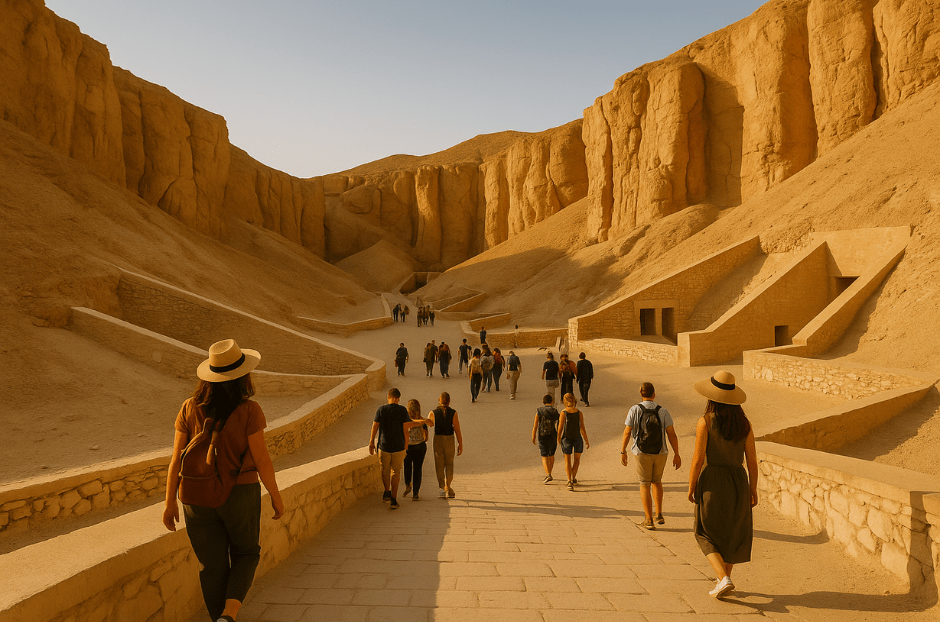
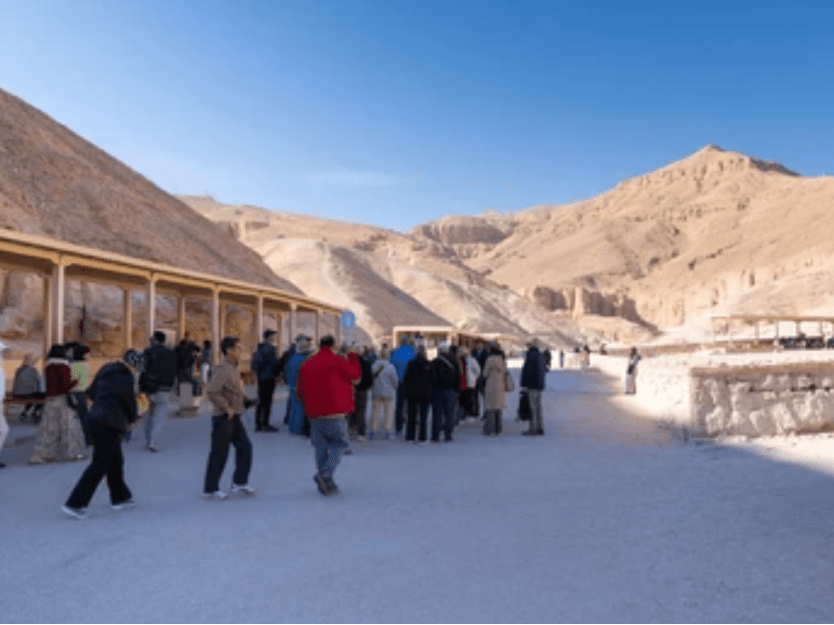
The experience begins at the visitor center before a short electric tram carries visitors toward the main entrance. From there, paved pathways lead through the valley to the various tombs, each descending through corridors carved deep into the limestone cliffs.
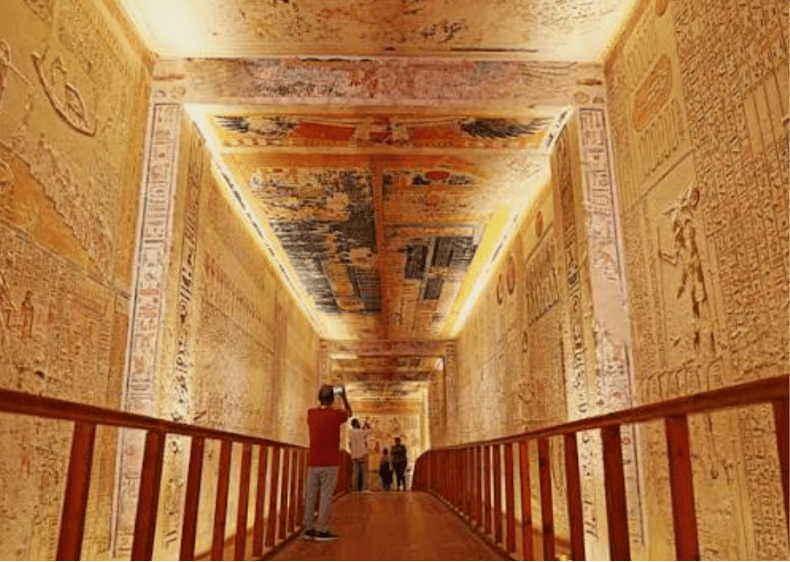
Unlike temples filled with towering columns, the Valley of the Kings is an underground experience. Long passageways covered in brilliantly colored hieroglyphs lead toward burial chambers decorated with scenes from sacred funerary texts such as the Book of the Dead, the Book of Gates, and the Amduat. Even after more than 3,000 years, many of the pigments remain remarkably vibrant.
Each tomb offers a different atmosphere. Some feature long sloping corridors and expansive chambers, while others are compact yet exceptionally well preserved.
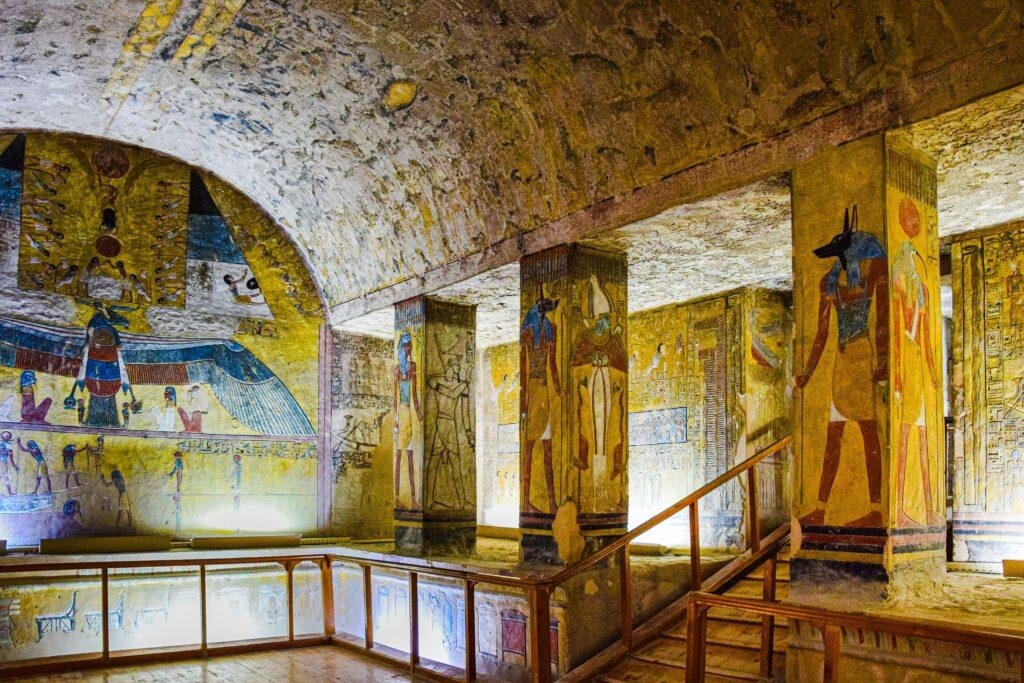
The Best Tombs to Visit
Your standard ticket includes entry to a limited number of open tombs, with the selection rotating periodically for conservation. While availability changes, several tombs consistently stand out.
Ramses IV (KV2) is often recommended for first-time visitors thanks to its wide corridors, vivid ceiling decorations, and relatively easy access.
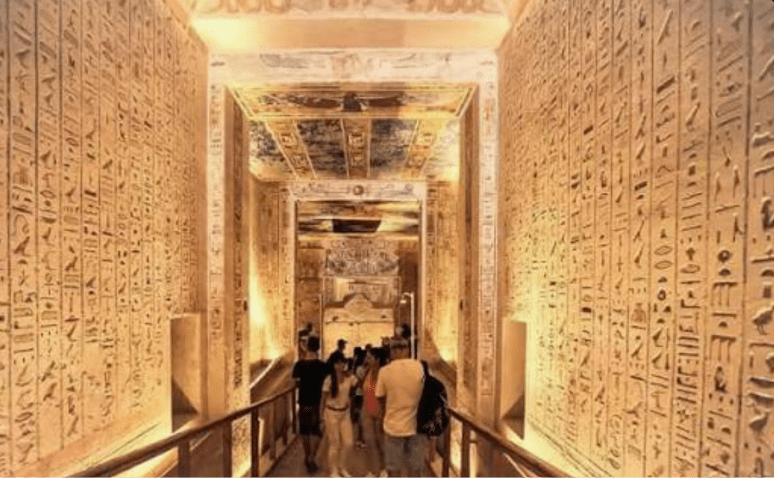
Ramses III (KV11) impresses with colorful wall scenes and beautifully preserved reliefs depicting the king’s journey through the afterlife.
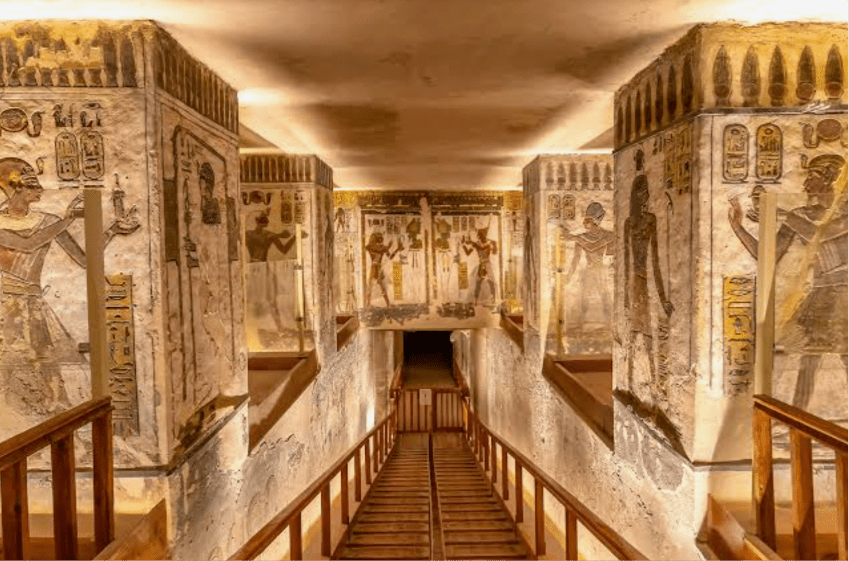
Merenptah (KV8) offers one of the valley’s longest layouts, giving visitors a sense of the monumental scale achieved by later New Kingdom architects.
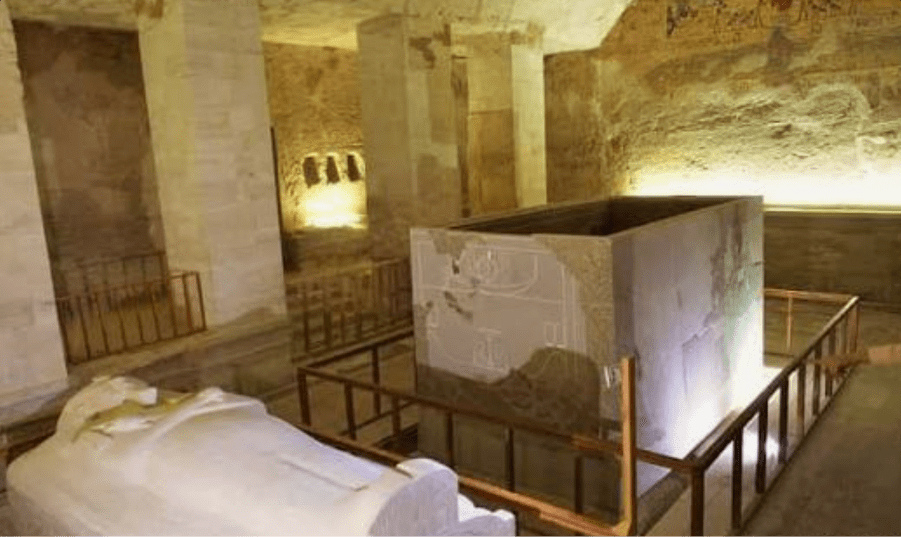
Special-ticket tombs, when open, are among Egypt’s greatest archaeological masterpieces. Seti I (KV17) is widely regarded as the finest tomb in the valley, with exceptionally detailed carvings and outstanding preservation.
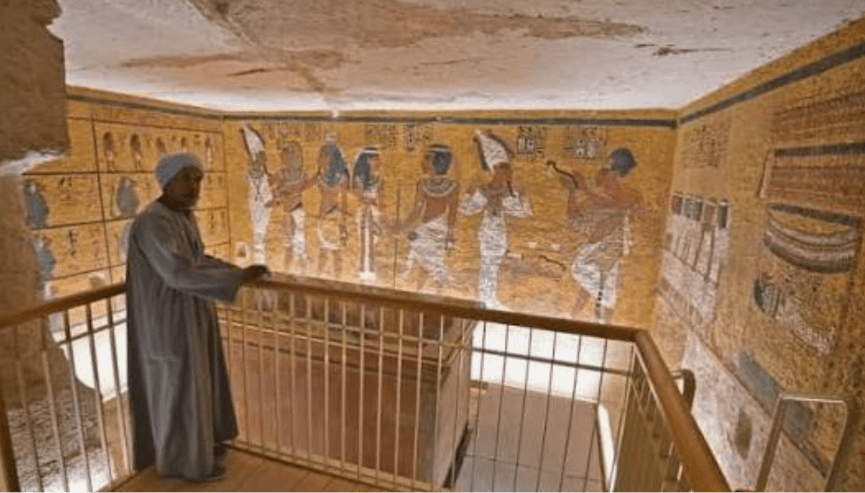
Tutankhamun (KV62) is historically significant because the young king’s mummy still rests inside the burial chamber, even though most treasures have been transferred to the Grand Egyptian Museum. Most of the objects discovered in Tutankhamun’s tomb are now best understood alongside the wider royal collection in Cairo; our Grand Egyptian Museum Guide explains what to prioritize there and how much time to allow.
Guide’s Note: Don’t choose tombs based solely on the pharaoh’s fame. Some lesser-known rulers have tombs with better-preserved artwork and fewer visitors than the valley’s most famous names.
How Long Should You Spend?
Most travelers should allow three to four hours for the Valley of the Kings.
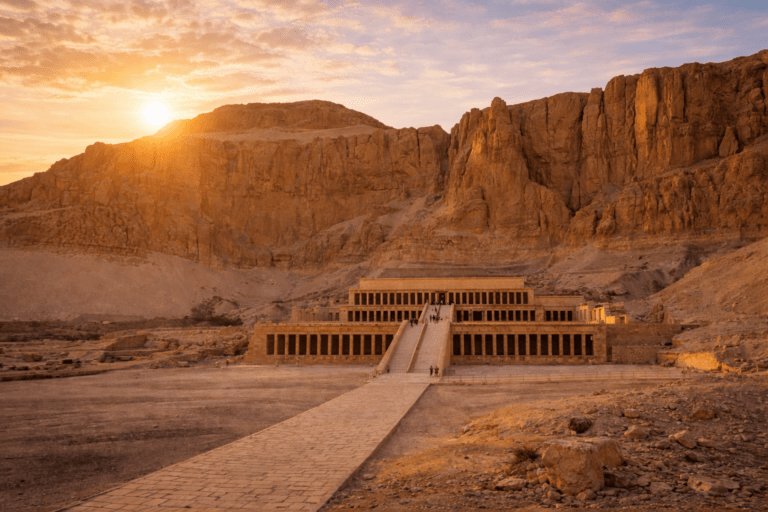
This provides enough time to visit several tombs, walk between entrances without rushing, and appreciate the artwork inside each burial chamber. Travelers combining the valley with nearby attractions such as Hatshepsut Temple or the Colossi of Memnon should dedicate a full day to Luxor’s west bank.
Avoid trying to fit the valley into a tight afternoon schedule. The experience deserves a slower pace, particularly if you’re interested in ancient Egyptian history.
A full West Bank day can combine the valley with the Temple of Hatshepsut and selected nearby monuments without repeatedly crossing the Nile.
Valley of the Kings Tickets
Admission includes entry to a set number of standard tombs, while certain high-profile tombs require separate tickets due to conservation efforts and visitor demand.
Because the list of open tombs changes periodically, it’s worth checking current availability before your visit. A licensed Egyptologist can also recommend which tombs offer the best experience on the day, depending on conservation schedules and crowd levels.
Opening Hours
The Valley of the Kings generally opens early in the morning and closes during the afternoon.
Early arrival is strongly recommended. Not only are temperatures significantly cooler, but you’ll also encounter quieter tombs before the busiest tour groups arrive from Luxor.
Best Time to Visit
October through April offers the most comfortable conditions, with cooler temperatures making it easier to explore the exposed valley.
During summer, temperatures on the west bank frequently exceed 40°C (104°F). Although the interiors of the tombs remain cooler than the desert outside, walking between entrances under direct sunlight becomes physically demanding by midday.
The first opening hours consistently provide the most enjoyable experience.
Guide’s Note: Carry water, wear a wide-brimmed hat, and choose lightweight clothing. There is very little natural shade once you leave the visitor center.
Getting to the Valley of the Kings
The Valley of the Kings lies on Luxor’s west bank, approximately 30 minutes from most hotels on the east bank, depending on traffic and ferry connections.
Private vehicles, taxis, and organized tours are the most convenient options. Many visitors combine the valley with Hatshepsut Temple, the Colossi of Memnon, and other west bank sites, reducing travel time and making the day more efficient.
If the Valley of the Kings is only one part of your stay, our Luxor Travel Guide explains how to divide the east and west banks without wasting the cooler morning hours.
Should You Visit With a Guide?
The tombs themselves contain limited explanatory information, making a knowledgeable Egyptologist particularly valuable.
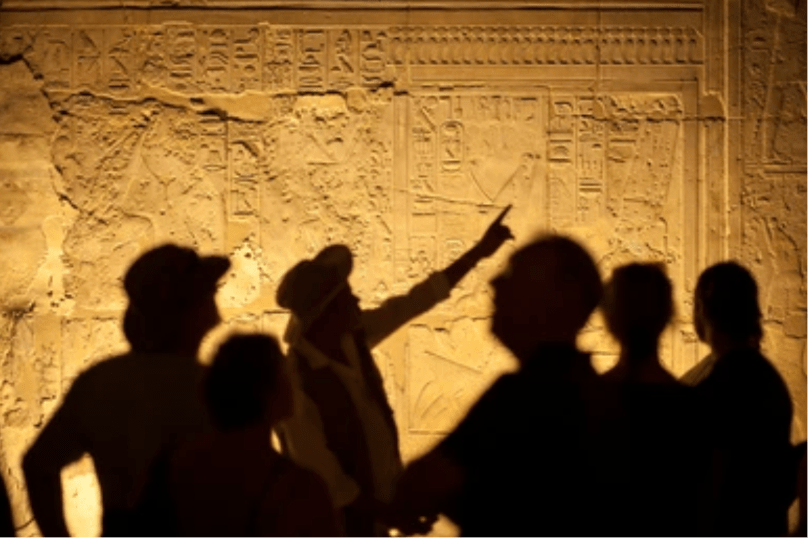
A guide can explain the symbolism behind the hieroglyphs, identify scenes depicting ancient religious beliefs, and place each pharaoh within Egypt’s broader history. Without that context, many visitors admire the artwork without fully understanding what they’re seeing.
Independent travelers can certainly enjoy the site, but guided visits typically provide a much richer experience.
Practical Tips for Your Visit
Photography regulations may vary depending on the tomb and current preservation policies, so confirm the latest rules before entering.
Comfortable walking shoes are essential because pathways are uneven in places and several tombs involve steep ramps or stairways. Although electric trams reduce the distance from the visitor center, visitors should still expect a moderate amount of walking.
If you’re sensitive to confined spaces, remember that some tomb passages are narrow and descend deep below ground before opening into larger chambers.
Is the Valley of the Kings Worth Visiting?
Absolutely.
Few places allow visitors to walk through royal burial chambers where ancient Egyptian artists created masterpieces that have survived for over three millennia. The valley offers a deeply personal connection with the pharaohs, revealing not only their power but also their beliefs about death, eternity, and the afterlife.
Combined with Luxor’s temples and monuments, it forms one of the greatest archaeological experiences anywhere in the world.
Frequently Asked Questions
Can I visit the Valley of the Kings and Karnak Temple on the same day?
Yes, but expect a full sightseeing day. Karnak Temple is on Luxor’s east bank, while the Valley of the Kings is on the west bank. Starting early allows enough time to enjoy both without rushing through either site.
Is Tutankhamun’s tomb included with the standard ticket?
Tutankhamun’s tomb normally requires a separate admission ticket. While most of the treasures discovered in 1922 are now displayed elsewhere, the king’s mummy remains inside the burial chamber, making it a unique historical experience.
Are all the tombs open every day?
No. Tombs rotate regularly for conservation, restoration, and preservation. This means the selection available during your visit may differ from previous years or guidebooks.
Is the Valley of the Kings suitable for children?
Older children with an interest in history generally enjoy the experience, especially the colorful tomb decorations. Families visiting during warmer months should arrive early, as the exposed desert conditions become challenging during the afternoon.
Many travelers make the mistake of treating the Valley of the Kings as just another stop on a busy Luxor itinerary, rushing through whichever tombs happen to be closest. Explore Egyptian Nile Adventures designs west bank experiences around the best available tombs, cooler visiting hours, and expert Egyptologist guidance, so you spend your time discovering the stories behind the artwork instead of simply walking past it. Explore our Luxor tours and Egypt itineraries to experience the Valley of the Kings the way it was meant to be seen.