9 Day Egypt Itinerary: Cairo, Nile Cruise, Luxor and Hurghada
Nine days gives first-time visitors enough time to experience Egypt’s essential historical route and still include a genuine change of pace before flying home.
The strongest itinerary begins in Cairo, continues by domestic flight to Aswan, follows the Nile north toward Luxor, and ends with a short Red Sea stay in Hurghada before returning to Cairo. This route includes the pyramids, major temples, royal tombs, river scenery, and a full day beside the sea without trying to force Alexandria, Abu Simbel, Siwa, and every other famous destination into the same trip.
Nine days still requires disciplined planning. Arrival and departure days consume part of the schedule, cruise departures operate on fixed days, and domestic flights must connect cleanly with sightseeing. When those logistics are arranged properly, however, the itinerary feels varied rather than frantic.
Travelers still deciding whether nine days suits their plans should first read How Many Days Do You Need in Egypt?, while Planning a Trip to Egypt explains the wider decisions around flights, routes, and travel style.
Expert Insight: Nine days is long enough to combine ancient Egypt with the Red Sea, but only if the itinerary moves in one direction. Repeated returns to Cairo or unnecessary hotel changes quickly use the time that should be spent at the monuments.
Is Nine Days Enough for Egypt?
Nine days is enough for a strong first visit covering Cairo, Aswan, a short Nile cruise, Luxor, and Hurghada.
You can see the Pyramids of Giza, Saqqara, the Grand Egyptian Museum, Philae Temple, Kom Ombo, Karnak, Luxor Temple, the Valley of the Kings, and Hatshepsut’s temple while still preserving one full day for the Red Sea.
What does not fit comfortably is a longer list of separate destinations. Alexandria adds a full road day from Cairo. Abu Simbel requires a very early excursion from Aswan. Siwa needs almost a full travel day in each direction. Each can work as a variation, but adding several of them produces a trip built around transfers rather than experiences.
Nine-Day Egypt Itinerary Overview
| Category | Recommended Plan |
|---|---|
| Ideal traveler | First-time visitors wanting history and relaxation |
| Best route | Cairo → Aswan → Nile cruise → Luxor → Hurghada → Cairo |
| Main bases | Cairo, Nile cruise, Hurghada |
| Hotel changes | Three to four |
| Nile cruise | Recommended |
| Domestic flights | Cairo–Aswan and Hurghada–Cairo |
| Pace | Moderate, with several early starts |
| Best extension | Extra Hurghada night or Abu Simbel |
Suggested Route
Cairo → Aswan → Kom Ombo → Edfu → Luxor → Hurghada → Cairo
This route limits backtracking. The domestic flight reaches Aswan quickly, the cruise carries travelers toward Luxor without repeated hotel changes, and the road transfer from Luxor to Hurghada creates a natural transition from archaeology to the Red Sea.
Day 1: Arrival in Cairo
The first day should remain light. Cairo International Airport formalities, baggage collection, traffic, and hotel check-in can occupy several hours even when the flight arrives on time.
After settling in, spend the evening recovering from the journey rather than beginning major sightseeing. A relaxed dinner near the hotel or overlooking the Nile provides a better start than forcing a museum or market into an unpredictable arrival schedule.
Overnight: Cairo
Day 2: Giza, Saqqara and the Origins of the Pyramids
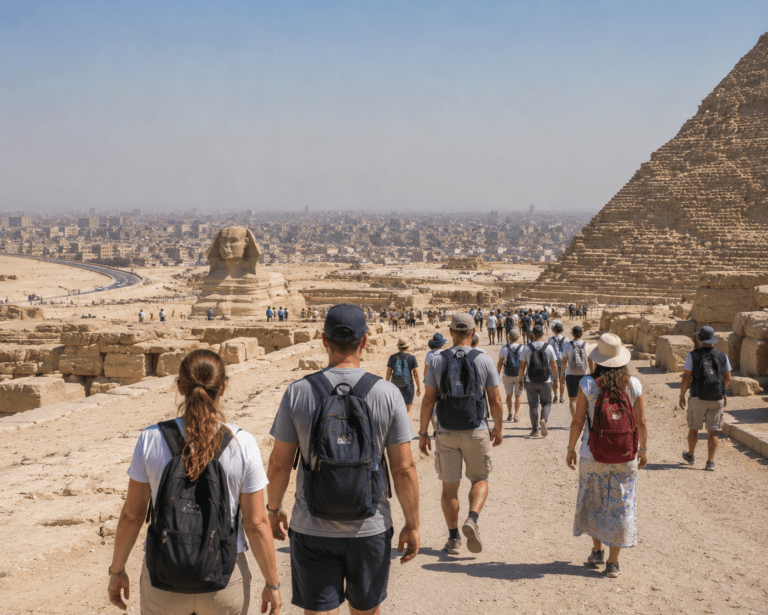
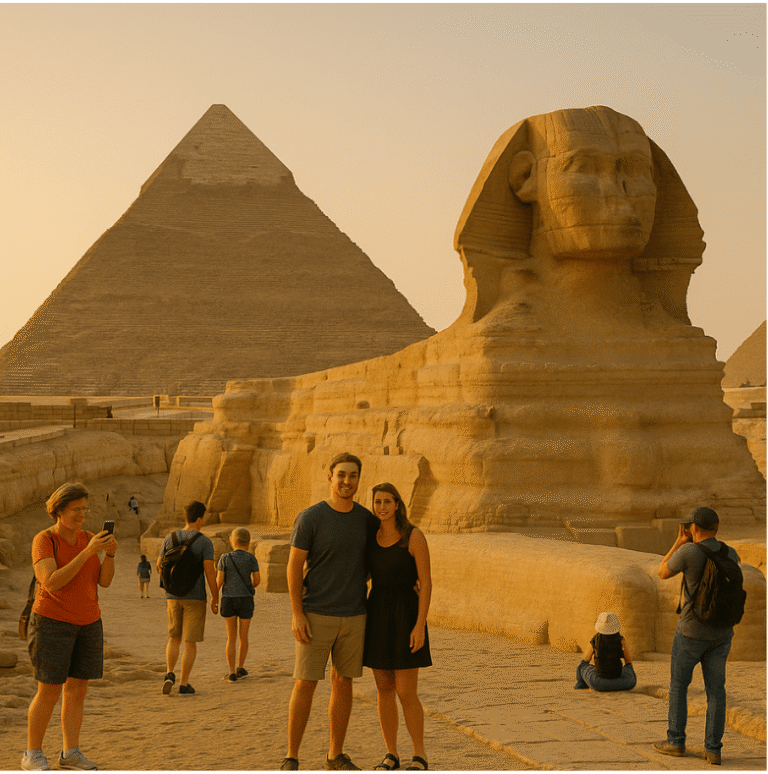
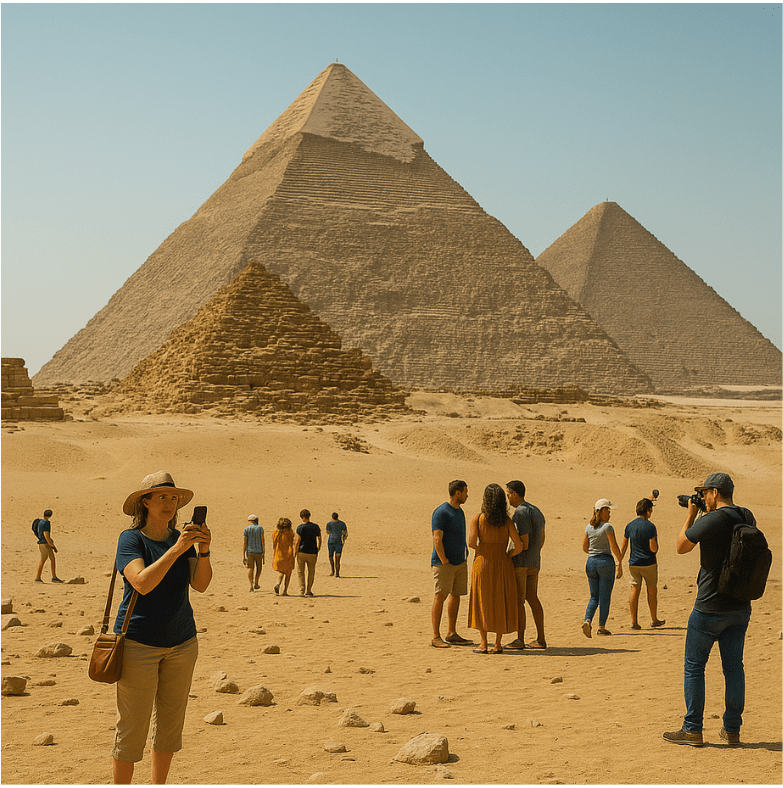
Begin at the Giza Plateau while temperatures are cooler and the site is less congested. The Great Pyramid, the pyramids of Khafre and Menkaure, the panoramic viewpoint, the Sphinx, and the Valley Temple require more time than a quick sequence of photographs.
After Giza, continue south to Saqqara. The Step Pyramid of Djoser places the monuments visited earlier into a clearer historical sequence, showing how royal pyramid construction developed before reaching its peak at Giza. Memphis can be included if timing and energy allow, although Saqqara deserves priority.
This is a physically exposed day with limited shade at both archaeological zones. Starting early and avoiding an overloaded evening is the stronger choice.
Overnight: Cairo
Guide’s Note: Travelers often underestimate the size of Giza and then lose time at Saqqara. A private vehicle and guide make the day far more efficient because movement within and between the sites matters as much as admission time.
Day 3: Fly to Aswan and Board the Nile Cruise
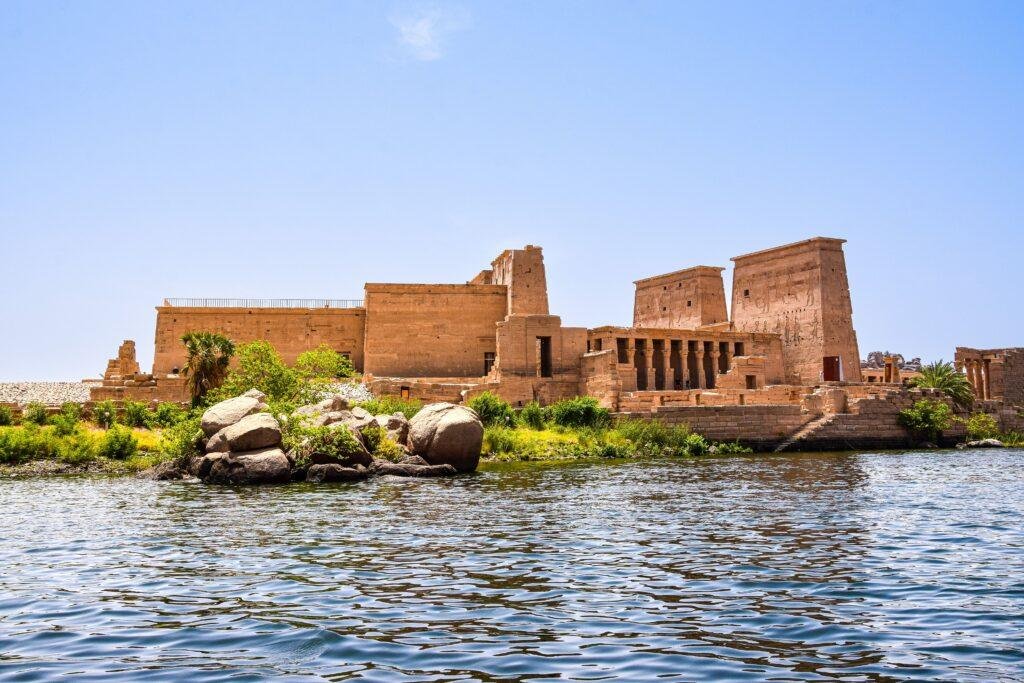
Take a morning flight to Aswan and transfer directly into the Upper Egypt portion of the trip. Cruise schedules determine the exact order of sightseeing, but Philae Temple should be the priority.
The temple sits on Agilkia Island and is reached by motorboat, making the approach part of the experience. Its reliefs, courtyards, and relationship with the water provide a softer introduction to Upper Egypt than beginning with several rushed engineering stops.
The Unfinished Obelisk can also fit into the day. The Aswan High Dam is historically significant, but it is less visually rewarding than Philae or a Nubian cultural experience. Travelers with limited time should not give it equal weight simply because it appears on conventional itineraries.
Board the cruise, settle into the cabin, and allow the evening to introduce the rhythm of the Nile.
Overnight: Nile cruise in or near Aswan
Day 4: Kom Ombo and Life Along the Nile
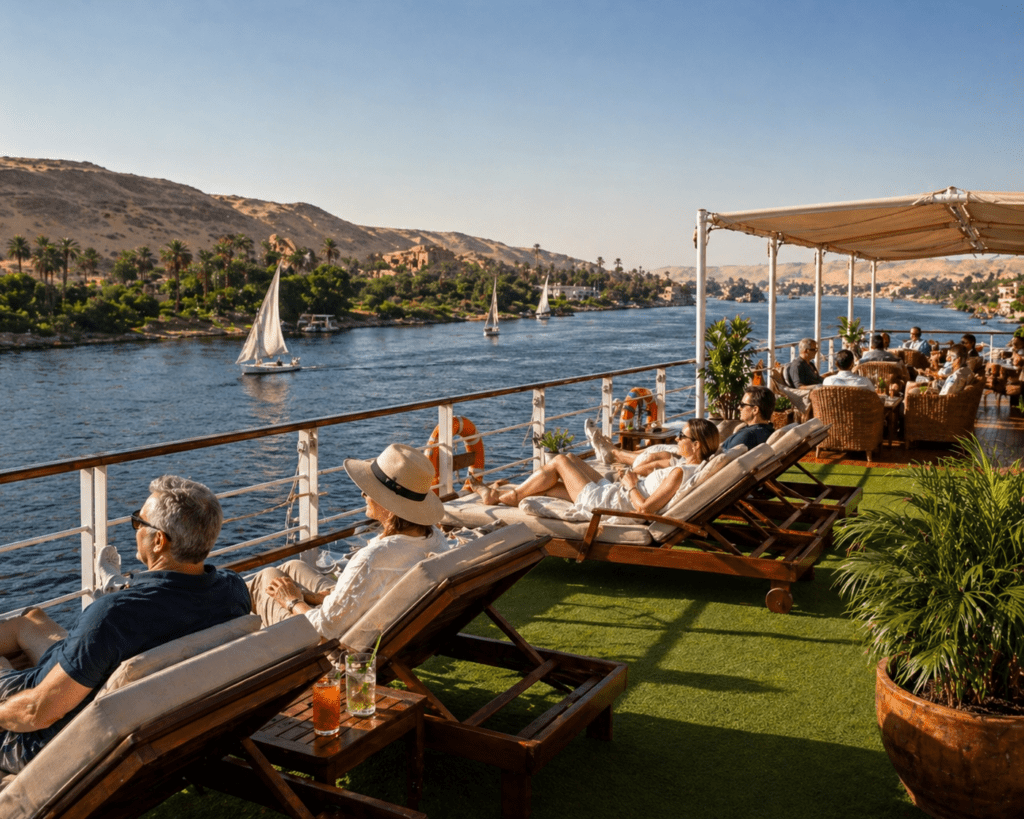
The fourth day shows why a cruise works so well within a nine-day itinerary. Instead of changing hotels or making a long road transfer, the ship moves while you rest, eat, and watch the riverbanks pass.
Kom Ombo Temple stands immediately beside the Nile and is usually reached in the late afternoon or evening, depending on the sailing program. Its unusual double design reflects its dedication to Sobek and Haroeris, while the nearby crocodile museum adds context without requiring a separate excursion.
The time between visits should remain genuinely unstructured. Watching villages, fields, fishing boats, and palms from the sundeck is not empty time; it is part of understanding how closely Egyptian life remains tied to the river.
Overnight: Nile cruise
Day 5: Edfu, Karnak and Luxor Temple
Cruise schedules vary, but Edfu Temple is commonly visited early, often using local horse-drawn carriages between the dock and the site. The temple is among Egypt’s best-preserved ancient sanctuaries, though the visit can feel busy when several ships arrive together.
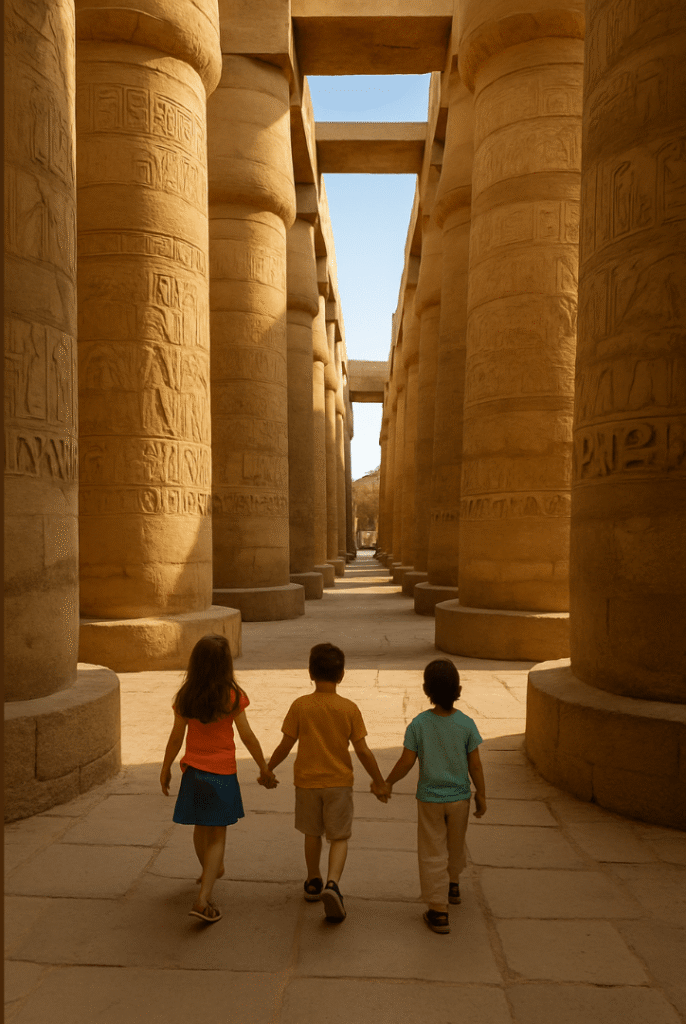
Continue sailing toward Luxor before visiting Karnak and Luxor Temple according to the ship’s program. Karnak requires patience. The scale of the Great Hypostyle Hall, pylons, obelisks, courtyards, and sacred spaces cannot be absorbed during a hurried walkthrough.
Luxor Temple is particularly effective later in the day or after sunset, when the heat fades and the illuminated sandstone creates a completely different atmosphere from daytime temple visits.
Overnight: Nile cruise or Luxor hotel, depending on disembarkation schedule
Day 6: Luxor’s West Bank and Transfer to Hurghada
Begin early on Luxor’s West Bank before the sun reaches its strongest intensity. The Valley of the Kings offers little shade between tomb entrances, and the interior heat becomes more noticeable as visitor numbers rise.
Continue to the Temple of Hatshepsut, whose terraces sit dramatically beneath the limestone cliffs, followed by a brief stop at the Colossi of Memnon. The order keeps the principal outdoor sites within the cooler part of the morning.
After lunch, drive east through the desert toward Hurghada. The journey generally takes several hours and should be treated as the day’s second major movement rather than an insignificant transfer. Arriving by evening gives travelers time to check in, eat, and rest beside the Red Sea.
Overnight: Hurghada
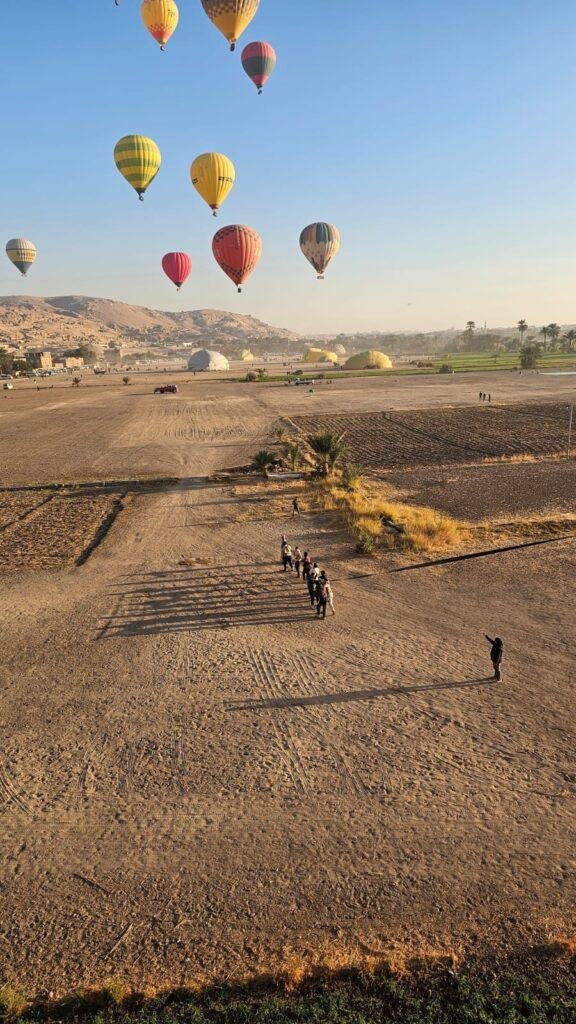
Optional activity: A sunrise hot-air-balloon flight can be added before West Bank sightseeing, but it creates a very early and physically long day. It works best for travelers comfortable beginning before dawn and continuing directly into the archaeological program.
Day 7: A Full Red Sea Day
After six days of flights, temples, tombs, and early departures, Hurghada should not become another tightly scheduled sightseeing day.
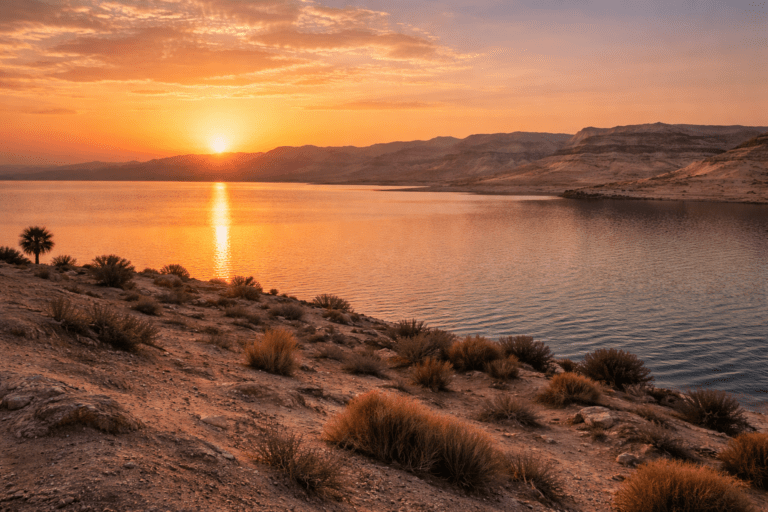
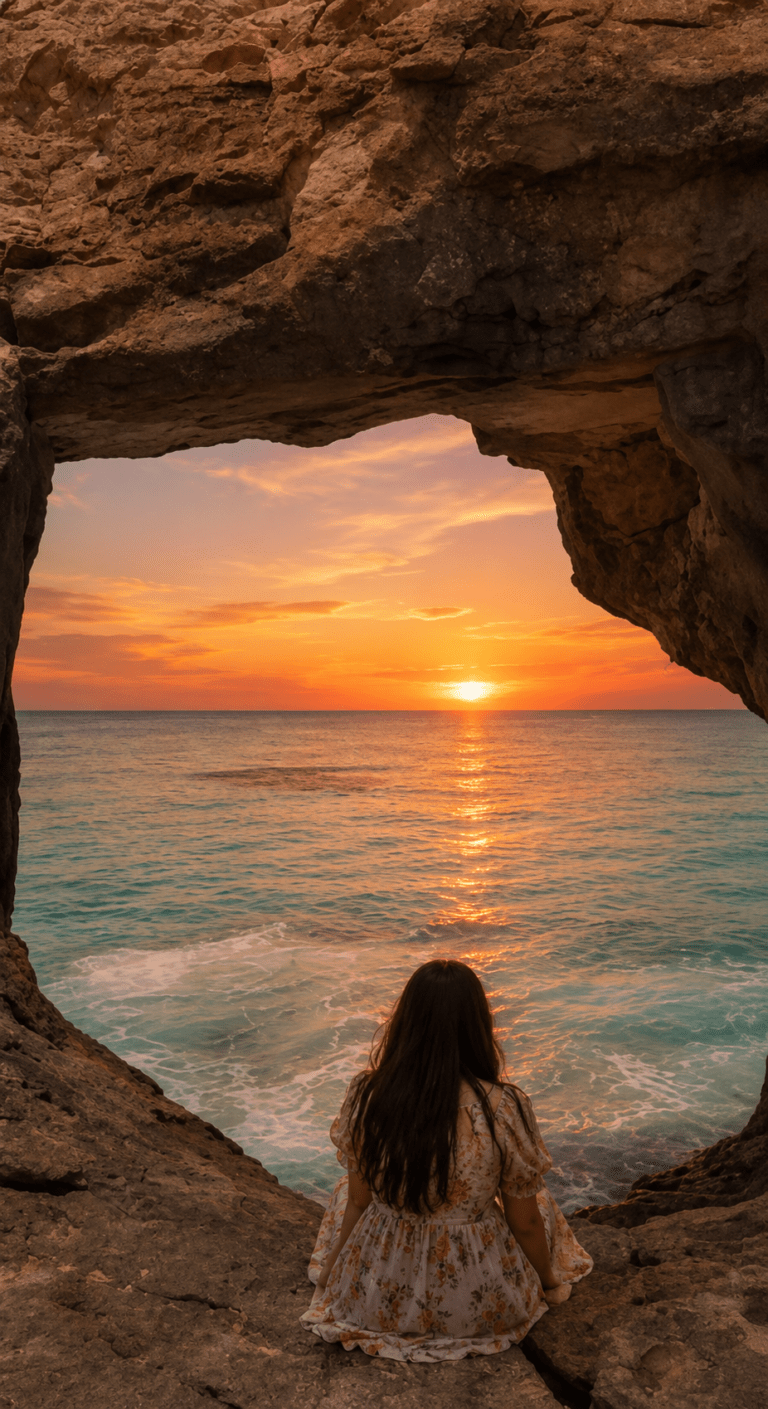
Spend the morning on a snorkeling or diving excursion if the Red Sea is a priority. Offshore reefs offer far more than a resort pool, with clear water, coral formations, and marine life that create a complete contrast to the Nile Valley.
Travelers who need rest should keep the day at the hotel beach. That is not wasted itinerary space. The purpose of including Hurghada is to restore balance after the historical route, not to add another checklist.
A quiet evening at the marina or resort completes the day without requiring further transport.
Overnight: Hurghada

Day 8: Return to Cairo, the Grand Egyptian Museum and Khan El Khalili
Take an early flight from Hurghada to Cairo. The Grand Egyptian Museum is the priority after arrival because it completes the historical sequence begun at Giza and continued through Upper Egypt.
The museum requires several hours. Trying to treat it as a brief airport-day stop weakens one of Cairo’s most important experiences. Flight timing therefore matters: a late arrival should lead to a reduced program rather than an unrealistic attempt to include the museum, Historic Cairo, and a long market visit.
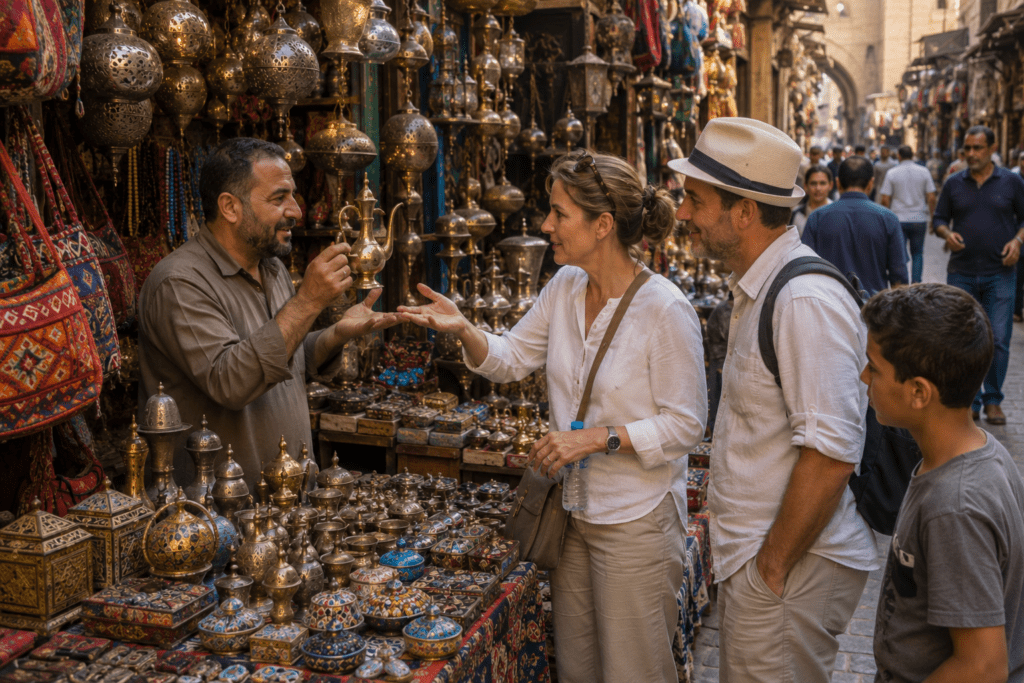
When the schedule works, continue to Khan El Khalili in the late afternoon or evening. The market and surrounding Islamic Cairo streets become more atmospheric as temperatures fall and shopfronts illuminate.
Overnight: Cairo
Day 9: Departure
Transfer to Cairo International Airport with enough time for traffic and departure procedures.
Travelers with a late flight can use the morning for a relaxed breakfast or a short nearby visit, but major sightseeing should not be placed immediately before an international departure.
Prefer to book a nine-day route rather than rebuild it yourself? ENA’s nine-day Cairo, Nile Cruise & Red Sea itinerary combines the major historical stops with Hurghada at the end.
Why This Route Works
The itinerary follows Egypt’s geography instead of fighting it.
Cairo comes first because most international flights arrive there and because Giza provides the clearest introduction to ancient Egypt. Flying to Aswan avoids losing a full day on the road or railway. The Nile cruise then handles the journey toward Luxor while combining transport, accommodation, meals, and temple visits.
From Luxor, Hurghada is reached directly by road rather than sending travelers back through Cairo. The final domestic flight returns to the capital for the museum and international departure.
The Red Sea day also appears at the correct point. Placing it after Upper Egypt allows tired travelers to recover, whereas putting the beach first often makes the later sequence of early temple visits feel more demanding.
Estimated Budget for Nine Days
A budget-conscious independent trip may cost approximately $1,600 to $2,300 per person, excluding international airfare. That range usually requires simple hotels, careful flight booking, and a lower-cost cruise.
A mid-range private itinerary commonly falls between $2,500 and $4,000 per person, depending on hotel category, cruise standard, domestic flights, entrance inclusions, and whether guiding is private throughout.
Luxury arrangements can exceed $5,000 per person, particularly when premium Nile vessels, high-end Cairo hotels, private guides, upgraded cabins, and Red Sea resorts are included.
Prices vary significantly by season. Christmas, New Year, Easter, and peak winter dates generally cost more than hotter periods.
Transportation Used
This itinerary depends on using each form of transport where it works best.
Domestic flights connect Cairo with Aswan and Hurghada with Cairo. A cruise handles the Upper Egypt route. Private vehicles make sightseeing efficient in Cairo, Luxor, and Aswan, while the road journey between Luxor and Hurghada avoids an unnecessary flight connection.
The train between Cairo and Upper Egypt is possible, but it consumes more of a nine-day schedule. Travelers prioritizing time over cost should fly.
Can You Include Abu Simbel?
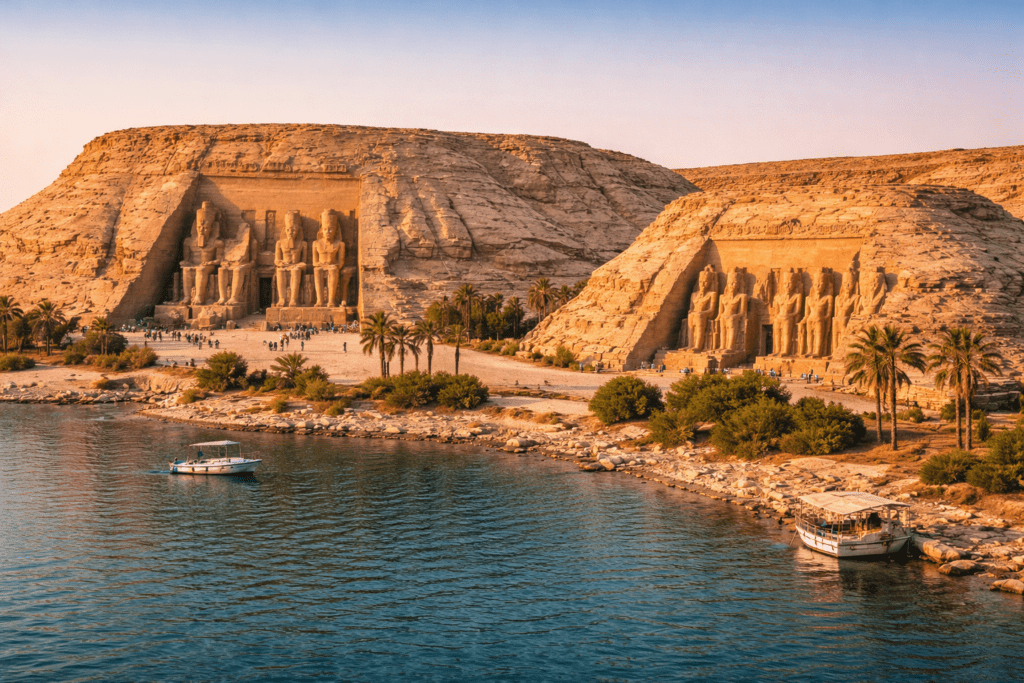
Abu Simbel can be added, but it changes the pace.
The excursion usually requires a departure from Aswan before sunrise and a substantial round trip by road. It works best if cruise embarkation and flight schedules align or if an extra Aswan night is added.
Within a strict nine-day itinerary, Abu Simbel may replace part of the Aswan sightseeing rather than simply being added on top. Travelers determined to include it should avoid pretending the day remains relaxed.
Can Families Follow This Itinerary?
Families can follow this route, but the pace needs adjustment.
The strongest family version keeps private guiding, uses hotels with pools, protects the Red Sea day from additional excursions, and limits long museum sessions. Younger children may benefit from skipping Memphis, reducing the number of tombs entered in Luxor, or replacing Abu Simbel with a slower Aswan experience.
A Nile cruise generally works well for families because the cabin remains constant while the ship moves and children have downtime between site visits.
Possible Variations
Travelers focused entirely on archaeology can replace Hurghada with an extra day in Aswan and another in Luxor. This creates more time for Abu Simbel, a Nubian village, Elephantine Island, Luxor Museum, or additional West Bank tombs.
Those who value the Mediterranean can replace Hurghada with Alexandria. The resulting route covers Cairo, Aswan, Luxor, and Alexandria, but it feels more active because the coastal day adds another overland journey rather than a recovery period.
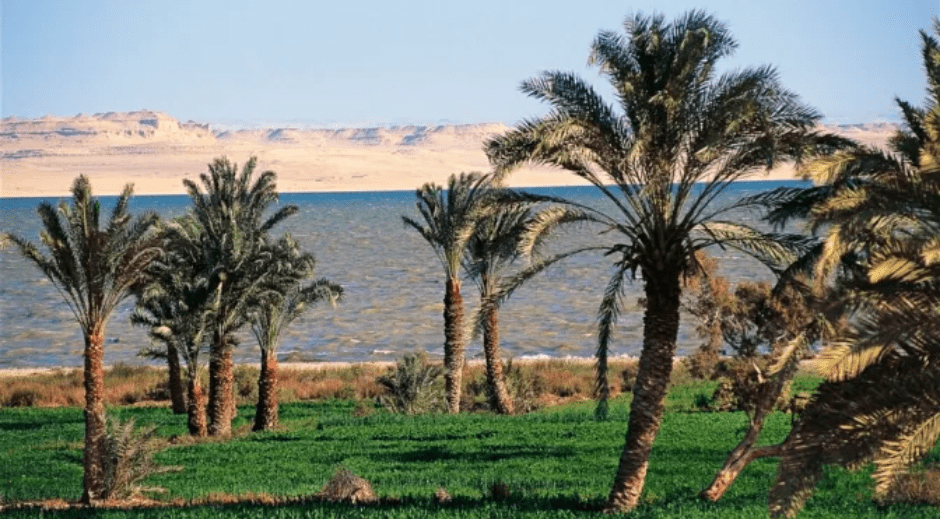
Travelers seeking nature near Cairo can add an overnight trip to Fayoum instead of the Red Sea. Wadi El Rayan, UNESCO site – the Valley of the Whales, Magic Lake, and sandboarding create a contrasting landscape without the long commitment required for Siwa.
Hurghada remains the strongest default for most first-time visitors because it provides genuine rest after Upper Egypt while preserving a clear and efficient route.

Common Planning Mistakes
Trying to include both Hurghada and Alexandria is the clearest way to overload nine days. Each adds transport, and neither receives enough time when both are squeezed into the same route.
Another mistake is treating cruise schedules as flexible. Nile cruises operate on set embarkation days, and the entire itinerary must be built around those departures rather than assuming any route begins on any date.
Travelers also lose time when they return to Cairo between Upper Egypt and Hurghada. The direct Luxor–Hurghada road transfer is the more efficient movement.
The final Cairo day is another pressure point. A late flight from Hurghada can make the Grand Egyptian Museum impractical. Booking the correct domestic flight is not a minor detail; it determines whether the day works at all.
Finally, avoid making every stop equal. Philae Temple deserves more attention than the High Dam, Karnak deserves more time than the Colossi of Memnon, and the Red Sea deserves at least one full day rather than a late arrival followed by an early departure.
FAQ
Is nine days enough for a first trip to Egypt?
Nine days is enough to combine Cairo, Aswan, a short Nile cruise, Luxor, and Hurghada without creating an excessively fast itinerary. It does not allow every major region of Egypt, so destinations such as Siwa and Alexandria should normally wait for a longer visit or replace another stop.
Is a Nile cruise worth including in nine days?
A three-night cruise fits naturally and is the strongest way to connect Aswan with Luxor. It reduces hotel changes while including Kom Ombo, Edfu, and valuable time on the river.
Should I choose Hurghada or Alexandria?
Hurghada is the stronger default after Cairo and Upper Egypt because it provides rest and a completely different landscape. Alexandria suits travelers more interested in Greco-Roman history and Mediterranean culture than beach time.
Can Abu Simbel fit into this itinerary?
It can, but the schedule becomes more demanding. The excursion should replace part of the Aswan program or be supported by an additional night rather than added without adjusting anything else.
Is the itinerary too fast for older travelers?
The route is manageable with private transport and sensible early starts, but the Luxor days, airport transfers, and cruise excursions still require moderate mobility. Older travelers may prefer replacing Hurghada or Abu Simbel with additional time in Aswan or Luxor.
Should the cruise sail from Aswan to Luxor or Luxor to Aswan?
Both directions work, but an Aswan-to-Luxor cruise is particularly convenient for this route because it leads naturally into the road transfer from Luxor to Hurghada. Final direction should still be selected according to the traveler’s dates and the ship’s departure schedule.
Many nine-day itineraries fail because they promise Cairo, a cruise, Luxor, Aswan, the Red Sea, Alexandria, and Abu Simbel without acknowledging the time lost between them. Explore Egyptian Nile Adventures offers a proven nine-day route combining Cairo, a five-star Nile cruise, Luxor, and Hurghada, with an alternative Cairo–Aswan–Luxor–Alexandria journey for travelers who prefer the Mediterranean. Choose the version that matches your priorities before booking flights; the correct route gives you a complete Egypt experience, while the wrong one turns nine valuable days into a chain of transfers.