Siwa Oasis Egypt: The Complete Travel Guide to Egypt’s Most Remote Oasis
Siwa Oasis feels like a different world.
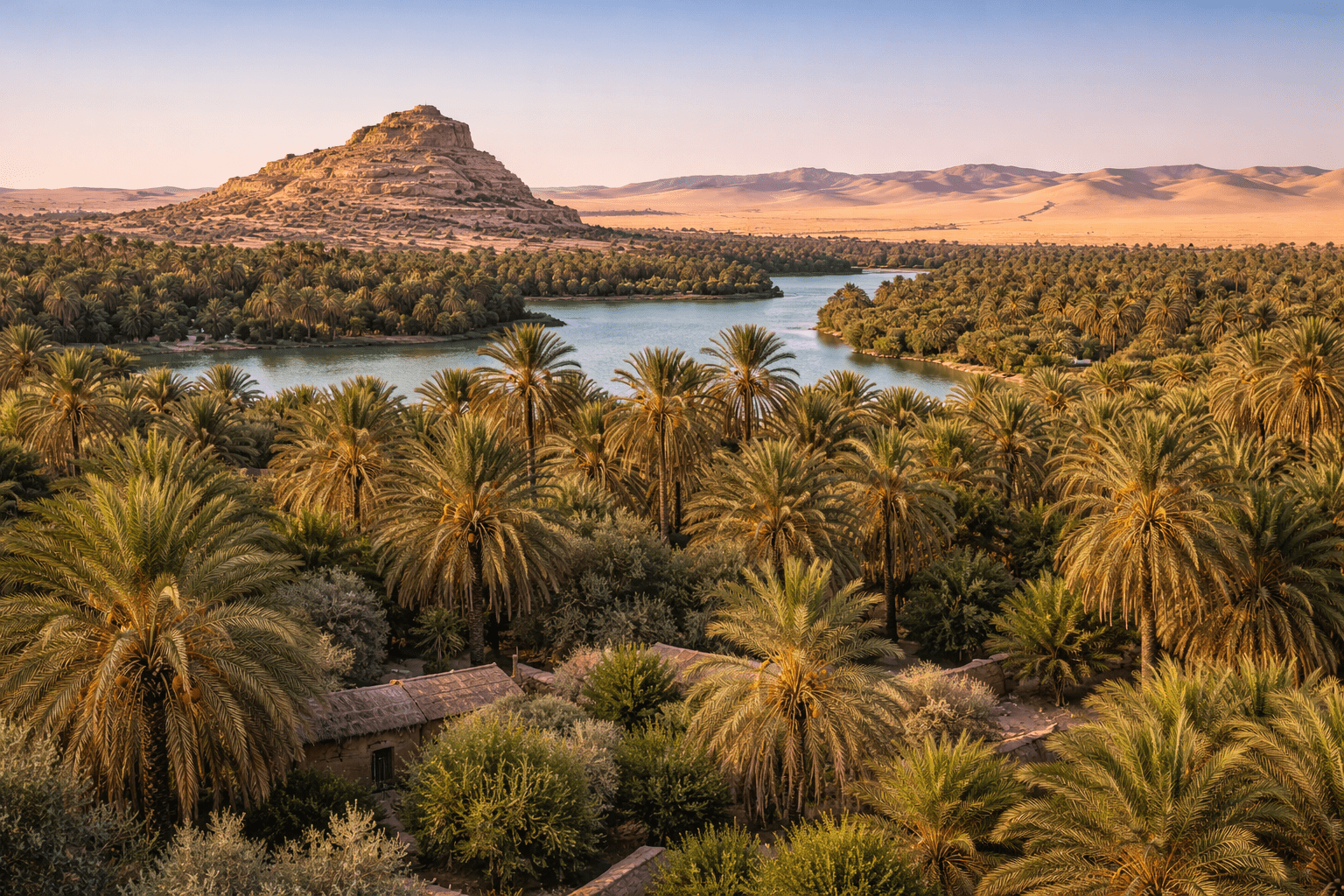
Far from Egypt’s crowded cities and far from the temple landscapes of the Nile Valley, Siwa sits deep in the Western Desert near the Libyan border, surrounded by vast sand seas and rugged desert plateaus. Palm groves spread across the oasis floor, salt lakes shimmer in the sunlight, and ancient mudbrick settlements rise quietly from the desert.
For centuries, Siwa remained one of Egypt’s most isolated communities. That isolation helped preserve a distinct culture, language, and architectural tradition that still shapes life in the oasis today. Even now, reaching Siwa requires a long journey across the desert — but that journey is part of the experience.
Travelers who arrive often describe the same feeling: Siwa moves at a completely different rhythm from the rest of Egypt.
Instead of crowded monuments and dense city streets, the oasis offers open landscapes and quiet exploration. Visitors float in mineral-rich salt lakes, wander through the ruins of the ancient fortress of Shali, explore desert springs, and watch the sun sink behind the dunes of the Great Sand Sea.
Siwa also holds a place in ancient history. The oasis was once home to the famous Oracle of Amun, where Alexander the Great traveled in 331 BC to seek confirmation of his divine rule. Today, that history blends with traditional Berber culture and one of the most distinctive desert environments in North Africa.
For travelers looking to experience a deeper and less conventional side of Egypt, Siwa Oasis offers something rare: remoteness, natural beauty, and cultural authenticity.
This guide covers everything you need to know before visiting Siwa Oasis — including what to see, how to get there, where to stay, when to visit, and how to include Siwa in a well-balanced Egypt itinerary.
Where Is Siwa Oasis — And Why Its Location Matters
Siwa Oasis lies in Egypt’s Western Desert, about 750 kilometers (465 miles) southwest of Cairo and roughly 50 kilometers from the Libyan border. It sits within a natural depression surrounded by vast stretches of desert, including the enormous Great Sand Sea, one of the largest dune fields in the world.
This geography is the reason Siwa feels so different from the rest of Egypt.
Unlike destinations along the Nile, Siwa developed far from major trade routes and political centers. For centuries, the oasis was reachable only by long desert journeys across sand and salt flats. That isolation helped preserve its unique identity, including its Siwi language, traditional mudbrick architecture, and strong community culture.
Even today, reaching Siwa requires a long overland drive through the Western Desert, usually beginning in Cairo or the Mediterranean city of Marsa Matruh. The journey takes several hours and passes through increasingly remote landscapes — desert plains, rocky plateaus, and occasional military checkpoints that mark the border region.
But this remoteness is exactly what makes Siwa special.
The oasis forms a green island in the desert, sustained by hundreds of natural springs and underground water sources. Date palms and olive groves dominate the landscape, while salt lakes and mineral pools create brilliant patches of turquoise against the pale desert floor.
Because of its location, Siwa has historically served as both a refuge and a crossroads. Caravans once passed through the oasis on routes connecting Egypt with Libya and the wider Sahara, and ancient travelers made the journey to consult the Oracle of Amun, one of the most famous religious sites of the ancient world.
Today, Siwa remains one of the most remote and culturally distinct places in Egypt — a destination where the journey itself becomes part of the story.
Why Travelers Visit Siwa Oasis
Siwa Oasis attracts travelers who are looking for something very different from Egypt’s famous historical circuit. While destinations like Cairo and Luxor focus on monumental archaeology, Siwa offers an experience centered on landscape, culture, and isolation.
The oasis sits in the middle of one of the largest desert environments in the world, yet it supports a thriving ecosystem of palm groves, freshwater springs, and salt lakes. This combination of desert and water creates scenery that feels both dramatic and unexpectedly peaceful.
Many visitors come to Siwa for the natural experiences. Floating in the oasis’s salt lakes feels almost surreal, as the high mineral content allows the body to float effortlessly. Desert safaris across the Great Sand Sea reveal towering dunes that stretch for miles, and sunset from the top of these dunes often becomes one of the most memorable moments of the trip.
Others visit Siwa because of its unique culture. The people of the oasis maintain traditions that differ noticeably from those of the Nile Valley. The Siwi language, distinctive architecture made from mudbrick and salt rock, and local customs have all developed in relative isolation from the rest of the country.
Siwa also holds an important place in ancient history. The oasis was once home to the famous Oracle of Amun, where Alexander the Great traveled in 331 BC to confirm his divine status as ruler of Egypt. Ruins of temples and fortresses from different eras still stand around the oasis, quietly linking the present landscape to its ancient past.
For many travelers, the appeal of Siwa comes down to atmosphere. The pace of life is slower. The landscape is wide and open. Nights reveal brilliant desert stars, and days revolve around springs, dunes, and quiet exploration.
It is one of the few places in Egypt where the experience feels less like sightseeing and more like entering a different world.
The Landscape of Siwa Oasis
The landscape of Siwa Oasis is unlike anywhere else in Egypt. Instead of the Nile’s green corridor or the Red Sea’s coral coastline, Siwa presents a striking contrast of palm forests, salt lakes, rocky outcrops, and vast desert dunes.
At the center of the oasis lie thousands of date palms and olive trees, which form the agricultural heart of Siwa. These groves are sustained by natural underground water sources that surface as springs throughout the oasis. For centuries, this fertile pocket of land has supported farming communities despite being surrounded by one of the most extreme desert environments in North Africa.
Scattered across the oasis are dozens of salt lakes, whose brilliant turquoise colors stand out dramatically against the pale desert floor. The high mineral content of these lakes makes them incredibly buoyant, allowing visitors to float effortlessly on the surface. Their unusual colors and mirror-like reflections have also made them one of Siwa’s most photographed natural features.
Beyond the cultivated areas, the landscape begins to change quickly. Low limestone hills and rocky ridges rise from the oasis floor, many of them containing ancient tombs carved directly into the stone. These formations create natural viewpoints where visitors can look across the entire oasis — palm trees stretching toward the horizon with desert cliffs framing the scene.
Just beyond these ridges lies the Great Sand Sea, one of the largest dune systems in the Sahara. Here the terrain transforms again into sweeping waves of sand that can reach heights of more than 100 meters. The dunes constantly shift with the wind, creating a landscape that feels both timeless and ever-changing.
This combination of water, vegetation, rock formations, and massive dunes gives Siwa its unique character. It is a place where green oasis life and endless desert meet, creating one of the most visually dramatic environments in Egypt.
The History of Siwa Oasis
The history of Siwa Oasis stretches back thousands of years and reflects its role as both a remote refuge and an important crossroads of the desert. Although isolated, the oasis has long held spiritual, cultural, and strategic significance.
Ancient Egypt and the Oracle of Amun
Siwa first gained major historical importance during the Late Period of ancient Egypt, when the oasis became home to the famous Oracle of Amun. The temple dedicated to this powerful deity was located at what is now known as the Temple of the Oracle, near the village of Aghurmi.
The oracle was widely respected across the ancient world. Pilgrims and rulers traveled long distances through the desert to consult the priests, who were believed to interpret the will of the god Amun.
The most famous visitor was Alexander the Great. In 331 BC, after conquering Egypt, Alexander made the difficult journey across the desert to Siwa. According to historical accounts, the oracle confirmed him as the divine son of Amun, strengthening his claim to rule. This moment became one of the most legendary events associated with the oasis.
Greek and Roman Periods
During the Greek and Roman eras, Siwa continued to function as a remote but valuable desert settlement. The oasis produced dates, olives, and other crops that supported local communities and passing caravans.
The surrounding hills were also used as burial grounds. Rock-cut tombs carved into limestone cliffs—now known as the Mountain of the Dead (Gebel al-Mawta)—date largely to this period and provide evidence of the oasis’s continued importance.
Medieval and Ottoman Eras
In later centuries, Siwa remained isolated but inhabited. The oasis developed its own architectural traditions using kershef, a local building material made from salt, clay, and mud.
The most striking example of this architecture is the Fortress of Shali, built in the 13th century. Constructed to protect the community from raids, the fortress formed a dense mudbrick settlement that served as the center of Siwan life for hundreds of years.
Siwa in Modern Egypt
Siwa remained largely cut off from the rest of Egypt until the 20th century. Roads connecting the oasis to the outside world were built relatively recently, allowing tourism and trade to grow while still preserving much of the oasis’s unique culture.
Today, Siwa stands as one of Egypt’s most distinctive destinations. Its ancient temples, medieval ruins, and living traditions tell the story of a community shaped by desert isolation, cultural resilience, and centuries of history.
The Best Things to Do in Siwa Oasis
Siwa Oasis offers a completely different type of travel experience from the rest of Egypt. Instead of moving between temples and museums, visitors explore natural landscapes, historic ruins, desert dunes, and traditional villages. The best experiences in Siwa combine history, nature, and atmosphere.
Explore the Ruins of Shali Fortress
The Fortress of Shali sits at the heart of Siwa town and is one of the oasis’s most recognizable landmarks. Built in the 13th century using a local material called kershef (a mixture of salt, mud, and clay), Shali once served as a fortified village protecting residents from desert raids.
Today the structure stands partially in ruins, but walking through its narrow passages gives visitors a glimpse into how the community once lived inside its protective walls. Climbing to higher points around the ruins offers panoramic views across Siwa’s palm groves and lakes.
The fortress is especially beautiful at sunset, when the soft desert light highlights the textures of the ancient mudbrick walls.
Visit the Temple of the Oracle of Amun
Just outside the main oasis lies the Temple of the Oracle of Amun, one of Siwa’s most historically important sites. This temple became famous when Alexander the Great traveled across the desert in 331 BC to consult the oracle.
According to ancient accounts, the priests confirmed Alexander’s divine status as the son of Amun, strengthening his claim as ruler of Egypt. While the temple today appears as a quiet ruin overlooking the oasis, its historical significance makes it one of the most fascinating stops in Siwa.
Visitors can walk through the remains of the temple complex while enjoying sweeping views of the surrounding palm groves.
Visit Cleopatra’s Spring
Cleopatra’s Spring, also known as Ain Juba, is one of the oasis’s most famous natural springs. The circular stone pool has become a popular place for visitors to relax and cool off in the desert heat.
Local legend claims that Cleopatra herself once bathed in these waters during her travels through Egypt, though the story is likely symbolic rather than historical. Regardless of the legend, the spring remains a refreshing stop surrounded by palm groves and small cafés.
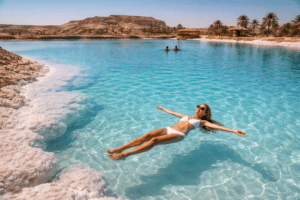
Float in Siwa’s Salt Lakes
One of the most unusual experiences in Siwa is floating in its salt lakes. These lakes contain extremely high mineral concentrations, making it nearly impossible to sink.
The sensation feels similar to floating in the Dead Sea. Visitors often lie back on the surface effortlessly while the water reflects the bright desert sky. The lakes’ vibrant turquoise color also creates stunning photographic scenes.
Swimming in these lakes is typically a short but memorable stop during a Siwa excursion.
Take a Desert Safari in the Great Sand Sea
One of the most exciting activities in Siwa is a 4×4 desert safari into the Great Sand Sea. Just beyond the oasis begins a massive dune system that stretches across the Sahara.
Desert safaris typically include:
• Driving across towering sand dunes
• Sandboarding down steep slopes
• Visiting remote desert springs
• Watching sunset from high dune ridges
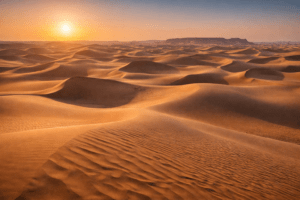
The scale of the desert here is extraordinary. Endless waves of sand stretch toward the horizon, creating one of the most dramatic landscapes in Egypt.
Experience a Desert Sunset
Sunset in Siwa is an experience in itself. Popular viewing spots include Fatnas Island on Lake Siwa or the high dunes of the surrounding desert.
As the sun lowers, the light turns golden across the palm groves and lakes. The desert mountains and dunes shift through shades of orange and purple, creating a peaceful atmosphere that captures the essence of the oasis.
For many travelers, this quiet moment becomes one of the most memorable parts of visiting Siwa.
Visit a Traditional Siwan Village
A visit to Siwa is also an opportunity to experience the culture of the oasis. Traditional villages showcase the unique architecture and lifestyle that developed here over centuries of isolation.
Local markets sell handcrafted items, olive oil, dates, and traditional textiles. Cafés and small guesthouses provide spaces where visitors can experience Siwan hospitality while learning about the oasis’s distinctive traditions.
This cultural element is what transforms a trip to Siwa from simple sightseeing into a deeper desert experience.
Siwa’s Culture and Traditions
One of the most fascinating aspects of Siwa Oasis is its distinct cultural identity, which differs noticeably from much of Egypt. Because of the oasis’s long isolation in the Western Desert, Siwa developed traditions, language, and architecture that reflect both Egyptian and Berber (Amazigh) heritage.
Even today, visiting Siwa feels culturally different from traveling through the Nile Valley.
The Siwi Language
Many residents of the oasis speak Siwi, a Berber language that has been preserved for centuries. While Arabic is widely understood—especially with visitors—the Siwi language remains an important part of local identity and daily life.
Hearing conversations in Siwi while walking through the markets or villages is a reminder that Siwa has its own unique cultural roots within Egypt.
Traditional Architecture
Siwa is known for its distinctive building style made from kershef, a natural mixture of mud, clay, and salt extracted from the surrounding lakes. This material provides natural insulation against the desert heat.
Historically, entire villages were built using kershef, most famously the Shali Fortress, which served as the fortified center of the oasis for centuries.
Although modern construction is becoming more common, many eco-lodges and traditional guesthouses still use this architectural style to preserve the oasis’s visual identity.
Local Crafts and Artisans
Siwa is also known for its handcrafted goods, many of which reflect traditional desert culture.
Visitors often find:
• Handwoven baskets made from palm fibers
• Embroidered clothing and textiles
• Silver jewelry and traditional accessories
• Olive oil and dates produced locally in the oasis
These crafts are typically sold in small markets or family-run shops throughout the town.
Agriculture and Daily Life
Life in Siwa revolves around agriculture, particularly the cultivation of dates and olives, which are the oasis’s most important crops. Palm groves surround much of the settlement, and many families continue to work the land using methods that have changed little over generations.
Seasonal harvests and community traditions still play an important role in local life.
Hospitality and Community
Visitors to Siwa often comment on the warmth of local hospitality. Because the oasis remained relatively isolated for much of its history, community ties remain strong, and welcoming guests is an important cultural value.
Small cafés, desert lodges, and family-run guesthouses often provide opportunities for travelers to experience this hospitality firsthand.
For many travelers, this cultural depth is one of the most meaningful parts of visiting Siwa. The oasis is not only a beautiful desert landscape—it is also a living community with traditions that continue to shape everyday life.
Agriculture and Food in Siwa
Agriculture has always been the foundation of life in Siwa Oasis. Surrounded by desert, the oasis survives because of a network of natural springs and underground water sources that support thousands of palm trees and olive groves. These fertile pockets of land have allowed communities to thrive here for centuries despite the harsh desert environment.
Date Palms and Olive Groves
The most important crops in Siwa are dates and olives. Palm groves stretch across the oasis floor, creating shaded green corridors that contrast sharply with the surrounding desert.
Siwa produces several varieties of dates, many of which are exported across Egypt and internationally. During harvest season, the oasis becomes especially lively as families gather to collect, sort, and prepare the fruit.
Olive cultivation is equally important. Siwa’s olives are used to produce high-quality olive oil, which has become one of the region’s most recognized products. Small presses around the oasis process the harvest each year, and local olive oil is often sold directly to visitors.
Springs and Irrigation
The oasis’s agricultural system relies on natural springs and wells that bring water from underground aquifers to the surface. For generations, farmers have managed irrigation through small channels that distribute water through the palm groves and fields.
This water management system has allowed Siwa to remain productive even in one of the driest environments on Earth.
Local Cuisine
Siwan food reflects the oasis’s agricultural traditions and desert environment. Meals tend to be simple, fresh, and built around locally grown ingredients.
Common dishes often include:
• Dates served fresh or dried
• Olive oil used generously in cooking
• Fresh vegetables grown in oasis gardens
• Bread baked in traditional clay ovens
• Stews and rice dishes flavored with local herbs
Many guesthouses and eco-lodges emphasize farm-to-table meals, using ingredients sourced directly from nearby farms and groves.
Desert Dining Experiences
Some tours in Siwa also include desert dining experiences, where meals are prepared during sunset excursions in the Great Sand Sea. These meals are often simple but memorable, enjoyed under open desert skies after a day exploring the dunes.
For travelers, food in Siwa becomes part of the broader experience of the oasis — a reflection of the land, the water that sustains it, and the traditions that have shaped life here for generations.
Walking and Cycling Through the Oasis
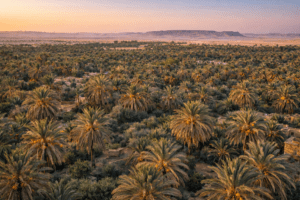
One of the best ways to experience Siwa is simply by moving slowly through the landscape. Unlike Egypt’s larger cities or temple complexes, the oasis invites exploration at a relaxed pace. Many of Siwa’s most interesting sights sit close to one another, connected by small roads that wind through palm groves, farmland, and quiet villages.
Walking through the oasis allows travelers to notice details that are easy to miss from a car: irrigation channels feeding the fields, clusters of date palms swaying above narrow paths, and traditional mudbrick homes blending into the desert colors around them.
Cycling is especially popular in Siwa. Bicycles can be rented easily in town, and the terrain around the oasis is mostly flat, making it comfortable for riders of all experience levels. Many visitors spend a full morning cycling between springs, lakes, and historical sites while enjoying the calm atmosphere of the oasis.
Popular cycling routes often include stops at Cleopatra’s Spring, nearby salt lakes, and the ruins of Shali Fortress. The roads are quiet, and traffic is minimal compared with Egypt’s larger cities.
Exploring Siwa this way also creates opportunities to interact with everyday life in the oasis. You may pass farmers working in olive groves, children walking home from school, or small roadside cafés where travelers can stop for tea and shade.
Because the pace is slower, walking or cycling through Siwa helps visitors understand the oasis as more than a list of attractions. It becomes a landscape to move through, observe, and experience gradually — exactly the way life in the oasis has unfolded for centuries.
How Many Days to Spend in Siwa Oasis
Because of its remote location, Siwa is not a destination that works well as a quick stop. The journey from Cairo takes 7–8 hours by road, so most travelers plan to stay at least a few nights to fully experience the oasis.
Minimum: 2 Nights
A 2-night stay is the shortest practical visit.
This allows enough time to explore the main highlights, including:
• Shali Fortress
• The Temple of the Oracle
• Cleopatra’s Spring
• A desert safari into the Great Sand Sea
• Floating in the salt lakes
With careful planning, these experiences can be covered comfortably while still leaving time to enjoy the slower pace of the oasis.
Ideal: 3 Nights
Three nights is the sweet spot for most travelers.
With an extra day, your schedule becomes far more relaxed. You can spend more time exploring the desert, visit additional springs or viewpoints, and enjoy sunset and sunrise moments that define the Siwa experience.
This also allows time to experience local cafés, markets, and the rhythm of daily life in the oasis rather than simply moving from site to site.
Extended Stay: 4–5 Nights
Some travelers choose to stay longer, especially those seeking a deeper desert retreat.
A longer stay allows for:
• Multiple desert excursions
• More time at springs and salt lakes
• Cultural experiences with local communities
• Slow evenings under the desert stars
Siwa is one of the few places in Egypt where doing less can actually improve the experience. The oasis rewards travelers who allow time to slow down and absorb the landscape.
Best Time to Visit Siwa Oasis
Siwa Oasis sits deep in Egypt’s Western Desert, which means the climate is dry, sunny, and strongly seasonal. Choosing the right time to visit can make a significant difference in comfort, especially because many activities involve time outdoors in the desert.
Autumn (October – November)
Autumn is one of the best seasons to visit Siwa. Temperatures begin to cool after the intense summer heat, making desert exploration far more comfortable. Days are warm but manageable, and evenings are pleasantly cool.
This season is ideal for:
• Desert safaris in the Great Sand Sea
• Exploring archaeological sites
• Walking through palm groves and villages
Winter (December – February)
Winter is generally considered the most comfortable time of year for visiting Siwa. Daytime temperatures are mild, often ranging between 18–25°C (64–77°F).
The cooler climate makes it perfect for exploring the oasis during the day. Nights can become chilly in the desert, so bringing a light jacket is recommended.
Because of the pleasant weather, winter is also the most popular season for visitors.
Spring (March – April)
Spring remains a good time to visit Siwa, though temperatures gradually rise as summer approaches. Early spring offers excellent weather for outdoor activities and desert excursions.
However, travelers should be aware that occasional khamsin winds—hot desert winds that can carry sand—sometimes occur during this period.
Summer (May – September)
Summer in Siwa can be extremely hot, with temperatures often exceeding 40°C (104°F). For many travelers, the heat makes sightseeing and desert activities difficult during the day.
However, some visitors still come during summer for a quieter experience and lower accommodation prices. Activities are usually planned for early morning or late evening to avoid peak heat.
Overall Best Time to Visit
For most travelers, the ideal time to visit Siwa Oasis is October through April, when temperatures are cooler and desert exploration is far more comfortable.
During these months, the oasis reveals its most enjoyable side: warm days, calm desert sunsets, and clear skies filled with stars at night.
How to Get to Siwa Oasis
Reaching Siwa Oasis is part of the adventure. Because the oasis sits deep in Egypt’s Western Desert near the Libyan border, there are no direct flights or trains to Siwa. Most travelers arrive by road, crossing hundreds of kilometers of desert landscape before reaching the palm groves and salt lakes of the oasis.
While the journey is long, it’s also what preserves Siwa’s unique atmosphere. The distance keeps the destination quieter and more authentic than many of Egypt’s major tourist sites.
From Cairo
The most common route is from Cairo, which is approximately 750 kilometers (465 miles) away.
The journey typically takes 7–8 hours by car, depending on traffic and rest stops. Most routes travel northwest toward the Mediterranean coast before turning south toward the oasis.
Travel options include:
• Private car or guided tour – the most comfortable option for most travelers
• Public bus services – available but less flexible
• Shared transportation arranged through local hotels or tour companies
Because the drive is long, many travelers leave Cairo early in the morning to arrive in Siwa by late afternoon.
From Marsa Matruh
The closest coastal city to Siwa is Marsa Matruh, located about 300 kilometers (185 miles) away.
This route takes around 4 hours by road and is commonly used by travelers exploring Egypt’s Mediterranean coast. Some visitors combine Siwa with a stop in Marsa Matruh before continuing their journey.
Organized Tours
Many travelers choose to visit Siwa through organized multi-day tours from Cairo. These tours typically include:
• Private transportation
• Accommodation in Siwa
• Guided desert excursions
• Visits to major oasis landmarks
This option simplifies the logistics of the long journey and allows visitors to focus on the experience rather than navigation.
Why the Journey Matters
The long road to Siwa is part of what makes the oasis feel special. As the desert landscape stretches wider and settlements become rarer, the sense of remoteness grows.
When palm trees finally appear on the horizon and the oasis comes into view, travelers understand why Siwa has remained one of Egypt’s most unique and peaceful destinations.
Siwa vs Fayoum vs Bahariya: Which Oasis Should You Visit?
Egypt has several desert oases, but the three most commonly compared by travelers are Siwa, Fayoum, and Bahariya. Each offers a very different type of experience.
Siwa Oasis
Siwa is the most remote and immersive of Egypt’s oases. The long journey across the Western Desert keeps the oasis quiet and culturally distinct.
Visitors come to Siwa for:
• Salt lakes and natural springs
• Desert safaris in the Great Sand Sea
• Ancient sites like the Oracle of Amun
• Traditional Siwan culture and architecture
• Wide desert landscapes and slow travel
Siwa is ideal for travelers who want a true desert escape and are willing to make the journey to experience it.
Fayoum Oasis
Fayoum is the closest oasis to Cairo, located about two hours away. Because of its proximity, it is often visited as a day trip or weekend getaway.
Fayoum is known for:
• Wadi El Rayan waterfalls
• Wadi Al-Hitan (Whale Valley) fossil sites
• Lake Qarun
• Desert camping and sandboarding
Fayoum offers dramatic landscapes and interesting history, but it feels more like a quick nature escape than a deep desert destination.
Bahariya Oasis
Bahariya sits between Cairo and the deeper Western Desert. It serves as the gateway to Egypt’s famous White Desert and Black Desert.
Highlights include:
• White Desert rock formations
• Black Desert volcanic hills
• Crystal Mountain
• Desert camping excursions
Bahariya is best suited for travelers interested in desert expeditions and overnight camping.
Which Oasis Is Best?
Each oasis serves a different role in an itinerary.
Siwa → remote, cultural, and immersive
Fayoum → accessible and perfect for short trips
Bahariya → dramatic desert landscapes and camping
Travelers who want the most unique and culturally distinct oasis experience often choose Siwa.
A Sample Siwa Oasis Itinerary
Because of the travel time from Cairo, most visitors spend two to three nights in Siwa. Here is a simple structure that balances exploration and relaxation.
2-Day Siwa Itinerary
Day 1
Arrival in Siwa from Cairo
Explore Shali Fortress and the old town
Visit Cleopatra’s Spring
Sunset at Fatnas Island
Day 2
Morning visit to the Temple of the Oracle of Amun
Explore the Mountain of the Dead tombs
Float in Siwa’s salt lakes
Afternoon desert safari in the Great Sand Sea
Sunset from the dunes
Day 3 (Departure)
Relaxed breakfast in the oasis
Optional visit to local markets or palm groves
Return journey to Cairo
3-Day Siwa Itinerary
Adding a third night allows a slower pace and deeper exploration.
Day 1
Arrival and exploration of Shali Fortress
Sunset at Fatnas Island
Day 2
Temple of the Oracle
Mountain of the Dead
Salt lake swimming
Local market exploration
Day 3
Full Great Sand Sea safari
Sandboarding on the dunes
Visit desert springs
Sunset dinner in the desert
Day 4
Morning relaxation before departure
With more time, travelers can enjoy the quiet atmosphere of Siwa rather than rushing between sites.
What to Pack for Siwa Oasis
Siwa’s desert environment means travelers should pack for heat, sun, and outdoor exploration.
Essentials include:
• Lightweight breathable clothing
• Comfortable walking shoes or sandals
• Sunglasses and a wide-brim hat
• Sunscreen with strong UV protection
• Swimwear for salt lakes and springs
• A light jacket for cool desert evenings
Because many experiences involve desert excursions, it can also be useful to bring:
• A scarf or shawl for wind or sand
• Reusable water bottle
• Small backpack for day trips
If you plan to stay in desert eco-lodges or camps, packing a flashlight or headlamp can also be helpful at night.
The key is packing light but preparing for sun exposure and desert temperature changes.
Is Siwa Oasis worth visiting?
Yes — especially for travelers looking for a different side of Egypt.
Most Egypt itineraries focus on the pyramids of Cairo and the temples of Luxor. Siwa offers a completely different experience centered on desert landscapes, oasis culture, and slower travel. Visitors float in salt lakes, explore palm forests, drive across the dunes of the Great Sand Sea, and watch sunsets over wide desert horizons.
Because Siwa is remote, the atmosphere feels quieter and more authentic than many of Egypt’s major destinations. For travelers interested in nature, desert scenery, and cultural traditions, Siwa Oasis can easily become one of the most memorable parts of an Egypt trip.
How do you get to Siwa Oasis?
Siwa is located deep in Egypt’s Western Desert and is reached primarily by road from Cairo or Marsa Matruh.
The drive from Cairo typically takes 7–8 hours, while the journey from Marsa Matruh on the Mediterranean coast takes around 4 hours. Most travelers visit Siwa by private car, organized tour, or bus service.
Although the journey is long, the desert landscape along the way helps create the sense of arrival that makes Siwa feel so unique.
How many days should you spend in Siwa Oasis?
Most travelers spend two to three nights in Siwa.
A two-night visit allows enough time to see the main highlights such as Shali Fortress, Cleopatra’s Spring, the salt lakes, and a desert safari in the Great Sand Sea.
Three nights provides a more relaxed pace and allows time to explore additional springs, villages, and sunset viewpoints. Because of the long travel distance, staying at least two nights helps make the journey worthwhile.
What is Siwa Oasis famous for?
Siwa is known for several unique experiences:
• The ancient Oracle of Amun, visited by Alexander the Great
• The historic mudbrick Shali Fortress
• Natural salt lakes where visitors can float effortlessly
• Vast dunes of the Great Sand Sea
• Palm groves and olive farms that sustain the oasis community
Together, these features create a destination that blends history, nature, and traditional desert culture.
Is Siwa Oasis safe to visit?
Yes. Siwa Oasis is considered a safe destination for travelers, and tourism is an important part of the local economy.
The region is remote but peaceful, and visitors are generally welcomed warmly by local residents. As with any destination, it is best to travel with reputable guides or transportation providers and follow normal travel precautions.
What is the best time to visit Siwa Oasis?
The best time to visit Siwa is between October and April, when temperatures are cooler and more comfortable for exploring the desert.
During these months, daytime temperatures are typically pleasant for sightseeing, while evenings can be cool and enjoyable under clear desert skies.
Summer months (May–September) can become extremely hot, often exceeding 40°C (104°F), which makes outdoor activities more challenging.
Can you swim in the salt lakes of Siwa?
Yes, and it is one of the most popular experiences in the oasis.
Siwa’s salt lakes contain high mineral concentrations that make it very easy to float on the surface of the water. The sensation is similar to floating in the Dead Sea. Many travelers stop briefly to relax in the water and enjoy the bright turquoise scenery of the lakes.
What makes Siwa different from other Egyptian destinations?
Siwa stands apart because of its remoteness and cultural identity.
While cities like Cairo and Luxor focus on monumental ancient history, Siwa offers a quieter experience centered on desert landscapes, oasis agriculture, and traditional communities.
The Siwi language, distinctive architecture made from salt and mud, and the surrounding Sahara environment all contribute to an atmosphere that feels very different from the rest of Egypt.
Can Siwa be visited as a day trip from Cairo?
Technically yes, but it is not recommended.
The drive from Cairo takes about 7–8 hours each way, which makes a same-day visit extremely long and exhausting. Most travelers prefer spending at least two nights in the oasis to fully enjoy the experience.
Is Siwa Oasis good for desert adventures?
Absolutely. Siwa is one of the best places in Egypt for desert exploration.
Many tours include 4×4 excursions into the Great Sand Sea, where travelers can drive across massive dunes, try sandboarding, visit remote desert springs, and watch sunset over the Sahara.
These desert landscapes are among the most dramatic in Egypt and are often a highlight of a visit to Siwa.
Final Thoughts: Why Siwa Oasis Is One of Egypt’s Most Unique Destinations
Siwa Oasis represents a completely different chapter of Egypt.
While Cairo tells the story of pyramids and pharaohs and Luxor reveals the grandeur of ancient temples, Siwa offers something quieter and more elemental. It is a place where desert and water meet, where palm groves stretch across the horizon, and where traditions shaped by centuries of isolation still define daily life.
Here, travel slows down.
Days revolve around salt lakes, desert sunsets, and wandering through palm-lined paths rather than rushing between monuments. Even the journey to reach Siwa becomes part of the experience, gradually leaving behind Egypt’s busy cities and entering a landscape that feels almost untouched.
For travelers who want to see more than the classic highlights — for those seeking nature, culture, and a deeper sense of place — Siwa Oasis offers one of the most memorable experiences in Egypt.
If you are planning an itinerary that includes Cairo, Alexandria, Luxor, or the Red Sea, adding Siwa introduces an entirely different dimension to the journey: the stillness and beauty of the Sahara.
Explore our curated Siwa Oasis Egypt tours designed to combine desert safaris, salt lake experiences, and cultural exploration of this remarkable oasis.