How to Plan a Trip to Egypt (Step-by-Step Guide)
Planning a trip to Egypt can feel overwhelming at first.
The country is filled with extraordinary destinations — the pyramids of Cairo, the temples of Luxor, a Nile cruise through Upper Egypt, Red Sea beaches, desert oases, and thousands of years of history layered across the landscape.
Many travelers worry about logistics: how many days they need, where to start, whether it’s safe, and how to move between cities.
The good news is that Egypt is actually easier to plan than it might appear. With the right structure, a trip can flow naturally from one destination to the next.
Most Egypt itineraries follow a simple geographic rhythm:
Cairo → Luxor → Nile Cruise → Aswan → optional beach or desert destination
This step-by-step guide explains exactly how to plan an Egypt itinerary — from choosing the best time to visit to deciding how many days to spend at each destination.
Step 1: Decide the Best Time to Visit Egypt
Egypt has a desert climate, which means weather plays an important role in travel planning.
The most comfortable time to visit is October through April.
During these months temperatures are warm but manageable for outdoor sightseeing. This is important because many of Egypt’s greatest attractions — pyramids, temples, tombs — are open-air archaeological sites.
Winter (December–February) is the most popular travel season. Days are mild and pleasant, though evenings can feel cool in desert areas.
Spring and autumn are also excellent months to visit because crowds are slightly smaller.
Summer, particularly from June through August, can be extremely hot. Cities in Upper Egypt such as Luxor and Aswan often exceed 40°C (104°F).
While travel is still possible in summer, visitors must plan sightseeing early in the morning or later in the evening to avoid midday heat.
Step 2: Decide How Many Days You Need
Egypt is larger than many travelers expect, and distances between major sites can be significant.
The length of your trip determines how much you can realistically see.
5–7 days
A shorter trip usually focuses on Cairo and either Luxor or a Nile cruise.
8–10 days
This is the most popular timeframe. Travelers can see Cairo, Luxor, Aswan, and enjoy a Nile cruise.
12–14 days
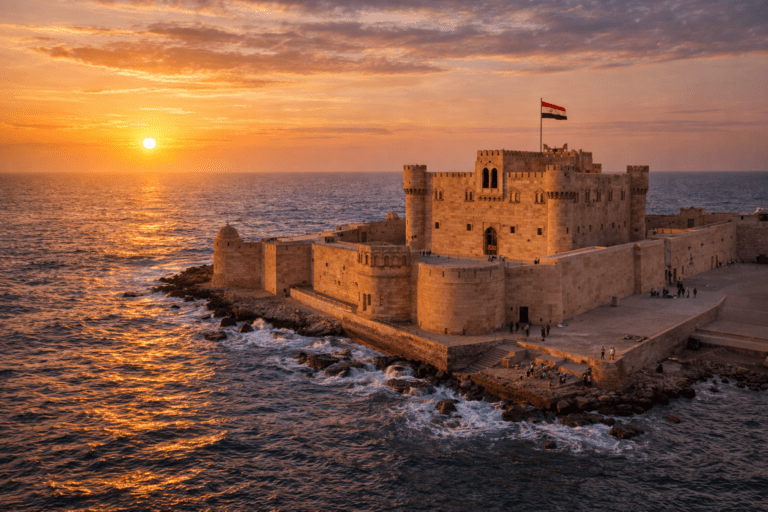
Longer trips allow travelers to add destinations such as the Red Sea, Alexandria, or desert oases like Siwa.
Understanding your available time helps prevent the most common planning mistake: trying to see too much too quickly.
Egypt’s monuments deserve time to appreciate.
Step 3: Start With Cairo
Nearly every Egypt trip begins in Cairo.
The capital city is home to more than 20 million people and serves as the gateway to the country’s ancient history.
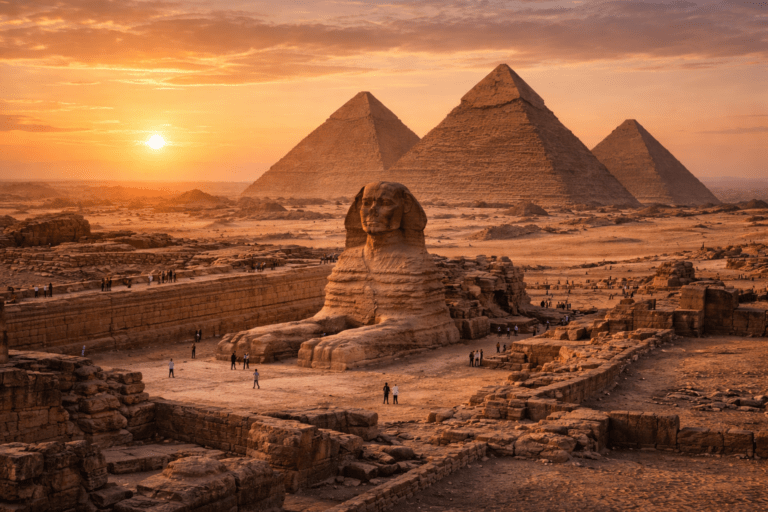
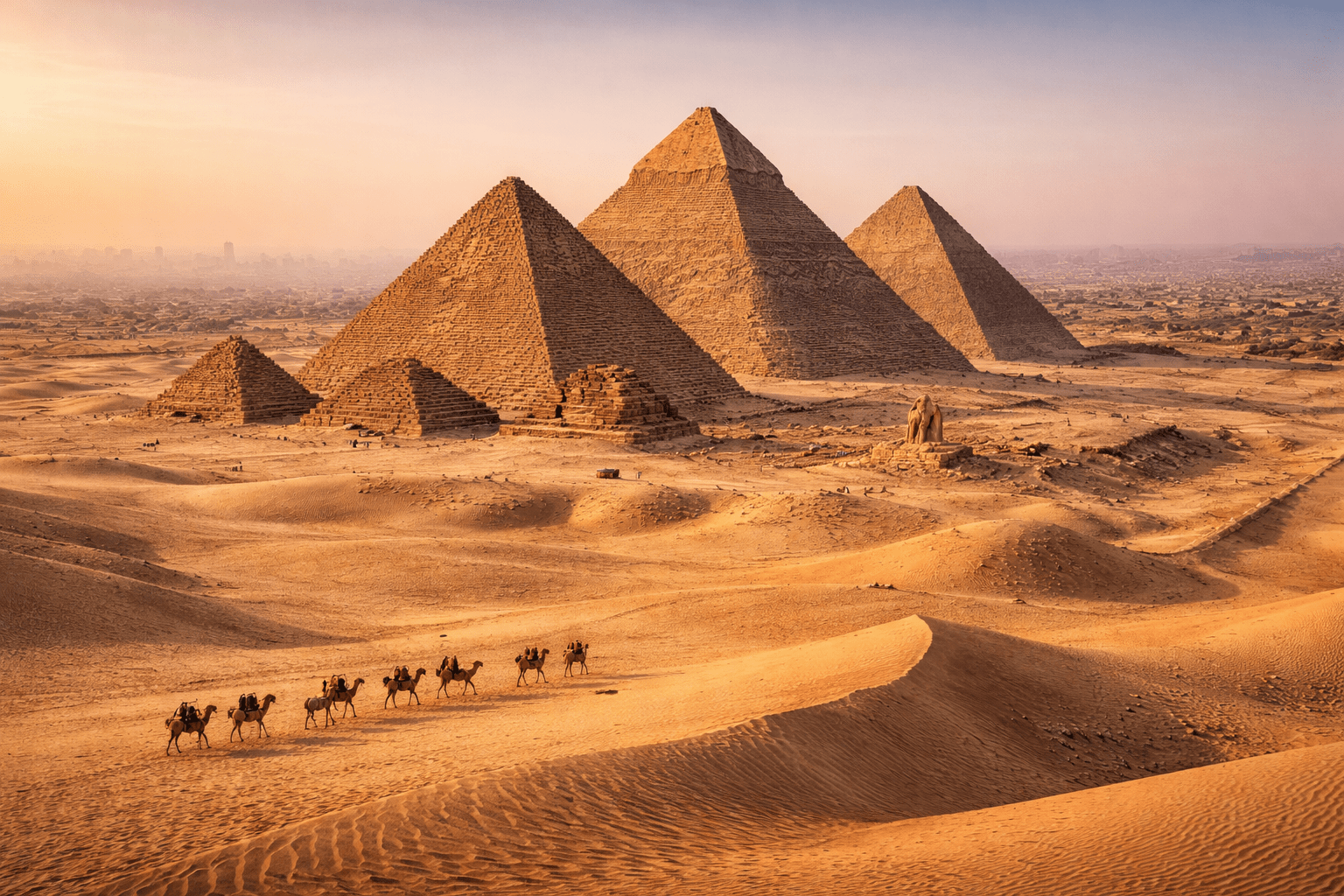
The most famous attractions are located just outside the city at the Giza Plateau, where visitors can see the Great Pyramids and the Sphinx.
Other major highlights include:
• The Egyptian Museum
• The Grand Egyptian Museum
• Islamic Cairo and historic mosques
• Khan el-Khalili bazaar
Most travelers spend two to three days exploring Cairo before heading south toward Luxor.
Step 4: Visit Luxor — The World’s Greatest Open-Air Museum
Luxor is one of the most remarkable archaeological destinations in the world.
The city stands on the site of ancient Thebes, the capital of Egypt during the New Kingdom period.
Major attractions include:
Karnak Temple – the largest religious complex ever built
Luxor Temple – a beautifully preserved temple connected to Karnak by an ancient avenue of sphinxes
Valley of the Kings – the burial site of pharaohs including Tutankhamun
Temple of Hatshepsut – one of Egypt’s most elegant temple complexes
Most visitors spend two to three days exploring Luxor’s east and west banks.
Step 5: Experience a Nile Cruise
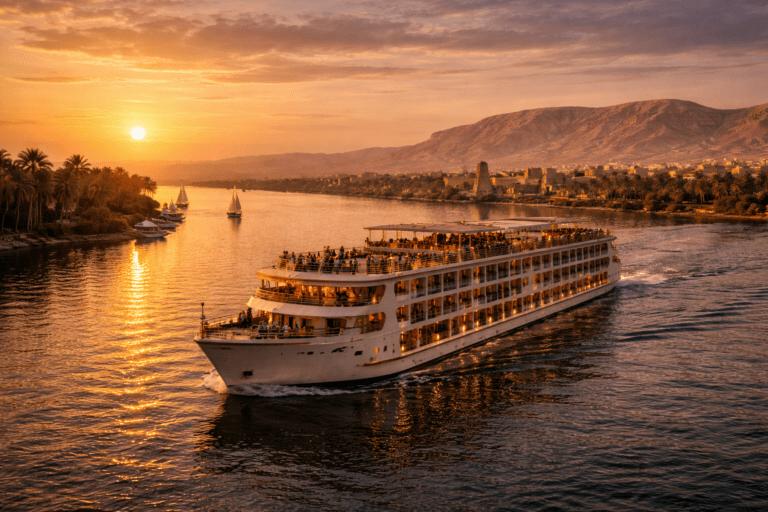
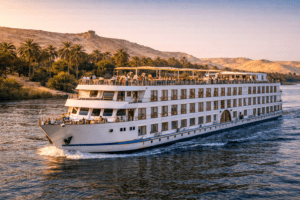
A Nile cruise is one of the most iconic ways to travel through Egypt.
Cruises typically sail between Luxor and Aswan, stopping at several temples along the way.
Common stops include:
• Temple of Edfu
• Temple of Kom Ombo
The cruise experience combines sightseeing with relaxing river views, allowing travelers to see the landscapes that sustained ancient Egyptian civilization.
Most cruises last three or four nights, though longer options exist.
For many visitors, the Nile cruise becomes the most memorable part of the trip.
Step 6: Explore Aswan
Aswan offers a quieter and more scenic atmosphere than Cairo or Luxor.
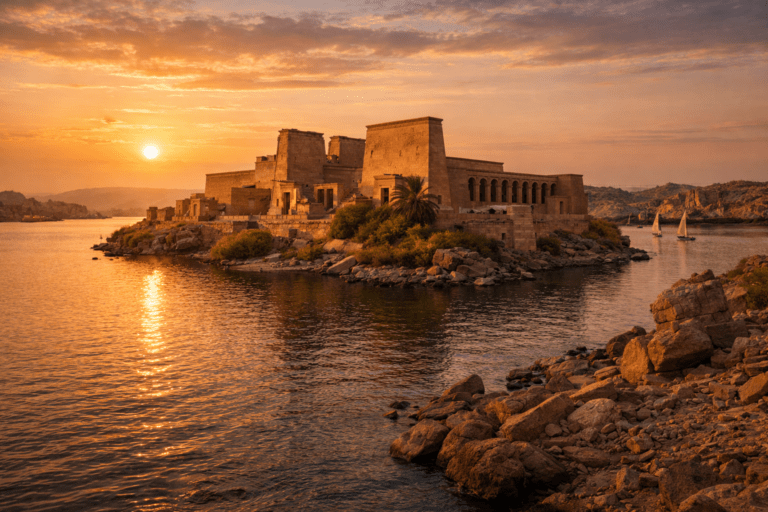
The Nile flows around islands filled with palm trees and traditional felucca sailboats glide across the water.
Major attractions include:
• Philae Temple
• Aswan High Dam
• Nubian villages
From Aswan, travelers can also visit Abu Simbel, one of Egypt’s most extraordinary monuments.
Step 7: Decide If You Want Beach Time
After several days of temples and archaeological sites, many travelers enjoy adding time at the Red Sea.
Egypt’s Red Sea coast is famous for coral reefs and clear water.
Popular destinations include:
• Hurghada
• Sharm El Sheikh
• Marsa Alam
Snorkeling, diving, and relaxing at seaside resorts provide a welcome contrast to historical sightseeing.

Step 8: Consider Adding Unique Destinations
If you have extra time, Egypt offers fascinating destinations beyond the classic route.
Alexandria offers Mediterranean history and culture.
Fayoum provides waterfalls, desert landscapes, and nature reserves near Cairo.
Siwa Oasis delivers one of the most remote and culturally unique experiences in the country.
These destinations reveal different sides of Egypt beyond its ancient monuments.
Step 9: Plan Transportation
Egypt has several convenient transportation options.
Domestic flights connect Cairo, Luxor, Aswan, and Red Sea destinations.
Train travel runs along the Nile Valley and can be a comfortable option between Cairo and Luxor.
Private drivers and guided tours are also common for travelers who prefer a more structured experience.
Combining flights with ground travel usually creates the most efficient itinerary.
Step 10: Budget Expectations
Egypt offers excellent value compared with many travel destinations.
Approximate daily travel costs vary widely depending on style:
Budget travelers may spend around $50–$80 per day.
Mid-range travelers typically spend $100–$200 per day.
Luxury travel, especially including Nile cruises and high-end hotels, may exceed $300 per day.
Entrance fees for major archaeological sites should also be factored into the budget.
Step 11: Visa and Entry Requirements
Most travelers need a tourist visa to enter Egypt.
Many nationalities can obtain a visa on arrival at major airports or apply online through Egypt’s e-visa system before traveling.
Passports should be valid for at least six months beyond the travel date.
Because entry requirements occasionally change, travelers should always verify the latest information before departure.
Step 12: What to Pack for Egypt
Packing for Egypt is relatively simple.
Lightweight clothing is essential due to the warm climate.
Comfortable walking shoes are important because many archaeological sites require extensive walking.
Sun protection is also essential, including:
• Sunscreen
• Sunglasses
• A hat
Modest clothing is recommended when visiting religious sites or rural areas.
Common Mistakes When Planning an Egypt Trip
Many travelers make similar planning mistakes.
The most common include:
Trying to visit too many destinations in too little time.
Underestimating travel distances between cities.
Skipping a Nile cruise when it could simplify the itinerary.
Not allowing time to relax between major sightseeing days.
Planning with realistic expectations helps avoid these issues.
Sample 7-Day Egypt Itinerary (First-Time Visitors)
If you only have one week in Egypt, you can still experience the country’s most famous highlights. The key is focusing on Cairo and Upper Egypt while minimizing unnecessary travel.
Here is a realistic 7-day itinerary that balances history, travel time, and sightseeing.
Day 1 – Arrive in Cairo
Arrive in Cairo and settle into your hotel. If time allows, take a short walk along the Nile or explore nearby neighborhoods to adjust to the city.
Day 2 – Pyramids of Giza and the Sphinx
Spend the morning exploring the Great Pyramids of Giza and the Sphinx. These monuments are among the most iconic sights in the world.
In the afternoon, visit the Egyptian Museum to see artifacts from ancient Egypt, including treasures from Tutankhamun’s tomb.
Day 3 – Fly to Luxor
Take a morning flight to Luxor.
Explore Karnak Temple, the largest religious complex ever built in ancient Egypt. In the evening, visit Luxor Temple when the illuminated columns create a dramatic atmosphere.
Day 4 – Valley of the Kings and West Bank
Cross the Nile to Luxor’s West Bank to visit the Valley of the Kings, the burial site of many pharaohs.
Continue to the Temple of Hatshepsut and the Colossi of Memnon before returning to the city.
Day 5 – Begin a Nile Cruise
Board a Nile cruise and begin sailing toward Aswan.
Along the way, stop at the Temple of Edfu, one of the best-preserved temples in Egypt.
Day 6 – Kom Ombo and Aswan
Visit the Temple of Kom Ombo before arriving in Aswan.
Spend the afternoon exploring Philae Temple and enjoying views of the Nile.
Day 7 – Abu Simbel or Return to Cairo
Take an early trip to Abu Simbel or fly back to Cairo for your departure.
Even in a short timeframe, this itinerary allows travelers to experience the pyramids, temples, and the Nile.
Sample 14-Day Egypt Itinerary
Travelers with two weeks in Egypt can explore the country at a more relaxed pace while adding additional destinations beyond the classic route.
Day 1–3 – Cairo
Explore the pyramids, the Sphinx, the Egyptian Museum, and historic Islamic Cairo.
Day 4 – Travel to Luxor
Fly from Cairo to Luxor and visit Karnak Temple.
Day 5 – Luxor West Bank
Explore the Valley of the Kings, Temple of Hatshepsut, and the Colossi of Memnon.
Day 6–9 – Nile Cruise
Take a Nile cruise from Luxor to Aswan, stopping at Edfu and Kom Ombo along the way.
Day 10 – Aswan
Visit Philae Temple and explore Nubian culture along the Nile.
Day 11 – Abu Simbel
Take a day trip to Abu Simbel to see the colossal temples of Ramses II.
Day 12–14 – Red Sea
Finish your trip relaxing at a Red Sea destination such as Hurghada or Sharm El Sheikh, where snorkeling and diving offer a completely different experience of Egypt.
This itinerary balances historical exploration with time to relax, creating one of the most popular travel routes through the country.
The Biggest Mistakes People Make When Planning a Trip to Egypt
Planning mistakes can easily turn an exciting trip into a stressful one. Fortunately, most of them are easy to avoid.
Trying to See Too Much
Egypt is a large country with major destinations spread far apart. Attempting to visit too many places in a short period of time can leave travelers exhausted.
Focus on a few key destinations rather than trying to see everything.
Underestimating Travel Distances
Travel between Cairo, Luxor, and Aswan often requires flights or overnight journeys. Planning efficient transportation is essential.
Skipping the Nile Cruise
Many travelers initially consider skipping a Nile cruise, but the journey offers one of the most relaxing and scenic ways to experience Egypt’s temples.
Not Hiring a Guide at Major Sites
Archaeological sites like Karnak or the Valley of the Kings are far more meaningful when explored with knowledgeable guides who explain the history behind the monuments.
Forgetting to Plan Rest Days
Egypt’s monuments are incredible, but they can also be physically demanding to explore. Including a beach destination or a relaxed day along the Nile helps balance the itinerary.
Frequently Asked Questions About Planning a Trip to Egypt
Is Egypt safe for tourists?
Yes, Egypt is generally safe for tourists, especially in the main travel destinations such as Cairo, Luxor, Aswan, and Red Sea resort areas. These regions rely heavily on tourism and have well-established infrastructure for visitors. As with any international destination, travelers should follow basic precautions such as using reputable tour operators, avoiding isolated areas at night, and staying informed about local guidance.
Most visitors find Egypt welcoming and friendly, with locals often eager to share their culture and history.
How many days do you need to visit Egypt?
Most travelers need at least 7 to 10 days to see Egypt’s main highlights.
A typical first-time itinerary includes:
Cairo and the pyramids
Luxor’s temples and the Valley of the Kings
A Nile cruise between Luxor and Aswan
Optional Red Sea relaxation
Shorter trips of five to seven days can still cover Cairo and Luxor, but longer trips allow a more relaxed pace and additional destinations.
What is the best month to visit Egypt?
The best months to visit Egypt are October through April, when temperatures are more comfortable for sightseeing.
December and January are particularly popular due to mild weather, though they are also the busiest months for tourism.
Travelers who prefer fewer crowds often choose March, April, October, or November, which offer pleasant temperatures and a slightly quieter atmosphere.
Do you need a visa to visit Egypt?
Most travelers need a tourist visa to enter Egypt.
Many nationalities can obtain a visa on arrival at Egyptian airports or apply for an e-visa online before traveling.
Tourist visas typically allow stays of up to 30 days. However, entry requirements can change, so travelers should check the latest visa policies before departure.
Is it better to take a Nile cruise or stay in hotels?
A Nile cruise is often considered one of the best ways to experience Egypt.
Cruises travel between Luxor and Aswan and stop at major temples along the Nile. This allows travelers to see several archaeological sites without constantly packing and moving between hotels.
However, some travelers prefer staying in hotels in Luxor and Aswan if they want more flexibility with their daily schedule.
Both options can work well depending on personal travel style.
Can you visit Egypt without a tour?
Yes, independent travel in Egypt is possible.
Domestic flights, trains, and private drivers make it relatively easy to move between major cities.
However, many travelers still choose guided tours for archaeological sites because guides provide historical context and help navigate large temple complexes.
First-time visitors often find that combining independent travel with guided site visits offers the best balance.
What should you wear in Egypt?
Egypt has a warm climate, so lightweight clothing is recommended.
Comfortable walking shoes are essential because many archaeological sites require extensive walking.
While Egypt is generally relaxed in tourist areas, modest clothing is appreciated when visiting religious sites or rural communities.
Light layers can also be useful during winter evenings or early morning excursions.
How much does a trip to Egypt cost?
Egypt offers a wide range of travel budgets.
Budget travelers may spend around $50–$80 per day, while mid-range travelers typically spend $100–$200 per day including hotels, meals, and activities.
Luxury travel, especially including five-star hotels or Nile cruises, can exceed $300 per day.
Entrance fees to major archaeological sites should also be included in travel planning.
Is Egypt a good destination for first-time international travelers?
Yes, Egypt can be a rewarding destination for first-time international travelers.
Major tourist areas have extensive tourism infrastructure, English is widely spoken in hotels and attractions, and guided tours are readily available.
Travelers who plan their itinerary carefully and allow time to adjust to the pace of the country often find Egypt both exciting and accessible.
What is the biggest mistake people make when planning an Egypt trip?
The most common mistake is trying to see too much in too little time.
Egypt’s monuments are spread across large distances, and each site deserves time to appreciate.
A well-paced itinerary that balances sightseeing with relaxation leads to a much more enjoyable experience.
Final Thoughts
Planning a trip to Egypt may seem complicated, but the country rewards careful preparation.
Few destinations offer such an extraordinary combination of history, culture, and landscape.
From the pyramids of Cairo to the temples of Luxor and the waters of the Nile, Egypt delivers experiences that remain unforgettable long after the journey ends.
With the right plan, your trip can move smoothly from one remarkable destination to the next.