Hurghada Egypt: The Complete Travel Guide to the Red Sea Coast
Hurghada Egypt is where the desert gives way to water — and where the story of Egypt shifts from stone to light.
Most travelers arrive in Egypt expecting pyramids and temples — usually beginning in Cairo. They picture golden limestone and hieroglyphs carved into ancient walls. And while that vision is true, it is incomplete.
Hurghada reveals another side of the country. A modern coastal chapter defined by open horizons, coral reefs, desert mountains, and a rhythm shaped by tide and sun rather than dynasties and kings.
If you are planning your Egypt itinerary and wondering whether Hurghada belongs beside Cairo, Luxor, or a Nile cruise, this guideHurghada Egypt is where the story of the country shifts from ancient stone to open sea.
Most travelers arrive in Egypt expecting pyramids, temples, and desert landscapes — usually beginning in Cairo or Luxor. They picture golden limestone monuments, towering columns, and hieroglyphs carved into walls thousands of years old.
That vision is real, but it is only one chapter of the country’s story.
Hurghada reveals another side of Egypt entirely. Along the shores of the Red Sea, the landscape changes dramatically. Desert mountains meet turquoise water, coral reefs stretch beneath the surface, and the rhythm of travel becomes slower and more relaxed.
Instead of archaeological exploration, the focus shifts to nature, water, and atmosphere.
Over the past few decades, Hurghada has grown from a small fishing settlement into one of Egypt’s most popular coastal destinations. Travelers come here for snorkeling and diving among coral reefs, island excursions across the Red Sea, desert adventures beyond the coastline, and warm sunshine nearly year-round.
For many visitors, Hurghada becomes the perfect counterbalance to Egypt’s historic intensity. After exploring pyramids, temples, and tombs, the Red Sea offers space to relax and experience a completely different environment.
If you are planning your Egypt itinerary and wondering whether Hurghada belongs alongside Cairo, Luxor, or a Nile cruise, this guide will walk you through everything you need to know — what Hurghada offers, who it is best suited for, the best time to visit, how many days to spend, and how to integrate the Red Sea coast into a meaningful Egypt journey. will answer everything: what Hurghada offers, who it is for, when to go, how many days to spend, and how to integrate it into a meaningful Egypt journey.
Where Is Hurghada — And Why Its Location Matters
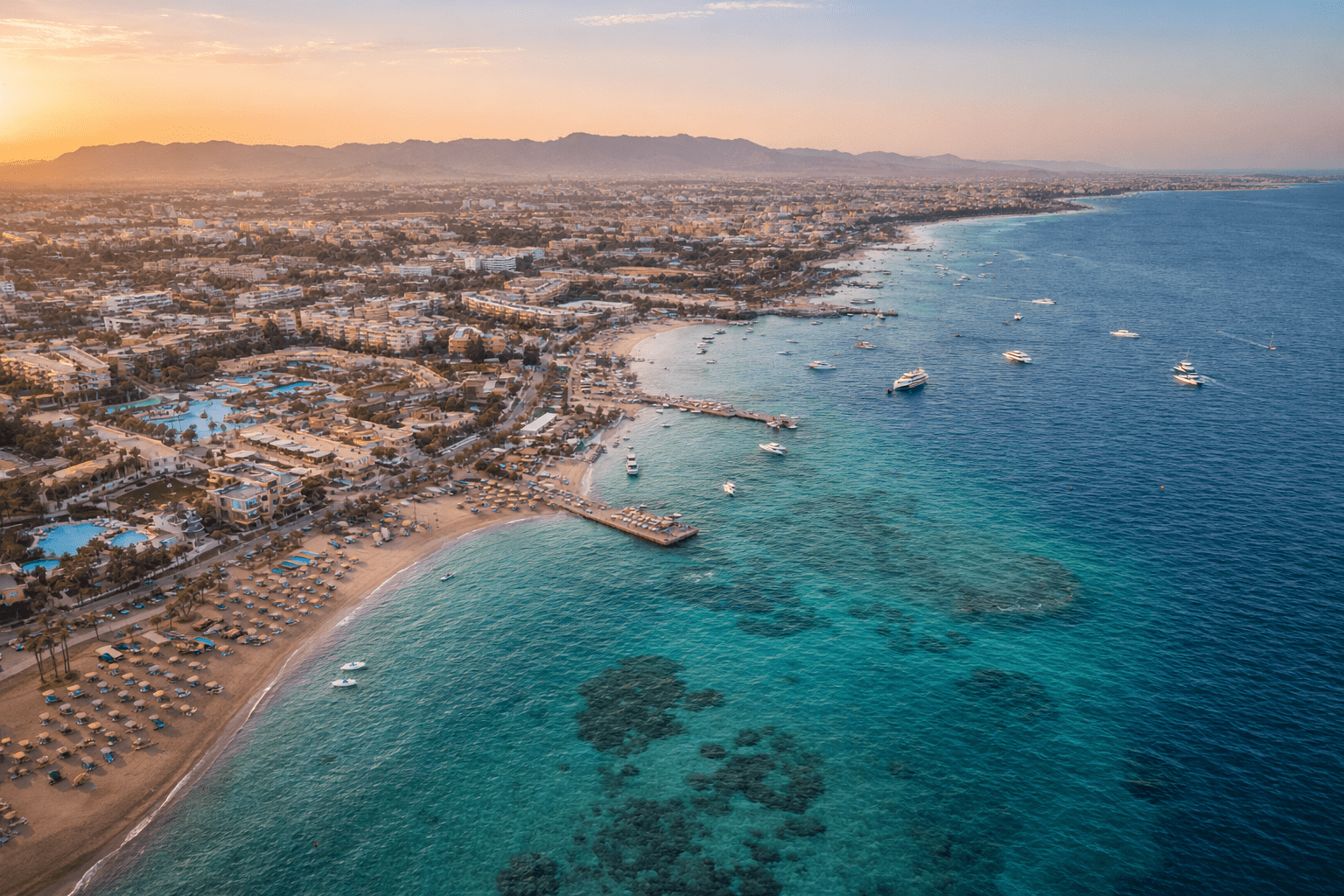
Hurghada sits along Egypt’s eastern shoreline, facing the Red Sea. Stretching for nearly 40 kilometers along the coast, the city has grown from a small fishing settlement into one of the country’s most established seaside destinations.
Its geography is what gives it its appeal.
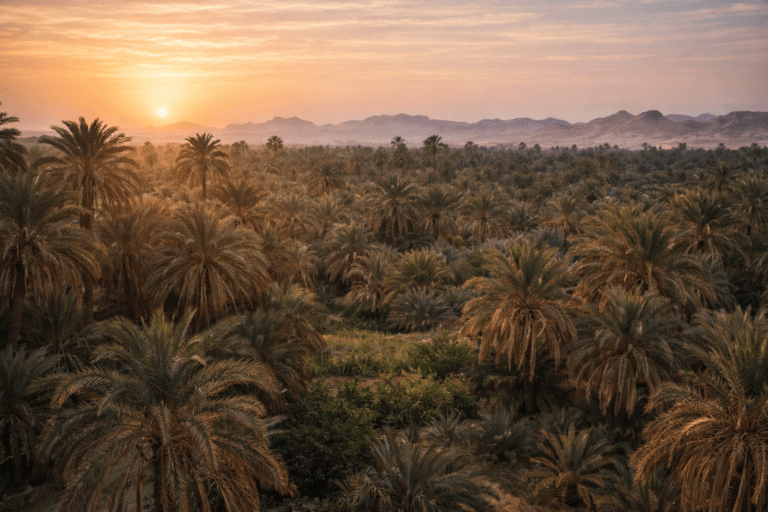
Behind the city rise the rugged mountains of Egypt’s Eastern Desert, a dramatic landscape of rocky ridges and dry valleys that separate the Red Sea coast from the Nile Valley. In front lies the Red Sea, known for its remarkably clear water, vibrant coral reefs, and marine biodiversity that attracts divers and snorkelers from around the world.
This contrast between desert and sea creates one of Egypt’s most distinctive landscapes.
Hurghada’s location also makes it a practical addition to a broader Egypt itinerary.
The city sits relatively close to the Nile Valley, which means travelers can move easily between Egypt’s historical destinations and the Red Sea coast.
Typical travel distances include:
• Approximately 4–5 hours by road from Luxor
• Around 5–6 hours from Cairo by car
• Under one hour by domestic flight from Cairo
Because of this proximity to Upper Egypt, Hurghada often becomes the most natural coastal extension after visiting Luxor or completing a Nile cruise.
The transition feels intentional: after days spent exploring temples, tombs, and ancient monuments, the Red Sea provides a completely different atmosphere. The pace slows, the horizon opens, and the focus shifts from archaeology to water, sunlight, and open space.
That shift is exactly what makes Hurghada such a valuable part of an Egypt journey.ne.
The Red Sea: What Makes It Special
Hurghada is defined by the Red Sea.
While many coastal regions around the world are shaped by rivers, heavy rainfall, or seasonal runoff, the Red Sea is remarkably different. Its waters receive very little freshwater input, which contributes to exceptional clarity and stable marine conditions.
For travelers, this creates one of the most visually striking marine environments anywhere in the world.
Exceptional Water Clarity
One of the first things visitors notice about the Red Sea is how clear the water appears.
Because so little sediment flows into the sea, underwater visibility is often extraordinary. In many locations around Hurghada, visibility can exceed 20 meters (65 feet).
Even while snorkeling at the surface, it is often possible to see coral formations, colorful reef fish, and shifting patterns of marine life below.
This clarity is one of the reasons the Red Sea has become one of the world’s most popular destinations for snorkeling and scuba diving.
A Unique Coral Ecosystem
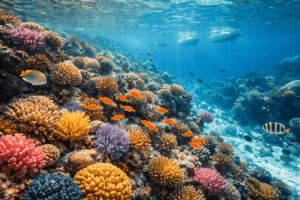
The Red Sea is also home to one of the most diverse coral ecosystems on the planet.
Warm water temperatures, high salinity, and relatively stable environmental conditions have allowed coral reefs to flourish along large stretches of the coastline. These reefs support thousands of marine species including reef fish, sea turtles, rays, and occasionally dolphins.
Scientists often highlight the Red Sea’s coral systems in marine research because many reefs here appear more resilient to climate stress than coral ecosystems in other parts of the world.
For divers and marine enthusiasts, this resilience makes the region particularly fascinating.
Easy Reef Access for Beginners
Another reason Hurghada has grown into a global diving destination is accessibility.
Many coral reefs are located relatively close to the shoreline or within short boat rides from the city’s marinas. This means travelers can experience vibrant reef environments even without advanced diving certification.
For visitors who have never snorkeled before, Hurghada offers an ideal introduction. Guided snorkeling excursions allow beginners to float above coral gardens while observing tropical fish, colorful reef formations, and the broader Red Sea ecosystem.
In other words, you do not need to be an experienced diver to experience one of the world’s most beautiful underwater landscapes.
A Brief History of Hurghada
Unlike Cairo or Luxor, Hurghada’s history is not rooted in ancient monuments or dynasties.
Its story is far more recent — and reflects the modern evolution of Egypt’s tourism economy along the Red Sea coast.
From Fishing Village to Coastal Town
Until the early 20th century, Hurghada was little more than a small fishing settlement along Egypt’s eastern shoreline.
The surrounding region of the Red Sea had long been used by local fishermen and traders, but the area remained sparsely populated and relatively isolated from the major cities of the Nile Valley.
Hurghada’s early development was shaped primarily by the sea. Fishing and small-scale maritime activity defined daily life, while the surrounding Eastern Desert remained largely untouched.
Oil Exploration and Early Development
Hurghada’s visibility began to increase in the early 1900s when oil exploration projects expanded along Egypt’s Red Sea coast.
Energy companies established infrastructure and basic settlements in the area, gradually bringing roads, services, and limited industry to what had previously been a remote coastal region.
Although tourism was not yet a major factor, these developments helped introduce Hurghada to a broader international presence.
The Rise of Tourism
Large-scale tourism in Hurghada began developing in the late 20th century, particularly during the 1980s and 1990s.
As global interest in Red Sea diving grew, Hurghada’s clear waters and coral reefs attracted international travelers looking for marine experiences that rivaled other famous dive destinations.
Egypt’s government also began investing in coastal tourism infrastructure, encouraging resort development, marinas, and international travel connections.
Over time, Hurghada transformed into one of Egypt’s most established seaside destinations.
A Modern Chapter of Egypt’s Story
Today, Hurghada represents a different chapter of Egyptian history.
While cities like Cairo and Luxor preserve the legacy of ancient civilization, Hurghada reflects modern Egypt’s engagement with global tourism and coastal travel.
Its evolution demonstrates how geography can shape opportunity. The same Red Sea waters that once supported fishing communities now attract visitors from around the world seeking coral reefs, sunshine, and a different perspective on Egypt.
Hurghada’s story may not stretch back thousands of years — but it shows how Egypt continues to adapt and grow in the present.
What Hurghada Is Most Famous For
Unlike cities such as Cairo or Luxor, Hurghada is not defined by ancient monuments or archaeological sites.
Instead, it is known for experiences.
The city’s appeal comes from its natural setting along the Red Sea, where warm water, coral reefs, and desert landscapes combine to create one of Egypt’s most relaxed travel environments.
For many visitors, Hurghada becomes the place where an Egypt itinerary slows down after the intensity of temples, museums, and historical exploration.
Snorkeling and Scuba Diving
Hurghada is one of the most popular diving destinations in the Red Sea.
The coral reefs just offshore support vibrant marine life, including colorful reef fish, sea turtles, and occasionally dolphins. Because many reefs are located relatively close to the coastline, even beginner snorkelers can experience rich underwater environments without advanced diving skills.
Boat excursions regularly take visitors to protected reef areas where the clarity of the water allows excellent visibility.
Island Excursions
Several small islands lie just off the Hurghada coast, offering some of the most scenic beaches in the region.
Popular destinations such as Giftun Island and Orange Bay are known for their turquoise water, soft sand, and coral reefs nearby. These island trips typically combine boat sailing, snorkeling stops, and time relaxing on the beach.
For many travelers, these excursions become one of the highlights of their Red Sea stay.
Beach Resorts and Coastal Relaxation
Hurghada is also known for its large number of seaside resorts.
Many hotels are designed as full-service coastal retreats, offering private beaches, pools, spas, and restaurants overlooking the Red Sea. This makes Hurghada particularly attractive for travelers who want several days of relaxation after exploring Egypt’s historical destinations.
Instead of moving constantly between sites, visitors can slow down and enjoy the coastline.
Desert Adventures
Just beyond the coastline lies the Eastern Desert, a dramatic landscape of mountains and dry valleys.
Many excursions offer desert safaris by jeep, ATV, or camel, allowing visitors to explore this rugged environment and visit Bedouin communities. These trips provide a striking contrast to the coastal scenery and reveal another side of Egypt’s geography.
Reliable Sunshine
Hurghada also benefits from one of the most stable climates in Egypt.
The region enjoys sunshine for most of the year, which makes it a reliable destination for beach travel even during months when weather in other regions can be unpredictable.
A Slower Pace
Perhaps the most defining feature of Hurghada is its atmosphere.
Days tend to revolve around the water — snorkeling trips, beach time, and boat excursions across the Red Sea. Evenings are generally relaxed, especially outside of resort entertainment areas.
For travelers arriving after several days of cultural sightseeing in places like Cairo or Luxor, Hurghada often feels like the natural place to unwind.
The shift in pace is exactly what makes it such a valuable addition to an Egypt itinerary.
Top Things to Do in Hurghada Egypt
Hurghada offers a wide range of activities centered around the Red Sea and the surrounding desert landscape. While the city is known primarily for water-based experiences, the variety of excursions available means travelers can easily fill several days with different types of adventures.
The best Hurghada itineraries usually combine reef exploration, island trips, and desert excursions, creating a balanced Red Sea experience.
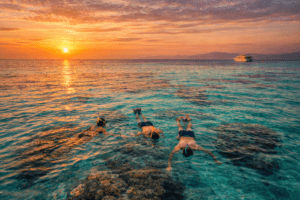
Snorkeling and Diving in the Red Sea
For many travelers, snorkeling or diving is the main reason to visit Hurghada.
The Red Sea is famous for its coral reefs and marine biodiversity. Just offshore, coral gardens support hundreds of species of fish, sea turtles, and other marine life. The water clarity allows excellent visibility, making underwater exploration accessible even for beginners.
Snorkeling excursions typically include boat trips to multiple reef locations where visitors can swim above vibrant coral formations while guides point out marine life. Certified divers can also explore deeper reef systems and wreck sites in the region.
Even travelers who have never tried snorkeling before often find Hurghada an ideal place to start..
Giftun Island and Orange Bay
Just off the Hurghada coast lie several small islands that offer some of the most picturesque scenery in the Red Sea.
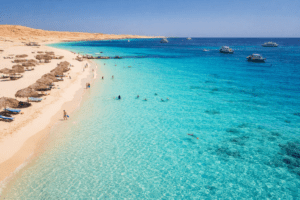
Giftun Island, part of a protected national park, is known for its white sand beaches and crystal-clear water. Many boat excursions stop here for swimming, snorkeling, and time relaxing along the shoreline.
Nearby Orange Bay has become especially popular for its shallow turquoise water and relaxed beach atmosphere. Wooden walkways, floating hammocks, and calm lagoons create an environment that feels almost tropical compared to the desert coastline nearby.
Island excursions typically include:
• Boat sailing across the Red Sea
• One or two snorkeling stops
• Time relaxing on the beach
• Lunch served onboard
These trips often become one of the most memorable days of a Hurghada stay.
Desert Safari Adventures
While Hurghada is known for its coastline, the desert landscape just inland offers a completely different experience.
Excursions into the Eastern Desert often include jeep or ATV safaris across rocky valleys and sand plains. Some tours also visit Bedouin communities, where travelers can experience traditional tea, local food, and desert hospitality.
Sunset desert tours are particularly popular, as the surrounding mountains and desert terrain take on dramatic colors in the evening light.
For visitors who want to see another side of Egypt beyond the sea, these excursions provide a striking contrast to the coastal scenery. reveals dramatic gradients of color — muted pinks and deep golds reflecting off rock formations. The silence inland contrasts sharply with the gentle noise of marina life.

Dolphin Watching and Marine Excursions
Several marine areas near Hurghada are known for frequent dolphin sightings.
Boat excursions sometimes travel to reef systems where pods of dolphins are commonly seen swimming in open water. While sightings are never guaranteed, many visitors enjoy the experience of watching dolphins in their natural environment.
These trips often combine dolphin observation with snorkeling stops at nearby reefs.
Hurghada Marina and Evening Strolls
Hurghada Marina offers one of the most pleasant evening environments in the city.
Lined with restaurants, cafés, and waterfront promenades, the marina provides a relaxed place to walk after sunset. Boats move slowly through the harbor while lights reflect across the water, creating a very different atmosphere from daytime excursions.
Many visitors enjoy ending the day here with dinner overlooking the Red Sea.
Beach Time and Resort Relaxation
Hurghada is also known for its large number of seaside resorts.
Many hotels include private beaches, pools, spas, and beachside restaurants, making it easy to spend full days simply enjoying the coastline. For travelers arriving after days of cultural sightseeing in places like Cairo, Luxor, or a Nile cruise, this slower pace is often exactly what they are looking for.
Sometimes the best activity in Hurghada is simply spending time by the water.
How Many Days Do You Need in Hurghada?
Hurghada’s flexibility makes it adaptable to different itineraries.
Two nights offer a brief coastal interlude.
Three to four nights provide balanced relaHow Many Days Should You Spend in Hurghada?
The ideal length of a Hurghada stay depends on how you want to balance relaxation with exploration. Some travelers add the Red Sea as a short break after visiting Egypt’s historical destinations, while others come specifically for a longer beach holiday.
Two nights offer a brief coastal interlude. This is usually enough time to experience the Red Sea, enjoy a snorkeling trip, and unwind after visiting places like Cairo or Luxor.
Three to four nights provide a more balanced stay. With this amount of time, travelers can combine island excursions, reef snorkeling, desert adventures, and relaxed beach days without feeling rushed.
Five or more nights transform the visit into a full Red Sea vacation. Extra time allows visitors to explore multiple reefs, take additional boat trips to nearby islands, and fully enjoy the slower rhythm that makes Hurghada such a relaxing destination.
Best Time to Visit Hurghada Egypt
Hurghada’s climate is one of its greatest advantages. Located along the Red Sea, the city enjoys sunshine for most of the year and very little rainfall, making it one of Egypt’s most reliable coastal destinations.
Travelers can visit Hurghada in any season, but certain months offer more comfortable conditions depending on the type of activities you plan.
Spring (March–May) and autumn (September–November) are often considered the best times to visit. Temperatures are warm without being extreme, creating ideal conditions for snorkeling, diving, island excursions, and desert safaris.
Winter (December–February) remains pleasantly mild. Daytime temperatures are comfortable for beach walks and sightseeing, and the Red Sea stays warm enough for swimming. This season attracts many travelers escaping colder climates in Europe.
Summer (June–August) can be hot, with daytime temperatures often exceeding 35°C (95°F). However, Hurghada’s coastal breezes and proximity to the sea make the heat more manageable than in inland destinations such as Luxor or Aswan, where temperatures can feel significantly more intense.
For many travelers planning a multi-city Egypt itinerary, this seasonal difference becomes an advantage. After exploring temples and archaeological sites in the Nile Valley, finishing the trip in Hurghada offers a cooler, more relaxed coastal atmosphere.
The Red Sea becomes the perfect final chapter of the journey.
Hurghada vs Sharm El Sheikh
Hurghada and Sharm El Sheikh are two of Egypt’s most famous Red Sea destinations. Both offer access to coral reefs, warm water, and resort-style coastal travel. However, their geography and travel logistics create slightly different experiences for visitors.
Location and Accessibility
Hurghada sits along Egypt’s mainland eastern coastline, directly across the Red Sea from the Nile Valley. Because of this position, it connects easily with many of Egypt’s historical destinations.
Travelers can reach Hurghada from Luxor by road in about four to five hours, which makes it one of the most convenient Red Sea extensions after visiting the temples and tombs of Upper Egypt.
Sharm El Sheikh, in contrast, is located on the Sinai Peninsula, separated from mainland Egypt by the Gulf of Suez and the Gulf of Aqaba. Most travelers reach Sharm by air rather than by road.
Diving and Marine Life
Both destinations offer excellent snorkeling and scuba diving. The Red Sea is famous for its coral reefs, marine biodiversity, and clear water.
Sharm El Sheikh is particularly well known for dive sites around Ras Mohammed National Park, which many experienced divers consider among the best in the region.
Hurghada also provides excellent reef access, especially for travelers who want easy snorkeling trips, island excursions, and beginner-friendly dive sites close to the shoreline.
How They Fit Into an Egypt Itinerary
For travelers planning a route that includes Cairo, Luxor, or a Nile cruise, Hurghada usually integrates more smoothly into the journey. Its mainland location allows for straightforward connections from the Nile Valley.
Sharm El Sheikh often works better for travelers planning a dedicated beach or diving holiday rather than a multi-city cultural itinerary.
Both destinations offer beautiful Red Sea scenery, but Hurghada’s location tends to make it the more practical choice when combining Egypt’s historical landmarks with a coastal escape.
Who Should Visit Hurghada?
Hurghada appeals to a specific type of traveler. Unlike cities such as Cairo or Luxor, which focus heavily on history and archaeology, Hurghada is designed around environment, relaxation, and coastal experiences.
For many visitors, it becomes the ideal place to slow down after exploring Egypt’s cultural landmarks.
Travelers Seeking Rest After Historical Touring
After several days visiting pyramids, temples, museums, and archaeological sites, many travelers appreciate a change of pace. Hurghada offers that shift naturally.
The Red Sea provides open space, water activities, and a calmer rhythm that contrasts with the intensity of cultural sightseeing elsewhere in Egypt.
Families Wanting Resort Comfort
Hurghada is well suited for families because many hotels function as full-service resorts. Private beaches, swimming pools, organized excursions, and family-friendly facilities make it easy to relax while still enjoying the Red Sea.
The structured environment of resort areas also simplifies travel logistics for families visiting Egypt.
Couples Seeking a Scenic Coastal Escape
For couples, Hurghada offers a different kind of atmosphere than Egypt’s historic cities.
Sunset views across the Red Sea, quiet beach walks, and evening dinners overlooking the water create a setting that feels more relaxed and romantic than the busy energy of Cairo or the temple landscapes of Luxor.
Divers and Snorkeling Enthusiasts
Hurghada is internationally recognized for Red Sea diving and snorkeling. The coral reefs near the coast support vibrant marine life and excellent underwater visibility.
Because many reefs are accessible by short boat trips, both beginner snorkelers and experienced divers can explore the region’s marine ecosystems.
Travelers Who Value Predictable Weather
The Red Sea coast experiences very little rainfall and abundant sunshine throughout the year. This makes Hurghada a reliable destination for beach travel even when weather conditions elsewhere might be less predictable.
Who Might Prefer Other Destinations
Hurghada may be less appealing for travelers seeking dense historical exploration or historic urban environments. Unlike Cairo or Luxor, the city does not revolve around ancient monuments or archaeological sites.
Hurghada’s identity is contemporary. Its appeal lies in its environment — the Red Sea, the coastline, and the surrounding desert landscape — rather than in antiquity.
Accommodation in Hurghada
Accommodation in Hurghada varies widely, reflecting the city’s development as one of Egypt’s major Red Sea tourism centers.
Most of the coastline is lined with large beachfront resorts, many of which operate on all-inclusive models. These resorts are designed to make travel easy: meals, beach access, pools, and activities are all available within the property. For many visitors, this simplifies daily planning and allows them to focus on relaxing by the sea.
Luxury resorts tend to offer private beaches, spa facilities, diving centers, and multiple dining options, creating a self-contained coastal retreat. These properties are especially popular with travelers planning to spend several days enjoying the Red Sea without needing to move around the city.
Closer to the marina and central Hurghada, travelers will also find smaller hotels and boutique accommodations. These options often provide easier access to restaurants, cafés, and evening walks along the waterfront.
Choosing the right accommodation depends largely on the kind of experience you want.
If relaxation is the primary goal, resorts located slightly south of the main marina area usually offer quieter beaches and a more tranquil atmosphere.
If you prefer to explore restaurants, cafés, and public areas in the evening, staying closer to Hurghada Marina or the central waterfront districts can make the city easier to navigate on foot.
A Balanced Egypt Itinerary Including Hurghada
One of the most effective ways to include Hurghada in an Egypt itinerary is to place it at the end of the journey.
A common and well-balanced sequence looks like this:
Cairo → Luxor or a Nile Cruise → Hurghada
This progression naturally moves from Egypt’s most historically dense environments to its most relaxing coastal setting.
The journey often begins in Cairo, where travelers experience the Pyramids of Giza, major museums, and the energy of Egypt’s largest city. From there, many itineraries continue to Luxor or a Nile cruise, where the focus shifts to temples, tombs, and the monumental landscapes of Upper Egypt.
After several days of cultural exploration, arriving in Hurghada creates a noticeable change of pace.
Instead of early temple visits and packed sightseeing days, the rhythm becomes slower and more restorative. Time revolves around the Red Sea — snorkeling excursions, island trips, beach relaxation, and sunset views across the water.
This progression works well because it balances intensity with recovery. Travelers begin by immersing themselves in Egypt’s history and finish by enjoying the natural beauty of the Red Sea.
The result is an itinerary that feels complete without becoming exhausting.
Practical Considerations
Hurghada is one of Egypt’s most established tourism hubs, and much of its infrastructure is designed with international visitors in mind.
Hotels, resorts, diving centers, and excursion providers regularly serve travelers from around the world, which means English is widely spoken, especially within tourist areas. Organized tours, transportation services, and water activities are generally easy to arrange through hotels or local operators.
Swimming and water activities are typically safe within designated resort beaches and guided excursion areas. Many hotels maintain protected swimming zones, and snorkeling trips are usually supervised by experienced guides who understand local reef conditions.
Because Hurghada’s coral reefs are delicate ecosystems, visitors are encouraged to follow reef preservation guidelines. Coral should never be touched or stepped on, and responsible snorkeling practices help protect the marine environment that makes the Red Sea so special.
Sun protection is also important throughout the year. The Red Sea coast receives strong sunlight even in winter months, and extended time on the water or beach can lead to significant sun exposure. Sunscreen, hats, sunglasses, and lightweight protective clothing are strongly recommended during daytime excursions.
Frequently Asked Questions About Hurghada Egypt
Is Hurghada safe for tourists?
Yes. Hurghada is one of Egypt’s main tourism centers and has well-established infrastructure designed for international visitors. Resorts, marinas, and excursion operators operate under regular oversight, and tourist areas maintain a strong security presence.
Can you swim in Hurghada year-round?
Yes. The Red Sea remains swimmable throughout the year, even during winter months. Water temperatures typically stay warm enough for snorkeling and diving, which is one reason Hurghada is popular in every season.
Do you need diving certification to explore the reefs?
Not for snorkeling. Many reef areas near Hurghada can be explored during guided snorkeling excursions without certification. Scuba diving, however, requires certification or participation in an introductory dive program supervised by licensed instructors.
Is Hurghada good for families?
Yes. Many resorts are designed specifically for families and include pools, kids’ programs, and organized activities. The calm beaches and structured resort environments make Hurghada a convenient destination for travelers visiting Egypt with children.
How far is Hurghada from Luxor?
Hurghada is approximately 4–5 hours by road from Luxor across the Eastern Desert. This distance makes it one of the most convenient Red Sea destinations to combine with Luxor or a Nile cruise itinerary.
Is Hurghada expensive?
Hurghada offers a wide range of price levels. Budget hotels, mid-range resorts, and luxury properties all operate along the coastline, allowing travelers to choose accommodations that match their travel style and budget.
What is better: Hurghada or Sharm El Sheikh?
Both destinations offer beautiful Red Sea reefs and resort experiences. Hurghada is located on Egypt’s mainland coast and connects more easily with itineraries that include Cairo, Luxor, or a Nile cruise, while Sharm El Sheikh is located on the Sinai Peninsula and often requires different travel routing.
Are there cultural sites in Hurghada?
Hurghada itself is primarily a coastal resort destination rather than a historical city. Most of Egypt’s major archaeological sites are located inland in places such as Luxor and Cairo, which is why many travelers combine Hurghada with those destinations.
Final Thoughts: What Hurghada Adds to an Egypt Journey
Hurghada does not compete with Egypt’s ancient capitals. It complements them.
It offers horizon after hierarchy.
Water after stone.
Movement after monumentality.
For travelers who want their Egypt journey to feel complete — balancing history with nature, temples with open sea — Hurghada provides that final shift in rhythm.
After exploring pyramids in Cairo, temples in Luxor, or sailing between ancient sites on a Nile cruise, the Red Sea offers space to slow down. Days revolve around clear water, coral reefs, and wide coastal horizons rather than monuments and museum halls.
That contrast is exactly what makes Hurghada valuable within a well-designed itinerary.
The Red Sea is not an afterthought. It is the balance that completes the journey.
Whether you are interested in guided snorkeling excursions, private boat trips, desert safaris, or a relaxed coastal extension after Upper Egypt, Hurghada integrates naturally into an Egypt travel plan.
If you are planning your trip, explore our curated Hurghada Egypt tours designed to combine Red Sea experiences with smooth connections from Cairo, Luxor, and Nile cruise itineraries.
Because Egypt is at its best when you experience both history and horizon.