Sharm El Sheikh Egypt: The Complete Travel Guide to the Red Sea’s Sinai Coast
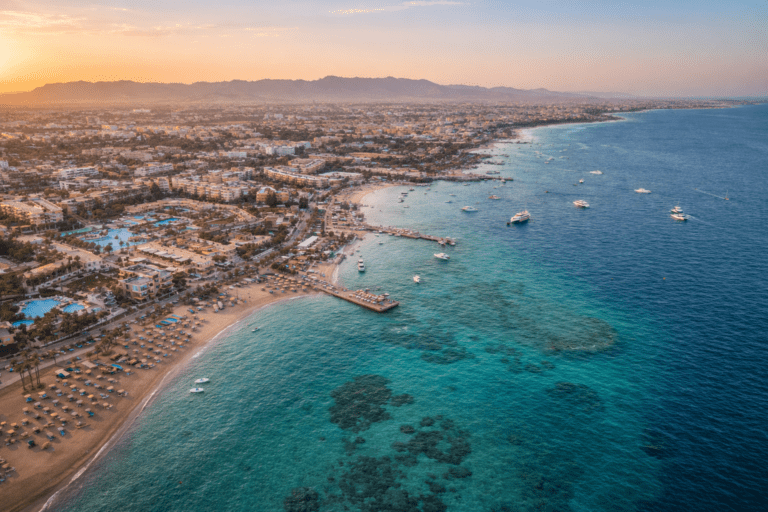
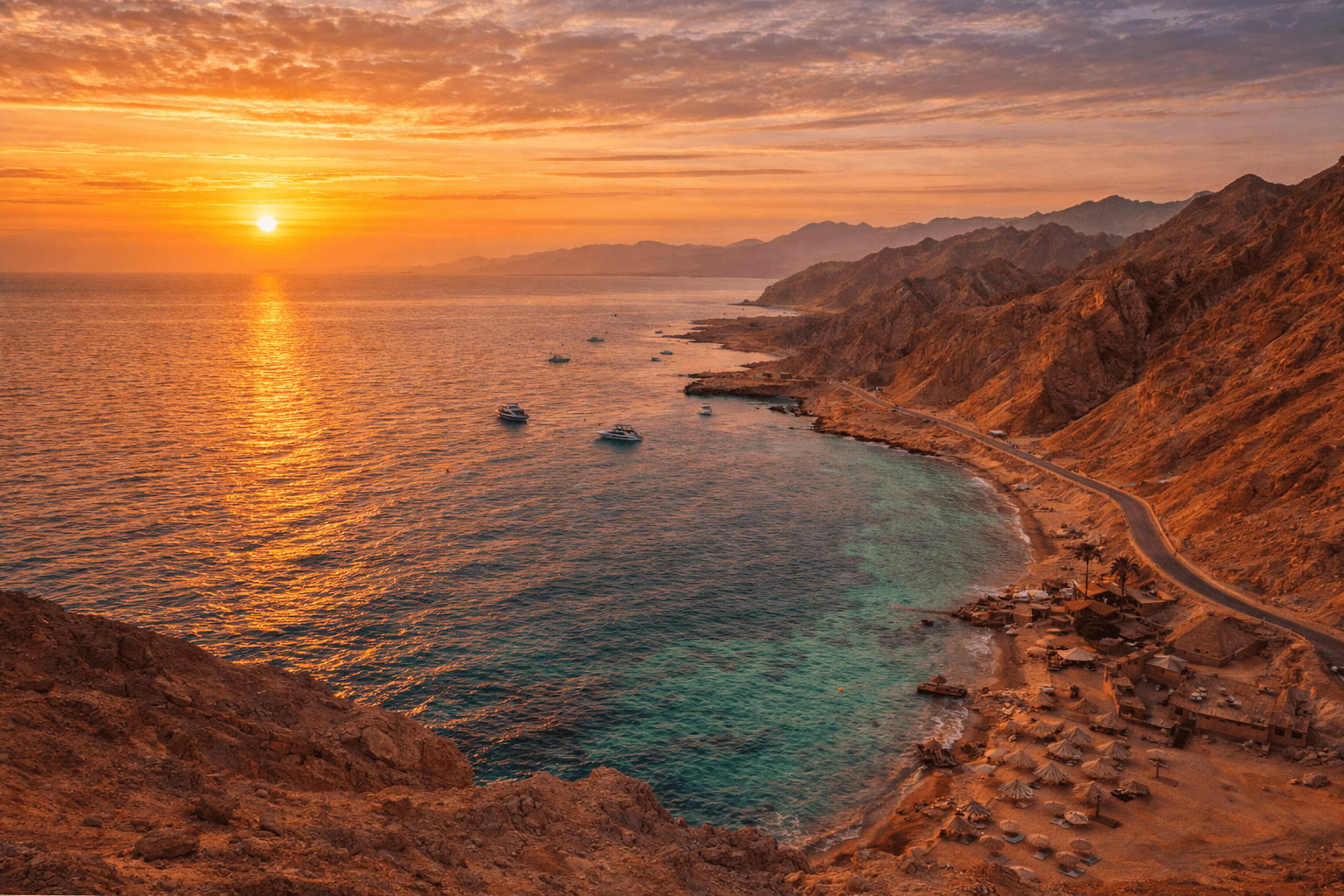
Sharm El Sheikh Egypt is where desert mountains fall directly into coral-filled water.
The city sits at the southern edge of the Sinai Peninsula, where the Gulf of Aqaba meets the Red Sea. This unique geography creates one of the most dramatic coastlines in the Middle East: rugged mountains behind you, vibrant coral reefs below you, and open sea stretching to the horizon.
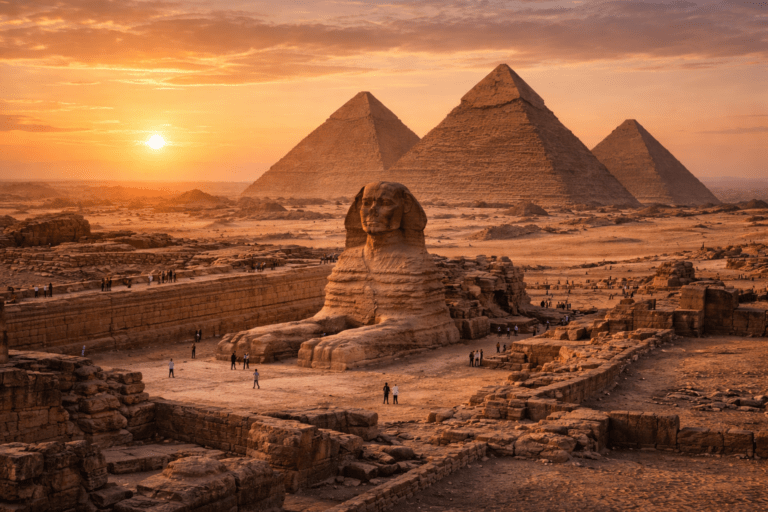
For travelers visiting Egypt, Sharm El Sheikh offers something different from the country’s ancient capitals. Cairo delivers pyramids. Luxor delivers temples. The Nile Cruise connects ancient cities.
Sharm delivers atmosphere — warm water, clear skies, and days that revolve around the sea.
It’s often the final chapter of an Egypt trip. After the intensity of temples and archaeological sites, Sharm becomes the place where travelers slow down, swim, sail, and enjoy the Red Sea.
But Sharm El Sheikh isn’t just a resort town. The surrounding region includes some of Egypt’s most remarkable natural and cultural experiences: Ras Mohammed National Park, world-class diving reefs, the dramatic Sinai desert, and the legendary sunrise climb of Mount Sinai.
This guide covers everything you need to know before visiting Sharm El Sheikh: what to see, where to stay, how long to stay, the best time to visit, and how to include it in a well-balanced Egypt itinerary.
Where Is Sharm El Sheikh — And Why Its Location Matters
Sharm El Sheikh sits at the southern tip of Egypt’s Sinai Peninsula, where two arms of the Red Sea meet: the Gulf of Suez to the west and the Gulf of Aqaba to the east.
This geographic position gives Sharm one of the most distinctive coastal environments in the region.
Behind the city rise the granite mountains of South Sinai, a rugged desert landscape that stretches toward Mount Sinai and Saint Catherine’s Monastery. In front lies the Red Sea — famous for its clear water, thriving coral reefs, and extraordinary marine biodiversity.
Because the sea floor drops quickly along much of the coastline, coral reefs often begin just meters from the shore. This allows visitors to experience vibrant reef ecosystems without traveling far from the beach.
Sharm’s location also shapes its role within an Egypt itinerary.
The city sits roughly:
• 1 hour by flight from Cairo
• 1 hour by flight from Luxor
• 1 hour by flight from Hurghada
Because the Sinai Peninsula is separated from mainland Egypt by the Gulf of Suez, most travelers reach Sharm by air rather than by road.
That distance actually enhances the experience. Moving from the historical intensity of Cairo or Luxor to the open landscapes of Sinai feels like entering a completely different environment.
It’s one of the reasons Sharm El Sheikh works so well as the relaxation phase of an Egypt journey.
The Red Sea in Sharm El Sheikh: What Makes It Special
Sharm El Sheikh sits along one of the most celebrated marine environments on Earth. The Red Sea is known for exceptional water clarity, vibrant coral reefs, and a level of biodiversity that attracts divers and marine researchers from around the world.
Several natural factors make this environment unique.
Unlike many oceans, the Red Sea receives very little freshwater runoff from rivers. This lack of sediment keeps the water remarkably clear. Visibility often exceeds 20–30 meters, allowing coral reefs and marine life to be seen easily even from the surface.
High salinity and stable temperatures also contribute to the region’s ecological stability. Coral systems here have shown unusual resilience compared with reef ecosystems in many other parts of the world.
For travelers, this translates into an experience that feels almost surreal: bright coral gardens, schools of tropical fish, and dramatic underwater walls visible just meters from the shore.
Coral Reefs Right Off the Beach
One of the defining characteristics of Sharm El Sheikh is how close the reefs are to land.
In many locations around the world, reaching healthy coral systems requires long boat rides. In Sharm, reefs begin directly along the coastline.
Popular areas like Naama Bay, Shark’s Bay, and Ras Um Sid allow visitors to snorkel over coral formations within minutes of entering the water.
This accessibility makes Sharm especially appealing for travelers who want to experience the Red Sea without needing advanced diving skills.
A Global Diving Destination
Sharm El Sheikh has long been considered one of the world’s top diving destinations.
Nearby dive sites include:
• Ras Mohammed National Park – famous for coral walls and marine life
• Tiran Island reefs – known for dramatic underwater landscapes
• SS Thistlegorm shipwreck – one of the most legendary wreck dives in the world
Even travelers who have never tried diving often take introductory courses here because conditions are ideal: warm water, calm seas, and extraordinary visibility.
Snorkeling for Non-Divers
You do not need diving certification to enjoy the Red Sea.
Snorkeling trips allow visitors to float above coral reefs and observe colorful fish, sea turtles, and occasionally dolphins. Many resorts also provide guided snorkeling excursions to protected reef areas.
For families and first-time ocean explorers, this accessibility is part of what makes Sharm El Sheikh so popular.
The Red Sea is not simply a backdrop for Sharm — it is the reason the destination exists.
It turns a coastal city into an underwater world waiting just beyond the shoreline.
Top Experiences in Sharm El Sheikh (Beyond the Beach)
While many travelers visit Sharm El Sheikh for its beaches and reefs, the surrounding region offers a wide range of experiences that extend beyond the water. From protected marine parks to desert adventures and sacred mountain landscapes, Sharm sits in one of Egypt’s most geographically diverse regions.
Here are the experiences that define a visit to Sharm El Sheikh.
Ras Mohammed National Park
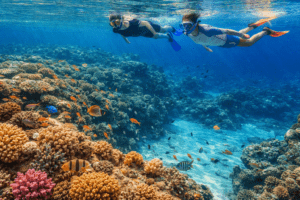
Ras Mohammed National Park is widely considered the crown jewel of the Sinai coastline.
Located about 30 kilometers south of Sharm El Sheikh, this protected marine reserve is famous for its coral reefs, turquoise lagoons, and dramatic coastal cliffs. The park sits at the meeting point of the Gulf of Suez and the Gulf of Aqaba, creating strong currents that bring nutrients to the reef systems.
For visitors, this means extraordinary marine life. Coral formations here are among the most vibrant in the Red Sea, and snorkeling trips often reveal large schools of fish, rays, and occasionally sea turtles.
Many tours combine snorkeling stops with scenic viewpoints, allowing travelers to experience both the underwater world and the striking desert-meets-sea landscape.
Snorkeling and Diving
Sharm El Sheikh has been one of the world’s premier diving destinations for decades.
The reefs here are dramatic, often forming vertical coral walls that drop into deep blue water. Divers travel from around the world to explore these underwater landscapes.
Popular dive sites include:
• Shark Reef
• Yolanda Reef
• Tiran Island reefs
• Jackson Reef
Even if you’re not a diver, snorkeling allows you to see much of the same ecosystem.
Many hotels in Sharm are built beside coral reefs known as house reefs. Guests can swim directly from the beach and explore vibrant coral gardens without taking a boat.
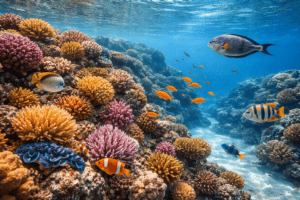
Tiran Island Reef Trips
Boat trips to Tiran Island are among the most popular excursions from Sharm El Sheikh.
These full-day excursions typically include several snorkeling or diving stops along reef systems known for their dramatic underwater drop-offs and clear visibility. The reefs surrounding Tiran Island host a wide range of marine species, from colorful reef fish to larger pelagic species passing through the deeper waters.
Even for travelers who simply enjoy swimming and sunbathing, the experience of sailing across the Red Sea with mountain views on the horizon makes these trips memorable.
Mount Sinai Sunrise Trek
One of the most powerful experiences in the Sinai Peninsula happens far from the coast.
The Mount Sinai sunrise hike begins late at night, when travelers drive inland toward Saint Catherine. From there, visitors hike or ride camels part of the way up the mountain before completing the final ascent on foot.
Reaching the summit before sunrise reveals an unforgettable moment: the first light spreading across the granite mountains of Sinai.
For many travelers, this climb becomes one of the most emotional and reflective experiences of their Egypt journey.
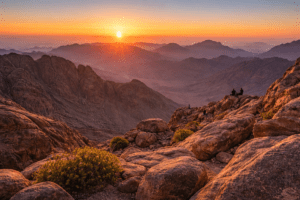
Saint Catherine’s Monastery
At the base of Mount Sinai lies Saint Catherine’s Monastery, one of the oldest continuously operating Christian monasteries in the world.
Founded in the 6th century, the monastery is a UNESCO World Heritage Site and home to priceless manuscripts, ancient icons, and religious traditions that have endured for more than fifteen centuries.
Even visitors who are not religious often find the atmosphere here remarkable. The monastery sits surrounded by towering desert mountains, creating a setting that feels timeless and deeply spiritual.
Sinai Desert Safari
Sharm El Sheikh is also a gateway to the Sinai Desert, where visitors can explore rugged landscapes far removed from the coastline.
Desert safaris typically include:
• 4×4 drives through desert valleys
• Bedouin cultural experiences
• Camel rides across the sand
• Sunset views over the Sinai mountains
Evening tours often end with traditional Bedouin dinners and stargazing, taking advantage of the region’s exceptionally clear night skies.
These experiences reveal another side of Sinai — one defined not by coral reefs but by silence, mountains, and vast desert horizons.
Best Areas to Stay in Sharm El Sheikh
Sharm El Sheikh stretches along a long section of coastline, and different areas offer very different atmospheres. Choosing the right location can shape your entire experience, especially depending on whether you want nightlife, diving access, quiet beaches, or resort-style relaxation.
Here are the main areas travelers consider when staying in Sharm.
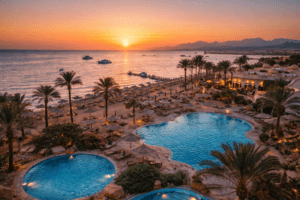
Naama Bay: The Lively Center
Naama Bay is the most central and energetic area in Sharm El Sheikh.
This district serves as the city’s main tourism hub, with a long promenade lined with restaurants, cafés, shops, and nightlife venues. Many travelers enjoy staying here because everything is within walking distance.
Naama Bay also has several sandy beaches and easy access to snorkeling excursions and boat trips.
Best for travelers who want:
• Restaurants and nightlife
• Walkable streets and shopping
• Easy access to excursions and tours
It is the most active part of Sharm, which makes it lively but sometimes less quiet than other areas.
Shark’s Bay: Relaxed with Excellent Reefs
Shark’s Bay offers a more relaxed atmosphere while still being close to Sharm’s main attractions.
This area is known for its beautiful coral reefs located directly offshore, making it popular with snorkelers and divers. Resorts here often feature private beaches and quieter surroundings compared with Naama Bay.
Shark’s Bay also sits close to Soho Square, an entertainment complex with restaurants, cafés, and evening shows.
Best for travelers who want:
• Good snorkeling directly from the beach
• Quiet resorts
• Easy access to Soho Square
Nabq Bay: Space and Nature
Nabq Bay sits farther north of the main city and offers wide beaches and large resort complexes.
This area borders Nabq Protected Area, where mangrove forests, desert landscapes, and wildlife create a different environment from the rest of Sharm. Resorts here tend to be spacious and self-contained.
Best for travelers who want:
• Quiet beach resorts
• Large all-inclusive properties
• A peaceful atmosphere away from city activity
Ras Um Sid (Hadaba): Scenic Cliffs and Diving
The Ras Um Sid area, sometimes called Hadaba, sits on elevated cliffs overlooking the Red Sea.
The reefs here are considered some of the best in Sharm for snorkeling and diving, particularly around Ras Um Sid reef. The area has a slightly more local atmosphere, with restaurants and cafés popular among both visitors and residents.
Best for travelers who want:
• Excellent snorkeling and diving
• Dramatic coastal views
• A quieter environment than Naama Bay
Which Area Is Best for Most Travelers?
For first-time visitors, Shark’s Bay and Naama Bay are usually the easiest choices.
Naama Bay provides energy, nightlife, and walkable convenience. Shark’s Bay offers a quieter atmosphere with excellent snorkeling and comfortable resort access.
Whichever area you choose, Sharm El Sheikh’s coastline ensures that the Red Sea is always the star of the experience.
How Many Days to Spend in Sharm El Sheikh
The ideal amount of time in Sharm El Sheikh depends on how you want to balance relaxation, water activities, and excursions into the Sinai Peninsula.
Because Sharm is often added at the end of a broader Egypt itinerary, most travelers use it as a place to slow down after visiting cities like Cairo or Luxor.
Two Days: A Short Coastal Break
Two days in Sharm El Sheikh can work as a quick introduction to the Red Sea.
In this timeframe, most visitors focus on:
• One snorkeling or diving excursion
• Time at the beach or resort
• An evening along Naama Bay or the marina
This option works best for travelers who simply want a brief coastal pause after several days of sightseeing elsewhere in Egypt.
Three to Four Days: The Balanced Experience
Three to four days is the most common and well-balanced length of stay.
This allows time for:
• A Red Sea snorkeling or diving trip
• A visit to Ras Mohammed National Park
• A relaxing beach day
• Optional desert or cultural excursions
At this pace, Sharm feels like more than just a resort stop. You begin to experience both the marine environment and the Sinai landscape.
Five or More Days: A Dedicated Red Sea Escape
Travelers who stay five days or longer typically treat Sharm as a full beach destination.
Longer stays allow visitors to explore multiple dive sites, take boat trips to nearby reefs, and enjoy the slower rhythm of the Red Sea coastline. Many travelers also use the extra time for excursions such as the Mount Sinai sunrise trek or a trip to Saint Catherine’s Monastery.
Where Sharm Fits in an Egypt Itinerary
Most Egypt travel routes follow a progression like this:
Cairo → Luxor or Nile Cruise → Sharm El Sheikh
This sequence works well because it gradually shifts the pace of the trip.
You begin with Egypt’s historical intensity — pyramids, temples, and ancient cities — and end beside the Red Sea, where the focus becomes water, scenery, and relaxation.
That contrast is part of what makes Sharm El Sheikh such a satisfying final chapter in an Egypt journey.
Best Time to Visit Sharm El Sheikh
Sharm El Sheikh enjoys a warm desert climate with sunshine nearly year-round, which is one of the reasons it has become one of the most popular coastal destinations in the Middle East. Unlike inland Egyptian cities where summer heat can be intense, Sharm benefits from sea breezes and the moderating effect of the Red Sea, making it comfortable in many seasons.
However, certain months provide a better balance of temperatures for both beach relaxation and outdoor excursions.
October to April: The Most Comfortable Season
For most travelers, the best time to visit Sharm El Sheikh is between October and April.
During these months, daytime temperatures are warm but pleasant, making it ideal for snorkeling, diving, desert excursions, and sightseeing trips into the Sinai mountains. Evenings can feel slightly cooler, which makes outdoor dining and waterfront walks especially enjoyable.
This period also overlaps with Egypt’s main tourism season, so resorts and excursions are often at their busiest.
Spring (March–May)
Spring is another excellent time to visit.
The weather remains warm and comfortable, and the sea is calm for snorkeling and diving trips. Visibility underwater is often exceptional during this time of year.
Occasionally, desert winds known as khamsin can bring short periods of heat and dust, but these events are usually brief.
Summer (June–September)
Summer in Sharm El Sheikh can be very hot, with temperatures often exceeding 35°C (95°F).
The advantage of summer, however, is that the Red Sea becomes the main activity. Many travelers spend the day swimming, diving, or relaxing by the water, where sea breezes help moderate the heat.
Because some travelers avoid Egypt during peak summer temperatures, this season can also offer lower hotel prices and fewer crowds.
Winter (December–February)
Winter remains warm compared with most destinations in Europe and North America, which is why Sharm is popular with travelers escaping colder climates.
Daytime temperatures usually remain comfortable for beach activities, although evenings can feel cooler and a light jacket may be useful.
Water temperatures also remain warm enough for snorkeling and diving throughout the winter months.
Why Sharm Works Year-Round
What makes Sharm El Sheikh unique is that it functions as a year-round destination.
Even when inland Egypt becomes extremely hot or busy with tourism, the Red Sea environment keeps Sharm appealing. Whether travelers arrive for diving, desert excursions, or simple beach relaxation, the destination consistently delivers sunshine and warm water.
This reliability is part of what makes Sharm El Sheikh such a popular final stop in an Egypt itinerary.
Sharm El Sheikh vs Hurghada
Sharm El Sheikh and Hurghada are Egypt’s two most famous Red Sea destinations, and travelers often compare them when deciding where to spend their beach time. Both offer clear water, coral reefs, and resort-style relaxation, but the atmosphere and geography of each destination create different experiences.
Understanding these differences can help you choose the location that fits your travel style.
Geography and Setting
The biggest difference between the two destinations is location.
Hurghada sits along Egypt’s mainland coast on the western side of the Red Sea. Because it is connected to the rest of Egypt by road, it is relatively easy to reach from cities like Luxor or Cairo.
Sharm El Sheikh, on the other hand, lies on the Sinai Peninsula, across the Gulf of Suez. This separation means most travelers reach Sharm by plane rather than by road.
The geography also affects the scenery. Hurghada features long sandy beaches and open coastline, while Sharm is framed by the rugged mountains of South Sinai, creating a more dramatic landscape.
Snorkeling and Diving
Both destinations are famous for their coral reefs, but Sharm El Sheikh is generally considered the stronger destination for diving.
Sharm sits close to world-renowned marine areas such as Ras Mohammed National Park and the reefs around Tiran Island, which are known for dramatic coral walls and diverse marine life.
Hurghada also offers excellent snorkeling and diving, but many of its best reef sites are reached by boat rather than directly from the beach.
For travelers focused primarily on diving, Sharm often has the edge.
Atmosphere and Travel Style
Hurghada tends to feel more spread out and relaxed, with large beachfront resorts stretching along a long coastline. It integrates easily into itineraries that include Luxor or Nile cruises, making it a convenient extension after visiting Upper Egypt.
Sharm El Sheikh has a slightly more resort-focused atmosphere, with areas like Naama Bay offering lively promenades, restaurants, and nightlife alongside the beach resorts.
In simple terms:
Hurghada feels like a classic beach destination connected to mainland Egypt.
Sharm El Sheikh feels like a separate coastal world framed by desert mountains and marine parks.
Which One Should You Choose?
Both destinations are excellent, and many travelers enjoy either one.
Choose Hurghada if you want:
• Easy access from Luxor or a Nile cruise
• Long sandy beaches
• A relaxed mainland coastal atmosphere
Choose Sharm El Sheikh if you want:
• Exceptional snorkeling and diving
• Dramatic mountain-meets-sea scenery
• Access to places like Mount Sinai and Ras Mohammed National Park
Either way, the Red Sea remains the star of the experience — warm water, vibrant coral reefs, and some of the most beautiful marine environments in the world.
A Typical Egypt Itinerary Including Sharm El Sheikh
Sharm El Sheikh is often placed at the end of an Egypt itinerary, where it serves as the relaxing final chapter after several days of historical exploration.
Egypt travel naturally moves through phases. Most trips begin with the country’s ancient monuments, then transition south along the Nile, and finally conclude beside the Red Sea.
Sharm fits perfectly into that rhythm.
The Classic Route
A well-balanced Egypt itinerary often looks like this:
Cairo → Luxor → Nile Cruise → Aswan → Sharm El Sheikh
The journey begins in Cairo, where travelers explore the Pyramids of Giza, the Grand Egyptian Museum, and the historic districts of the city.
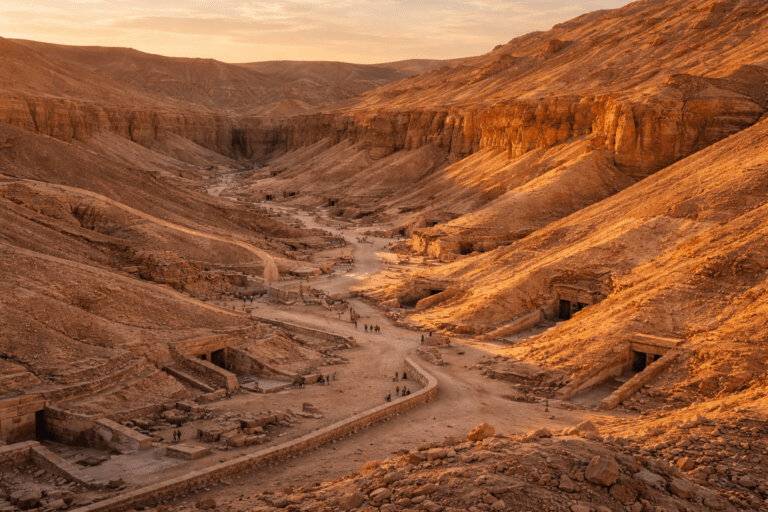
From Cairo, many travelers fly to Luxor, the ancient city of Thebes and home to the Valley of the Kings and the temples of Karnak and Luxor.
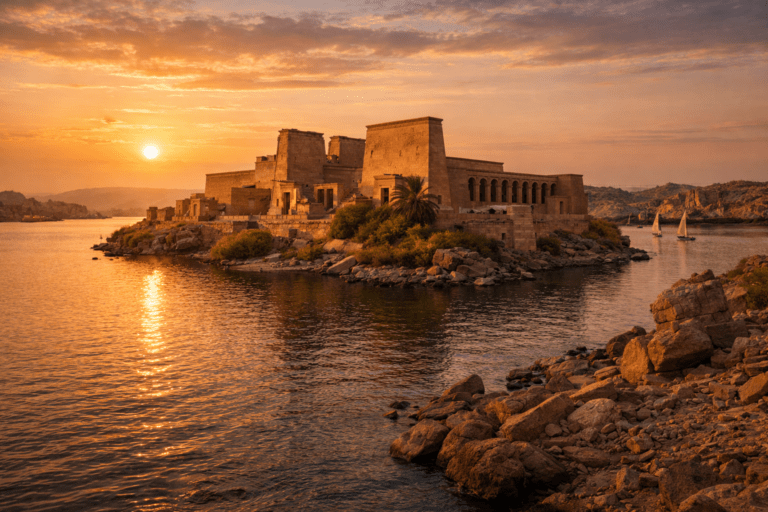
The trip then continues with a Nile cruise, sailing south through Upper Egypt and stopping at temples such as Edfu and Kom Ombo before reaching Aswan.
After days filled with temples and archaeological sites, the itinerary shifts toward relaxation.
That is where Sharm El Sheikh comes in.
Ending the Trip by the Red Sea
Flying from Aswan, Luxor, or Cairo to Sharm El Sheikh brings travelers into a completely different environment.
Instead of temples and desert ruins, the focus becomes coral reefs, beaches, and open sea views. Days revolve around snorkeling trips, diving excursions, or simply relaxing beside the water.
This contrast is exactly why Sharm works so well at the end of a trip. It allows travelers to slow down and absorb the journey before returning home.
Why This Sequence Works
Egypt is a country of intense experiences — ancient monuments, crowded cities, and long histories packed into short distances.
Ending the itinerary in Sharm El Sheikh creates balance.
You begin with history and exploration.
You finish with water, sunlight, and space.
For many travelers, that final shift from temple walls to coral reefs becomes one of the most memorable parts of the entire journey.
How to Get to Sharm El Sheikh
Most travelers reach Sharm El Sheikh by air, as the city sits on the Sinai Peninsula across the Gulf of Suez from mainland Egypt.
Flying from Cairo
The fastest way to reach Sharm El Sheikh is by flight from Cairo International Airport. The journey typically takes about one hour, making it an easy connection after visiting the pyramids or museums in Cairo.
Flying from Luxor or Aswan
Travelers finishing a Luxor visit or a Nile cruise often fly directly to Sharm El Sheikh to begin the relaxation phase of their trip. Several domestic routes connect Upper Egypt with the Red Sea coast.
International Flights
Sharm El Sheikh International Airport also receives flights from many European destinations, which is one reason the city has become one of the most popular beach resorts in the region.
Because of its location, flying is usually the most convenient way to reach Sharm.
What to Pack for Sharm El Sheikh
Packing for Sharm El Sheikh is simple because the destination revolves around warm weather and water activities.
Most visitors will want:
• Lightweight breathable clothing
• Swimwear for beaches and snorkeling
• Comfortable sandals or walking shoes
• Sunglasses and sunscreen
• A light jacket for cooler winter evenings
If you plan to snorkel frequently, bringing your own mask and snorkel can also make the experience more comfortable.
Because Sharm has a relaxed resort atmosphere, dress codes are generally casual.
Is Sharm El Sheikh Worth Visiting?
Yes — especially if you want your Egypt trip to include more than ancient monuments.
Most travelers come to Egypt for the pyramids of Cairo and the temples of Luxor. Those sites are extraordinary, but they are also intense: long days of sightseeing, crowded historic areas, and constant movement between landmarks.
Sharm El Sheikh offers something different.
Here, the focus shifts from archaeology to nature and atmosphere. The Red Sea provides some of the clearest water in the world, with coral reefs that can be explored through snorkeling or diving just meters from the shore. Days are often spent on boats, swimming above coral gardens, or relaxing along the coastline.
The surrounding region also adds depth to the experience. Visitors can explore Ras Mohammed National Park, hike Mount Sinai at sunrise, visit Saint Catherine’s Monastery, or venture into the Sinai desert on safari excursions.
For many travelers, Sharm becomes the perfect balance to Egypt’s historical destinations. After days spent walking through temples and museums, the Red Sea provides space to slow down and enjoy the landscape.
If your ideal trip includes both history and relaxation, Sharm El Sheikh is absolutely worth adding to the itinerary.
Frequently Asked Questions
Is Sharm El Sheikh safe for tourists?
Yes. Sharm El Sheikh is one of Egypt’s most established tourism destinations and has long been designed to welcome international visitors.
Resort areas, diving centers, and excursion operators operate within organized tourism zones that are accustomed to travelers from around the world.
As with any destination, visitors should use reputable tour providers, follow local guidance, and stay aware of their surroundings. In general, however, most travelers find Sharm El Sheikh to be comfortable, welcoming, and easy to navigate.
Is Sharm expensive?
Sharm El Sheikh can fit a wide range of budgets, which is one of the reasons it has become such a popular Red Sea destination.
Compared with many European beach resorts, Sharm is generally quite affordable, especially when it comes to resort packages that include accommodation, meals, and activities. Many hotels operate on all-inclusive models, which helps travelers control costs while enjoying beach access, pools, and dining within the resort.
Prices can vary significantly depending on the level of luxury. Large resorts and international hotel chains offer higher-end experiences with private beaches, spas, and organized excursions, while smaller hotels and guesthouses provide more budget-friendly options.
Activities such as snorkeling trips, desert safaris, and boat excursions are also reasonably priced compared with similar experiences in other parts of the world.
For most visitors, Sharm El Sheikh offers a good balance between comfort and value, allowing travelers to enjoy clear Red Sea waters, coral reefs, and resort amenities without the high costs often associated with major beach destinations.
Is Sharm El Sheikh worth visiting?
Yes. Sharm El Sheikh is one of the best places in Egypt to experience the Red Sea’s coral reefs, warm water, and dramatic desert landscapes.
While Egypt’s most famous destinations focus on ancient monuments, Sharm offers a completely different experience. Visitors spend their days snorkeling above coral reefs, sailing to marine reserves, exploring the Sinai desert, or relaxing along the coastline.
For many travelers, Sharm becomes the perfect final stop after visiting Cairo, Luxor, or taking a Nile cruise, allowing the trip to end with relaxation beside the sea.
How many days should you spend in Sharm El Sheikh?
Most travelers spend three to four days in Sharm El Sheikh, which provides enough time to enjoy the Red Sea and take one or two excursions.
A typical stay might include:
• One snorkeling or diving boat trip
• A visit to Ras Mohammed National Park
• Time to relax at the beach or resort
• An optional desert or cultural excursion
Travelers who are passionate about diving or simply want a longer beach holiday sometimes stay five days or more.
What is Sharm El Sheikh famous for?
Sharm El Sheikh is famous for its coral reefs, diving sites, and Red Sea marine life.
The surrounding waters contain some of the most vibrant reef ecosystems in the world, attracting divers and snorkelers from across the globe. Nearby marine reserves such as Ras Mohammed National Park are known for dramatic coral walls, tropical fish, and excellent underwater visibility.
The destination is also known for its access to the Sinai mountains, including the famous sunrise hike to Mount Sinai and visits to Saint Catherine’s Monastery.
Do you need to be a diver to enjoy Sharm El Sheikh?
No. While Sharm El Sheikh is famous for diving, snorkeling is just as popular and accessible.
Many coral reefs begin close to the shoreline, allowing visitors to see vibrant marine life simply by floating on the surface with a mask and snorkel. Boat trips also visit shallow reef areas where beginners can safely explore the underwater environment.
For travelers who have never tried diving, Sharm is also one of the best places to take an introductory diving course.
What is the best time of year to visit Sharm El Sheikh?
Sharm El Sheikh can be visited year-round, but the most comfortable months are generally October through April.
During this period, temperatures are warm but pleasant, making it ideal for snorkeling, diving, and exploring the Sinai desert.
Summer months can be very hot, though many travelers still enjoy visiting because sea breezes and water activities help moderate the heat.
Can you visit Mount Sinai from Sharm El Sheikh?
Yes. Mount Sinai is one of the most popular excursions from Sharm El Sheikh.
The journey usually begins late at night with a drive toward Saint Catherine, followed by a hike to the summit of Mount Sinai in time to watch the sunrise. The experience combines dramatic desert scenery with religious and historical significance.
Many tours also include a visit to Saint Catherine’s Monastery, one of the oldest continuously operating Christian monasteries in the world.
Is Sharm El Sheikh better than Hurghada?
Both destinations offer excellent Red Sea experiences, but they differ slightly in atmosphere and geography.
Sharm El Sheikh is located on the Sinai Peninsula and is known for dramatic coastal scenery, world-class diving sites, and proximity to Mount Sinai.
Hurghada sits on Egypt’s mainland Red Sea coast and is often easier to combine with destinations such as Luxor or a Nile cruise.
Both destinations provide beautiful beaches and coral reefs, so the choice usually depends on travel logistics and personal preference.
Final Thoughts: Why Sharm El Sheikh Belongs in an Egypt Itinerary
Sharm El Sheikh represents a completely different side of Egypt.
After days spent exploring pyramids, temples, and ancient cities, the Red Sea coastline offers a change of pace. The focus shifts from monuments to nature — coral reefs beneath clear water, desert mountains rising behind the coast, and sunsets that reflect across the sea.
This balance is what makes Sharm such a valuable addition to an Egypt journey.
Here you can snorkel over vibrant coral gardens, sail across turquoise water, explore protected marine parks like Ras Mohammed, or venture inland into the Sinai mountains for experiences like the Mount Sinai sunrise trek.
The destination works especially well as the final chapter of an Egypt itinerary. After Cairo’s intensity and the historical depth of Luxor or a Nile cruise, Sharm provides space to relax and enjoy the landscape.
Instead of rushing between monuments, days become slower — spent in the water, on boats, or watching the light change across the sea.
For travelers who want their Egypt journey to include both history and atmosphere, Sharm El Sheikh delivers the perfect ending.
Ready to experience the Red Sea’s most beautiful coastline? Explore our curated Sharm El Sheikh Egypt tours designed to combine snorkeling, marine parks, desert adventures, and Sinai experiences with expert guidance and comfortable pacing. You can also explore more about the destination on our Sharm El Sheikh destination page while planning how it fits into a broader itinerary that includes Cairo, Luxor, or a Nile cruise.