Is Egypt Safe for Tourists?
What Travelers Should Know
Egypt is one of the most fascinating travel destinations in the world — but it’s also one that many travelers research carefully before visiting.
So, is Egypt safe for tourists?
The short answer is yes — Egypt is generally safe for tourists, particularly in the main travel destinations such as Cairo, Luxor, Aswan, and the Red Sea resorts. These areas receive millions of international visitors each year and are well-established within the country’s tourism infrastructure.
At the same time, Egypt is not a typical “walk-anywhere” destination. It is a country where planning, local knowledge, and structured travel make a significant difference in how smooth and comfortable the experience feels.
Understanding how tourism works in Egypt — including how to move between cities, how sites are visited, and the role of guides — helps travelers approach the trip with confidence and realistic expectations.
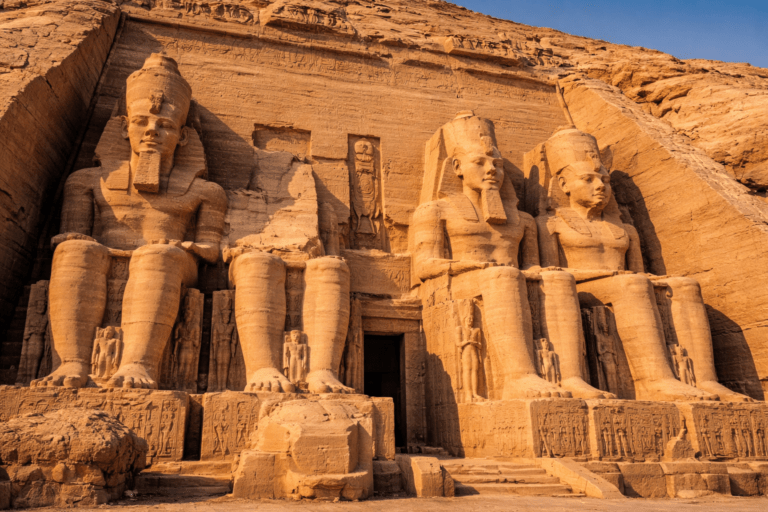
Egypt is a country packed with world-famous landmarks — from the Pyramids of Giza to the temples of Luxor, the Nile River, and the Red Sea — and planning the right itinerary can make a huge difference.
If you’re unsure how long to stay, see our guide on how many days you need in Egypt.
Is Egypt Safe to Visit Right Now?
Egypt remains a stable and actively visited destination, particularly within its main tourism corridors. Travel to areas such as Cairo, Luxor, Aswan, and the Red Sea resorts continues year-round, supported by established infrastructure and government focus on tourism.
These destinations are not random travel zones — they are core parts of Egypt’s tourism network, where hotels, transport systems, and historical sites operate within a well-organized framework designed for international visitors.
Security presence is visible in many key locations, especially around major landmarks, airports, and transport routes. While this may feel unfamiliar to some travelers at first, it is part of how tourism is managed and maintained across the country.
Most travelers who stay within these established routes — and who use reputable services, licensed guides, and organized transfers — experience Egypt without safety issues. In practice, the difference between a stressful trip and a smooth one is rarely the country itself, but how the trip is planned and executed.
Safety in Major Tourist Areas
Understanding how safety varies by region helps set realistic expectations when traveling in Egypt. Each destination operates differently, and knowing what to expect in each one makes the experience far smoother.
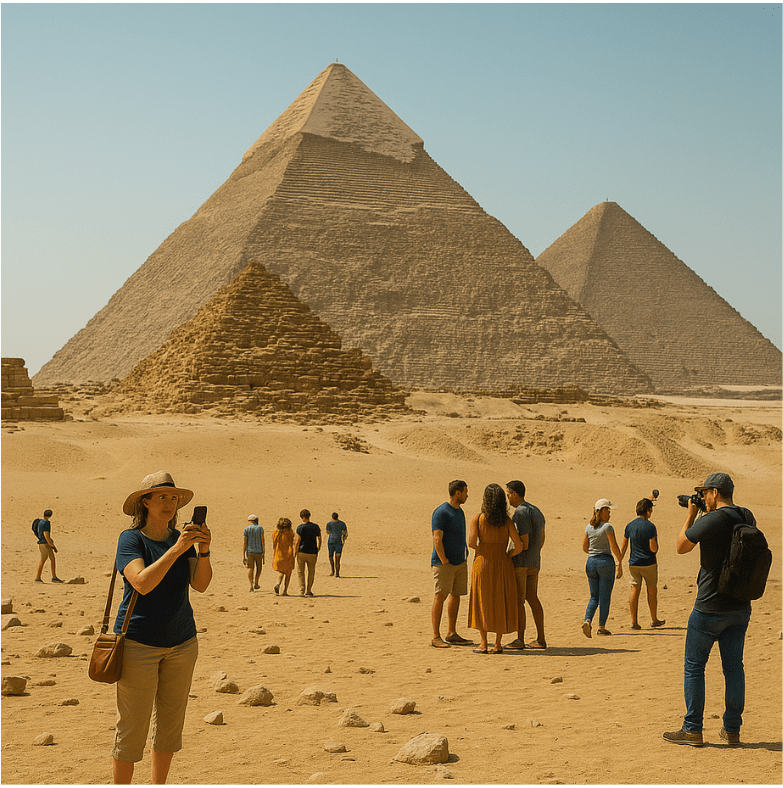
Cairo and the Pyramids of Giza
Cairo is a large, fast-paced capital, and it can feel intense at first. Traffic, crowds, and busy streets are part of daily life, particularly around central districts and historic neighborhoods.
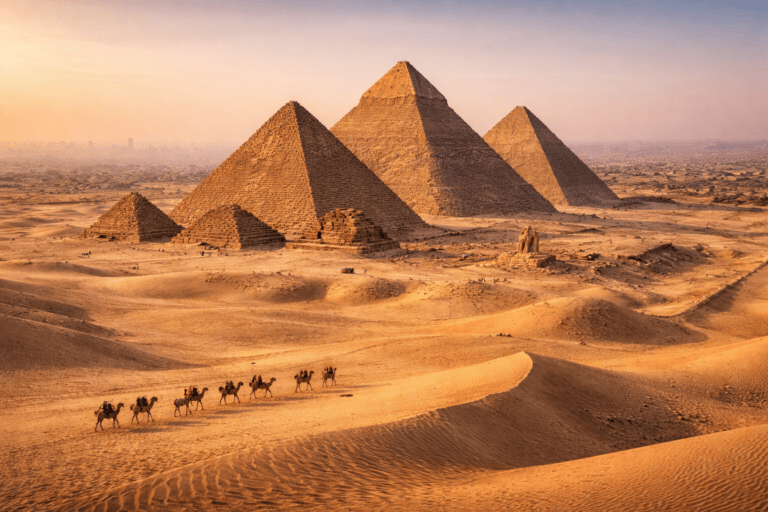
However, the main tourist areas — including the Pyramids of Giza and the Grand Egyptian Museum — are well-managed and regularly monitored. Most visitors explore these sites with guides or organized transport, which simplifies navigation and avoids common friction points.
With the right structure, Cairo is not only manageable — it becomes one of the most rewarding parts of the journey.
Luxor and Aswan (Upper Egypt)
Upper Egypt offers a very different experience. Luxor and Aswan are smaller, tourism-focused cities where travel is more organized and predictable.
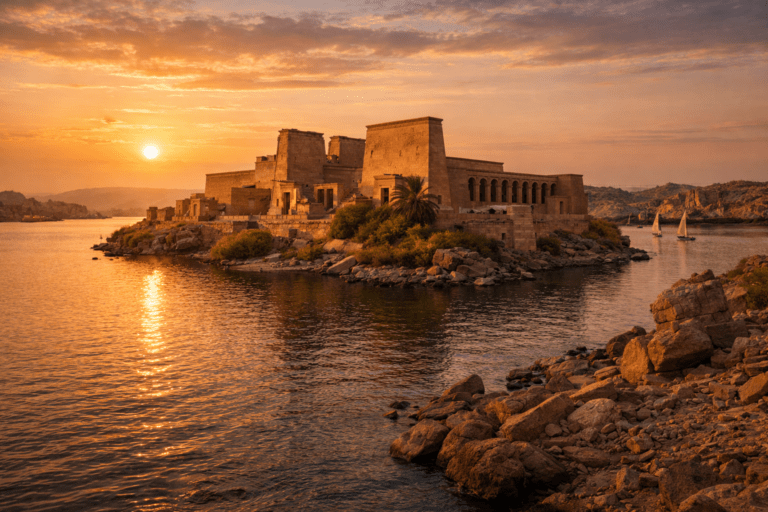
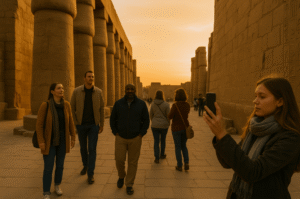
Most visits follow a clear structure, whether through Nile cruises or guided day tours. Sites such as the Valley of the Kings, Karnak Temple, and Philae Temple are visited within well-established routes.
For many travelers, this region feels like the most comfortable and seamless part of Egypt.
Red Sea Resorts (Hurghada & Sharm El Sheikh)
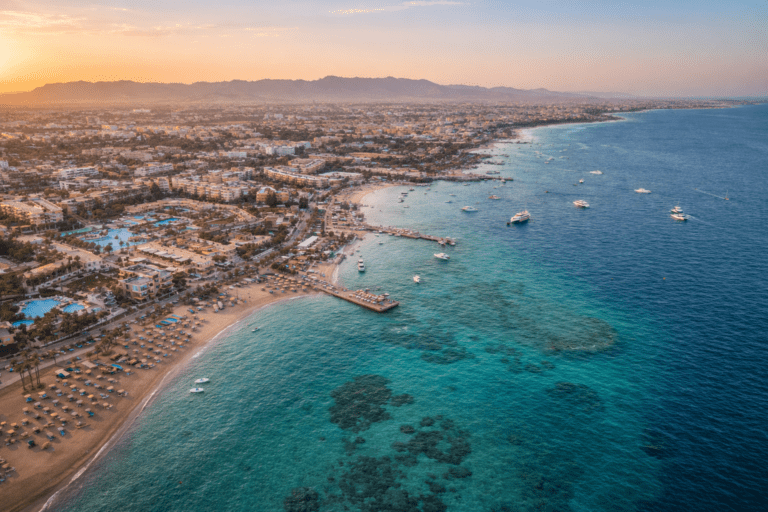
Red Sea destinations are purpose-built for tourism. Resorts, marinas, and excursion providers operate in well-defined areas designed for international visitors.
The environment is relaxed, with most time spent within resorts or on organized activities like snorkeling and diving. These destinations are often considered the easiest and most straightforward part of an Egypt itinerary.
Alexandria
Alexandria offers a calmer, more Mediterranean atmosphere compared to Cairo. It is generally easy to visit as a day trip or short stay, with sites like the Bibliotheca Alexandrina and the Corniche.
While less structured than Luxor or the Red Sea, it is still very manageable — especially when visited with a guide or as part of an organized trip from Cairo.
Fayoum Oasis
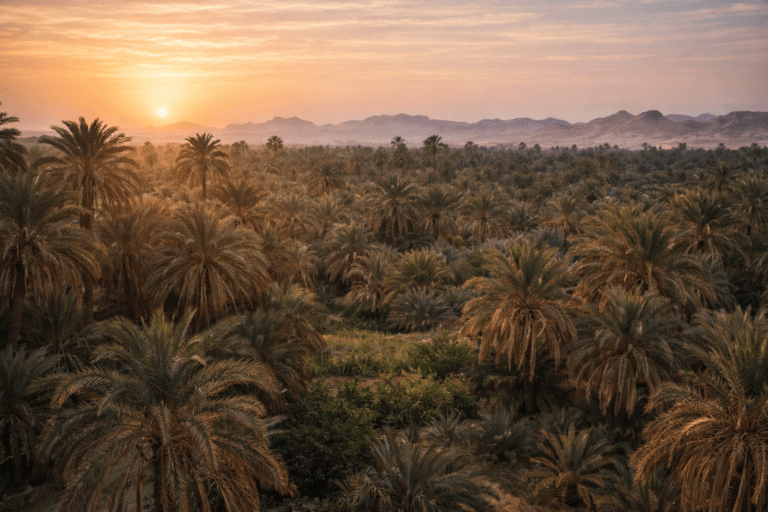
Fayoum is one of the closest desert escapes from Cairo and is commonly visited on guided day trips or short overnight stays.
Travel here is typically organized, especially for activities like visiting Wadi El-Rayan, Wadi El-Hitan, or sandboarding. Because of this, it is considered safe and straightforward when done through reputable providers.

Bahariya Oasis & the White Desert
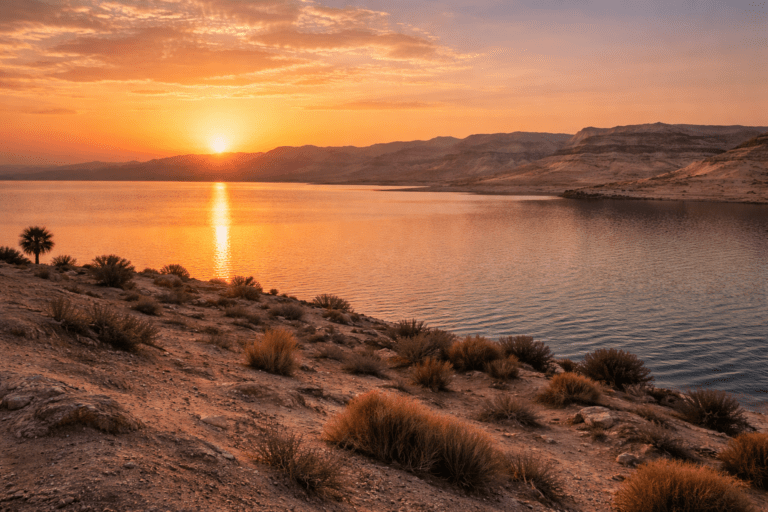
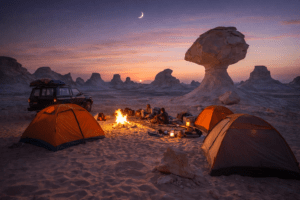
Bahariya and the White Desert are remote desert destinations and are always visited as part of guided tours.
Independent travel here is not typical. Instead, travelers join organized desert safaris with experienced drivers and local guides who know the terrain and logistics.
When approached this way, these areas are not only safe — they are among the most unique and memorable experiences in Egypt.
Common Concerns Travelers Have
Is Egypt safe for solo travelers?
Yes — many solo travelers visit Egypt each year without issues. However, Egypt is not a destination where most people travel completely independently from start to finish.
Solo travel here is smoother when it is structured — using guided tours for major sites, arranging transport in advance, and staying in well-located accommodations. This removes most of the friction points travelers might otherwise face.
For solo travelers, Egypt is less about going completely unplanned, and more about traveling independently within a supported framework.
Is Egypt safe for families?
Egypt is very manageable for families, particularly when the itinerary is well-paced and thoughtfully planned.
Many experiences — from the Pyramids to Nile cruises and Red Sea resorts — can be highly engaging for children when guided properly. The key is balancing sightseeing with downtime and avoiding overly packed schedules.
Families who travel with organized tours and reliable logistics typically find Egypt both safe and surprisingly easy to navigate.
Traveling with kids? Read our full guide on safety in Egypt for families and children
Is Egypt safe for women travelers?
Women travel to Egypt every day, both solo and in groups. While most trips are smooth, the experience can feel different from destinations in Europe or North America.
Dressing modestly, especially in cities and traditional areas, tends to attract less attention and makes the experience more comfortable. Using trusted transport, avoiding isolated areas at night, and relying on guides when needed are simple steps that go a long way.
With the right expectations and approach, Egypt is a destination where women can travel confidently — particularly within a well-planned itinerary.
What Travelers Should Be Aware Of
While Egypt is generally safe, the travel experience can feel very different from what many visitors are used to. A few practical realities are worth understanding in advance.
Busy Environments
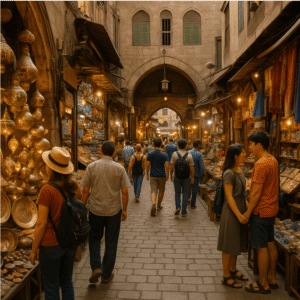
In cities like Cairo, daily life is fast-paced and highly active. Areas such as Khan el-Khalili or central streets can feel crowded, noisy, and intense — especially for first-time visitors.
This is not a safety issue as much as a difference in environment. Staying aware of your surroundings, keeping personal items secure, and moving with purpose are usually all that’s needed.
Unofficial Sellers and Persistent Vendors
At major sites and tourist areas, it’s common to encounter vendors offering souvenirs, rides, or services.
This is part of the experience in many historic destinations, but it can feel persistent. The key is simple: a calm, polite, but firm “no, thank you” — and continuing to walk — is usually enough.
Engaging too much — even out of politeness — often invites more interaction. A few basic local phrases can help you handle these moments more confidently and keep things friendly.
Learn a few simple Egyptian Arabic phrases to use in everyday situations.
Transportation and Getting Around
Getting between sites and cities in Egypt is not always straightforward if approached independently.
Distances can be significant, and navigation in busy areas like Cairo can be challenging without local knowledge. For this reason, most travelers rely on private drivers, hotel-arranged transport, or organized tours.
This is less about safety concerns and more about comfort, efficiency, and reducing friction during the trip.
Pace and Travel Fatigue
One of the most overlooked challenges in Egypt is not safety — but pacing.
Combining Cairo, Upper Egypt, desert destinations, and the Red Sea in a short timeframe can quickly become exhausting if not planned carefully. Long travel days, early site visits, and climate conditions all add up.
A well-paced itinerary is one of the most important factors in having a smooth experience.
The Role of Guided Travel
One of the defining differences when traveling in Egypt — compared to many other destinations — is how much smoother the experience becomes with the right level of support.
Egypt is not difficult to visit, but it is logistically layered. Distances between destinations, complex historical sites, and local navigation all require a level of coordination that is not always obvious at first.
This is where guided travel plays an important role.
Licensed Egyptologist guides do more than explain history — they provide structure to each day, manage timing at busy sites, and help travelers move efficiently between locations. Organized transfers and well-planned itineraries remove the uncertainty of getting around, especially in cities like Cairo or when traveling between Luxor and Aswan.
This becomes particularly valuable at major archaeological sites. Without context, places like Karnak Temple or the Valley of the Kings can feel overwhelming. With the right guidance, they become far more engaging and easier to understand.
In practice, guided travel in Egypt is less about “being guided” and more about removing friction — allowing you to focus on the experience itself rather than the logistics behind it.
Health and Practical Safety
Health and comfort are often more important than safety concerns when traveling in Egypt. The country’s climate, environment, and daily pace can feel different from what many travelers are used to, so a few simple habits can make a noticeable difference.
Egypt’s weather is typically hot and dry, especially in regions like Luxor and Aswan. Staying hydrated throughout the day is essential, and most travelers choose bottled water as a standard precaution.
Sun exposure is another key factor. Many historical sites are open-air and involve extended walking with limited shade, so wearing lightweight clothing, using sunscreen, and planning visits early in the morning helps maintain energy and comfort.
Timing plays a major role as well. Starting sightseeing early not only avoids the heat but also allows for a more relaxed experience before crowds build later in the day.
These considerations are less about risk and more about managing the environment effectively, ensuring that the trip remains comfortable, enjoyable, and well-paced from start to finish.
Areas Travelers Typically Do Not Visit
Tourism in Egypt is concentrated within a well-defined network of destinations, and most travelers remain entirely within these established routes.
Typical itineraries focus on Cairo, Luxor, Aswan, the Red Sea, and selected desert areas such as Fayoum or Bahariya — all of which are part of Egypt’s active tourism infrastructure.
There are other regions of the country that are more remote, less developed for tourism, or require special permits. These areas are not included in standard travel itineraries and are not places visitors would encounter unintentionally.
In practice, this means that travelers are not navigating the country freely at random. Instead, they are moving through well-established tourism corridors, where routes, accommodations, and site access are already structured.
By staying within these routes — which already include all of Egypt’s major highlights — travelers naturally avoid areas that are not part of the tourism network.
Is Egypt Safe Compared to Other Destinations?
For most visitors, Egypt feels similar to other major international destinations where awareness, planning, and common travel sense play an important role.
The difference is not that Egypt is less safe — but that it operates differently. Travel here is more structured, and the experience improves significantly when logistics are planned in advance.
In many destinations, travelers move independently from place to place with minimal coordination. In Egypt, the same approach can feel more complicated due to distances, navigation, and the way sites are organized.
When approached with the right structure — including planned transport, guided visits, and a well-paced itinerary — Egypt often feels just as manageable as other popular travel destinations.
In this sense, safety is less about comparison, and more about understanding how to travel in Egypt effectively.
Tips for Staying Safe in Egypt
A smooth experience in Egypt comes down to a few practical habits and thoughtful planning.
Choosing reputable tour providers and licensed guides is one of the most effective ways to reduce uncertainty. It ensures reliable transportation, clear communication, and a structured daily flow — all of which make the trip feel more comfortable from start to finish.
Staying aware of your surroundings, particularly in busy areas, is equally important. Like any major destination, keeping valuables secure and avoiding unfamiliar areas late at night helps maintain a sense of ease throughout the trip.
It’s also helpful to follow local guidance when needed. Hotel staff, guides, and drivers are often the best source of real-time advice, whether it’s about timing, routes, or navigating specific locations.
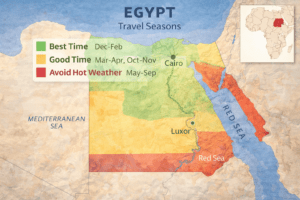
Choosing the right time of year also plays a major role in your experience — from weather and crowds to pricing and availability. Understanding the best time to visit Egypt can significantly improve your experience
None of these are unique to Egypt — they are standard travel practices. The difference is that, when applied consistently, they allow you to experience the country with confidence and focus fully on what makes it remarkable.
Frequently Asked Questions About Safety in Egypt
Is Egypt safe for tourists right now?
Yes, Egypt is generally safe for tourists, especially in major destinations such as Cairo, Luxor, Aswan, and Red Sea resorts. These areas are well-established for tourism and regularly visited by international travelers.
Is it safe to walk around in Egypt?
In main tourist areas, walking is generally safe during the day. However, like in any large city, it’s best to stay aware of your surroundings, avoid unfamiliar areas at night, and use organized transport when needed.
Is Egypt safe for solo travelers?
Yes, many solo travelers visit Egypt safely each year. The experience is usually smoother when travel is structured — using guides, planned transportation, and well-located accommodations.
Is Egypt safe for women travelers?
Women travel to Egypt regularly without issues. Dressing modestly, using trusted transportation, and avoiding isolated areas at night can make the experience more comfortable.
Is Egypt safe for families with children?
Yes, Egypt is a family-friendly destination, especially when the trip is well planned. Major tourist areas and guided tours make travel manageable and enjoyable for families.
Are there any areas tourists should avoid in Egypt?
Most travelers stay within established tourism routes, which include Cairo, Luxor, Aswan, and the Red Sea. These areas cover all major attractions and are where tourism infrastructure is focused.
Do you need a guide in Egypt for safety?
A guide is not required for safety, but it greatly improves the experience. Guides help with navigation, timing, and logistics, making travel smoother and more comfortable.
Is Egypt safer than people think?
Yes. Many travelers find Egypt feels safer and more manageable than expected, especially when trips are well organized and expectations are realistic.
What are the biggest safety concerns in Egypt?
The most common concerns are not serious risks, but practical ones — such as busy environments, persistent vendors, and navigating transportation. These are manageable with simple awareness and planning.
How can tourists stay safe in Egypt?
Travelers can stay safe by using reputable tour providers, arranging transport in advance, staying in known areas, and following basic travel awareness practices.
Final Thoughts: Is Egypt Safe?
Yes — Egypt is a safe and highly rewarding destination for tourists, particularly when travel is planned thoughtfully and approached with the right expectations.
Most visitors who follow established travel routes and use reliable services experience Egypt without safety issues. In practice, the quality of the experience is shaped far more by how the trip is planned than by the destination itself.
Egypt is a country that reveals itself gradually — through its history, landscapes, and daily life. With the right structure, it becomes not only manageable, but deeply memorable.
Planning Your Trip to Egypt?
At Egyptian Nile Adventures, we design well-structured, thoughtfully paced itineraries that allow you to explore Egypt with confidence and ease.
From the Pyramids of Giza to the temples of Luxor, Nile cruises, desert landscapes, and the Red Sea, we help you experience Egypt in a way that feels smooth, comfortable, and fully immersive.
Explore our Egypt travel experiences and start planning your journey