Is a Nile Cruise in Egypt Worth It? A Clear, Realistic Guide
A Nile cruise is not just another activity in Egypt—it shapes how you experience Upper Egypt entirely. Most travelers picture a relaxed boat ride with temple stops along the way. In reality, it’s a tightly structured journey that determines your pace, your schedule, and how you move through some of Egypt’s most important historical sites.
The decision isn’t whether a Nile cruise is “good” or “bad.” It’s whether its structure matches how you want to travel. For many first-time visitors, it creates a smoother, more manageable experience. For others, it can feel too controlled, especially once the early wake-ups, group timing, and fixed site visits begin to define each day.
Expert Insight: A Nile cruise works best when you accept it as a system, not a luxury add-on. Travelers who expect flexibility often feel restricted. Those who want a clear, guided flow through Luxor and Aswan usually find it becomes the easiest part of their trip.
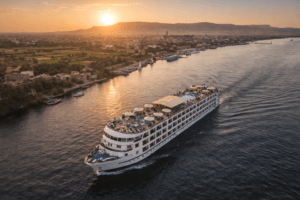
What a Nile Cruise Actually Feels Like
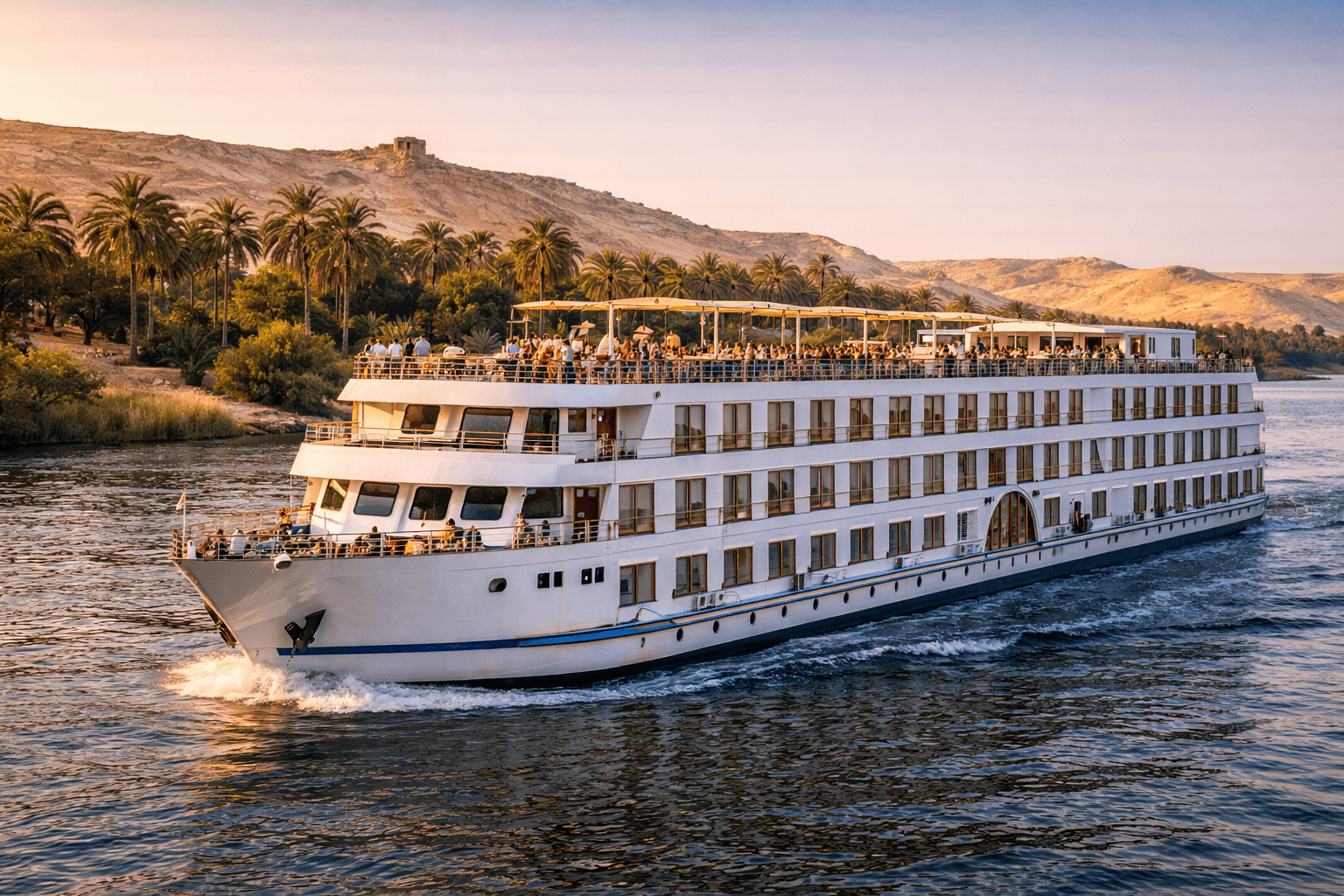
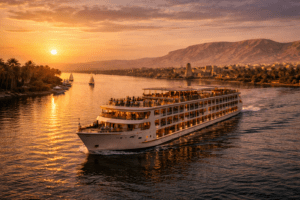
A Nile cruise is a moving itinerary. You sleep in one cabin for several days while the boat travels overnight or early morning between key stops like Luxor, Edfu, Kom Ombo, and Aswan.
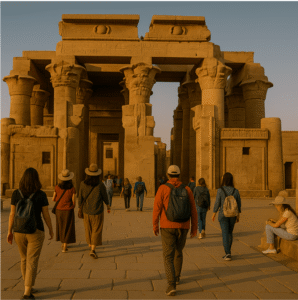
Days start early. In Luxor, it’s common to leave the boat before sunrise to reach the Valley of the Kings before the heat builds and tour buses arrive, with sites like Karnak and the Valley of the Kings forming part of the UNESCO World Heritage Sites in Egypt, reflecting their global historical significance. By 10 AM, the desert sun is already intense, and shaded areas are limited. You return to the boat late morning, sail during the hottest part of the day, then head out again in the afternoon or next morning depending on the stop.
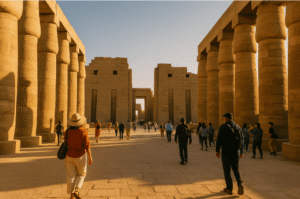
This rhythm repeats. Wake early, visit a major site with a guide, return to the boat, sail, rest, then repeat.
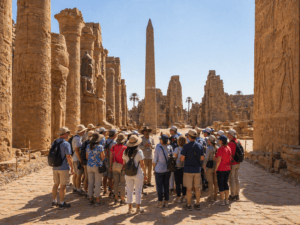
You’re not planning transport, buying tickets, or negotiating with drivers. Everything is pre-arranged. But that convenience comes with a fixed pace. If your group leaves Karnak Temple after 90 minutes, you leave—even if you would have stayed longer on your own.
Why Many Travelers Choose a Nile Cruise
The main advantage is not comfort—it’s continuity.
Traveling independently between Luxor and Aswan means organizing trains or drivers, checking into multiple hotels, and arranging guides at each location. Distances aren’t extreme, but the logistics stack up quickly, especially when sites like Edfu and Kom Ombo sit between cities with limited independent access.
A cruise removes that friction. You unpack once. Your guide meets you daily. Transport happens while you sleep or rest on deck. Instead of constantly resetting between destinations, the journey flows as one connected experience.
This becomes especially valuable in Upper Egypt, where the environment is physically demanding. Moving between temples in 38–42°C heat while coordinating logistics independently can turn simple mistakes into exhausting days.
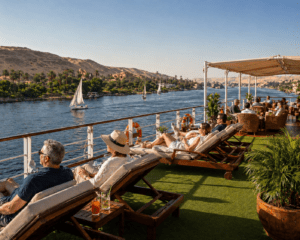
Guide’s Note: The sailing time is not “empty time.” Midday on deck, with the Nile moving slowly past farmland and desert edges, becomes your recovery window between intense site visits. Travelers who try to fill every moment usually burn out by day two.
What Catches Travelers Off Guard
The biggest surprise is how structured everything is.
Schedules are dictated by docking availability and site access. You might reach Edfu at sunrise because multiple ships are competing for the same docking space. That means horse carriage rides through quiet streets before shops open, followed by a fast-paced temple visit before the next group arrives.
Time inside sites is controlled. At Kom Ombo, you might have under an hour before returning to the ship. At Karnak, your guide will move you through the main axes and key halls efficiently rather than wandering freely.
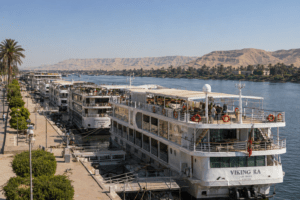
Another factor is variation in cruise quality. Two boats can follow the exact same route but deliver completely different experiences. One may have smooth organization, well-timed arrivals, and a strong guide. Another may feel rushed, poorly maintained, or disorganized.
Where a Nile Cruise Delivers Real Value
The strength of a Nile cruise is how it handles complexity.
Instead of treating Luxor and Aswan as separate destinations, it connects them into a single narrative. You move from temple to temple in sequence, with historical context building as you go. By the time you reach Aswan, the story feels continuous rather than fragmented.
It also simplifies physically demanding travel conditions. Early starts are built into the system, meaning you reach exposed sites before peak heat. Transport is handled without delays. Guides are consistent rather than changing at each location.
For most first-time visitors, this creates a smoother and more complete experience than trying to assemble the same route independently.
Where It Falls Short
The same structure that creates efficiency also limits control.
You cannot decide to spend an extra two hours inside the Valley of the Kings. You won’t be able to skip a stop and linger somewhere else. The pace is set, and you follow it.
For travelers who enjoy slow exploration, photography at their own rhythm, or revisiting sites, this becomes frustrating quickly.
There’s also a shared-group dynamic. Even on well-run cruises, you move with others. Boarding times, departure windows, and site visits are coordinated across multiple people, which removes spontaneity from the experience.
Nile Cruise vs Independent Travel
The difference becomes clear within the first two days.
A cruise moves efficiently but on a fixed path. You see the major sites in a logical order, with minimal friction, but you adapt to the schedule.
Independent travel gives you control. You can spend a full morning in Karnak, return at sunset, or skip Kom Ombo entirely. But you’ll also deal with drivers, timing gaps, ticket logistics, and the physical strain of moving between locations in heat.
In real conditions, most first-time travelers benefit from the structure of a cruise. Those returning to Egypt or traveling with a strong interest in specific sites often prefer independence.
Choosing the Right Nile Cruise Matters More Than the Decision Itself
Not all Nile cruises feel the same, even if the itinerary looks identical.
A well-run mid-range boat with a strong guide and smart timing will outperform a higher-priced option with poor organization. The difference shows up in small details: arriving at temples before crowds build, moving efficiently through entrances, and avoiding long waits under direct sun.
Cabin comfort matters, but execution matters more. Cleanliness, food quality, and service consistency affect how you feel day to day, especially after long, hot mornings at sites.
Guide’s Note: The most overlooked factor is timing. Reaching major sites early—before tour buses and peak heat—changes the entire experience. The best cruises prioritize this without advertising it clearly.
How to Get the Best Experience Onboard
Expect early mornings and plan your energy around them. The most demanding visits happen before noon, when light is strong and heat is rising fast.
Use sailing time intentionally. Rest, hydrate, and step away from the schedule. The Nile’s pace is slow, and that contrast is part of what makes the journey work.
Choose your comfort level carefully. Budget options often feel rushed and inconsistent. Mid-range cruises, when well managed, usually offer the best balance between comfort and value.
Frequently Asked Questions
Is a Nile cruise worth it for a first-time trip to Egypt?
For most first-time visitors, the cruise simplifies a route that can otherwise feel fragmented and physically demanding. Having transport, guiding, and timing handled in one system allows you to focus on the sites themselves instead of logistics.
How many days should a Nile cruise be?
Three to four nights is the standard between Luxor and Aswan. Shorter cruises compress the schedule and feel rushed, while longer ones mainly add more sailing time rather than significantly different site access.
Are Nile cruises actually luxurious?
Some are, but luxury on the Nile is inconsistent compared to global standards. What matters more is maintenance, organization, and guide quality. A well-run mid-range cruise often delivers a better experience than a poorly managed “luxury” one.
Is it better to cruise from Luxor to Aswan or the reverse?
Starting in Luxor is the stronger option for most travelers. You begin with the most complex and demanding sites—Karnak and the Valley of the Kings—while your energy is highest, then transition into a slower pace as you move south.
A Nile cruise works exceptionally well when it’s chosen for the right reasons. Travelers who expect flexibility often feel constrained. Those who want a structured, well-paced way to move through Upper Egypt usually find it removes the hardest parts of planning.
Most issues don’t come from taking a Nile cruise—they come from choosing the wrong one or misunderstanding how it actually works.
Explore Egyptian Nile Adventures helps you avoid that gap by matching you with cruises based on real timing, guide quality, and how you want to experience Luxor and Aswan—not just what looks good on an itinerary.
Choose a Nile cruise that fits how Egypt actually operates on the ground, or risk spending four days adjusting to a system that was never right for you.