
Cairo opens with a sabah el-kheir from the fruit seller and the clink of tea glasses at the local café. A quick greeting can turn an ordinary morning into a small conversation. This page is your cultural compass before exploring Egypt with one of our private Egypt tours — how to greet, how to share tea, how to bargain with grace — so that every encounter feels like part of the story.
Greetings & Etiquette
A Quick Start
Many of these greetings are common when meeting your Egyptologist guide during a Cairo day tour. You meet your driver outside the hotel. A smile, a light handshake, a moment to ask about their day — these gestures carry more meaning than words.
Sample Exchange
You: Ahlan (AH-lahn) — Hello
Driver: Ahlan, Izzayyak/ik? (iz-ZAY-yak / iz-ZAY-yik) — How are you? (m/f)
You: Tamaam, shukran. (ta-MAAM, SHOOK-rahn) — All good, thank you.
Simple Greeting Flow
- Start: “Ahlan” + warm smile.
- Handshake: Right hand only; light and brief.
- Respect: Elders first; a nod goes far.
- Take a beat: Don’t rush — the greeting is the conversation.
- Use right hand for giving or receiving.
- Skip hugs unless invited.
- A short friendly chat builds trust.
- Don’t interrupt — let greetings breathe.
Tea & Hospitality
A Pause with Purpose
Being offered tea isn’t just refreshment — it’s connection. In a shop, office, or home, even a few minutes shared over shay can build a friendship. These traditions often appear during relaxed moments on a Nile cruise between Luxor and Aswan.
Sample Responses
Host: Shay? (shay) — Tea?
You: Shukran. (SHOOK-rahn) — Thank you.
Decline politely: Shukran, marra tanyah. (SHOOK-rahn, MAR-ra TAN-yah) — Another time, thank you.
When Tea is Offered
- Accept? Take a few sips — enjoy the moment.
- Decline? Smile and thank warmly.
- Stay a minute — even brief pauses show respect.
Market Manners
Keep it Light
Bargaining in Egypt is a cheerful dance — part conversation, part theater. Let it stay friendly. These tips become useful while exploring markets during many guided Egypt tours.
Sample Lines
You: Bikam da? (bee-KAHM dah?) — How much?
You: Ghaali shwaya… mumkin khesem? (GHA-lee SHWAY-a… MUM-kin KHE-sem?) — A bit high… any discount?
Not for you: La, shukran. (lah, SHOOK-rahn) — No, thank you.
Tips for Haggling
- Ask the price first, smile included.
- Counter kindly — humor wins more than pressure.
- If it’s not right, just thank and walk away.
- 🟢 Fair deal: Reasonable start, small movement, friendly close.
- 🔴 Tourist trap: Guilt, pressure, or dramatic “final price.”
- Exit phrase: Mish hat’akhod. (mish hat-AH-khod) — I’ll pass.
Everyday Language Snippets
Pocket these phrases; they open doors.
| Arabic | English |
|---|---|
| Ahlan (AH-lahn) | Hello |
| Shukran (SHOOK-rahn) | Thank you |
| Min fadlak / -lik (min FAD-lak / -lik) | Please (to m/f) |
| Izzayyak / ik? (iz-ZAY-yak / -yik?) | How are you? |
| Tamaam (ta-MAAM) | All good |
| Bikam da? (bee-KAHM dah?) | How much? |
| La, shukran (lah, SHOOK-rahn) | No, thanks |
| Fein…? (fayn) | Where is…? |
Tipping & “Bakhsheesh”
What’s Polite, What’s Not
Tipping (bakhsheesh) is less about money and more about appreciation. It’s a quiet “thank you” that keeps Egypt’s hospitality flowing. If you’d like a more detailed breakdown of how tipping works across Egypt, see our full guide to tipping in Egypt.
You: Shukran giddan. (SHOOK-rahn GID-dan) — Thank you very much.
Where it Applies
- Guides & drivers (end of day)
- Cruise or hotel staff
- Porters & quick helpers
- Small photo assists
Where it Doesn’t
- Ticket windows
- Security personnel
- Anywhere with a posted service fee
Typical Amounts
- Egyptologist guide: 200–300 EGP /day
- Driver: 100–150 EGP /day
- Porters: 20–30 EGP /bag
- Restaurant staff: 10–15% if not included
If you feel pressured: Smile and say “khalas, shukran.” (kha-LAS, SHOOK-rahn) — We’re all set, thank you. If it continues, ENA’s team will handle it for you.
Join the Nile Wisdom Circle
Imagine arriving in Egypt already knowing the rhythm of the streets, the meaning behind the
warmth, and the quiet wisdom in the temples.
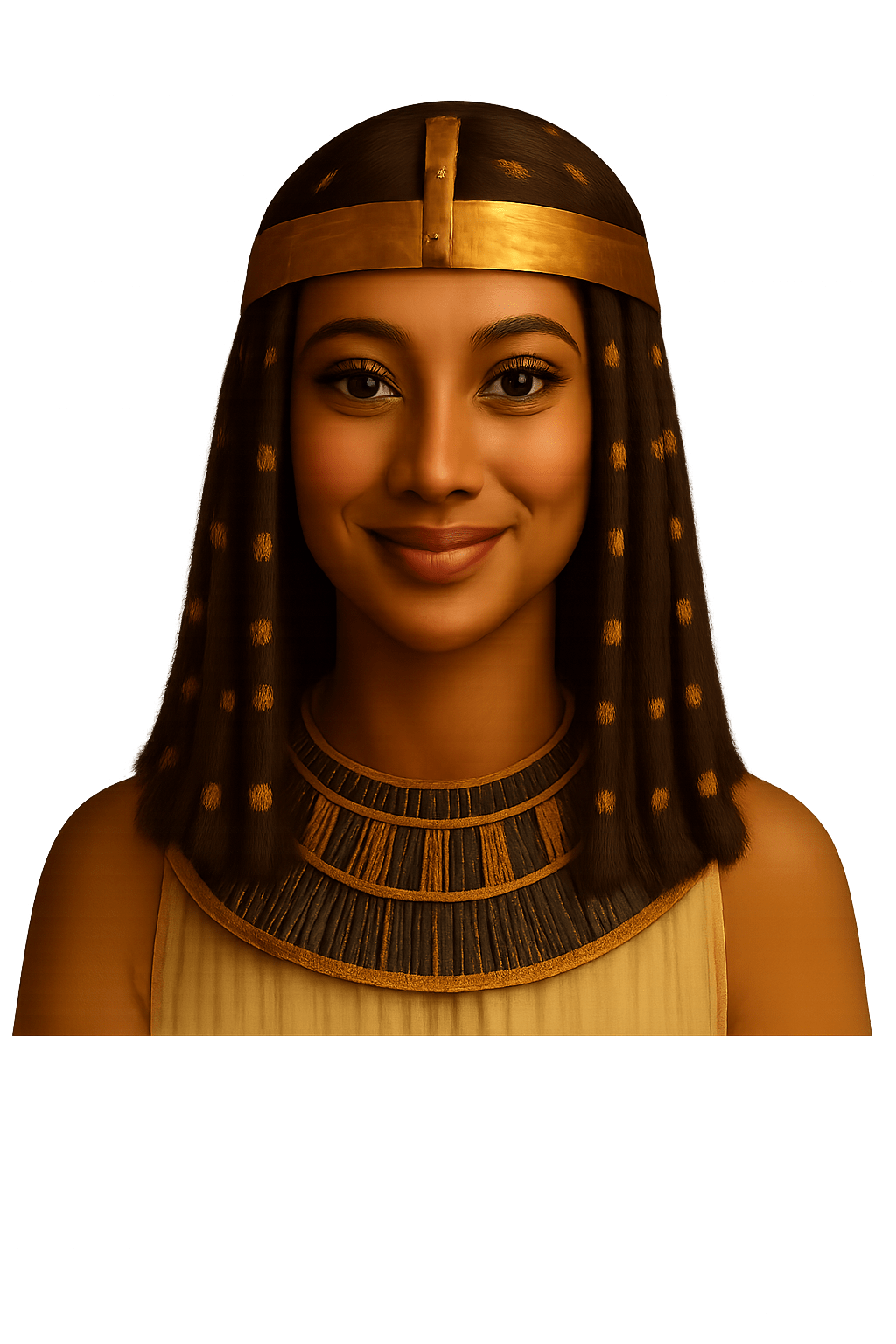
Inside the Nile Wisdom Circle, Cleopatra trains you in real-world confidence — haggling, etiquette,
language, and street-smart clarity — while Hatshepsut reveals Egypt’s deeper cultural and ancient story.
Each week brings a new lesson, a new insight, and a new chance to earn Nile Credits toward
bonuses and exclusive traveler rewards (including % off in ENA’s Souvenir Concierge and Tours).